Why Can't I Taste Coffee Flavors? How to Enhance Your Sensory Judgment of Coffee Taste
Introduction
Many newcomers to single-origin coffee share the same confusion: drinking the same cup, a barista can describe strawberry sweetness and rose fragrance, while you taste only sourness and bitterness and miss everything else. Is your tongue simply not sensitive enough, or do baristas have flavour radar installed in theirs? How do you develop that same "radar tongue"?
What is Coffee Flavor?
Identifying coffee flavour comes down to two things: olfaction and taste. How flavour and taste develop is closely tied to roast level. When FrontStreet Coffee introduced the older version of the coffee flavour wheel, we noted that its flavours are arranged from light to heavy, which mirrors how coffee taste shifts from light to dark roasts. Sour and sweet compounds have lighter molecules and high water solubility, so they are perceived and tasted first, while bitter compounds are heavier and less soluble and tend to appear later in the tasting.
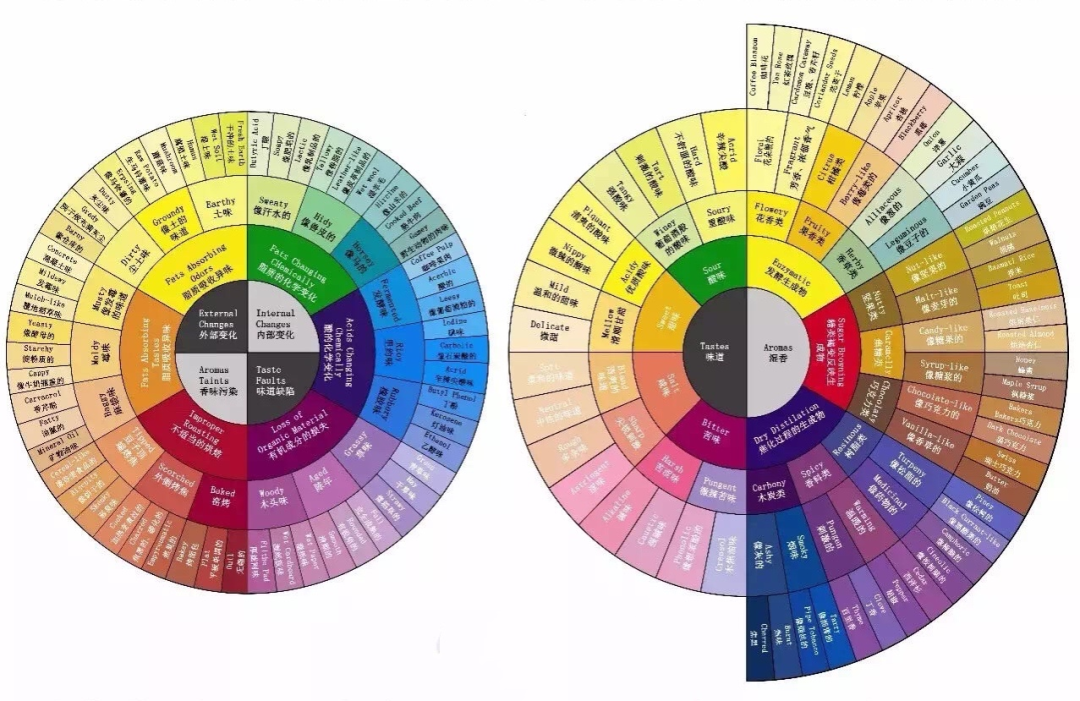
So where does saltiness fit? Saltiness likes to tag along with its two sisters, sour and sweet. When sour and sweet are present together they can mask saltiness, so we never notice it. If you do taste saltiness in coffee, it is a warning sign about the beans' freshness, telling you that the sour and sweet sisters have been wiped out by oxidation.
The Division of Labor on the Tongue!
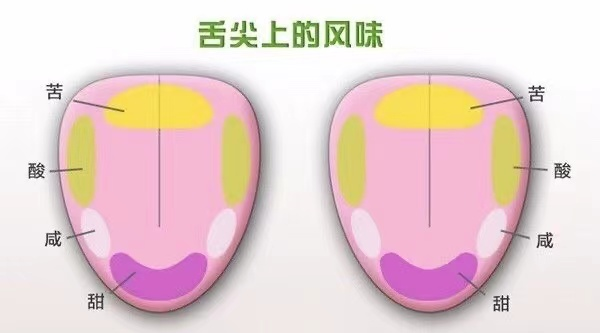
For the four basic tastes, the tongue has its own division of labour. The tip perceives sweetness, the sides near the tip perceive saltiness, the sides near the back perceive sourness, and the base perceives bitterness. This also explains why we notice sour and sweet compounds first when drinking coffee, with bitterness arriving later.
The Division of Labor in the Nasal Cavity!
Smell, as used in judging flavour, comes in two forms: anterior and posterior nasal olfaction. Anterior nasal olfaction is smelling an external odour by inhaling directly through the nose; when coffee beans are ground, for example, we smell the aromatic compounds that vaporise from the powder. Posterior nasal olfaction is often mistaken for something the tongue tastes, but it is actually the olfactory experience that happens after you sip, when saliva releases aromatic molecules hidden in the coffee oils and they travel from the mouth through the nasopharyngeal passage into the nasal cavity.

How to Judge Coffee Flavor?
Taste and smell gather and transmit information, while the brain handles association. The mouth and nasal cavity are connected. When coffee enters your mouth, the tongue first detects its tastes, then hands them to the nasal cavity to identify the aroma, and finally passes the sensations to the brain for association. The brain finds whichever food or flower scent comes closest to the taste and aroma at that moment, and that becomes the coffee's flavour.
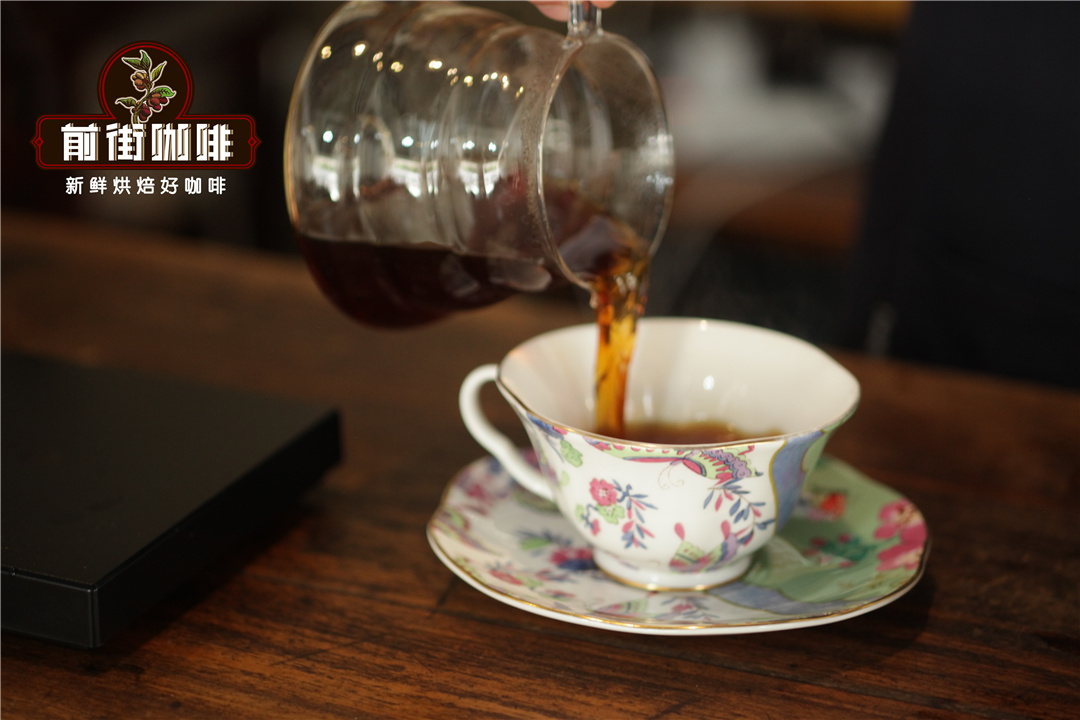
I Tasted Different Flavors in the Same Coffee, Is This Normal?
There are 4,000 documented flavours used to describe coffee. Everyone's judgment and memory of taste differ, and tasting is a highly subjective sensory experience. Part of the pleasure of coffee is perceiving a flavour and then sharing and discussing it with the people around you.
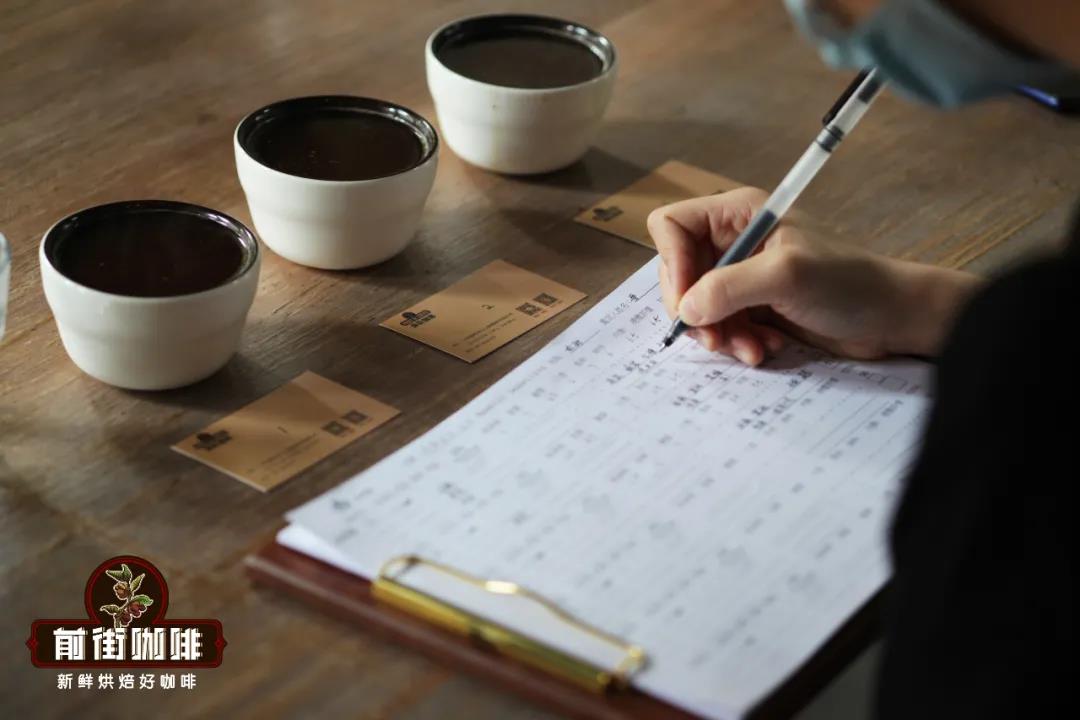
If you let the flavours printed on a bag constrain you, you will only lead yourself astray, because coffee flavour has no single standard. The tasting notes on a bag are a guide, not a rule; they simply gather the words baristas use most often at cupping to help you choose beans that suit your taste.
What to Do If You Can't Describe Detailed Coffee Flavors?
For beginners, not being able to name coffee flavours is normal. In that case, what methods can help improve your flavour judgment?
1. Build Your Own Flavor Memory
When you taste the same food, besides noticing its sweet, sour, bitter and salty tastes, you can go further and notice the aroma it brings. Taste an apple, for instance: smell it before peeling, smell it again after peeling, feel its sweetness and sourness as you bite, then close your mouth and breathe out through your nose to experience posterior nasal olfaction and catch the apple's scent. Compare that with the aroma you smelled directly, and you build a fuller flavour memory of the apple.
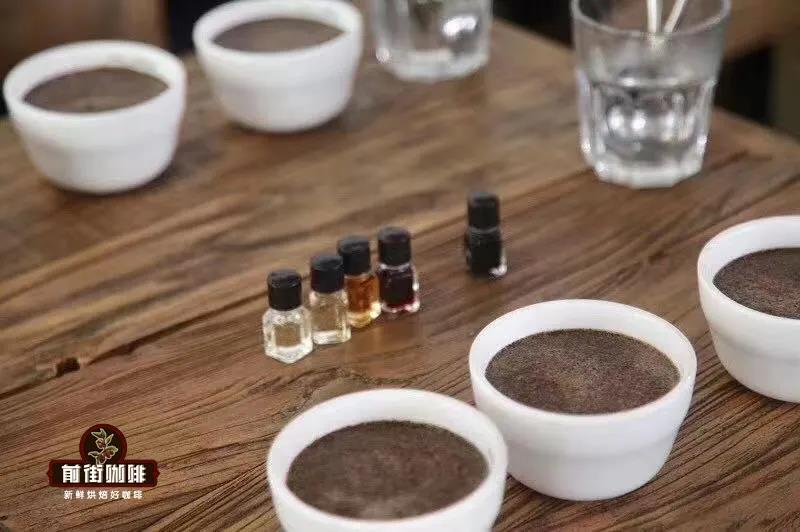
2. Seek Multiple Similar Smelling Foods or Flowers for Flavor Comparison
For example: what is the difference between the sweet and sour sensation of strawberries and raspberries?
For example: what is the difference between the aroma of hazelnuts and almonds?
For example: what is the difference between the aroma of jasmine flowers and ginger flowers?
By comparing the tastes and aromas of similar foods and flowers, you learn to distinguish the subtle differences between flavours.
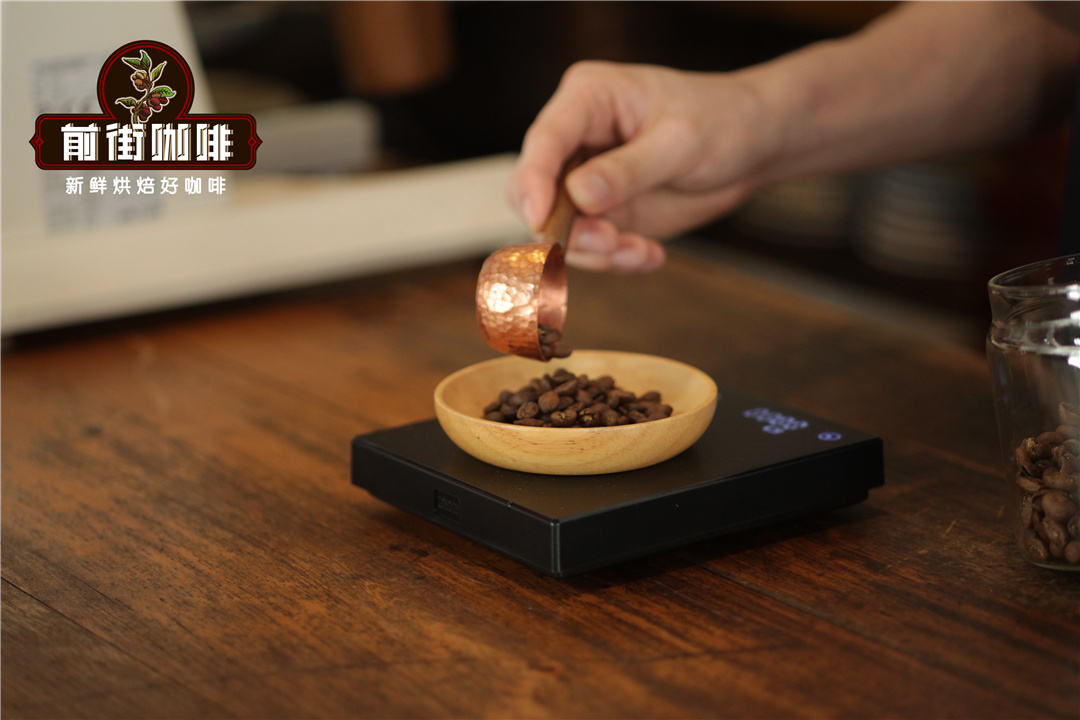
3. Try More Light Roast Coffee Beans
If you want to experience more coffee flavour, light roast beans are an excellent sensory training ground. Compared with dark roasts, light roasts offer a richer range of flavours and give you more material to work with when identifying tastes.
FrontStreet Coffee Recommendation
For a balanced cup, FrontStreet Coffee suggests starting with medium roasts. The FrontStreet Brazil Queen Estate is a good first step: grown in Brazil, the world's largest coffee producer, from the distinctive Yellow Bourbon variety, it is clean and gently sweet, showing creamy peanut, chocolate, toast and sugarcane notes after a medium roast. It works equally well as a pour-over or in a moka pot and espresso machine.
If you want a sweeter, fruitier medium roast, try the FrontStreet Strawberry Candy Geisha blend. It combines two well-known origins, a honey-processed coffee from Costa Rica and a washed Geisha from Panama, and FrontStreet roasts it medium to show both orange-honey depth and rounded sweetness. It is versatile enough for cold brew, pour-over and espresso. The FrontStreet 2013 Sun-Dried Typica is another gentle option, a Chinese specialty coffee with a balanced, soft profile and notes of nuts, brown sugar, black tea and dried apricot; brew it as a pour-over, cold brew or drip coffee.
Finally, the FrontStreet Jamaica Blue Mountain No.1 is grown from Typica in Jamaica and roasted medium so that acidity, bitterness, sweetness and aroma come together. In the cup you get chocolate, roasted nuts, cream and caramel, a widely loved example of the balanced style. A good way to train your palate is to brew each of these as a pour-over at a 1:15 ratio, then taste them side by side and compare how the aromas differ.
Important Notice :
FrontStreet Coffee is a long-established specialty coffee roaster in Guangzhou China, selling freshly roasted beans from its own farm in Yunnan as well as dozens of carefully selected single-origin beans from around the world for both pour-over and espresso. The products deliver consistently excellent quality and great value, with shipping within 24 hours. Guangzhou's FrontStreet Coffee shop is recommended by many coffee lovers, and the beans are now available online at the Tmall 。
FrontStreet Coffee has moved to a new address:
FrontStreet Coffee Address: 315,Donghua East Road,GuangZhou
Tel:020 38364473
 Scan and follow the En Gafei WeChat official account. Please indicate that the reprint comes from "En Gafei".