What are the Features of Hario's New Cross Infinity Dripper? What's the Best Brewing Method for the Infinity Dripper
Hario's New Cross-Star MuGen Dripper
Hario has recently released a new dripper that departs meaningfully from the classic V60. Let's take a closer look at its highlights with FrontStreet Coffee!
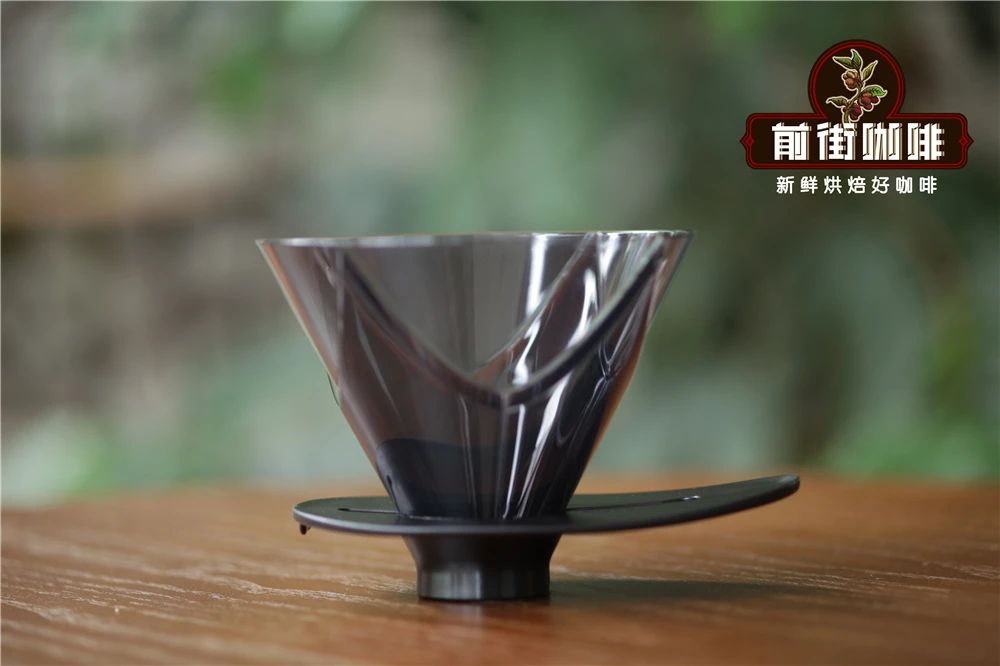
The Cross-Star MuGen Dripper
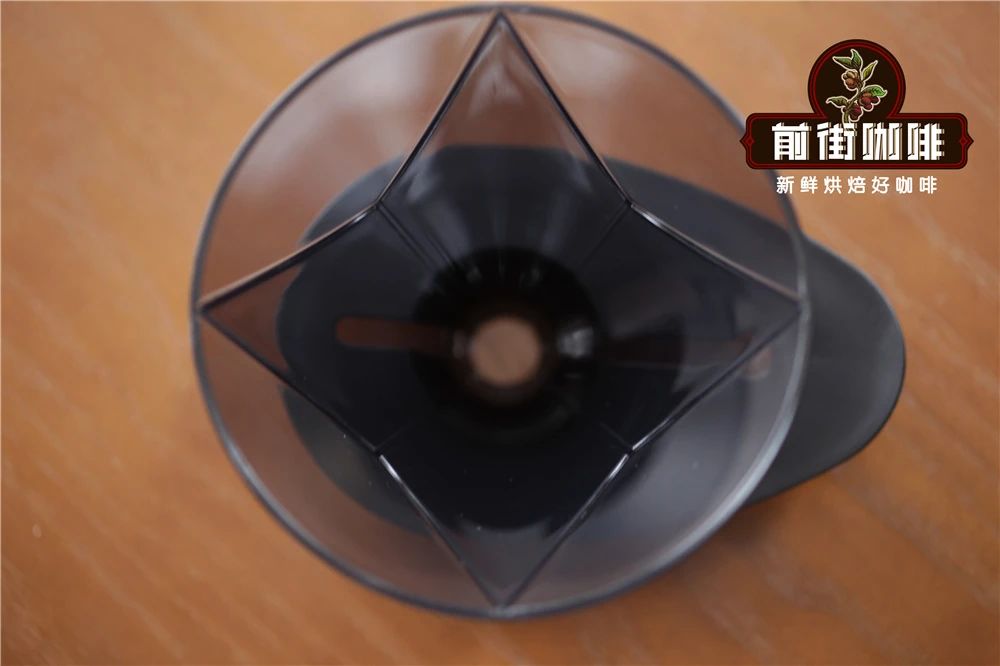
Hario calls this dripper "MuGen," meaning "infinite." Viewed from above, it forms a cross-star pattern. The structure is simple: it keeps the V60's overall silhouette, with ribs running from the edges of the cross-star and four concave corners down toward the bottom.
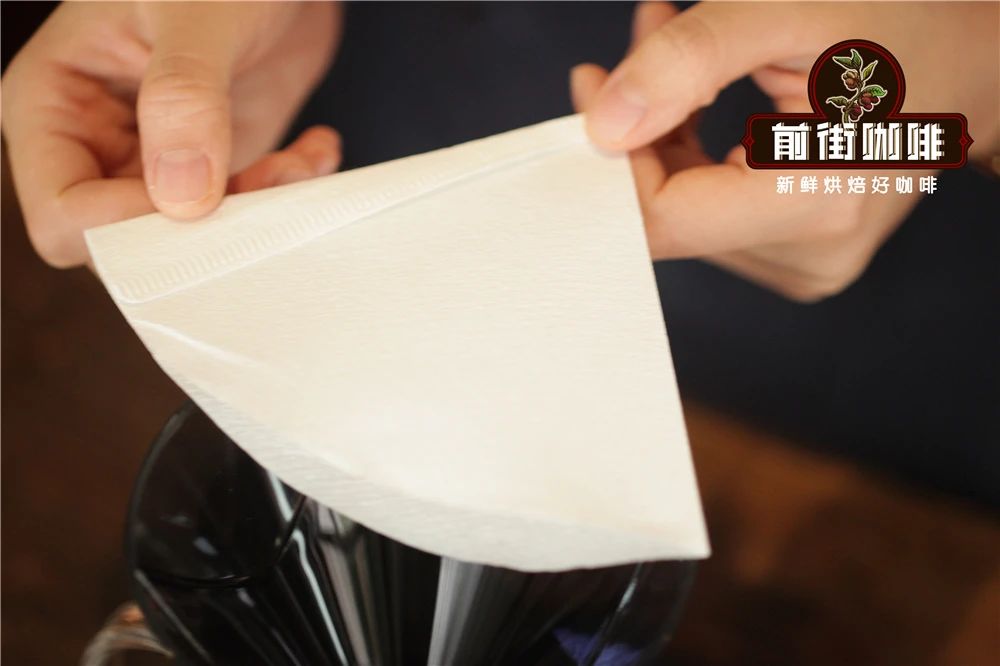
Here you can see filter paper wetted and fitted to the dripper, which makes the rib layout easier to observe.
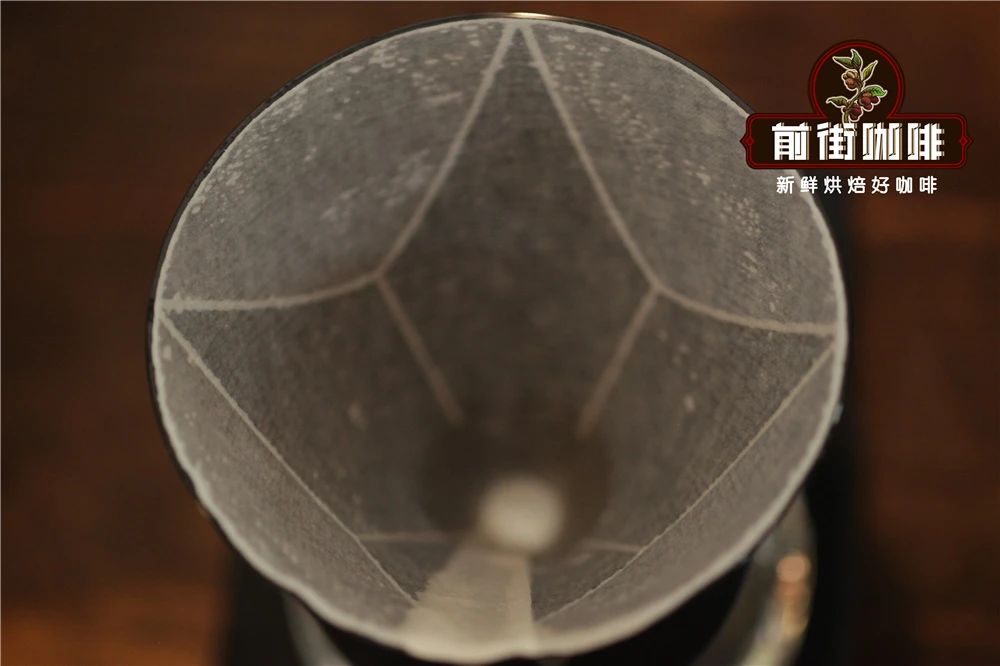
Overall, the rib structure is quite minimal, and apart from the ribs the dripper resembles a Kono. One important difference from the classic V60: where the V60's ribs protrude, the MuGen's are recessed. So when using standard V60 conical filter paper, you need to fold the paper a second time — not along the factory seam — to narrow the angle for a proper fit.
Which Brewing Methods Suit This Dripper?
The packaging is labeled "V60 one-time extraction dripper" — a single-extraction brewer. That matches Hario's official recommendation of brewing in one continuous pour with no bloom. FrontStreet Coffee therefore put three approaches to the test: single-pour with no bloom, bloom-plus-single-pour, and a three-stage method.
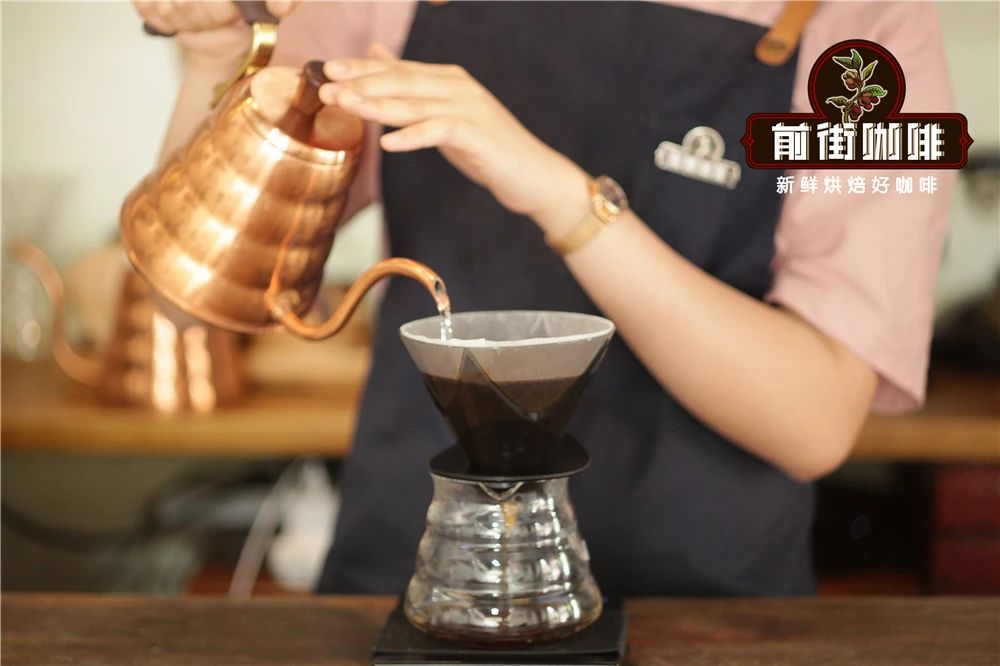
We used Ethiopian Alsi coffee beans for the experiment, with these parameters:
- Coffee: 15g
- Coffee-to-water ratio: 1:15
- Grind size: Medium-fine (80% pass rate on a #20 standard sieve)
- Water temperature: 91°C
Single-Pour Method (No Bloom)
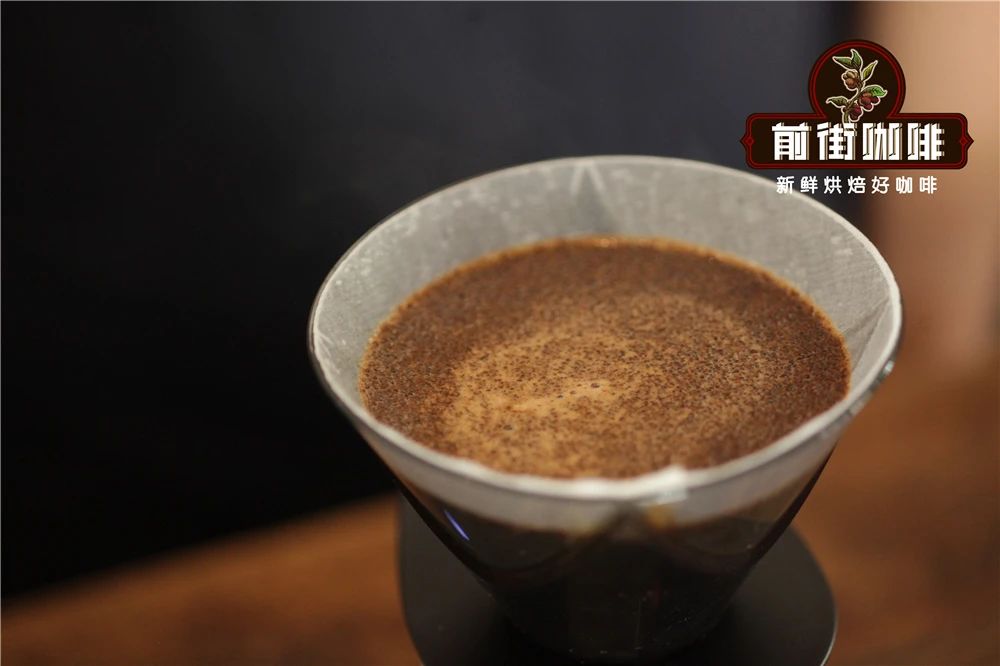
Wet the filter paper to seat it, add 15g of coffee, and pour from the center outward in circles straight to 225g. The pour took 42 seconds. No coffee foam formed at any point, and the bed rose quite high. The drawdown was slow but steady; extraction ended when all the liquid had drained into the server, at a total time of 2:26.
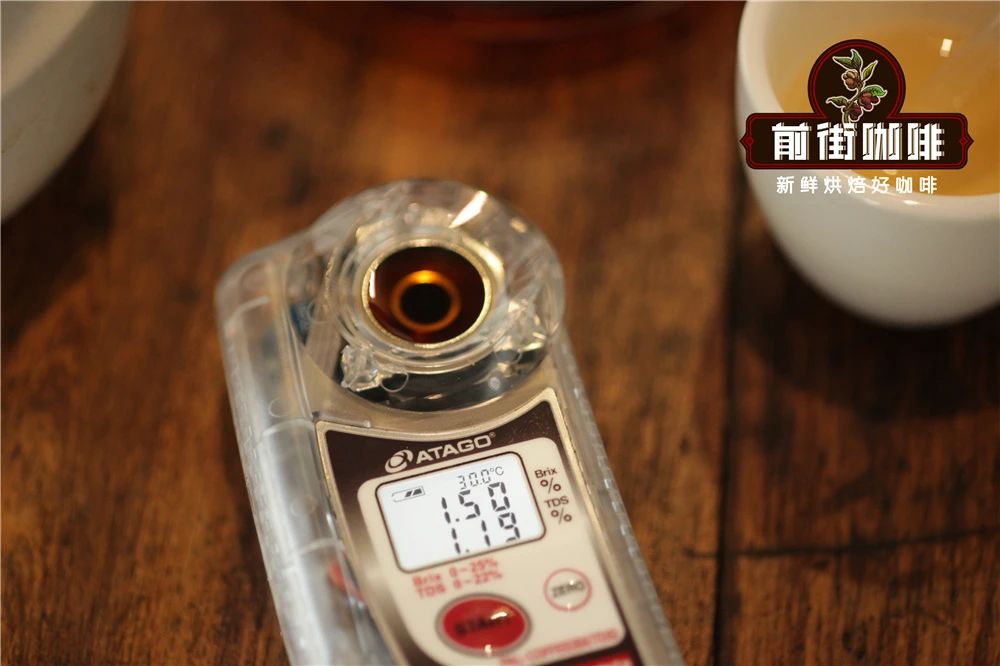
Measured with a refractometer, this cup came in at 1.19% concentration with a 15.66% extraction yield — under-extracted by Gold Cup standards. Yet on tasting, the cup was light but very clean, with a hint of fresh floral aroma. Short on flavor intensity, perhaps, but the texture and gentle profile were surprisingly pleasant.
Bloom-Plus-Single-Pour Method
Again, wet the filter paper, add 15g of coffee, pour 30g of water to saturate the bed, and bloom for 30 seconds. Then pour from the center outward in circles to 225g; the pour took 1:09. A light-yellow foam appeared on the surface of the bed. Extraction finished when the liquid had fully drained, at a total time of 2:24.
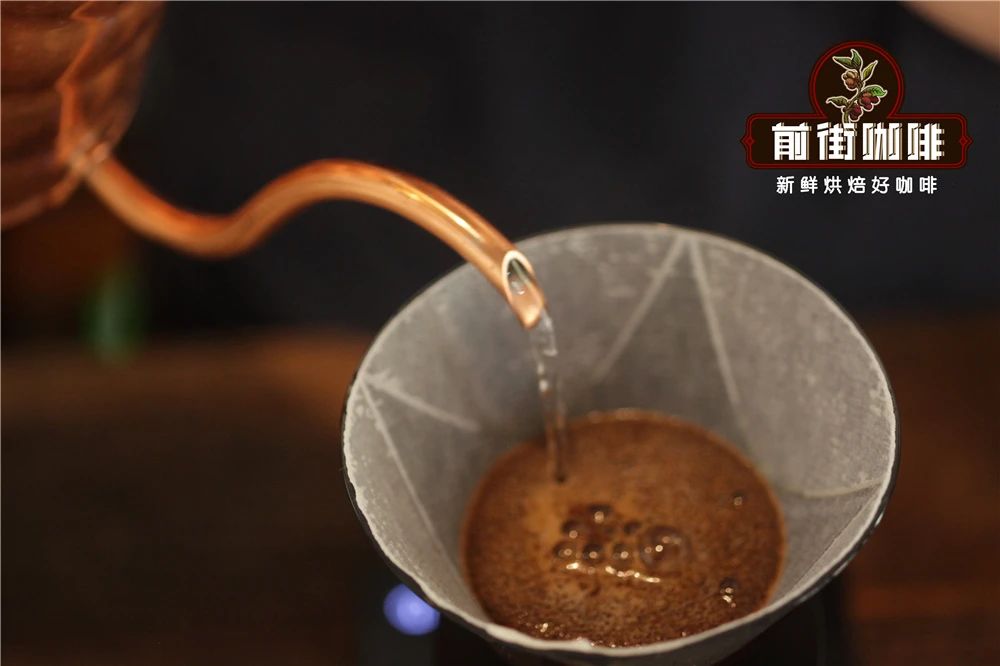
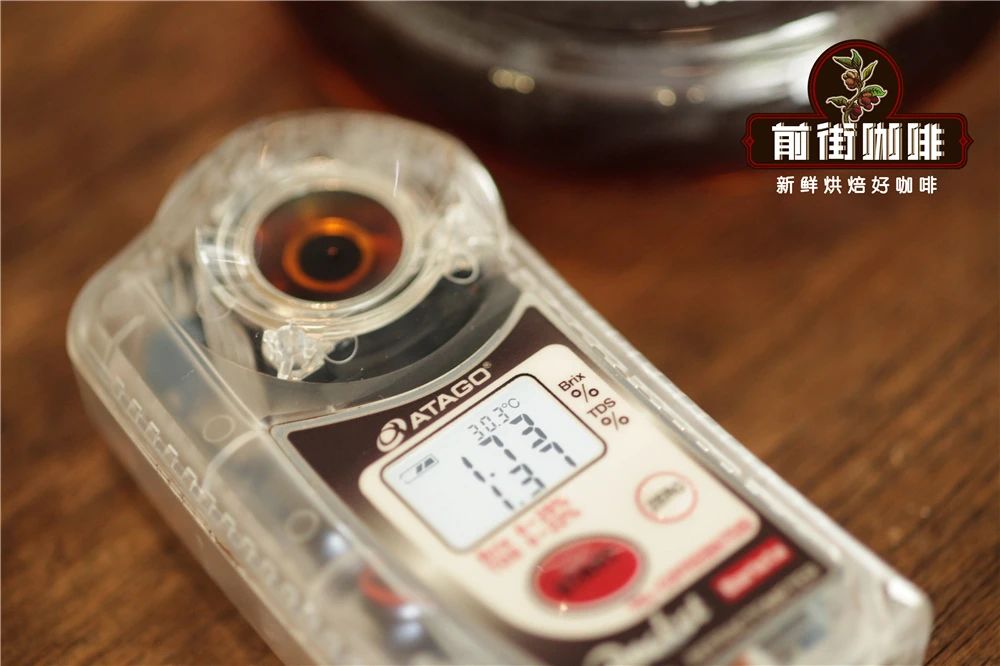
Measured concentration: 1.37%, with an extraction yield of 18.06% — the bloom clearly improved extraction efficiency. The cup was just as clean, with the berries' sweetness fully expressed. Very satisfying overall.
Three-Stage Method
Wet the filter paper, add 15g of coffee, bloom with 30g of water for 30 seconds, then pour in circles from the center outward to 125g. When the liquid level nearly exposed the bed, pour the final stage in circles up to 225g. Extraction ended when everything had drained, at a total time of 2:32.
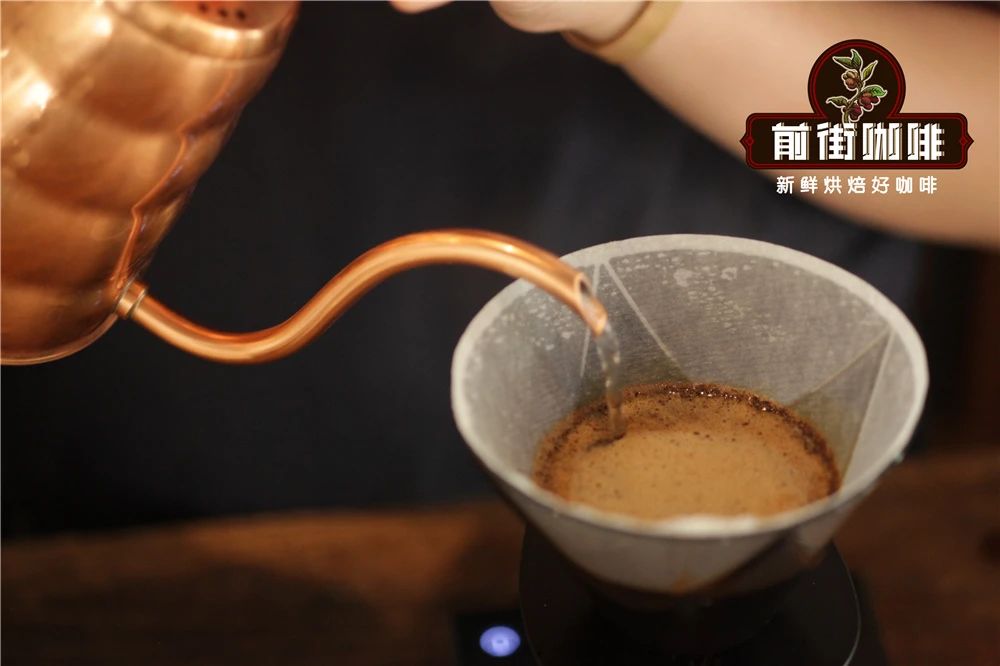
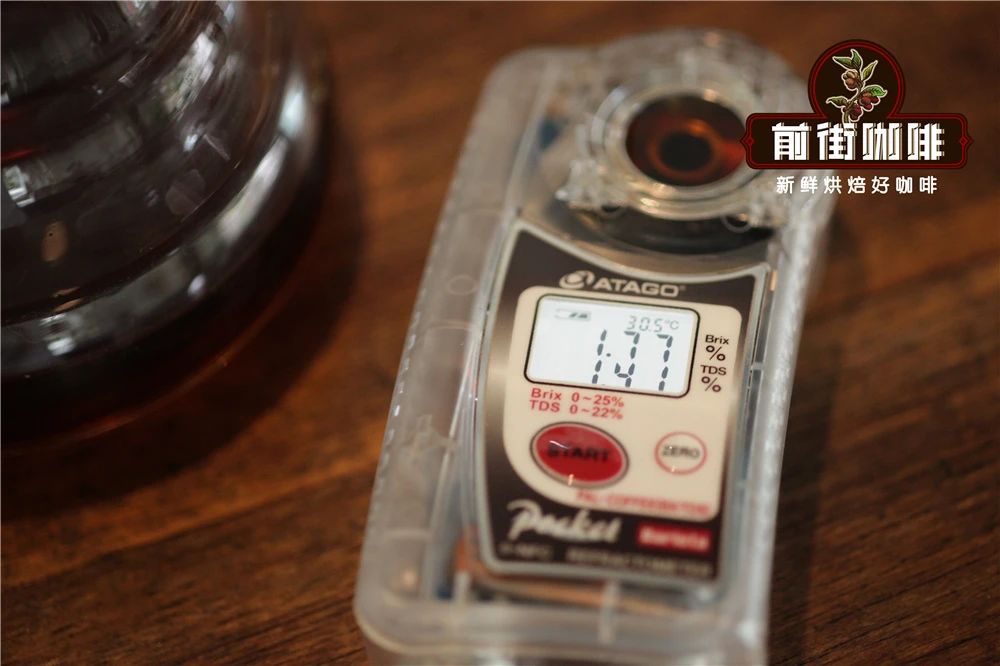
Measured concentration: 1.41%, with an extraction yield of 18.59%. On tasting, this cup showed the richest layering — berry, citrus, and floral notes all fully expressed — while keeping a clean, smooth mouthfeel.
Comparison with the Kono Dripper
At first sight, this dripper immediately reminded us of the Kono: both share simple flow ribs and a snug paper fit. So FrontStreet Coffee pitted Kono's short-rib dripper against the MuGen, using the single-pour method on the Kono as well — we wanted to know whether Hario's no-bloom recommendation for the MuGen would transfer.
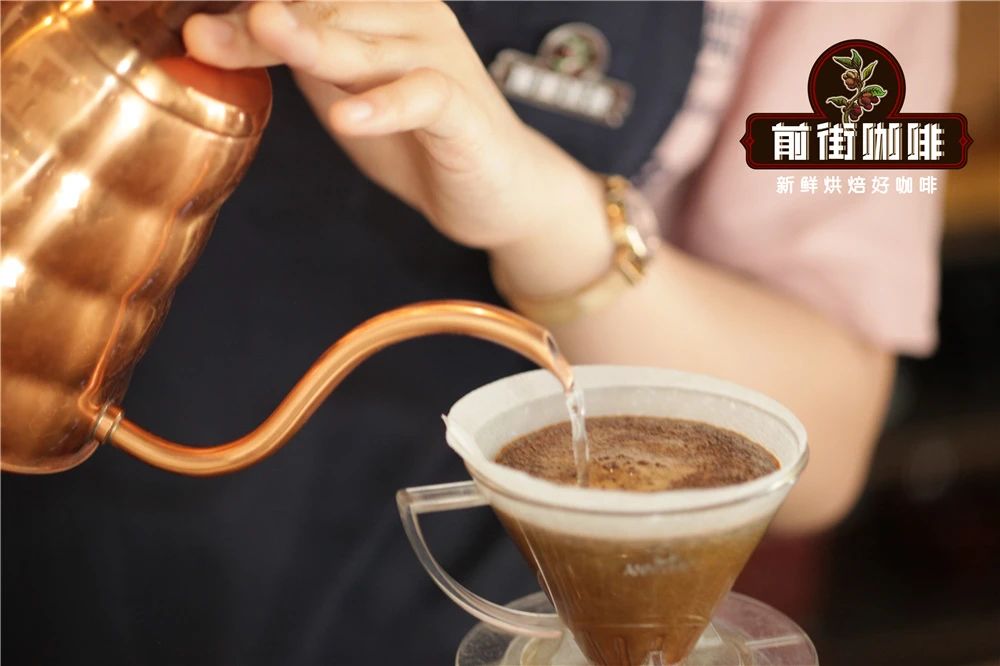
Wet the filter paper, add 15g of coffee, and pour in circles from the center outward straight to 225g. The pour took 46 seconds, and extraction finished at just 1:45 — under identical grind and method, the Kono's flow was far faster than the MuGen's, which genuinely surprised us.
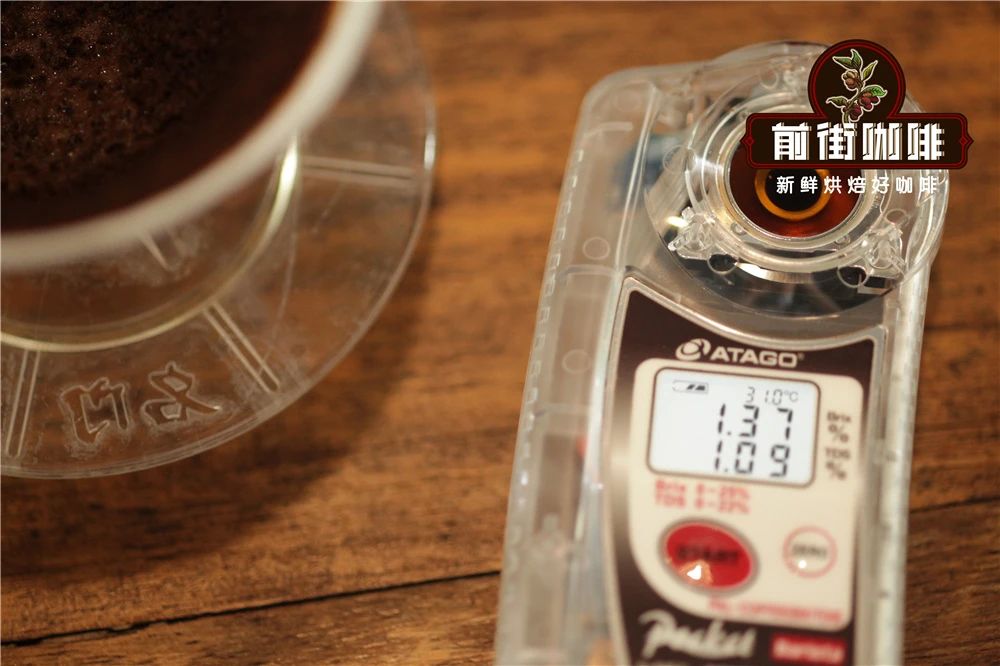
Measured concentration: 1.09%. In flavor terms there was a thin, watery note the MuGen never showed, along with some muddiness.
Comparison with the V60 Dripper
Finally, we compared it against its own ancestor, the classic V60, using the three-stage method with all other parameters held constant.
Wet the filter paper, add 15g of coffee, bloom with 30g of water for 30 seconds, pour in circles to 125g, then finish to 225g once the bed is about to be exposed. Extraction ended at exactly 2:00 — the V60 ran nearly 30 seconds faster than the MuGen overall, with almost no difference in pour time.
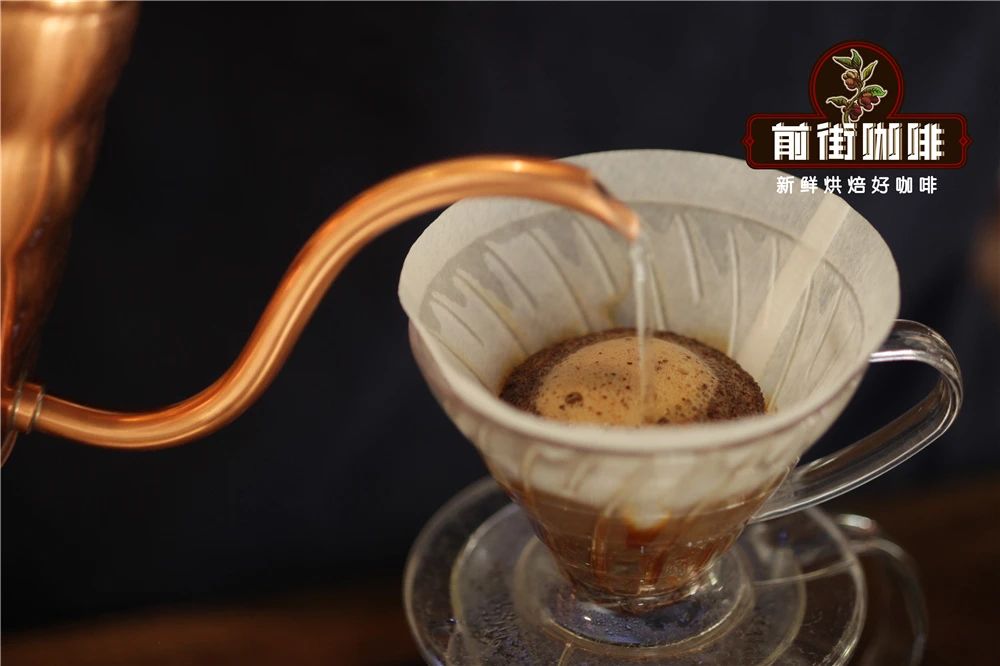
In this three-stage face-off, the V60 expressed richer, more prominent flavors and clearer aromatics, while the MuGen offered a fuller mouthfeel. But it's clear the MuGen has no real advantage if you insist on a three-stage brew.
The Character of the Cross-Star MuGen
Reflecting on these comparisons, the MuGen's most obvious trait is its long, steeping-style extraction — and it is hard to over-extract. It excels at even extraction and is very forgiving for beginners who haven't yet mastered pour control (high fault tolerance). Most remarkably, even at a low 15.66% extraction yield it showed none of the negative flavors of under-extraction (though the positives were muted too). Our brews were experimental, but Hario's recommended no-bloom single-pour method does work — just grind a touch finer to pull out more flavor.
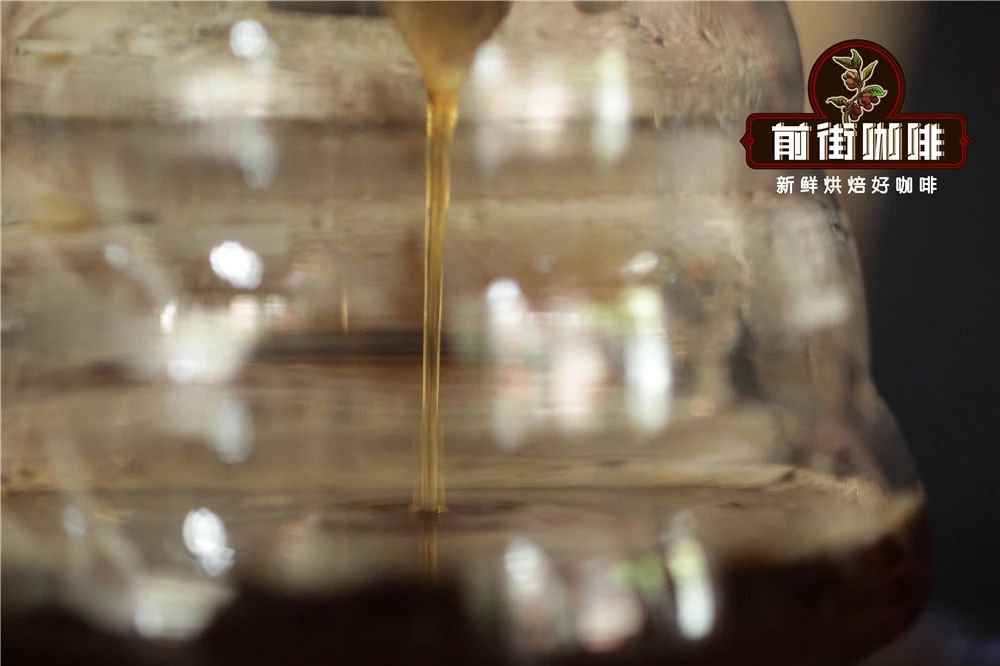
All in all, this is a highly forgiving dripper — an excellent choice for anyone who wants to enjoy a delicious pour-over without fuss.
FrontStreet Coffee Recommendation
A forgiving dripper deserves forgiving beans. FrontStreet Coffee's washed Yirgacheffe house coffee is the classic partner for the V60 and its cousins: white jasmine florals, bright citrus and lemon acidity, and a clean tea-like finish at an everyday price. For bolder fruit, the Ethiopia Huakui (natural process) bursts with strawberry, passion fruit, and jackfruit character, while the Panama Boquete Geisha offers orange blossom, oolong-tea body, and delicate layered sweetness.
With the MuGen's steeping style, keep it simple: 15g of coffee at a medium-fine grind, 1:15 ratio, water around 91°C, and a bloom-plus-single-pour for clean sweetness — or grind slightly finer and follow Hario's no-bloom single pour.
Important Notice :
FrontStreet Coffee is a long-established specialty coffee roaster in Guangzhou China, selling freshly roasted beans from its own farm in Yunnan as well as dozens of carefully selected single-origin beans from around the world for both pour-over and espresso. The products deliver consistently excellent quality and great value, with shipping within 24 hours. Guangzhou's FrontStreet Coffee shop is recommended by many coffee lovers, and the beans are now available online at the Tmall 。
FrontStreet Coffee has moved to a new address:
FrontStreet Coffee Address: 315,Donghua East Road,GuangZhou
Tel:020 38364473
 Scan and follow the En Gafei WeChat official account. Please indicate that the reprint comes from "En Gafei".