Is Coffee Flavor the Same as the Aroma of Ground Coffee Beans? How to Describe Coffee Taste
Introduction
A customer recently asked one of FrontStreet Coffee's baristas: "Is coffee flavor the same thing as coffee aroma? Why can't I smell the notes on the bag?" We have previously written about how to sharpen your judgment of coffee taste; this article builds on that, breaking down what coffee flavor is actually made of and how we should describe it when tasting a cup.
Coffee Flavor = Volatile Aroma + Water-Soluble Taste + Mouthfeel
Volatile Compounds — Aroma
What you smell immediately after grinding is the coffee's volatile aroma. These compounds make themselves known in sequence, ordered by molecular weight. Light-molecular-weight aromas appear first - jasmine, ginger flower, citrus, strawberry. Medium-weight aromas follow: hazelnut, almond, dark chocolate, milk chocolate. Finally come the heavy-molecular-weight aromas, such as scorched or resinous notes, which generally only appear in dark-roasted coffee.
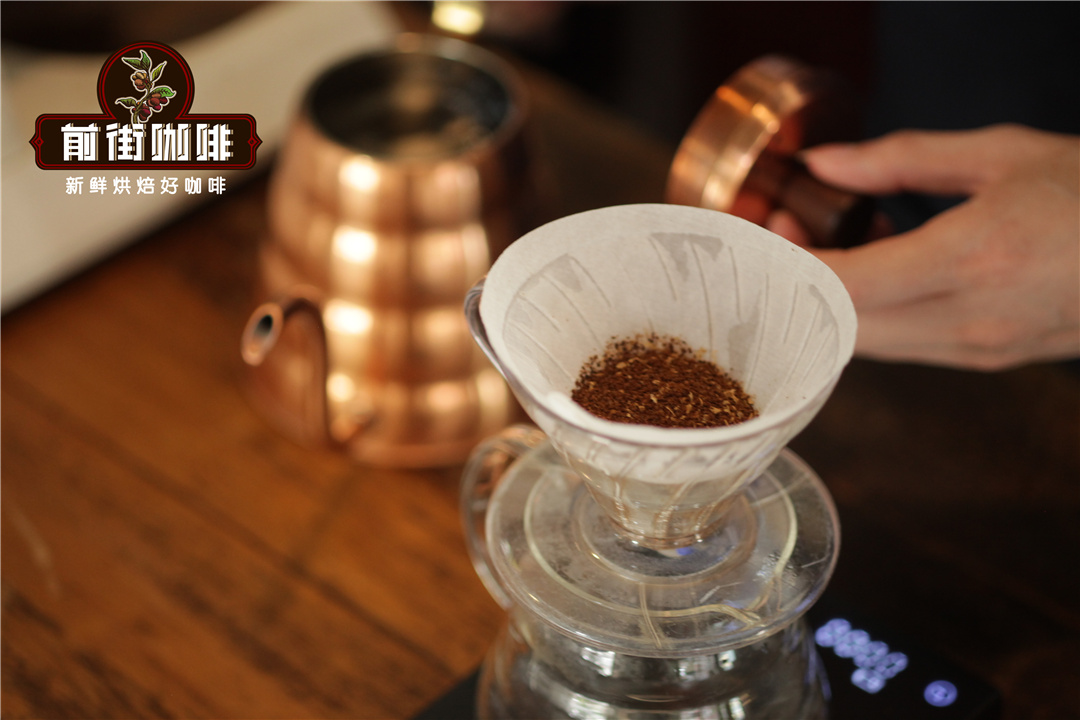
Because the light aromas dissipate first, it pays to play with distance when you sniff the dry fragrance: moving your nose closer to and slightly further from the grounds (not too far) reveals how the dry aroma shifts as the lighter molecules fade.
The dry aroma described above comes from compounds that volatilize at room temperature. Others need heat, and we call those the wet aroma. When hot water meets the grounds, the dry aroma has already flashed off, while some aroma compounds dissolved in the liquid escape with the steam - which is exactly why the wet aroma smells different from the dry one.
Water-Soluble Compounds — Taste
What your tongue actually tastes are the water-soluble substances: sourness, sweetness, bitterness, and saltiness. Those four are the only signals taste buds send to the brain. Anything that reminds you of a specific food is not taste at all.
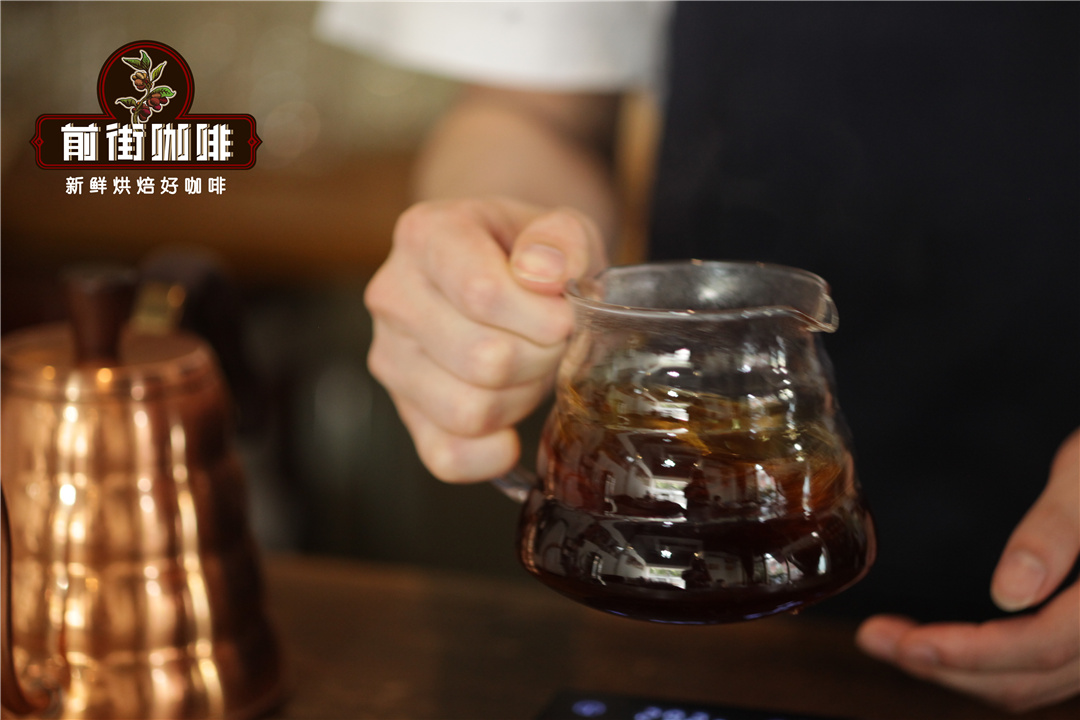
Many people assume the citrus acidity and honeyed sweetness they notice in the mouth are being tasted directly. In fact, once coffee enters the mouth and saliva gets to work, the aroma molecules held in the coffee oils are released and travel up the retronasal passage into the nasal cavity. Your sense of smell picks these up, the brain matches them against remembered flavors, and only then does it tell you: citrus, or honey.
Oral Sensation — Mouthfeel
Mouthfeel descriptions mostly come down to two things: body and astringency.
"Body" should not be confused with "strength." Strength is set by the proportion of dissolved solids in the cup and belongs to taste perception; body is the tactile impression of the oils and insoluble fibers suspended in the coffee. Body shifts with roast level: the lighter the roast, the less oil and the lighter the mouthfeel; the darker the roast, the more oil, the smoother and more coating the cup.
Astringency is the opposite of smoothness - a rough, drying sensation in the mouth. It comes mainly from chlorogenic acids whose degradation during roasting produces harsh tactile compounds; the quality of the green beans largely determines how much chlorogenic acid is present, and roasting too light easily leaves a green, astringent edge. Small amounts of tartaric acid in coffee can also contribute astringency.
Describing Coffee Flavor = Dry and Wet Aroma + Sour, Sweet, Bitter, Salty + Body and Astringency
Take FrontStreet Coffee's Brazil Queen Estate beans as an example. Right after grinding, the dry aroma is dark chocolate. Pour water at 88°C and the wet aroma of roasted nuts follows. On the first sip there is a slight acidity, then bitterness giving way to a sweet aftertaste; as the aromas rise into the nasal cavity you pick up fermented fruit, roasted peanuts, and the fresh scent of raw sugar. Across the tongue the coffee is creamy and smooth, filling the whole mouth.
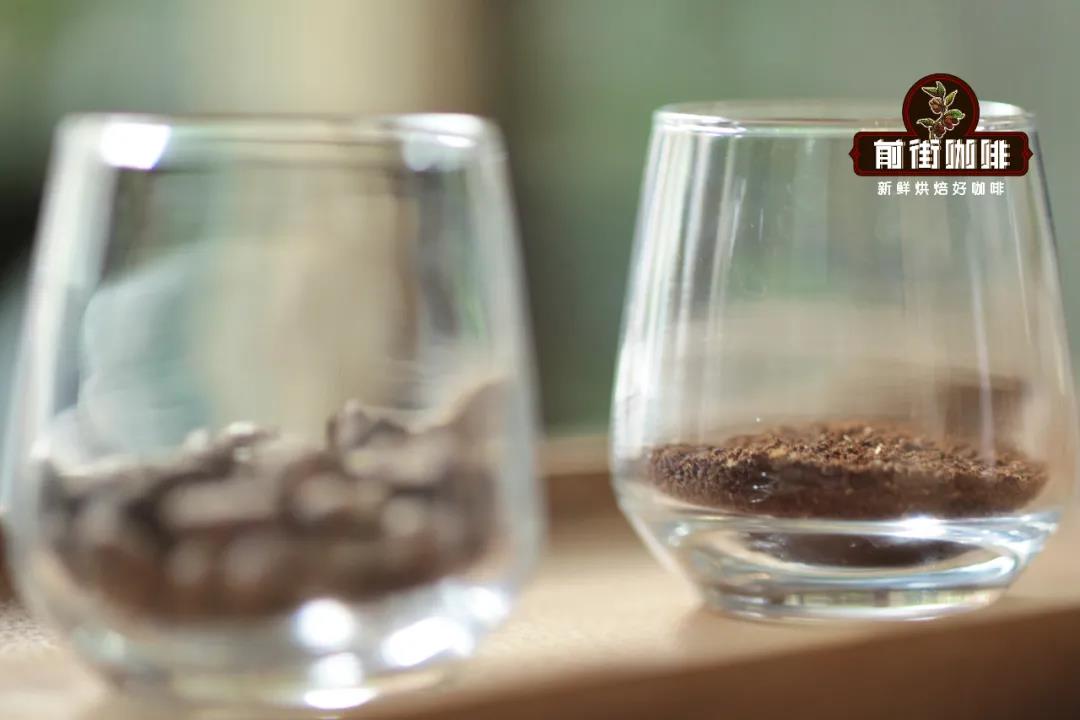
After "identifying" the cup through smell and taste, FrontStreet Coffee's baristas distill all of those impressions into a short list - which is how the final flavor notes for the Brazil Queen Estate beans were written: peanut cream, raw sugar, dark chocolate, fermented fruit.
FrontStreet Coffee Recommendation
In roasting, three elements decide a coffee's final flavor: acidity, sweetness, and bitterness. The darker the roast, the more bitter and full-bodied the cup; the lighter the roast, the more acidic and delicate. If you are after balance, medium-roasted beans are the place to start.
FrontStreet Coffee Brazil Queen Estate
If you dislike both sourness and harsh bitterness, go for FrontStreet Coffee's Queen Estate, grown in Brazil, the world's largest coffee-producing country. This distinctive Yellow Bourbon is quietly sweet after a medium roast, with cream-and-peanut, chocolate, toast, and sugarcane aromatics - and it is the very bean we used to demonstrate flavor description above. It brews beautifully as a pour-over and is equally at home in a Moka pot or espresso machine.
FrontStreet Coffee Strawberry Candy Geisha Blend
For a sweeter medium roast, try FrontStreet Coffee's Strawberry Candy, a blend built around fruit character. It combines a honey-processed coffee from Costa Rica with a washed Geisha from Panama, then roasts them medium to showcase the best of both: orange-blossom fragrance, honeyed depth, and a rounded sweetness. It suits cold brew, pour-over, and espresso alike.
FrontStreet Coffee 2013 Sun-Dried Typica
A flagship of Chinese specialty coffee, FrontStreet Coffee's 2013 Sun-Dried Typica carries the authentic character of Yunnan arabica. Roasted medium to preserve its balanced, gentle profile, it offers soft notes of nuts, brown sugar, black tea, and dried apricot, and it works for pour-over, cold brew, or a drip machine at a very friendly price.
FrontStreet Coffee Jamaica Blue Mountain No.1
The variety planted in Jamaica's Blue Mountains is Typica, one of the world's great arabicas, and the region's exceptional geography underpins Blue Mountain's famous balance. FrontStreet Coffee's Blue Mountain No.1 is roasted medium so its acidity, bitterness, sweetness, and body fuse into one elegant cup - chocolate, roasted nuts, cream, and caramel from the first sip, a combination no other coffee can quite match.
Important Notice :
FrontStreet Coffee is a long-established specialty coffee roaster in Guangzhou China, selling freshly roasted beans from its own farm in Yunnan as well as dozens of carefully selected single-origin beans from around the world for both pour-over and espresso. The products deliver consistently excellent quality and great value, with shipping within 24 hours. Guangzhou's FrontStreet Coffee shop is recommended by many coffee lovers, and the beans are now available online at the Tmall 。
FrontStreet Coffee has moved to a new address:
FrontStreet Coffee Address: 315,Donghua East Road,GuangZhou
Tel:020 38364473
 Scan and follow the En Gafei WeChat official account. Please indicate that the reprint comes from "En Gafei".