Colombian Coffee What Impact Will Global Climate Change Have on the Colombian Coffee Industry
Climate Change Impact on Colombian Coffee Production
According to a new study on Colombia, if current conditions and practices continue unchanged, Arabica coffee growing areas will undergo significant shifts by mid-century due to global climate warming.
Published last month in the journal Agricultural Systems by researchers from the University of Illinois, the study drew on six years of climate and coffee production data up to 2013, analyzing how temperature and precipitation affect yields across 521 coffee-producing regions in Colombia.
The researchers also forecast and modeled the climate for 2042-2061 to predict where Colombia's coffee-producing areas will sit and what yields to expect.
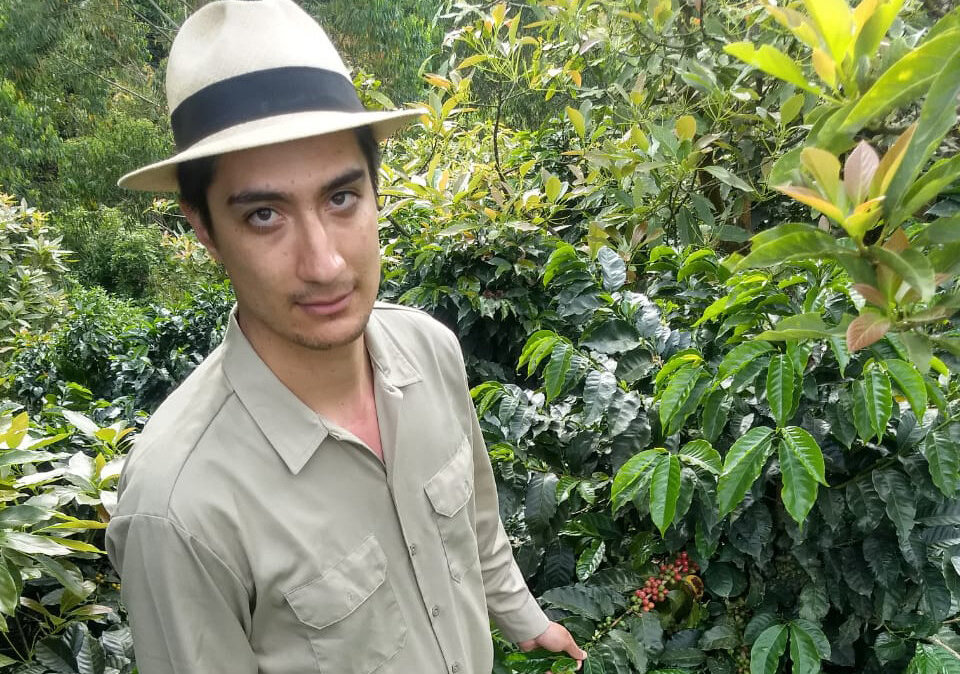
"Overall, the data shows that Colombia's coffee will not experience a yield reduction," said Federico Ceballos-Sierra, the study's first author, who owns a coffee farm in the Tolima region. "However, when we look more deeply at the impacts on these producing regions, we can see that many differences are overlooked at the national level. Those details have very important implications for the coffee growers living in different regions."
Comparative Research and Industry Implications
The Colombian study was published just days after a similar forecast study on Ethiopia's coffee industry. Both follow a frequently cited landmark 2015 study commissioned by the nonprofit World Coffee Research, which took a broader view of how different climate zones might reshape coffee cultivation in the coming years.
They share a common warning: if climate and production models proceed as expected, the consequences for some existing cooperatives, and even entire growing regions, could be alarming.
By the researchers' estimates, by 2061 rising temperatures caused by global warming will give high-altitude areas more favorable growing conditions, and Colombia's total production might increase by 7.6%. For those higher-altitude areas, however, the impact of warming on their own yields may be minimal.
Challenges and Adaptation Requirements
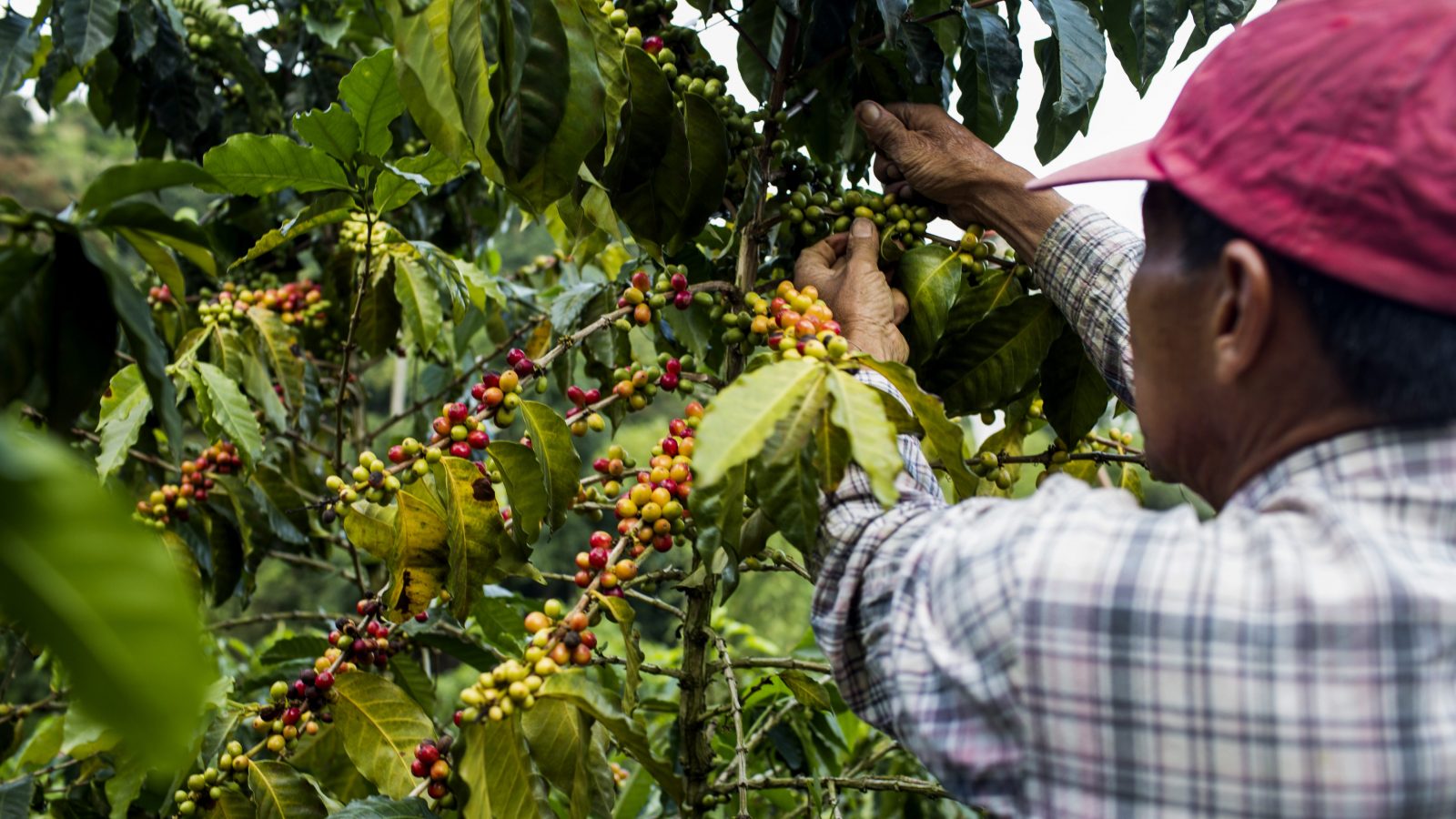
Achieving that projected growth would require further investment in infrastructure, not to mention enabling coffee farmers to migrate as the climate shifts, a tall order for the country's 550,000 coffee farm owners.
The researchers found that for some of the 521 producing regions, sustaining Arabica production will require policies adapted to climate change.
"Considering current conditions and regulations, our study presents what will happen 20 to 40 years from now. Future research can start from different adaptation strategies and their costs, and evaluate to find the best options. Without adjustments, the prospects for this industry 40 years from our focus might be even dimmer."
Higher-altitude areas will not be able to push production further uphill, because no mountain in Colombia exceeds 5800 meters (18,000 feet), as co-author Sandy Dall'Erba, a professor at the University of Illinois, noted.
Research Publication and Additional Resources
The paper, titled "The effect of climate variability on Colombian coffee productivity: A dynamic panel model approach," can be found on ScienceDirect.
FrontStreet Coffee Recommendation
Whatever the climate holds for Colombia's farms, the country remains one of the most versatile origins on earth, and FrontStreet Coffee's Colombian lineup shows why. The washed Huila daily-drinker comes from Colombia's most famous specialty region, a hilly land of mountains above 1500 meters where the country's most important rivers converge to bring abundant water and moisture. Roasted medium-dark, it highlights the bittersweet fragrance of dark chocolate and nuts with a moderate crema and full body, making it equally at home in a pour-over, French press, moka pot, or espresso machine.
For a glimpse of how Colombian growers are innovating, try the FrontStreet Boundary (Fenjexian) Estate Sidra, made with anaerobic natural processing: fermented in a sealed, low-oxygen stainless tank, the coffee converts into rich tropical fruit aromatics, and at a medium-light roast it brews up passion fruit, grape, apricot, and dried-fruit complexity in pour-over, cold brew, drip bags, or a moka pot. And for home espresso, the FrontStreet Premium Blend combines Brazil's creamy nuttiness with Colombia's dark chocolate bitterness, pulling a fine golden crema that makes a silky, beginner-friendly latte and a solid base for Americano, cappuccino, and mocha.
Important Notice :
FrontStreet Coffee is a long-established specialty coffee roaster in Guangzhou China, selling freshly roasted beans from its own farm in Yunnan as well as dozens of carefully selected single-origin beans from around the world for both pour-over and espresso. The products deliver consistently excellent quality and great value, with shipping within 24 hours. Guangzhou's FrontStreet Coffee shop is recommended by many coffee lovers, and the beans are now available online at the Tmall 。
FrontStreet Coffee has moved to a new address:
FrontStreet Coffee Address: 315,Donghua East Road,GuangZhou
Tel:020 38364473
 Scan and follow the En Gafei WeChat official account. Please indicate that the reprint comes from "En Gafei".