Why Does Coffee Bloom Not Form a Dome During Pour-Over? What to Do When Coffee Grounds Don't Expand?
Introduction
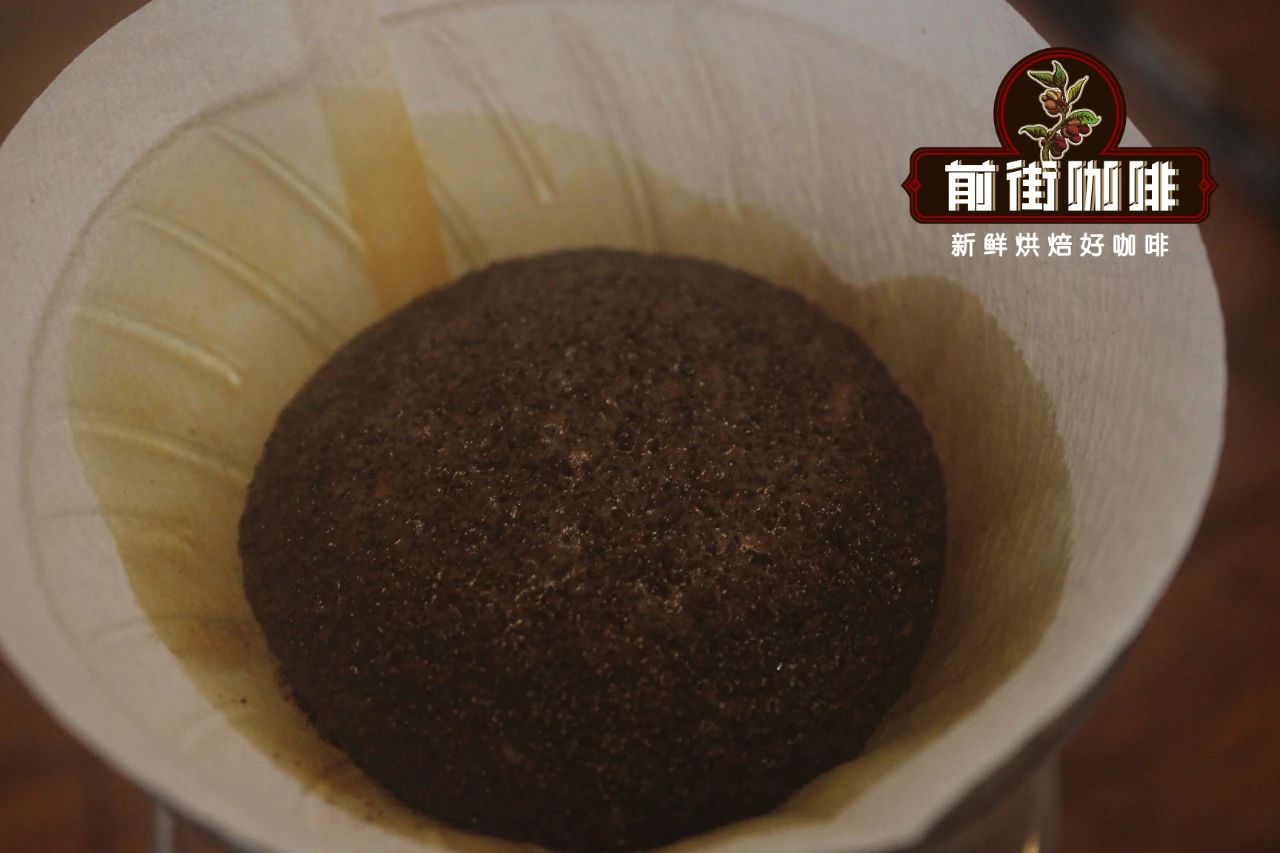
When hot water hits dry coffee grounds, the bed puffs up into a large "burger," and it is a satisfying sight. But sometimes, after you start pouring, the coffee never forms that burger at all. What is going on?
Reason 1: The Coffee Beans Are Not Fresh
During the initial bloom, coffee expands because the beans still hold carbon dioxide from roasting - gas that bursts out when it meets water. Beans keep releasing gas after roasting, though, and once the gas is nearly spent they will no longer puff into a burger when water hits them. The amount of gas in the beans is a direct indicator of their freshness, which is why FrontStreet Coffee judges freshness by how much the bed expands during the bloom.
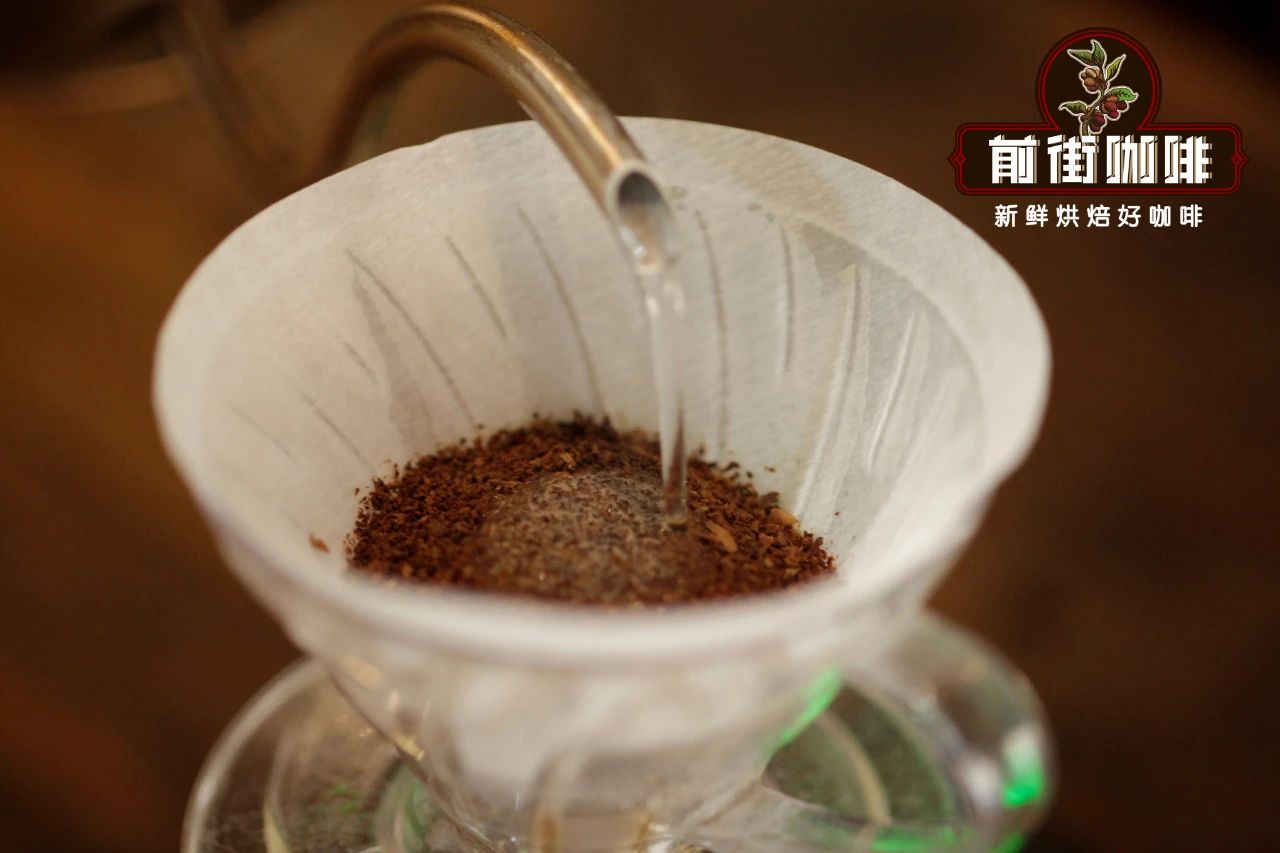
As for why the optimal tasting window for fresh beans is about one month: the carbon dioxide release process for most beans finishes around the 30-day mark. That is not absolute, though - some beans release gas for longer, which also depends on how they are stored. Using the degree of burger expansion during the bloom to confirm freshness is therefore a scientific and practical method.
Reason 2: The Coffee Grounds Are Too Coarse
The coarseness of the grounds also affects how the coffee expands. Coarsely ground coffee forms larger particles that take longer to become fully saturated with water, so gas release is weaker, the expansion is smaller, and the center of the burger may even collapse. This happens when the grind is too coarse and the bloom runs too long.
If the grind is coarser than the range suitable for pour-over, water will flow down into the lower vessel by gravity before extraction is complete, and no expansion will occur at all.
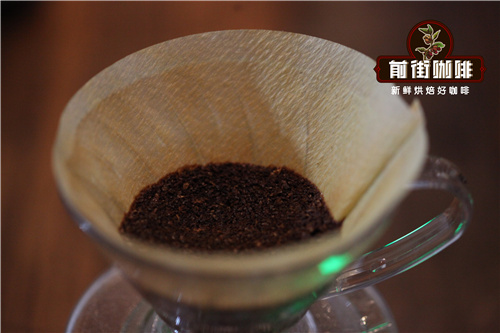
Choosing the right grind size is therefore very important. FrontStreet Coffee calibrates its grind with a 0.85 mm aperture sieve, selecting a grind size that passes at an 80% rate for pour-over coffee.
Reason 3: The Water Temperature Is Too Low
Water is the main medium of extraction. The hotter it is, the more active its molecules become and the more efficiently it penetrates the grounds; the cooler it is, the more stable the molecules and the slower the penetration. Blooming with cool water therefore releases gas slowly and makes a burger hard to form. Through testing, FrontStreet Coffee has found that, with other parameters held steady, water at 80°C or above can still form a coffee burger - but for general brewing, FrontStreet Coffee still recommends 86-93°C.
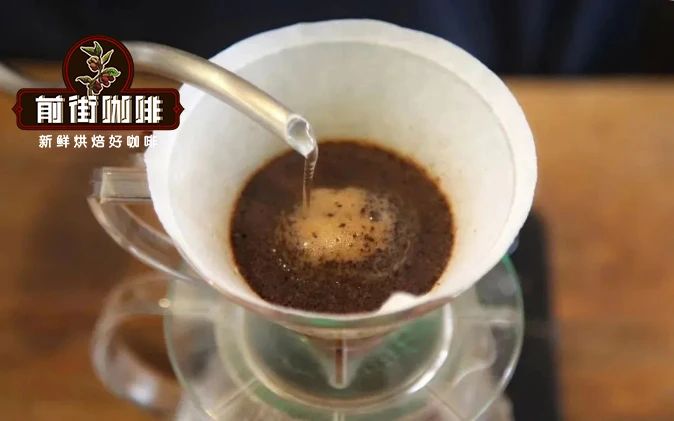
Reason 4: The Roast Level Is Light
The darker the roast, the looser the internal fiber structure, which improves both water absorption and gas release. The lighter the roast, the more complete and dense the structure, with poorer water absorption and gas release. That is why some very light-roasted coffees will not form a large burger even when they are perfectly fresh.
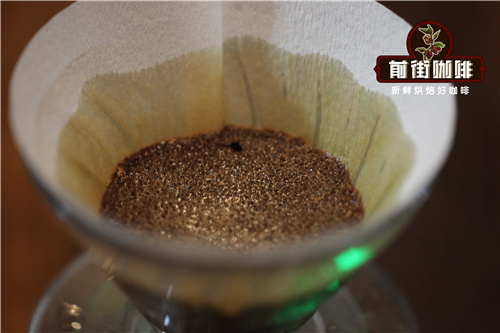
FrontStreet Coffee Recommendation
A reliable bloom starts with grinder calibration, and fresh, well-roasted beans make the difference even more obvious. FrontStreet Coffee's Ethiopia Flower Kui is roasted medium and is famous for its dense tropical fruit - strawberry, passion fruit, jackfruit and lychee - with high sweetness and very little bitterness, and it blooms readily when brewed as pour-over.
For a classic, aromatic pour-over, FrontStreet Coffee's Yirgacheffe Gidding Cooperative is an excellent benchmark: washed processing, a light-medium roast, and clear notes of jasmine, citrus and green tea that reward a careful bloom and a controlled pour.
Important Notice :
FrontStreet Coffee is a long-established specialty coffee roaster in Guangzhou China, selling freshly roasted beans from its own farm in Yunnan as well as dozens of carefully selected single-origin beans from around the world for both pour-over and espresso. The products deliver consistently excellent quality and great value, with shipping within 24 hours. Guangzhou's FrontStreet Coffee shop is recommended by many coffee lovers, and the beans are now available online at the Tmall 。
FrontStreet Coffee has moved to a new address:
FrontStreet Coffee Address: 315,Donghua East Road,GuangZhou
Tel:020 38364473
 Scan and follow the En Gafei WeChat official account. Please indicate that the reprint comes from "En Gafei".