How to Adjust Pour-Over Coffee Brewing Techniques: The Right Way to Adjust Coffee - Basic Coffee Knowledge
How Different Coffee Factors Shape Flavor
Within the coffee industry there is a saying that a delicious cup of coffee consists of: 40% coffee variety, cultivation, and processing techniques; 30% coffee roasting quality; 20% brewing equipment and water quality; and the remaining 10% is brewing knowledge and technical skill.
The saying implies that across the chain from variety selection, cultivation, and processing through roasting to brewing, the earlier stages exert ever-greater influence on coffee flavor - while brewing, the final stage, has comparatively little effect on the flavor profile.
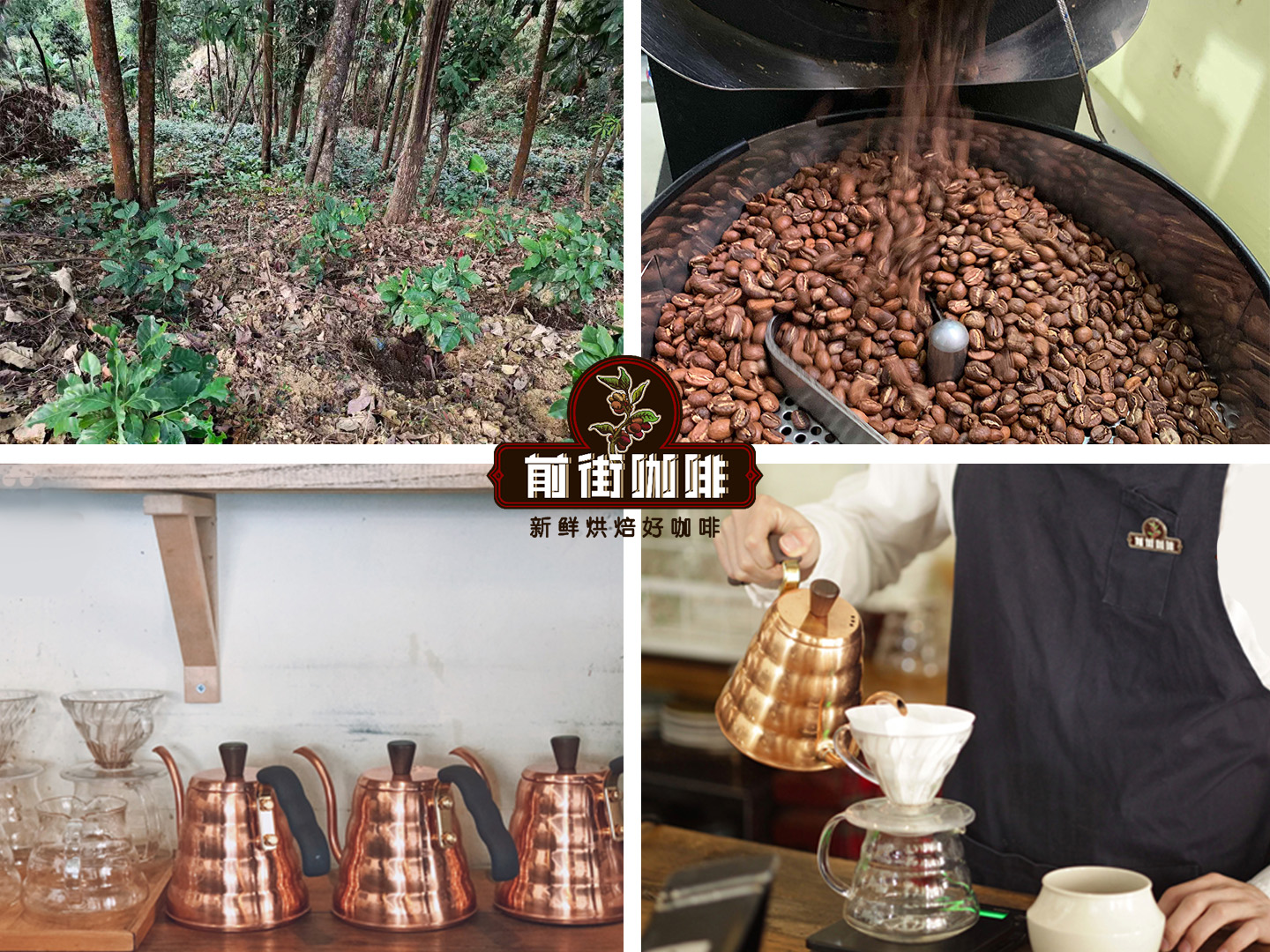
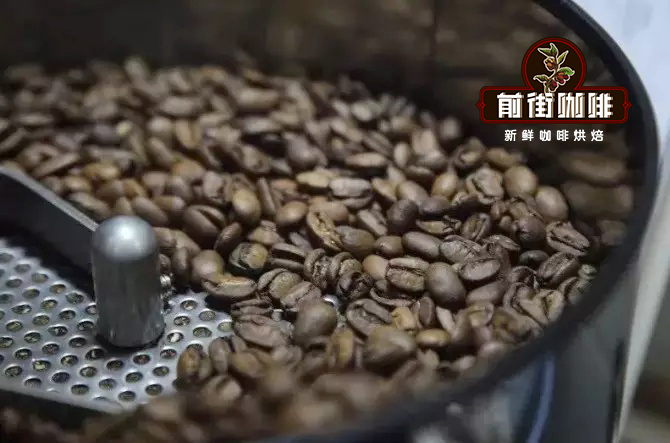
That does not mean the 10% attributed to brewing knowledge and skill is unimportant. Variety selection and cultivation directly determine the lower limit of a coffee's quality: good varieties, growing environments, and processing methods set a high flavor floor. Roasting then sets the flavor direction - light roasts with citrus and floral notes, medium roasts with high sweetness and good balance, or dark roasts with rich nutty and dark chocolate character. None of these directions can be altered by brewing.
What Can Brewing Actually Change?
Brewing cannot miraculously turn a light roast with citrus and florals into a rich, nutty, dark-chocolate cup, nor can it make Catimor taste like Geisha. But with enough brewing knowledge and skill, you can let the coffee's inherent qualities - set by the other 90% of factors - express themselves fully and reach their optimal flavor. You can also adjust parameters and techniques to select, within the coffee's delicious range, the flavors that suit your preferences.
Take FrontStreet Coffee's Kenya Asalia, brewed with FrontStreet's standard method: 15g of coffee, a 1:15 coffee-to-water ratio, an 80% pass-through rate on a #20 sieve, 90°C water temperature, and three-stage pouring (30g/95g/100g). This expresses its most prominent notes of dark plum, lemon, and cherry tomato brightness.
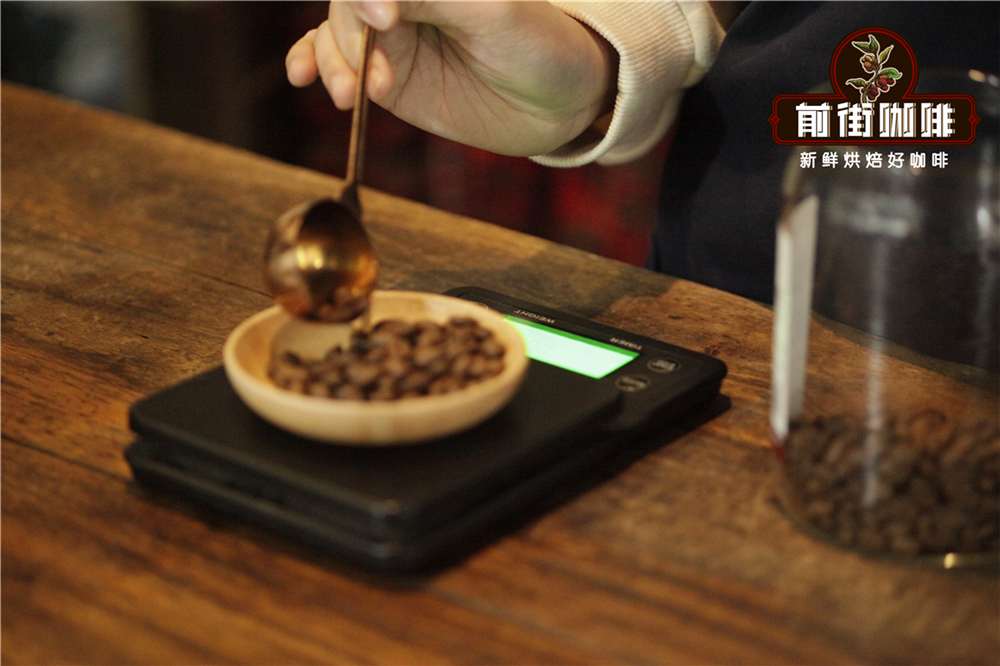
Some customers, however, prefer this coffee sweeter. FrontStreet's baristas might raise the water temperature to 91°C and change the three-stage pours to 30g/120g/75g. The higher temperature improves extraction rate, drawing more sweet and bitter compounds from the middle to late extraction stages, while increasing the middle-stage water volume concentrates the extraction of sweet substances. This adjustment spotlights the cherry tomato and honey sweetness of FrontStreet's Kenya Asalia.
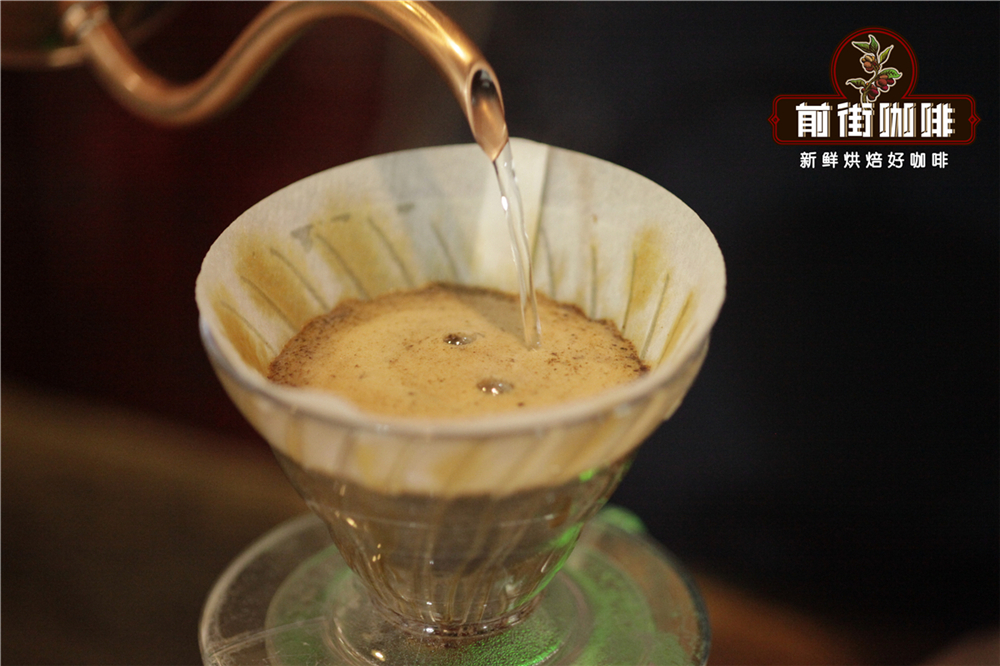
Another example is FrontStreet Coffee's Ethiopia COE #22, acquired at auction last year, renowned for rich tropical fruit and prominent sweetness. FrontStreet's standard method here uses 15g of coffee, a 1:15 ratio, an 80% pass-through rate on a #20 sieve (note: while the sieve pass-through rate is the same at 80%, the actual grind settings differ between coffees), 91°C water, and three-stage pouring (30g/95g/100g).

Customers who dislike the fermented notes and prefer a cleaner profile get an adjusted water distribution: the bloom pour is raised to 40g - more than twice the coffee's weight, thoroughly saturating the bed. The excess water lets some liquid pass into the server before all compounds are fully extracted, producing a cup with more acidic notes. The second stage then pours straight to 185g in a small, steady circular motion, making the whole cup lighter with prominent berry notes while reducing fermented character.
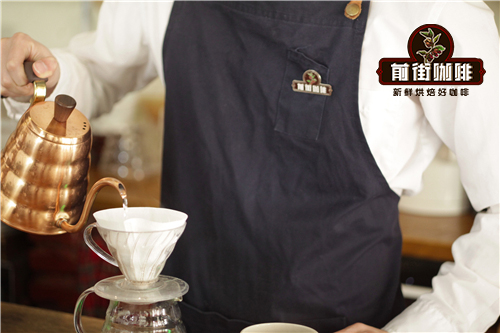
FrontStreet Coffee shares these adjustment methods not so you can memorize specific numbers, but so you understand the principles behind them. Brewing knowledge and skill may count for only 10% of a delicious cup - but it is the only portion a coffee enthusiast can actually adjust. Whether a "90%" coffee expresses 92% or 98% of its potential depends on your mastery of that remaining 10%.
FrontStreet Coffee Recommendation
Speaking of brewing adjustments, few beans reward a tuned recipe like a Geisha - and few names carry more weight. Geisha is one of the most beloved arabica varieties, conquering coffee lovers with its unique florals and superb sweet-sour character; low yields, weak disease resistance, and demanding cultivation keep its price high, so it pays to know which type offers the best value.
Panama is where Geisha made its name, and Hacienda Esmeralda is the estate behind the legend. In 2003, the estate's Geisha stunned every judge at the Best of Panama competition, averaging 94.6 points and breaking the BOP record overnight. FrontStreet Coffee offers the estate's two tiers: the Red Label (Esmeralda Special), grown at 1600-1800 meters, where every batch must cup above 90 points, carries an independent lot number, and comes entirely from a single plot such as Harrimiao; and the Green Label (Private Collection), a blend of batches from multiple plots expressing the estate's signature high-altitude Geisha flavor at a more accessible price - exceptional value. For a first taste of the fabled "Geisha profile," FrontStreet's Boquete Geisha is the entry-level pick: classic Panamanian orange-blossom honeyed sweetness, oolong-tea texture, delicate fruit acidity, and clear layering.
Ethiopia, meanwhile, is Geisha's birthplace. Geisha Village, a 475-hectare estate founded 12 miles from the Geisha forest, planted native Geisha varieties (Gori Gesha, Geisha 1931, and Illubabor Forest) selected for their closeness to the Panamanian cup; its Gold Label (Rarities, Geisha 1931, 10% of production, crafted natural) and Red Label (Growers Reserve, Gori Gesha, 15% of production, scoring 88+ on the SCA 100-point scale, fully traceable) are must-buys for advanced drinkers. For a gentler start, FrontStreet's Granana Estate Geisha from Yirgacheffe is medium-light roasted, keeping pleasant white florals while highlighting orange, guava, and citrus acidity with a clear finish.
For brewing, FrontStreet suggests a coarse grind (78% pass-through on a #20 sieve, about the size of fine granulated sugar) and 91°C water. The house recipe: 15g of coffee in a small Hario V60, a 1:16 ratio, three pours - 30g bloom for 30 seconds, then to 125g, wait for the bed to drain halfway, then to 225g - finishing in about 2:10-2:20. If you prefer Geisha as an espresso, the medium-roasted Granana works as an SOE at 20g in, a 1:2 ratio, 25 seconds, 40g out: apricot, caramel, and nuts in the shot.
Important Notice :
FrontStreet Coffee is a long-established specialty coffee roaster in Guangzhou China, selling freshly roasted beans from its own farm in Yunnan as well as dozens of carefully selected single-origin beans from around the world for both pour-over and espresso. The products deliver consistently excellent quality and great value, with shipping within 24 hours. Guangzhou's FrontStreet Coffee shop is recommended by many coffee lovers, and the beans are now available online at the Tmall 。
FrontStreet Coffee has moved to a new address:
FrontStreet Coffee Address: 315,Donghua East Road,GuangZhou
Tel:020 38364473
 Scan and follow the En Gafei WeChat official account. Please indicate that the reprint comes from "En Gafei".