How to Froth Milk for Latte Art? What Details to Pay Attention to When Frothing Milk? Latte Coffee Foam Tutorial

FrontStreet Coffee previously shared a tutorial on frothing milk, but some friends still have questions. As the saying goes, details determine success. In this barista training guide, FrontStreet Coffee will highlight the key details to pay attention to during the milk frothing process.
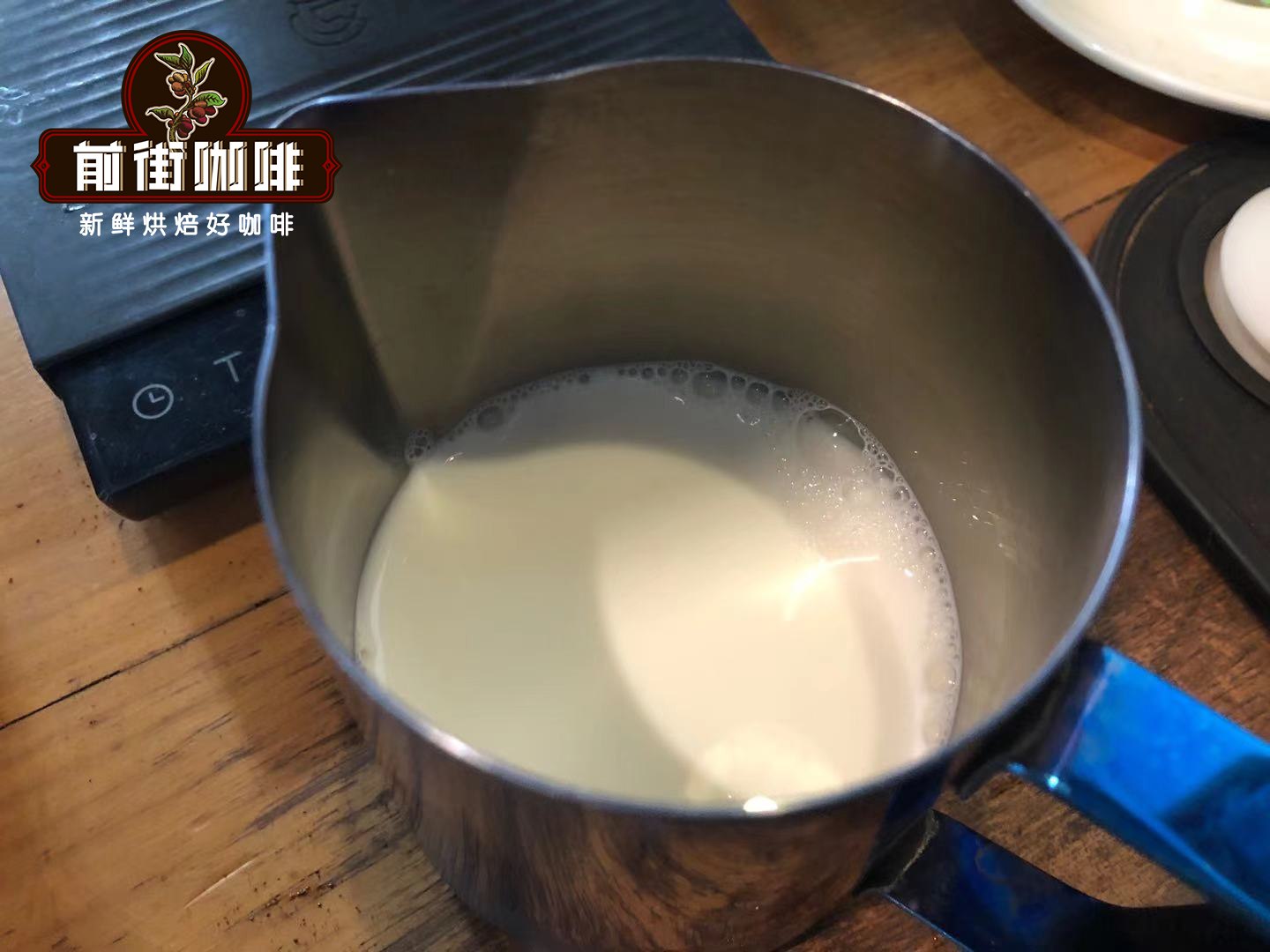
Detail 1: Chilled Milk
FrontStreet Coffee uses pasteurized fresh milk that requires refrigeration. If you are using room-temperature milk, please chill it in the refrigerator before frothing. At lower temperatures, it takes more time to heat the milk to 60°C, which means more operating time to help you create high-quality milk foam.
Detail 2: Drain Water from Steam Wand Before Frothing
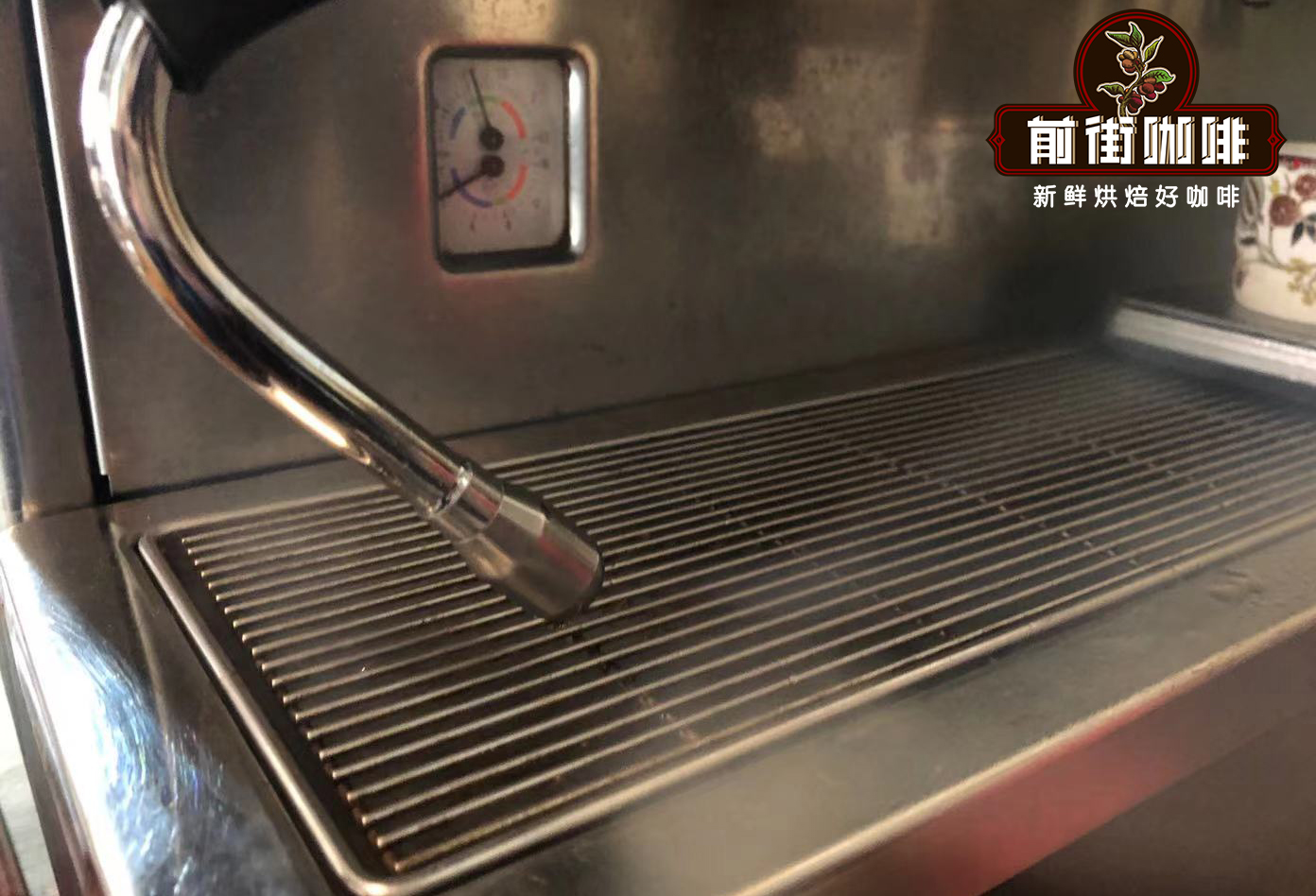
The drier the steam, the less water content it contains, resulting in denser milk foam with less water content. Therefore, the drier the steam, the better. When the steam wand has not been used for a while, steam condensation in the steam tip cools into water. If not drained beforehand, this water will be sprayed directly into the milk, affecting milk concentration and frothing difficulty. Therefore, before frothing, engage the steam button to drain the water first, which will greatly help the frothing process.
Detail 3: Angle Between Steam Wand and Liquid Surface
Previously, FrontStreet Coffee emphasized that frothing with the steam wand positioned at the 3 or 9 o'clock direction of the liquid surface is easier, but overlooked the angle between the steam wand and liquid surface. The steam wand can be adjusted back and forth to change the angle. If the steam wand is too perpendicular to the liquid surface, most steam will spray downward, making it difficult to create a milk vortex and resulting in just heating. If the angle is too large, most steam will spray parallel to the surface, creating excessive vortex and turbulence that becomes difficult to control or causes milk to overflow. FrontStreet Coffee suggests adjusting the frothing angle between 30°-45° based on the actual situation.

Detail 4: Frothing Temperature
How hot should you froth the milk? Generally, milk should be frothed to 50-60°C. If the temperature is too high, proteins will decompose, and the bubbles supported by proteins will become unstable and burst. As for mastering temperature control, you can start with a thermometer for assistance while touching the milk pitcher with your hand to feel the temperature. Over time, you will develop muscle memory.
Detail 5: Pitcher Tapping
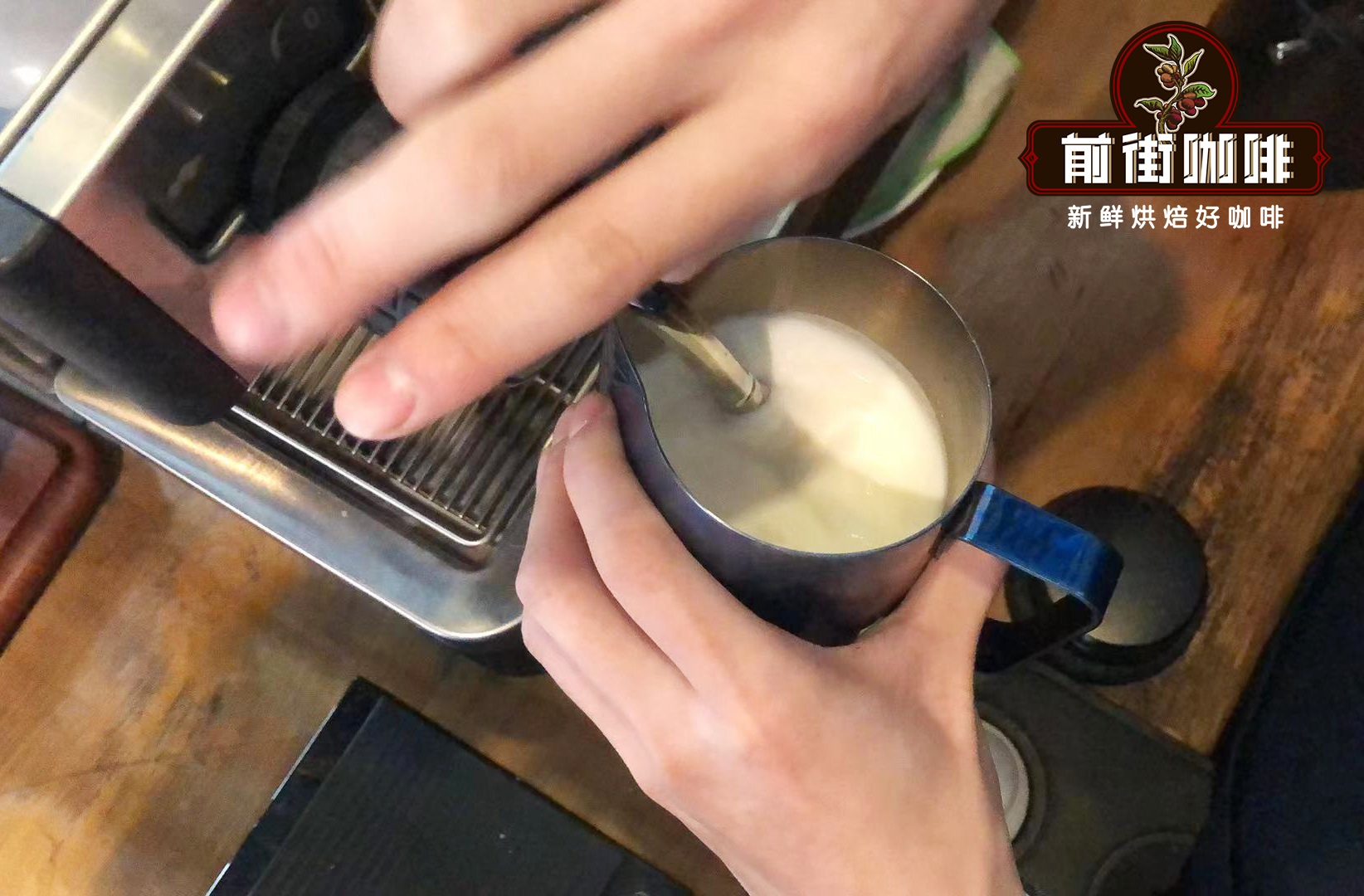
If you have carefully observed baristas frothing milk, you will notice they tap the bottom of the milk pitcher against the countertop after frothing. This is called "pitcher tapping." The purpose is to break down large, unstable bubbles, making the surface smooth and fine. However, tapping also accelerates the breakdown of fine milk foam, so continuous tapping is not recommended. Typically, 2-3 taps are performed after frothing is complete.
Detail 6: Pitcher Pouring
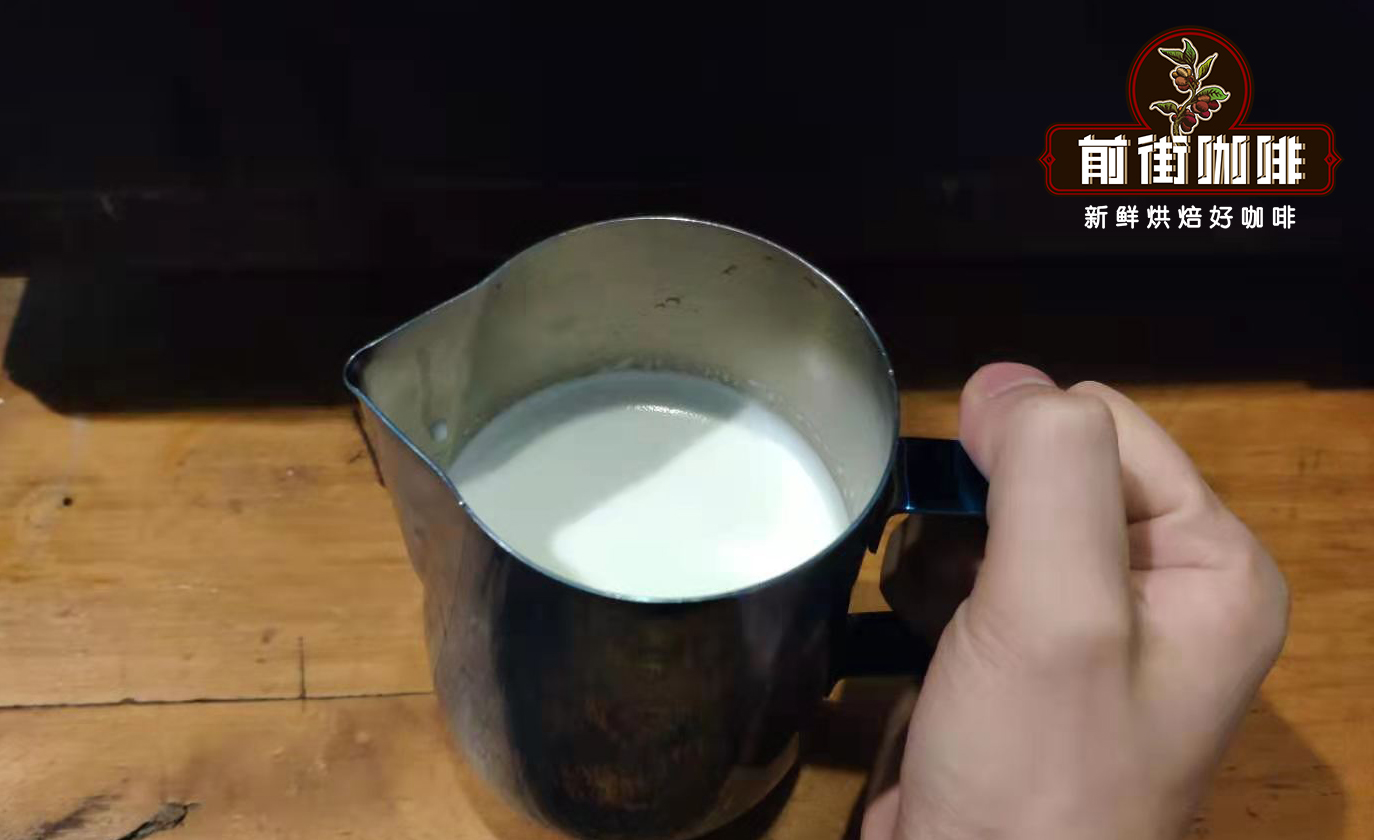
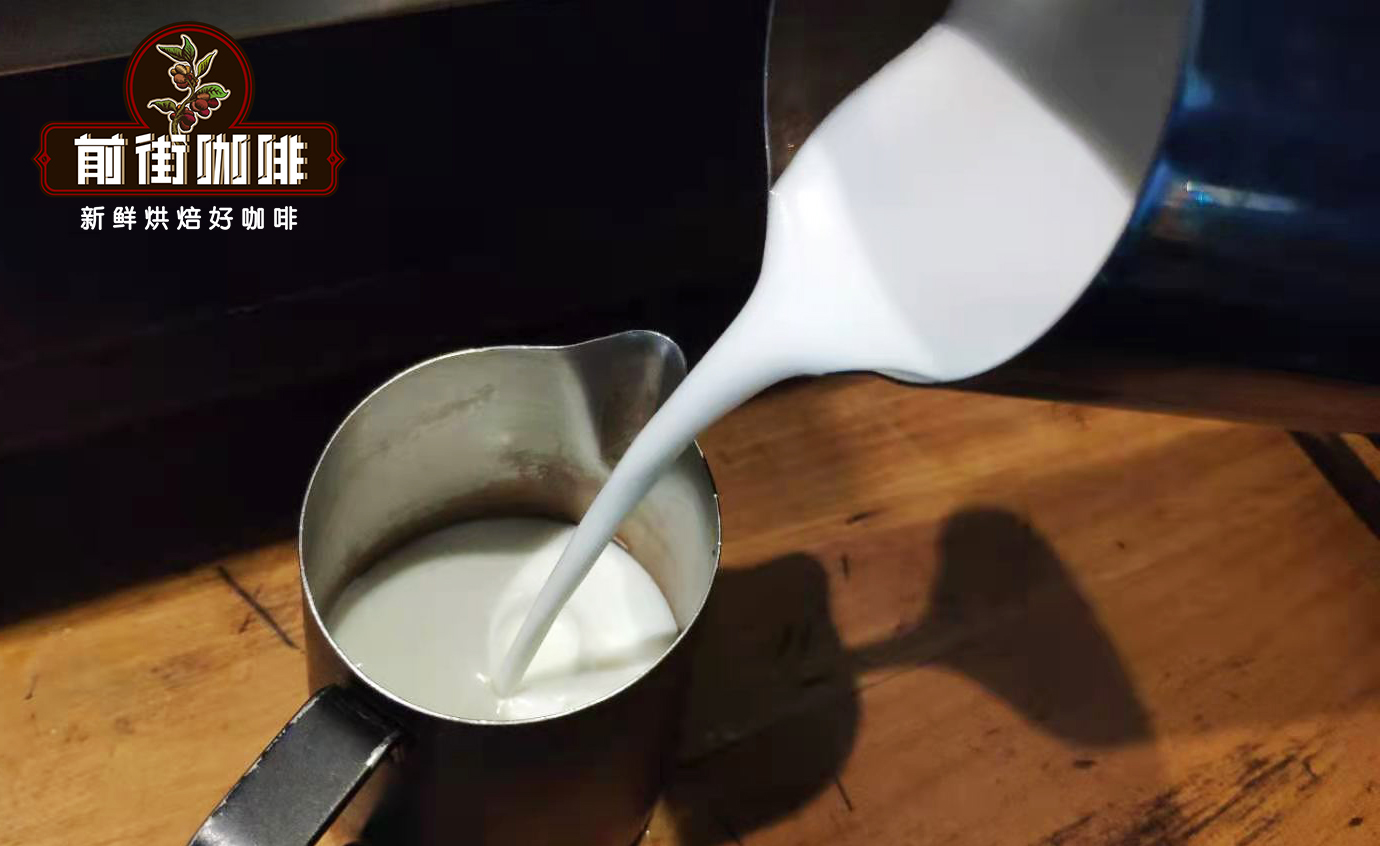
If you accidentally froth the milk too thick, reducing its fluidity, do not worry; it can still be remedied. When milk foam becomes too thick, large amounts of foam float on the surface. We can solve this through pitcher pouring (pitcher pouring promotes the fusion of milk and foam), provided your foam is still in a smooth, fine state. Prepare an additional empty milk pitcher and pour all the foam and milk into it, then pour it back. Perform swirling motions and pitcher tapping to eliminate large foam bubbles, then pour a small amount of milk and foam into the empty pitcher. Because foam is lighter and floats on the surface, the first pour will contain large amounts of foam, leaving behind milk foam with better fluidity. Like pitcher tapping, pitcher pouring should not be repeated multiple times.
FrontStreet Coffee Recommendation
Once your milk foam is fine and glossy, the bean you pair it with decides how clean the contrast and how rich the base tastes. The FrontStreet Classic Blend is designed for exactly this: a medium-dark Italian-style recipe of three origins inspired by the old "Mamba" combination of Mandheling and Brazil, with a touch of Robusta for aroma and crema, giving off clear butter, toasted bread, and caramel-biscuit aromas with a strong, solid body and stable extraction. The FrontStreet Premium Blend, also a medium-dark espresso, pairs washed Colombian coffee with pulped natural Brazilian coffee for nut, dark chocolate, and caramel notes that stay creamy, almond-sweet, and cocoa-rich in an Americano, latte, or flat white, with crema that holds up to café-standard latte art. And when you need extra contrast for pouring, the FrontStreet Commercial Blend builds on FrontStreet Coffee's Premium Blend with a little Robusta to add more dark-brown, fine crema and a heavier body, so latte art becomes noticeably easier.
Important Notice :
FrontStreet Coffee is a long-established specialty coffee roaster in Guangzhou China, selling freshly roasted beans from its own farm in Yunnan as well as dozens of carefully selected single-origin beans from around the world for both pour-over and espresso. The products deliver consistently excellent quality and great value, with shipping within 24 hours. Guangzhou's FrontStreet Coffee shop is recommended by many coffee lovers, and the beans are now available online at the Tmall 。
FrontStreet Coffee has moved to a new address:
FrontStreet Coffee Address: 315,Donghua East Road,GuangZhou
Tel:020 38364473
 Scan and follow the En Gafei WeChat official account. Please indicate that the reprint comes from "En Gafei".