Tanzanian Coffee Bean Brewing Methods Introduction Kilimanjaro Coffee Flavor Description
When people talk about African coffee, Ethiopia and Kenya tend to dominate the conversation. Between them, these two producers deliver both outstanding quality and impressive volume. Yet Tanzania, another heavyweight in East Africa, has been quietly earning a place at the table.
Tanzanian Coffee
Tanzania shares a border with Kenya and started growing coffee at roughly the same time. In 1898, Catholic missionaries brought the first coffee plants to the Kilimanjaro region, and that is where the country's coffee story begins.
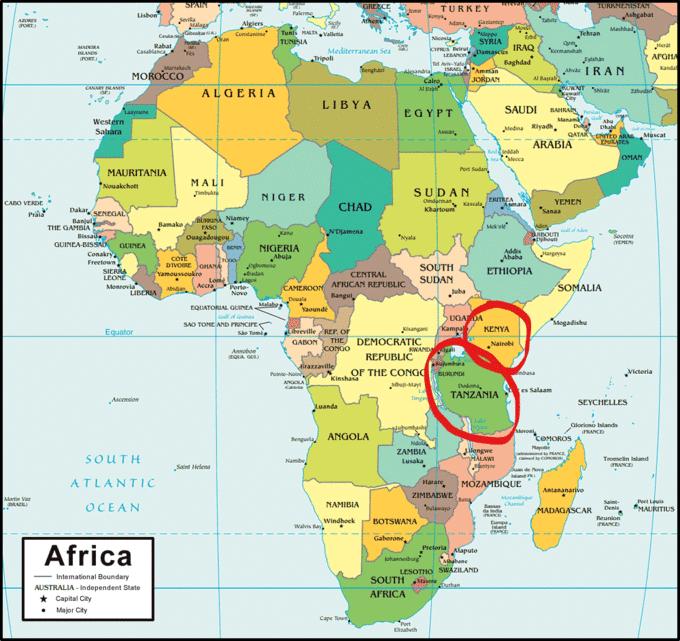
After World War I, Britain took control of Tanganyika, the territory that would become Tanzania. Under British rule, Kenya and Tanzania both pushed coffee forward, but they moved at very different speeds. Kenya established the Scott Agricultural Laboratories as early as 1922 and treated coffee as a science; Tanzania, by contrast, was still arguing over whether its land should grow food crops or cash crops.
Progress only came after Tanzania gained autonomy in 1961, when the government made coffee a priority for economic development. Even then, the results fell short of expectations. It was not until the 1990s, when a wave of reforms and regulations reshaped the coffee industry, that Tanzanian coffee finally secured its standing on the international stage.
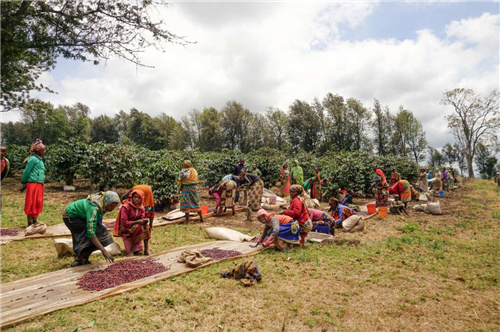
Tanzanian coffee may not enjoy the same fame as Kenyan coffee, but its production has already climbed to a level comparable with Kenya's.
Tanzanian Growing Regions
Tanzania has two main growing regions: the Southern region and the Kilimanjaro region. The Southern region lies in the south of the country, with RUVUMA and MBEYA as its key areas. It does not lead on quality today, but many international coffee buyers consider it the most promising corner of Tanzania for specialty coffee. With growing international attention and investment, the Southern region could well become the country's primary coffee-producing area.
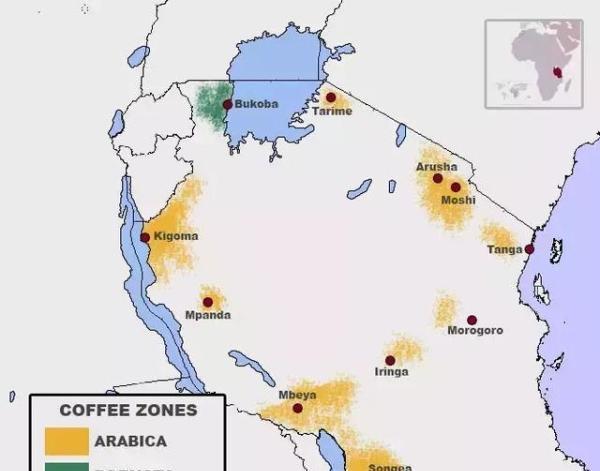
The Kilimanjaro region wraps around Mount Kilimanjaro, close to the Kenyan border, and it is Tanzania's oldest coffee-growing area. High altitude, fertile volcanic soil and pure meltwater give it ideal conditions for coffee. Beans from Kilimanjaro are often described as being on par with Kenyan coffee, and it is this region that FrontStreet Coffee sources its Tanzanian coffee from.
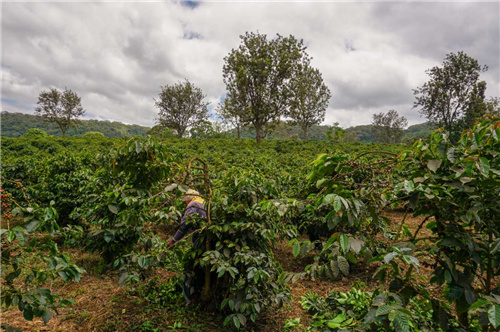
FrontStreet Coffee's Tanzanian coffee is a washed Typica. Typica is widely regarded as a high-quality variety, and Tanzania grades its beans by size much as Kenya does. FrontStreet Coffee's lot is AA grade, which means 90% of the beans are screen size 18 or larger, so the beans look large, plump and uniform.
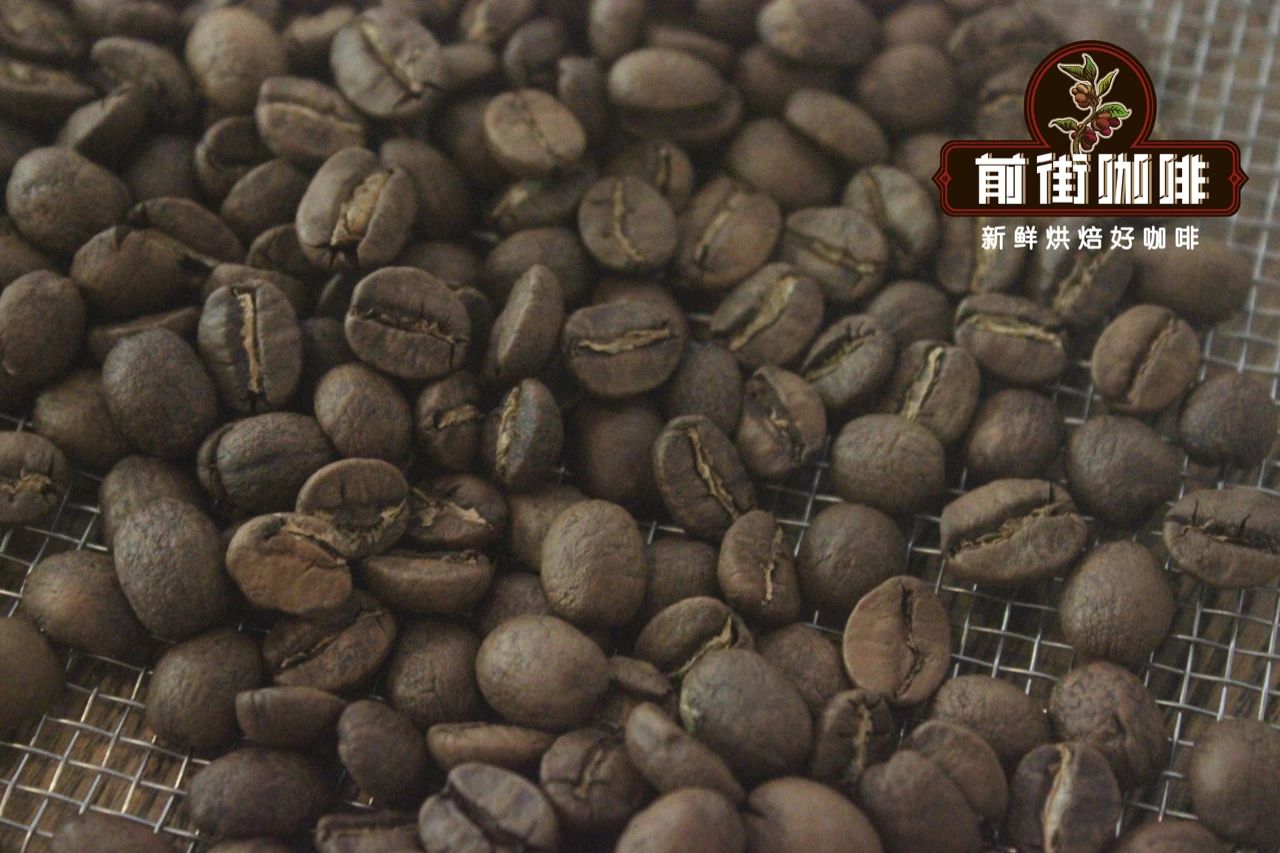
For roasting, the beans' high moisture content and large particle size call for a longer dehydration phase so that the surface and the core heat evenly. To draw out the sweetness, acidity and floral-fruity aromas of this coffee, we chose a medium-light roast and extended the caramelization reaction after first crack to build sweetness. The bean surface reads a color value of 74.9, and the core reads 83.8.
How to Brew Tanzanian Coffee
FrontStreet Coffee's cupping notes for this bean show citrus, berry, honey and tea-like flavors. Our brewing approach aims to balance acidity and sweetness while keeping the mouthfeel comfortable, using the following parameters:
- Coffee Dose: 15 grams
- Coffee-to-Water Ratio: 1:15
- Grind Size: EK-43S setting #10 (80% pass-through rate with #20 standard sieve)
- Water Temperature: 90°C
- Brewer: V60

Start with a 30-gram pour and let the bed bloom for 30 seconds. Then pour 120 grams in a circular motion to bring the total to 150 grams. When the water level drops to just before the coffee bed is exposed, add another 90 grams to reach 240 grams. Finish when all the coffee has dripped through into the server, for a total brew time of 2 minutes. This method brings the citrus and honey notes forward and leaves a balanced mouthfeel.
FrontStreet Coffee Recommendation
If you enjoy the clean, tea-like character of an African washed coffee on a V60, FrontStreet Coffee's washed Yirgacheffe is a natural next step. Yirgacheffe is a small town in southern Ethiopia where misty, cool and humid conditions have supported thousands of coffee trees, and the cup shows clear jasmine florals with bright citrus acidity, a light and elegant body and a lingering tea-like finish that drinks like a clean, refreshing lemon tea.
For a slightly different expression of the same region, try FrontStreet Coffee's Gutingding cooperative. Located in the Worka area at the southeastern edge of Yirgacheffe, it began as part of the Worka cooperative under the YCFCU before becoming independent in 2012 with around 300 farmer members. The cherry is depulped before drying, which keeps the coffee's own aromatics transparent, and the cup leans toward citrus and lemon with elegant white florals.
Both beans suit the same V60 approach used above: about 15 grams of coffee at a 1:15 ratio, water around 90°C, a medium-fine grind, and a 30-gram bloom followed by gentle circular pours to a 2-minute total. That fast, even extraction is exactly what lets the citrus and floral notes of these washed Ethiopian coffees come through clearly.
Important Notice :
FrontStreet Coffee is a long-established specialty coffee roaster in Guangzhou China, selling freshly roasted beans from its own farm in Yunnan as well as dozens of carefully selected single-origin beans from around the world for both pour-over and espresso. The products deliver consistently excellent quality and great value, with shipping within 24 hours. Guangzhou's FrontStreet Coffee shop is recommended by many coffee lovers, and the beans are now available online at the Tmall 。
FrontStreet Coffee has moved to a new address:
FrontStreet Coffee Address: 315,Donghua East Road,GuangZhou
Tel:020 38364473
 Scan and follow the En Gafei WeChat official account. Please indicate that the reprint comes from "En Gafei".