How to Brew Pour-Over Coffee for 4 People? How Many Grams of Coffee Grounds Do You Need?
Introduction
Is brewing coffee for 1-2 people the same as brewing for 3-4? In practice, if you try it once you will find that the process is a little different, and the final flavor shifts slightly too. So how do you keep the cup consistent through careful parameter changes?
How Is Brewing a Large Dose Different from the Usual?
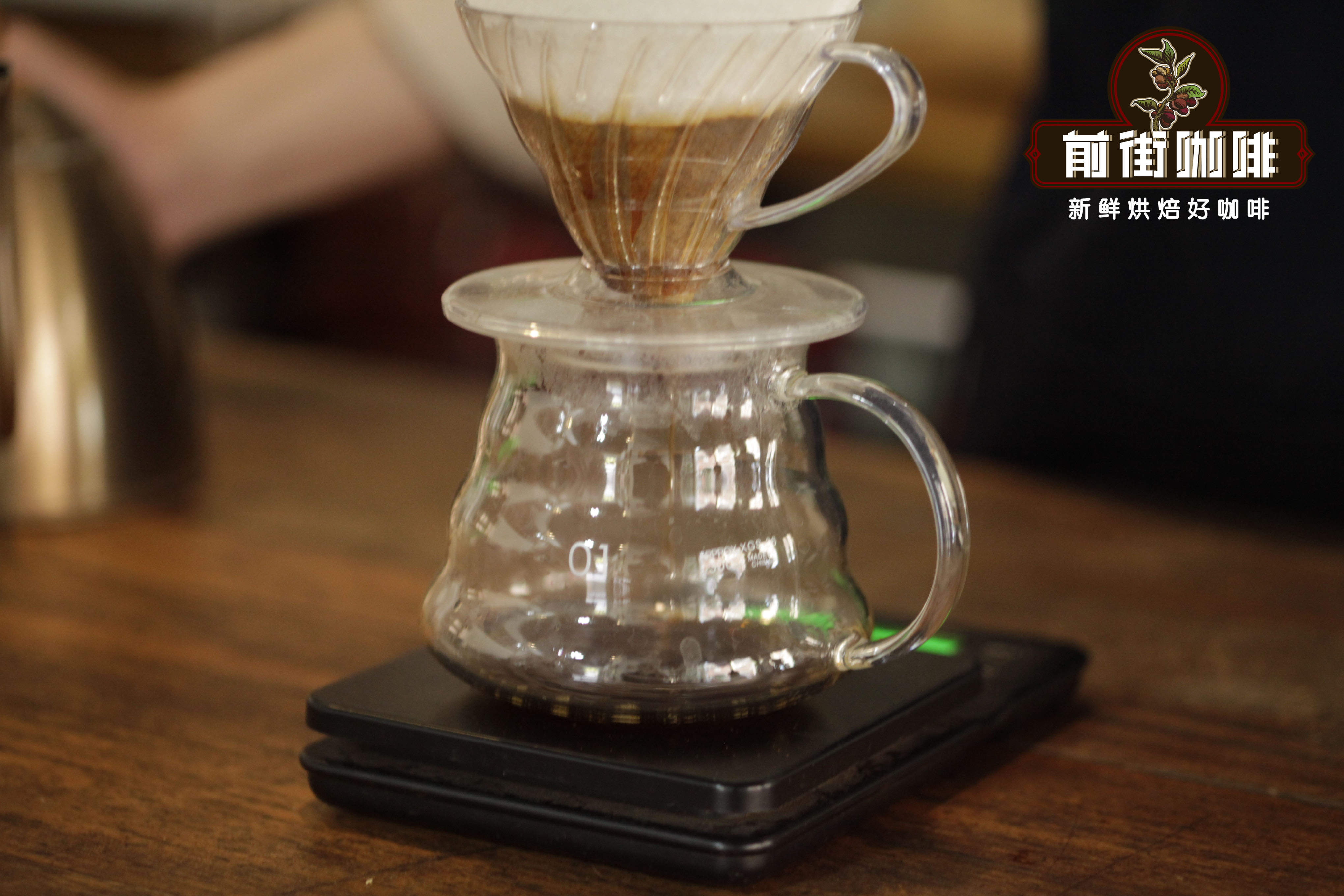
More coffee grounds means more total water. With a typical 1:15 ratio, 15 grams of grounds need 225 grams of water, while 30 grams need 450 grams. If you pour at the same flow rate you would use for 15 grams, the pouring time doubles. On top of that, the thicker coffee bed means the liquid takes longer to drain into the lower vessel.
So if you simply scale up with the parameters for 15 grams, the risk of over-extraction rises as well.
So How Should You Adjust?
1. Filter Cup Selection
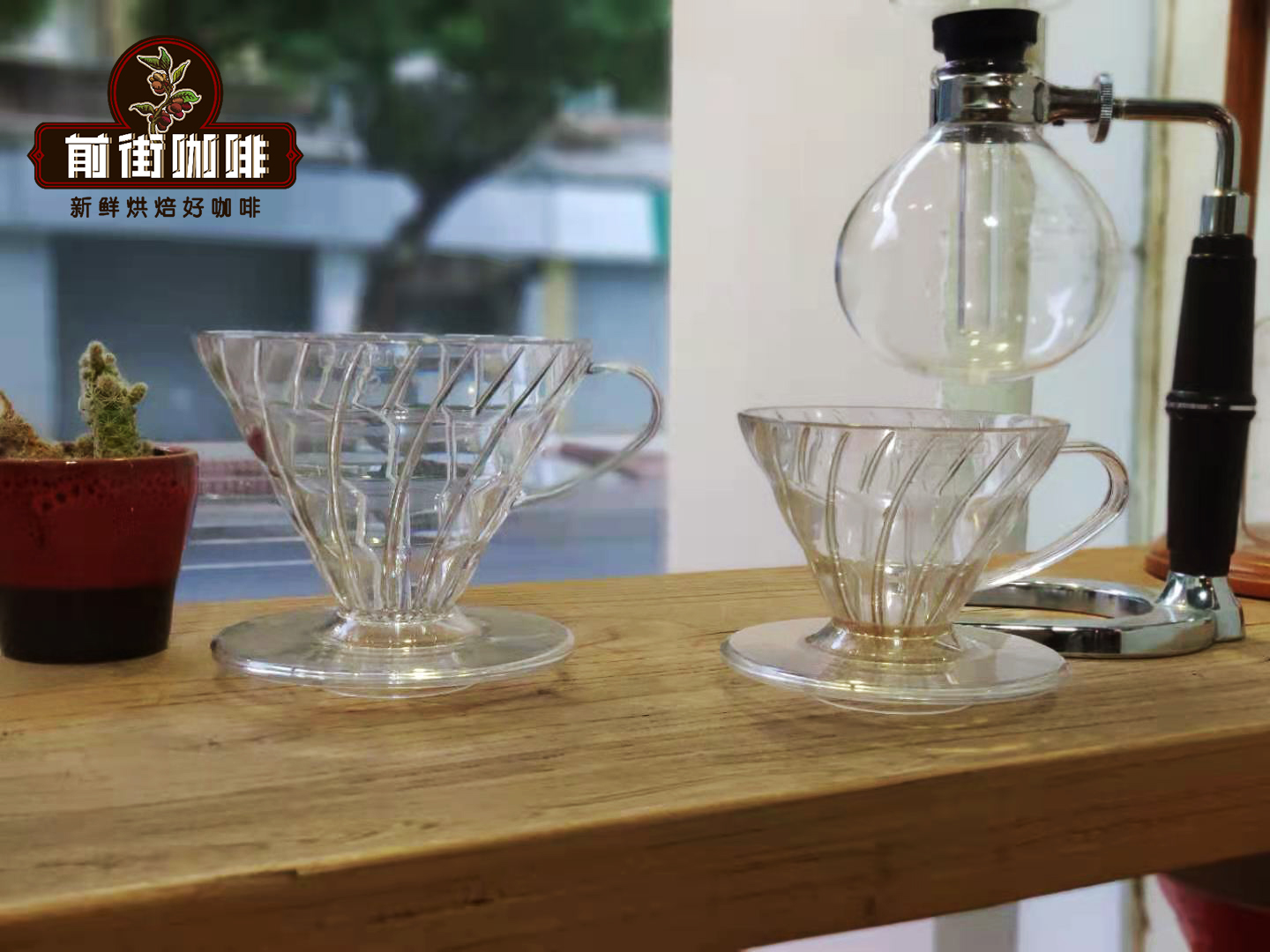
Some well-known filter-cup brands offer both small cups for 1-2 servings and large cups for 3-4. Choosing the right one makes brewing much easier. The Hario V60 No. 02, for example, is essentially one size larger than the No. 01, and its drainage hole is larger than the No. 01's, which prevents the blockage that leads to over-extraction. Its rib length matches the No. 01, which also prevents excessive water "bypassing."
2. Grind Size
Because the coffee bed is thicker, you can grind slightly coarser to improve drainage. Where FrontStreet Coffee uses a grind that passes at an 80% rate through a 0.85 mm screen for 15 grams, for 30 grams you can shift to a 75% pass-through rate so the water flushes through the bed more easily.
3. Water Flow Rate
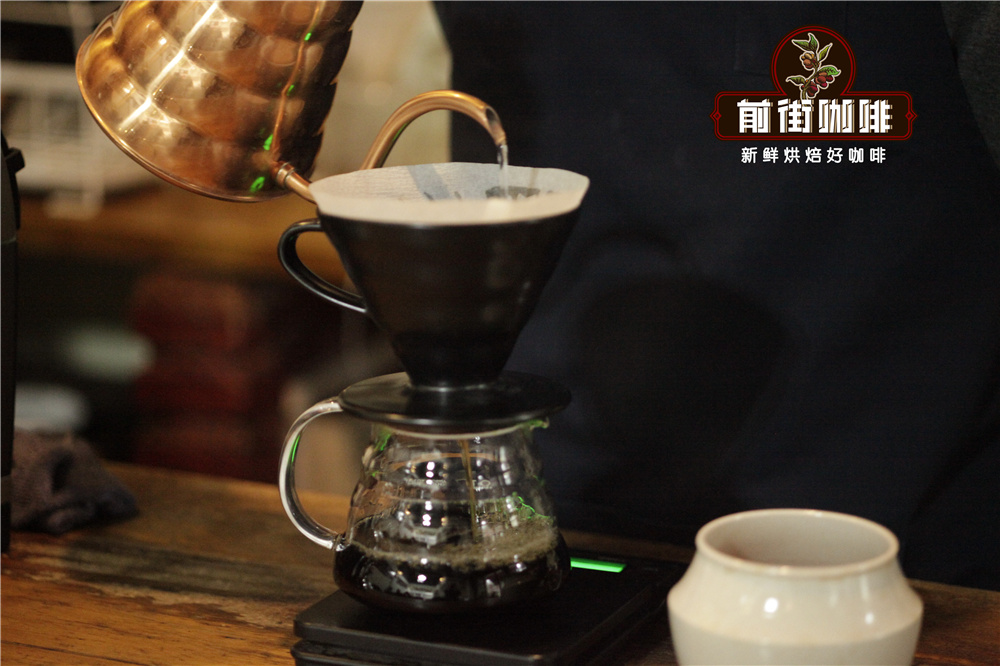
As noted above, pouring at the same flow rate you use for 15 grams will double the brewing time, so increasing the flow is unavoidable. The premise, however, is that the stream stays vertical; otherwise extraction becomes uneven. Some pour-over kettles have narrow spouts suited only to slow flow, which makes brewing a large dose very difficult. FrontStreet Coffee suggests holding a flow rate of 7-8 g/s.
4. Pouring Strategy
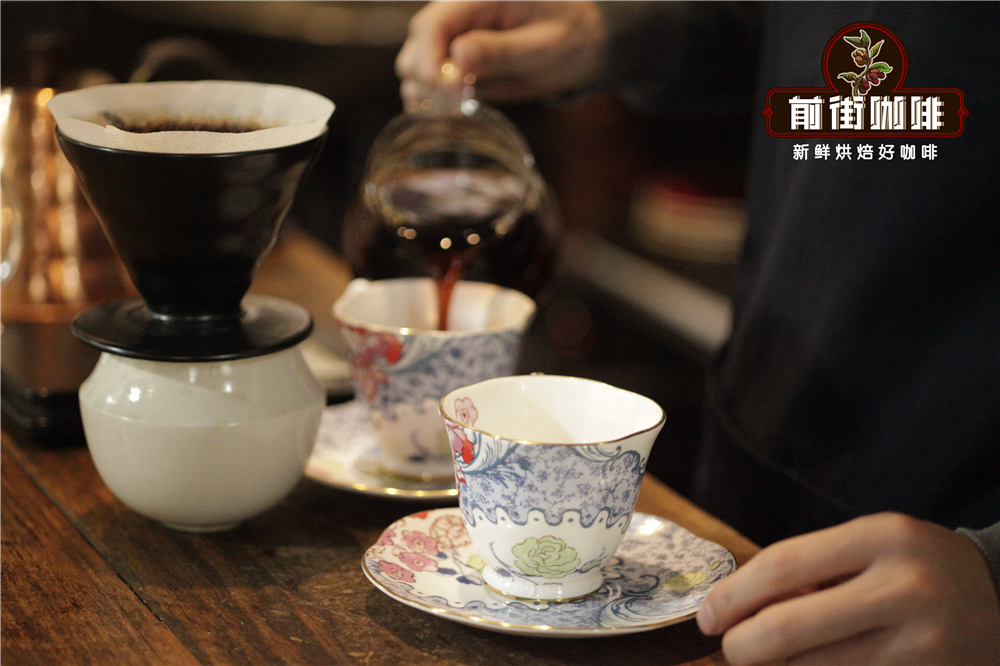
For the pouring strategy itself, FrontStreet Coffee believes you can still follow the approach used for a normal dose. Take 30 grams of grounds again: bloom with 60 grams of water, then after 30 seconds add 190 grams (reaching 250 grams of total poured water), and finally add 200 grams to reach a total of 450 grams poured. The time will certainly lengthen - if it does not, suspect under-extraction. As a rule, brewing 30 grams takes about 2 minutes and 30 seconds.
FrontStreet Coffee Recommendation
Brewing a large dose rewards beans that bloom generously and hold their clarity, and FrontStreet Coffee's Yirgacheffe Gidding Cooperative fits perfectly. Washed processing plus a light-medium roast delivers jasmine, bright citrus acidity and green tea and honey notes, and the clean, layered cup stays balanced even when you scale up the batch.
For a juicier, fruit-driven large batch, try FrontStreet Coffee's Ethiopia Flower Kui. Its medium roast brings out dense tropical fruit - strawberry, passion fruit and jackfruit - with plenty of sweetness and almost no bitterness, so it never turns harsh when you push the dose and the flow rate higher.
Important Notice :
FrontStreet Coffee is a long-established specialty coffee roaster in Guangzhou China, selling freshly roasted beans from its own farm in Yunnan as well as dozens of carefully selected single-origin beans from around the world for both pour-over and espresso. The products deliver consistently excellent quality and great value, with shipping within 24 hours. Guangzhou's FrontStreet Coffee shop is recommended by many coffee lovers, and the beans are now available online at the Tmall 。
FrontStreet Coffee has moved to a new address:
FrontStreet Coffee Address: 315,Donghua East Road,GuangZhou
Tel:020 38364473
 Scan and follow the En Gafei WeChat official account. Please indicate that the reprint comes from "En Gafei".