Why Do Coffee Beans Need Resting? How Long Should Coffee Beans Rest? Can Pour-Over Coffee Beans Skip the Resting Period?
Baristas at FrontStreet Coffee always tell customers buying from the store: "This bag was roasted within the last two days. We recommend letting it rest for two more days before you open and taste it." Bean resting is something many people only half understand. In this edition of barista training, we explain why coffee beans need to rest.
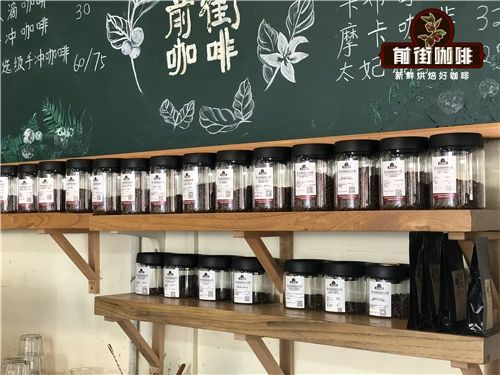
Why do coffee beans need resting?
After roasting, roughly 2% of a coffee bean's weight consists of carbon dioxide, and that gas keeps escaping. When the gas inside the bean is too vigorous, meaning the coffee is extremely fresh, the bean needs time for some of that gas to leave so it can stabilize.
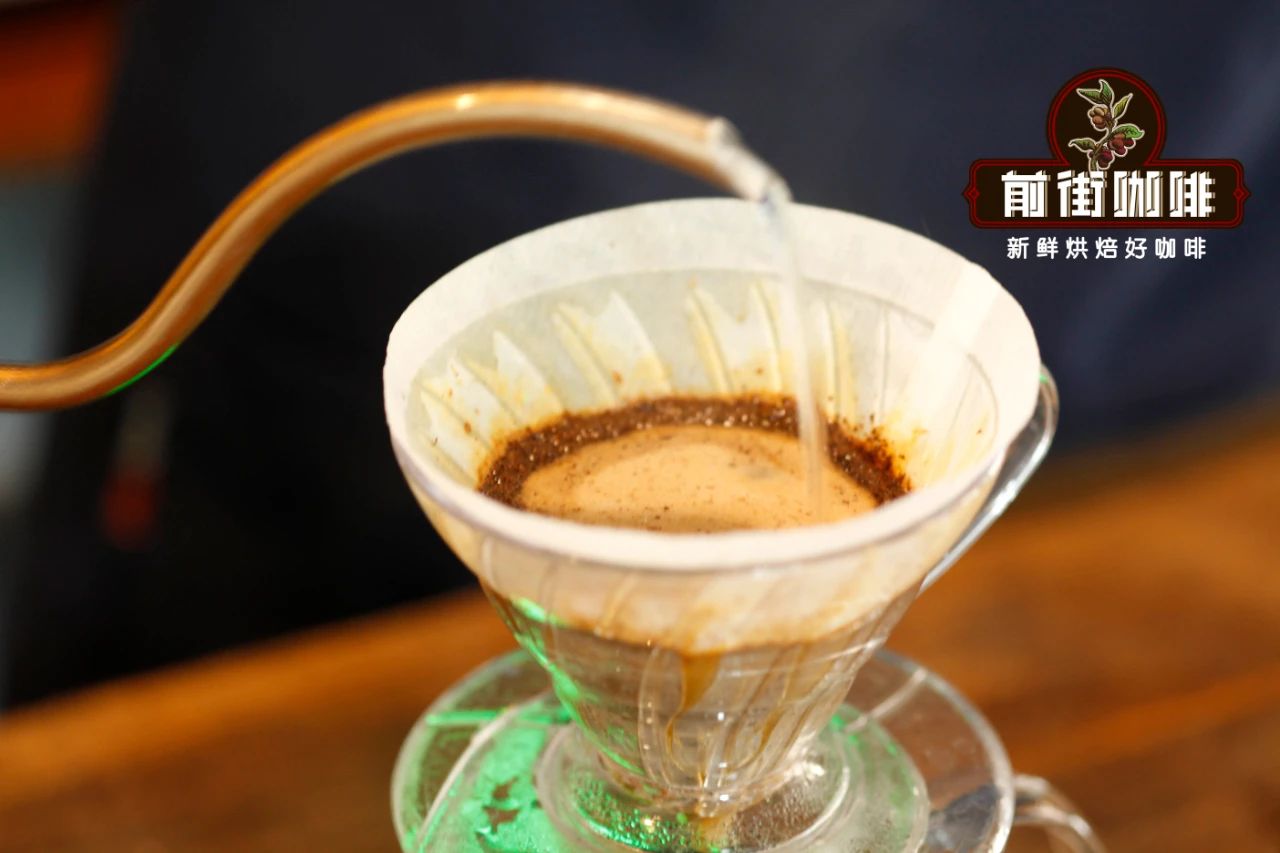
Excess gas is not a good thing. In pour-over brewing it keeps bubbling out when the grounds meet water and disturbs the coffee bed, and too much gas also suppresses the release of flavor and makes brewing harder to control. Beans with no gas at all are not ideal either, since that signals staleness; without the gas to hold them back, the flavors dissipate more easily.
How long should coffee beans rest?
Taking FrontStreet Coffee's roasted beans as an example, FrontStreet Coffee prints the roast date on every bag. Generally, light to medium roast pour-over beans need about 4-7 days of rest, medium-dark roast pour-over beans need about 7 days, and espresso beans are best rested for about 10 days. Because every roaster has a different roasting style, the resting period will vary accordingly.
What happens if you drink coffee without resting it?
Insufficiently rested beans taste harsh, or baked. This is the smoky flavor left inside the bean by the high roasting temperature, and it needs time to escape along with the carbon dioxide. Compared with unrested coffee, beans that have rested for several days taste cleaner and show their flavors more prominently.
How do you rest coffee beans?
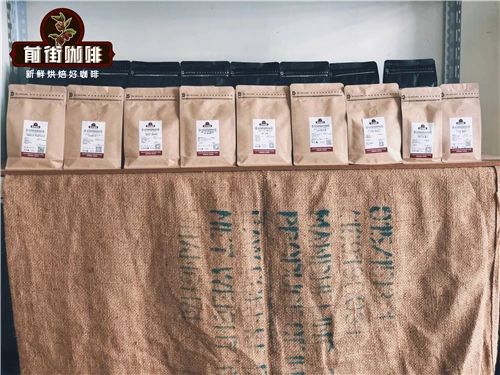
In practice there is not much to do once you have the coffee. There is no need to open the bag and transfer the beans to a sealed container, and no need to refrigerate them. Simply leave them in the original packaging in a cool, dry place. Coffee bags are fitted with a one-way degassing valve. As the beans release gas the bag expands, and the valve keeps it from bursting while balancing the pressure inside and out. After the recommended resting period, open the bag and enjoy.
FrontStreet Coffee Recommendation
Resting matters most when the coffee has delicate flavors to protect, and that is exactly the case with the light-roasted, fruit- and floral-forward beans that pour-over drinkers favor. Give a fresh light roast a few days to settle and the aromatics come through cleanly instead of tasting baked.
FrontStreet Coffee's approach to pour-over starts with the dripper. The V60 was designed by Hario, the Tokyo glassmaker founded in 1921, which reshaped the prototype in 2004 and brought it to market a year later; its 60-degree cone and V shape force the water to the center before it drips through, lengthening contact between water and grounds so aroma and flavor extract fully. A single large hole lets the flow run unrestricted, which means the brewer's pouring controls the speed and, directly, the flavor. The V60 suits precisely the coffees that reward it: the classic Yirgacheffe profile in FrontStreet's Gutingtin, the tropical fruit of FrontStreet's Huakui, the Geisha character of FrontStreet's Strawberry Candy, and the raisin note of FrontStreet's Mozart all fit the bill. Hario also makes the glass server that usually sits under a V60, and FrontStreet's own preference is the resin version, which insulates the brew from heat loss and, being the easiest material to mold, holds the tightest tolerances in mass production.
For a light-roast pour-over, let the beans rest the full 4-7 days, then grind just before brewing and keep the water hot enough to lift the floral and fruity acids without pulling bitterness. Pour in stages, keep the bed level, and let the brew finish in the two-minute range; the sweetness and clarity that define a good light roast depend on it.
Important Notice :
FrontStreet Coffee is a long-established specialty coffee roaster in Guangzhou China, selling freshly roasted beans from its own farm in Yunnan as well as dozens of carefully selected single-origin beans from around the world for both pour-over and espresso. The products deliver consistently excellent quality and great value, with shipping within 24 hours. Guangzhou's FrontStreet Coffee shop is recommended by many coffee lovers, and the beans are now available online at the Tmall 。
FrontStreet Coffee has moved to a new address:
FrontStreet Coffee Address: 315,Donghua East Road,GuangZhou
Tel:020 38364473
 Scan and follow the En Gafei WeChat official account. Please indicate that the reprint comes from "En Gafei".