What are the signs of under-extracted coffee? What causes coffee to taste sharp and sour? Why is my pour-over coffee too acidic?
Introduction
In the previous installment of the Barista Training Series, FrontStreet Coffee walked through how over-extracted coffee shows up in the cup. This time we pick up the other side of the story: what under-extraction tastes like and what causes it.
What is Under-Extraction?
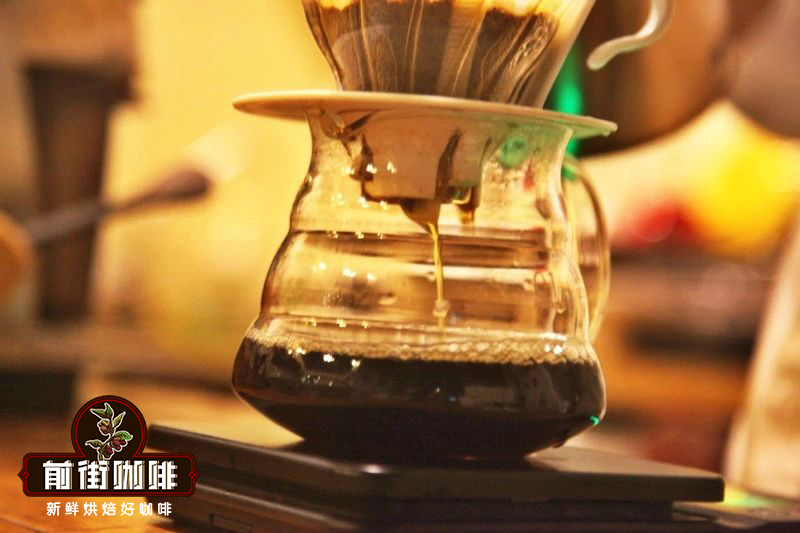
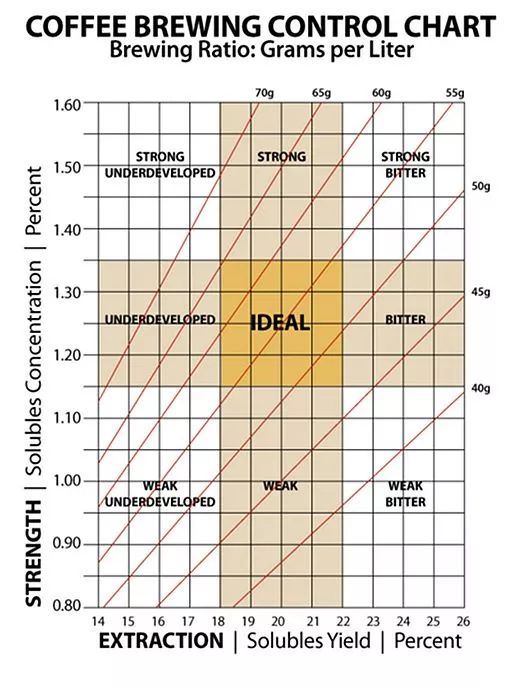
SCA Golden Cup extraction theory holds that roughly 18-22% of coffee's water-soluble material is what contributes good flavor. Keep the extraction rate inside that 18-22% window and the cup is far more likely to taste right. Under-extraction is what happens when the extraction rate falls short of the 18% floor.
What are the Characteristics of Under-Extraction?
On the palate, under-extracted coffee tends to show up in a few telltale ways:
① Sharp Acidity
The clearest sign of under-extraction is a sharp, piercing acidity. During a normal brew, acidic compounds come out first, then sweet compounds, and finally bitter ones. In an under-extracted cup, the early acidic compounds have largely been pulled out, while the sweet and bitter compounds have not. The overall extraction rate therefore lands a little low, and with no sweetness or bitterness to balance them, those acids read as sharp and aggressive.
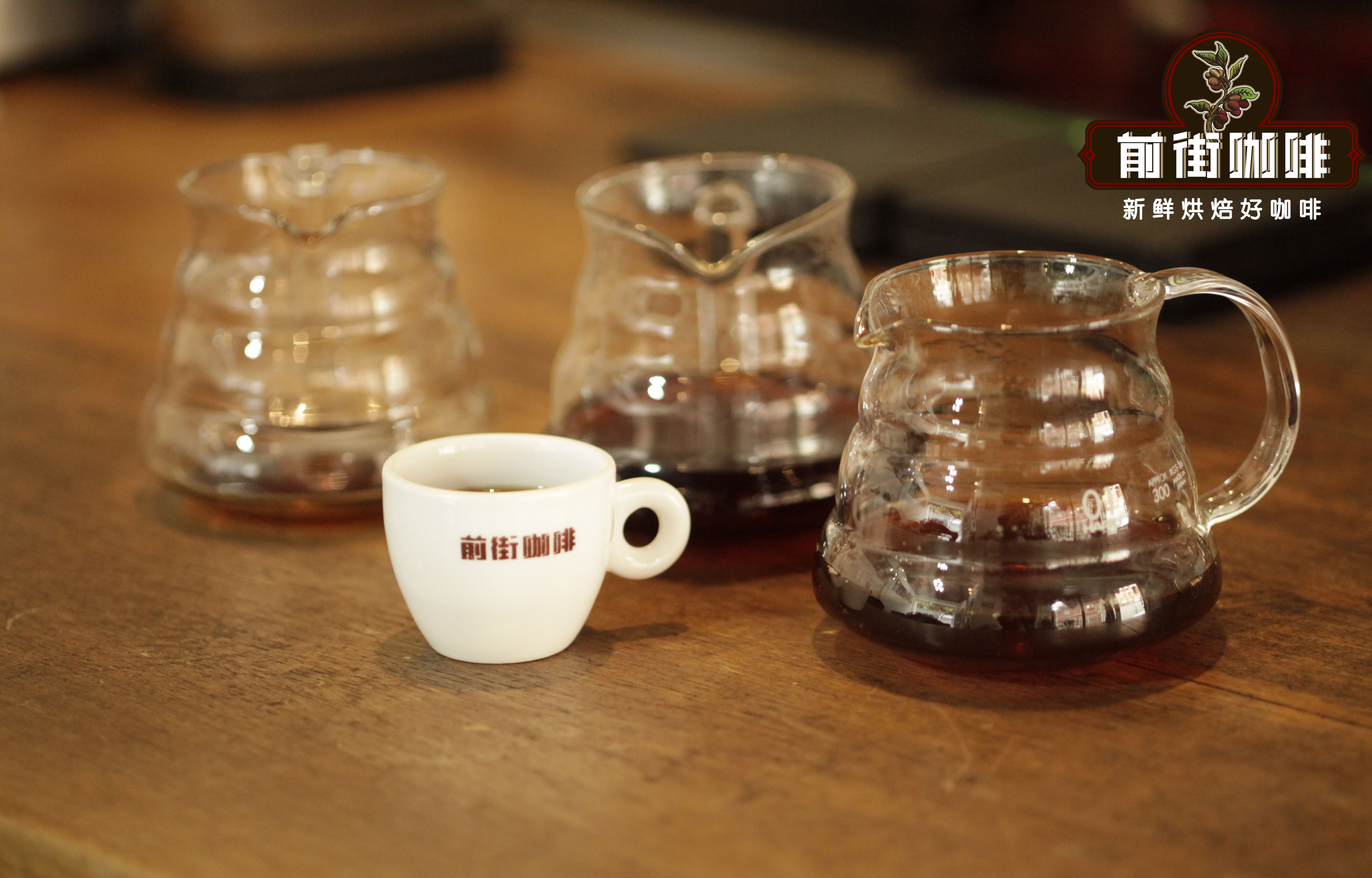
② Salty Sensation
The saltiness in coffee comes from minerals and inorganic compounds in the beans. During a normal brew these salty substances are extracted into the liquid too, but we rarely notice them, because sweetness masks the salt. When sweetness is lacking and acidity is too strong, that salty edge pushes to the front.
③ Empty Aftertaste
An under-extracted coffee also tends to finish short, leaving the whole tasting experience feeling incomplete.
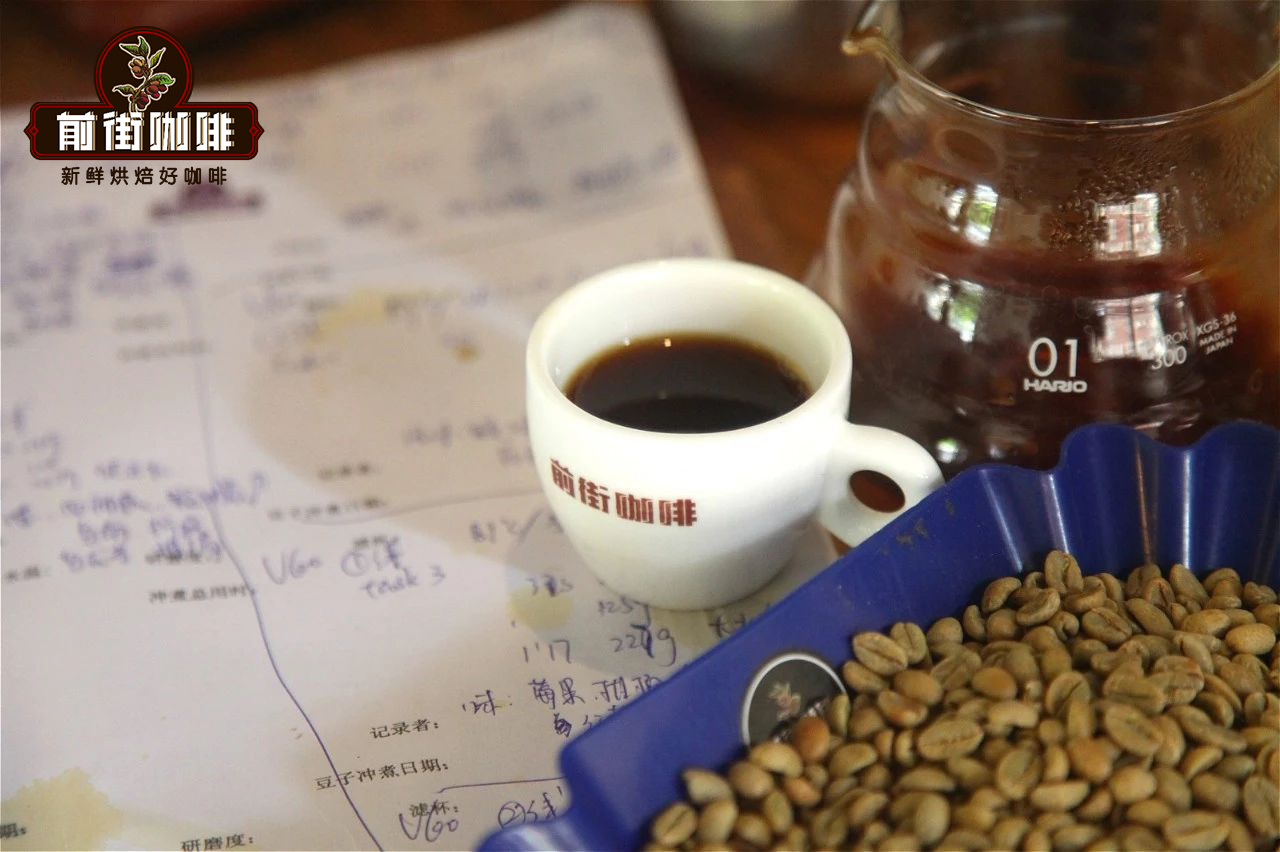
How to Avoid Under-Extraction?
① High Concentration, Insufficient Extraction Rate (Rich, Acidic, and Salty)
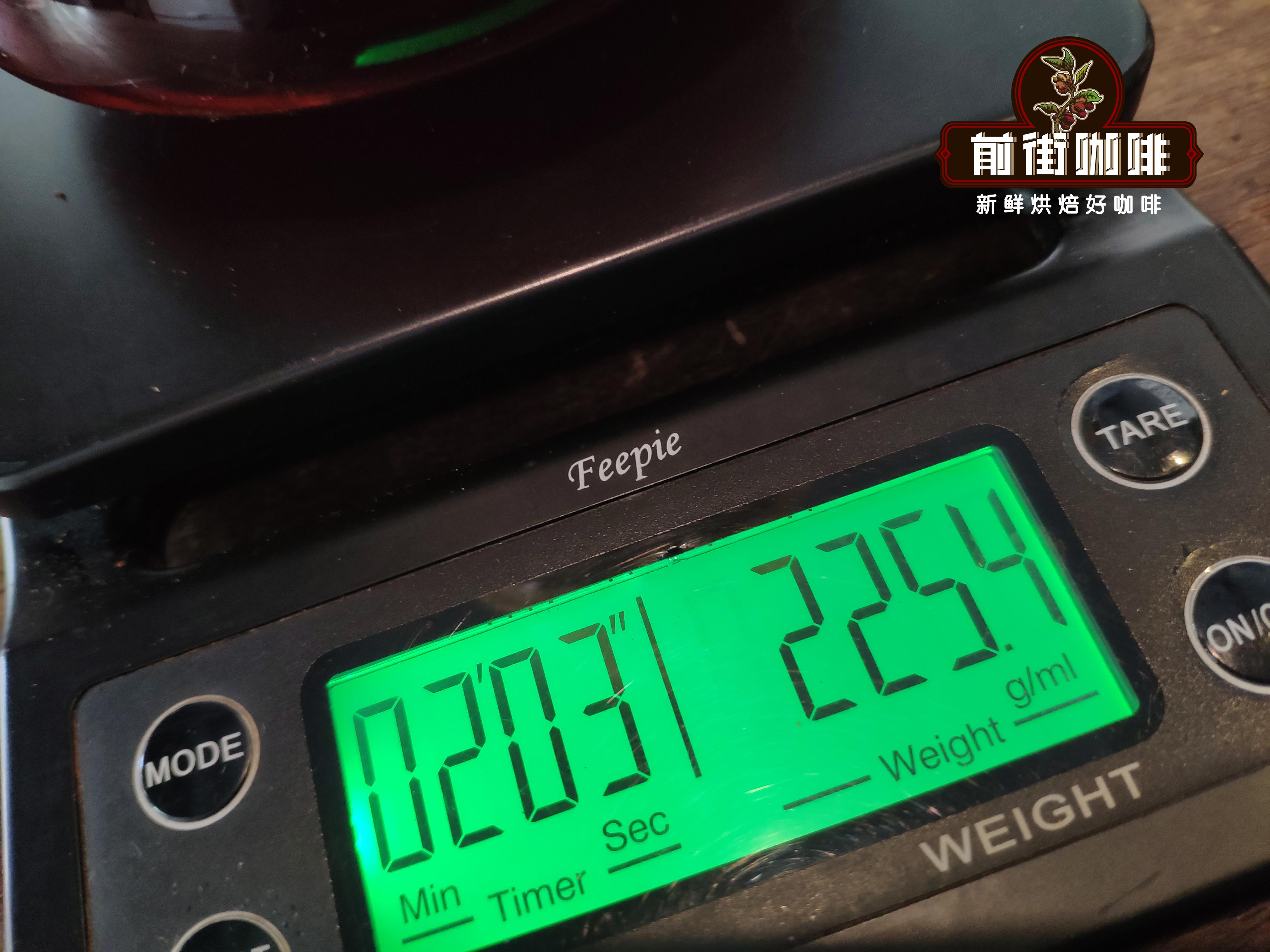
This pattern usually comes from too small a coffee-to-water ratio, meaning a lot of grounds brewed with relatively little water. The water simply cannot extract efficiently enough, so it pulls only the first half of the flavor compounds and leaves the rest sitting in the bed. Because the ratio is so tight, the result tastes both strong and acidic.
Increasing the coffee-to-water ratio is an effective fix. FrontStreet Coffee generally recommends a ratio of 1:15 or 1:16.
② Low Concentration, Insufficient Extraction Rate (Weak and Sharp Acidity)
This case has more moving parts. First, check whether your water temperature, coffee grind size and coffee-to-water ratio make sense. Water that is too cool or a grind that is too coarse, for example, will leave a coffee weak and flavorless or give it an irritating acidity, since low temperature reduces extraction efficiency and a coarse grind shortens the contact time between water and grounds.
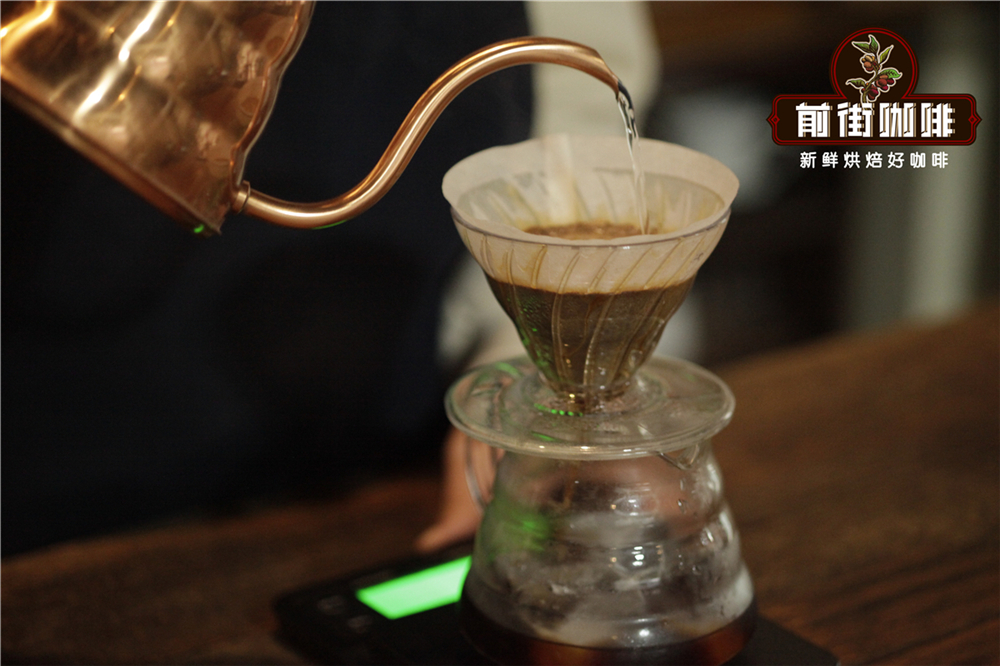
Next, look at the coffee bed in the filter. Check whether channeling has formed, in other words whether water breaks through the wall of the bed or runs over the top during the pour, so that it escapes down the side of the filter and leaves the coffee under-extracted.
Final Thoughts
One last point: coffee is a moving target, and new ideas keep replacing old ones. When we judge whether a coffee is under-extracted, we cannot lean on the 18% figure as the only measure. Golden Cup knowledge is a useful foundation for brewing, but the real goal is simply a good cup. Some brewing schools today extract only the front and middle flavor compounds, then add water to bring the drink down to a comfortable concentration. Measured on paper the extraction rate comes in below 18%, yet the cup does not show the sharpness, saltiness or hollow finish we normally associate with under-extraction.
So FrontStreet Coffee treats "under-extraction" less as a number and more as a description of what you actually taste: sharp acidity, a salty edge and an empty aftertaste.
FrontStreet Coffee Recommendation
Most under-extraction problems show up with light-roasted pour-over coffees, which is exactly the style FrontStreet Coffee leans toward for filter brewing. When the extraction is dialed in, a bean like FrontStreet Ethiopia Huakui or FrontStreet Ethiopia Yirgacheffe Gutingding rewards the effort: the Huakui brings intense tropical fruit aromas of strawberry, passion fruit, jackfruit and lychee with clear sweetness and almost no bitterness, while the Gutingding offers bright citrus, berry and floral notes with a green-tea-like finish and a gentle, fruit-driven acidity rather than a harsh one.
Because these are light roasts, they are also the most sensitive to the classic under-extraction causes. If a cup tastes thin and sharply sour, tighten the grind and check that your water is hot enough before you reach for the ratio. Pour-over gear such as the Hario V60, with its 60-degree cone and fast flow, makes it easy to see channeling forming in the bed, which is a useful early warning sign.
For a fuller-bodied contrast that is far more forgiving, FrontStreet Coffee's PWN Indonesia Golden Mandheling, a dark roast with very low acidity and a thick, lingering body of herbal and dark chocolate notes, is a good choice when you would rather brew without chasing every variable.
Important Notice :
FrontStreet Coffee is a long-established specialty coffee roaster in Guangzhou China, selling freshly roasted beans from its own farm in Yunnan as well as dozens of carefully selected single-origin beans from around the world for both pour-over and espresso. The products deliver consistently excellent quality and great value, with shipping within 24 hours. Guangzhou's FrontStreet Coffee shop is recommended by many coffee lovers, and the beans are now available online at the Tmall 。
FrontStreet Coffee has moved to a new address:
FrontStreet Coffee Address: 315,Donghua East Road,GuangZhou
Tel:020 38364473
 Scan and follow the En Gafei WeChat official account. Please indicate that the reprint comes from "En Gafei".