What are the signs of over-extracted coffee? Causes and solutions for over-extraction - Can coffee be brewed repeatedly?
"Huh, this coffee is so bitter, is it over-extracted?" Many drinkers equate any bitter cup with over-extraction. It is not necessarily so. In this installment of Barista Training, FrontStreet Coffee walks through what over-extracted coffee actually tastes like.
What is Over-Extraction?
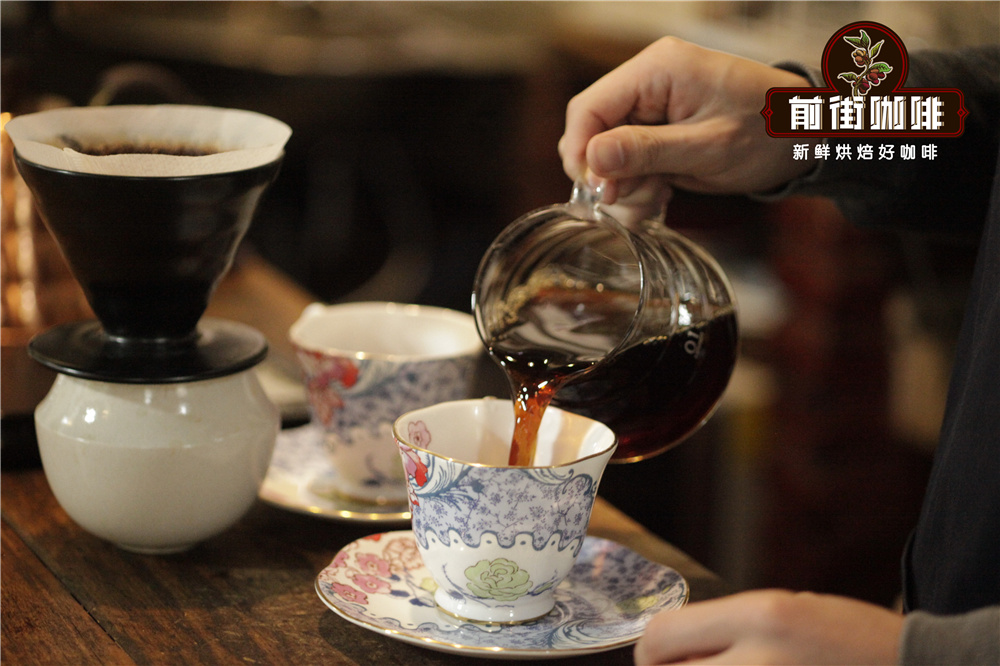
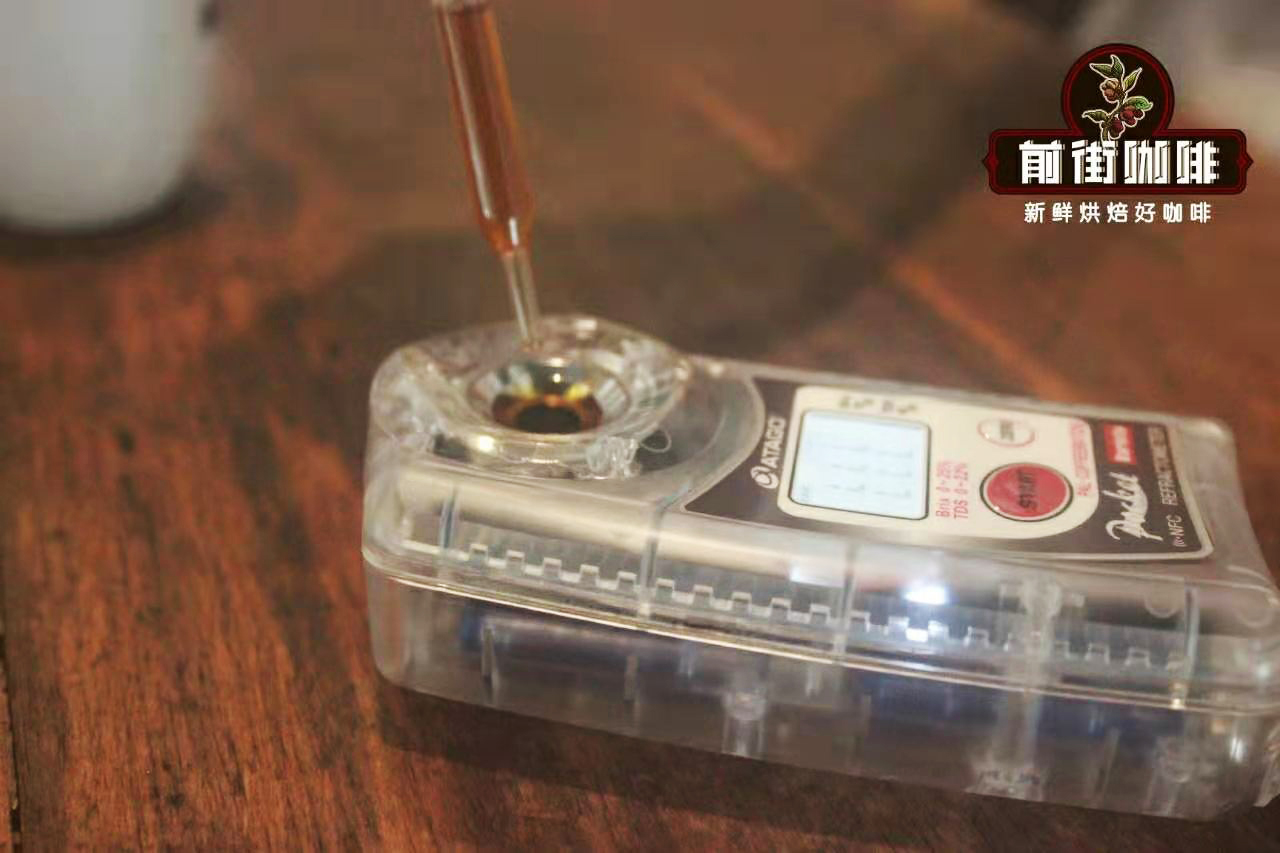
Roughly 30% of a coffee bean's weight consists of water-soluble substances; the remaining 70% is lignin, fiber, and other material that cannot be extracted. But extracting more solubles is not automatically better. According to the Golden Cup recommendations and FrontStreet Coffee's daily brewing experience, the ideal extraction rate sits between 18% and 22%. Over-extraction, then, is what happens when the extraction rate climbs past 22%.
What are the Characteristics of Over-Extracted Coffee?
Sensorially, over-extracted coffee shows these telltale signs:
1. Scorching Bitterness
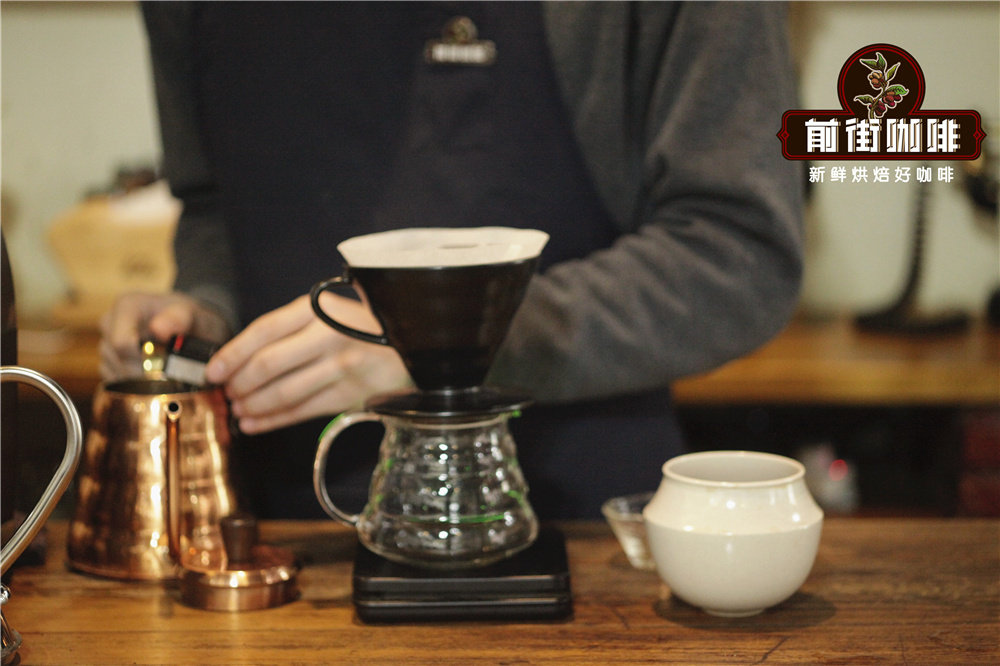
Note that we mean scorching bitterness specifically, a defect flavor, not all bitterness. Plenty of people assume any bitterness signals over-extraction, but bitterness comes in good and bad varieties. The bitter notes of dark chocolate, for instance, are a desirable coffee flavor: they do not linger and are followed by a sweet aftertaste. Scorching bitterness, by contrast, registers as unpleasant immediately, clinging to the base of the tongue and across the mouth with dry, burning sensations. A primary culprit is water that is simply too hot.
2. Astringent Sensation
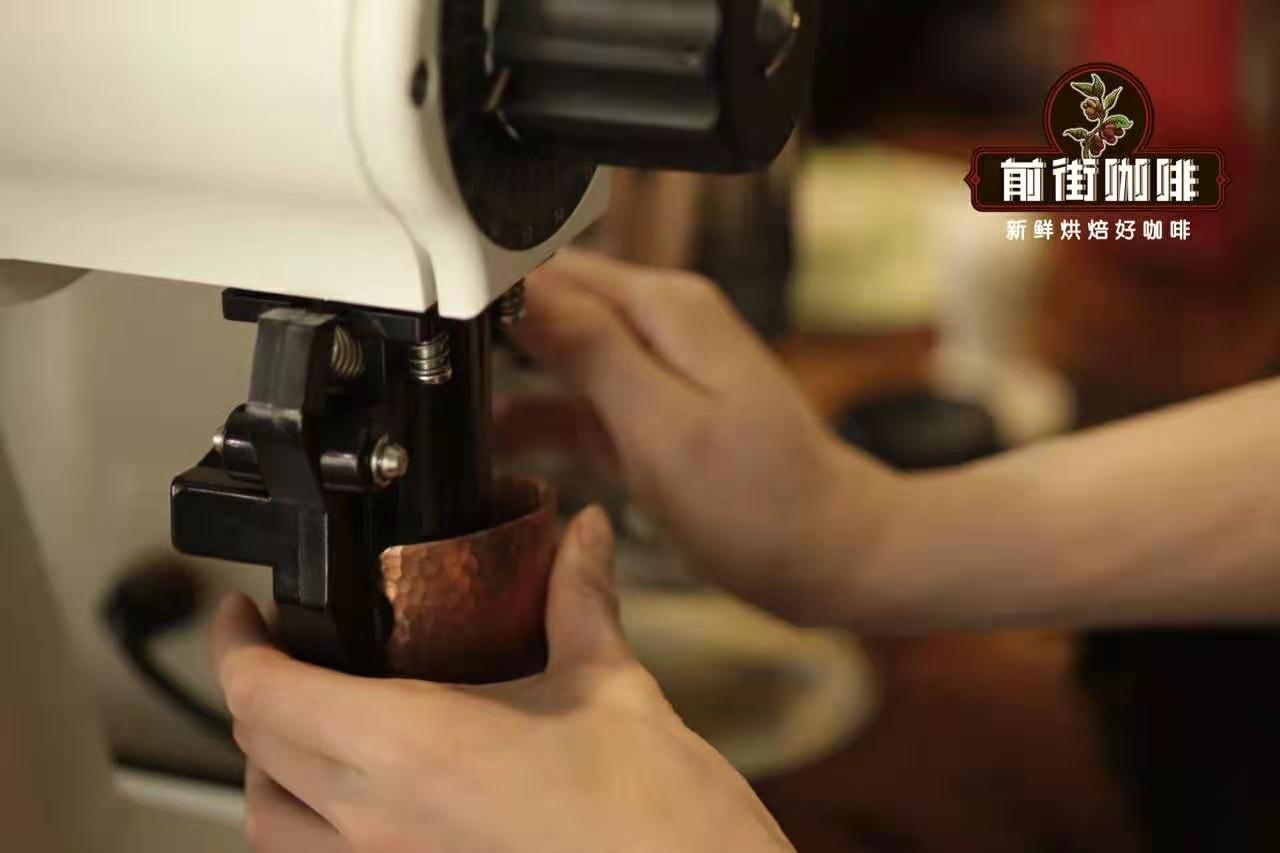
Astringency is a tactile sensation, not a taste. It occurs mainly when a large molecule called dicaffeoylquinic acid is extracted and binds with proteins in saliva, puckering the oral tissues. Dicaffeoylquinic acid is also one of coffee's sources of bitterness, so when an excessive amount lands in the cup we get astringent bitterness. It typically stems from grinding too fine, letting grounds and water stay in contact too long, or stirring too vigorously during the brew.
3. Muddled Flavors
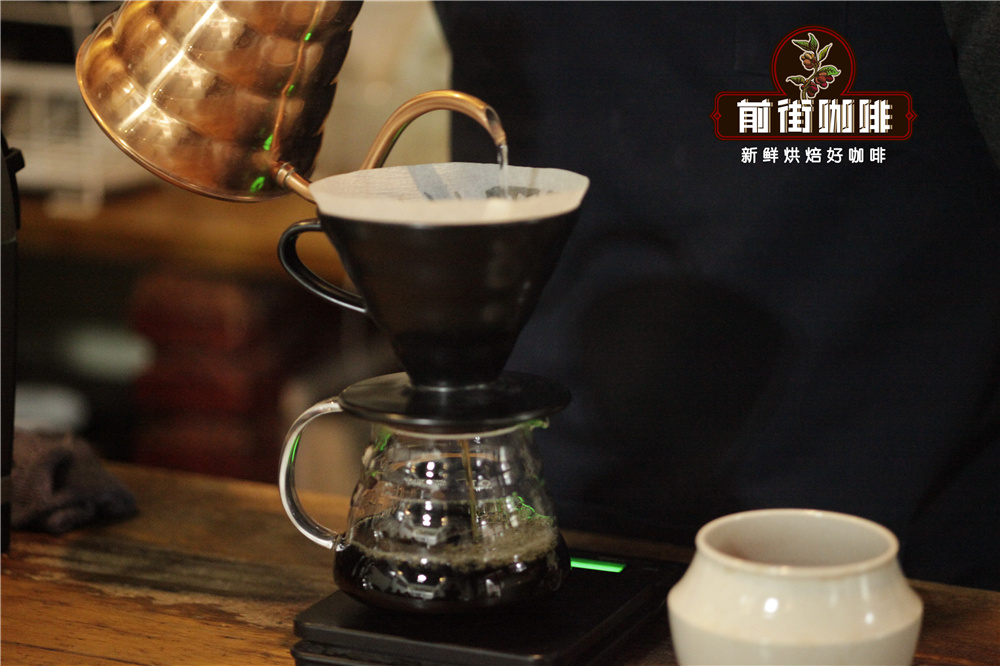
Muddled flavors generally come from uneven extraction, pockets of over-extraction mixed with pockets of under-extraction. The cup tastes indistinct, marred by defect flavors. In pour-over this is often caused by excessive fines, which over-extract locally during the brew; vigorous stirring can produce the same mess.
How to Avoid Over-Extraction?
1. Adjust Parameters
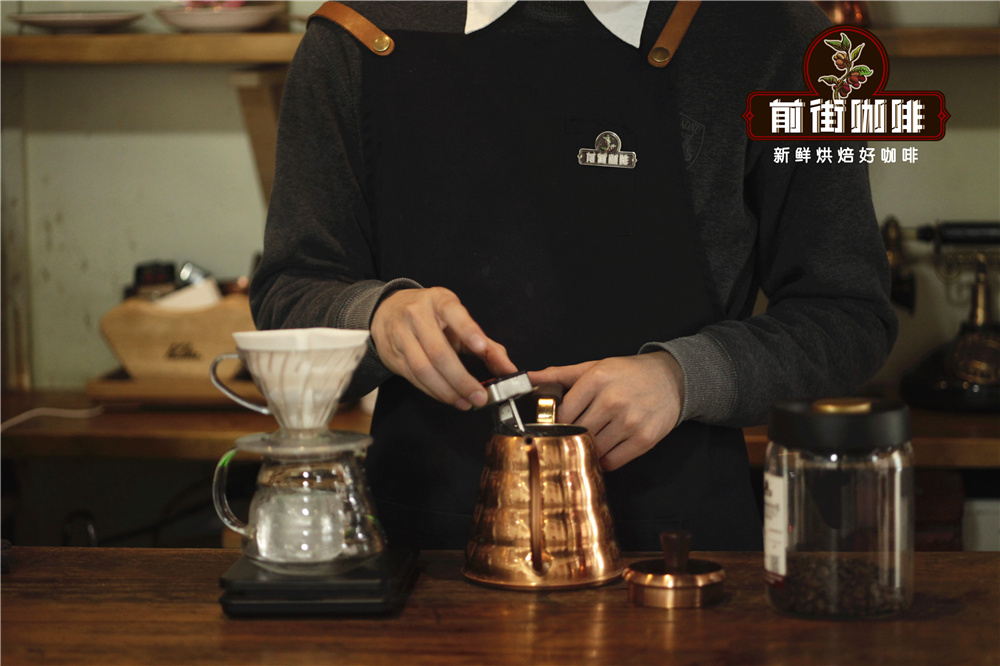
Look at the results and process of your previous brew and adjust accordingly. First, check whether your water temperature was too high. FrontStreet Coffee recommends 90 to 93°C for light to medium roasts and 87 to 89°C for medium to dark roasts, use these as reference points and fine-tune from there.
Then check whether your brew time ran long. At FrontStreet Coffee, brewing 15g of coffee typically takes about 2 minutes. If you believe the over-extraction came from excessive time, adjust the grind size accordingly.
2. Discard the Tail
Cutting the tail is a situational fix. During extraction, small molecules, the sour and sweet notes, come out first, and the bitter large molecules last. So if you suspect over-extraction mid-brew, you do not have to let every drop drain into the server: discard the final 20 to 30ml of liquid left in the filter, and the bitterest fraction never reaches your cup.
FrontStreet Coffee Recommendation
Oddly enough, one reliable cure for chasing over-extraction is brewing beans that are naturally low in acid and naturally sweet, beans with bittersweet chocolate flavor, thick cream-like sweetness, aromas of candied walnuts, restrained acidity, and silk-smooth body. Colombia, Indonesia, Brazil, and Papua New Guinea are the origins to reach for.
The FrontStreet premium espresso blend leads with Brazilian beans supported by Colombian coffee: layered nut aromas of almond, apricot kernel, and walnut, a comfortable sweet-bitter edge as a latte, and a sweet milk-chocolate mouthfeel that is silky from the first sip. It carries Colombia's nut, chocolate, and caramel aromatics with moderate acidity, balanced, expressive, and ideal for anyone who loves a concentrated cup.
For single-origin cream-and-chocolate character, the FrontStreet Brazil Empress Estate stands out: a smaller terroir, finer processing, and the strikingly bright-yellow Yellow Bourbon variety. Beyond Brazil's usual nuts, cream, roasted peanut, and caramel cookie flavors, low in acidity and balanced, a clean sweetness extends the aftertaste. Its rich aromatics suit pour-over, French press, and Clever dripper, and a moka pot or home espresso machine brings out just as much charm.
If you want a strong, muted-aroma style, pick up the entry-level FrontStreet Indonesia Lintong Mandheling, from the Lintong region of Sumatra at Indonesia's top G1 grade. Wet-hulled and roasted dark, it maximizes Mandheling's charred sweetness, brown sugar, spice, herbaceous notes, nuts, and dark chocolate, in a full-bodied, low-acid cup that suits pour-over, moka pot, and Clever dripper, and doubles as a great practice bean for beginners. (FrontStreet ships within 24 hours of ordering, and every bean is roasted within 5 days of dispatch.)
Milk-chocolate fans should try the value-packed FrontStreet Black Cocoa espresso blend: Brazilian nuttiness and smoothness plus the gentle, ripe-plum acidity of Yunnan arabica. As espresso it pulls a fine crema at moderate intensity, excellent in an Americano, latte, or signature milk drink, with a caramel finish. Finally, the FrontStreet Papua New Guinea Birds of Paradise, nicknamed "little Blue Mountain", offers a cream-cocoa profile reminiscent of Blue Mountain at a medium roast: toast and nut sweetness layered over gentle grapefruit acidity, a fruity fragrance, and a spice-tinged, smooth, balanced finish.
Important Notice :
FrontStreet Coffee is a long-established specialty coffee roaster in Guangzhou China, selling freshly roasted beans from its own farm in Yunnan as well as dozens of carefully selected single-origin beans from around the world for both pour-over and espresso. The products deliver consistently excellent quality and great value, with shipping within 24 hours. Guangzhou's FrontStreet Coffee shop is recommended by many coffee lovers, and the beans are now available online at the Tmall 。
FrontStreet Coffee has moved to a new address:
FrontStreet Coffee Address: 315,Donghua East Road,GuangZhou
Tel:020 38364473
 Scan and follow the En Gafei WeChat official account. Please indicate that the reprint comes from "En Gafei".