Nicaragua Coffee Region Update: 2021 Coffee Production 40% Lower Than Same Period
Nicaragua's Coffee Industry Devastated by Natural Disasters from 2012-2020
Two natural disasters in the Central American region between 2012 and 2020 deepened the troubles of an already fragile coffee industry in Nicaragua. After the second disaster, some coffee farmers were earning nothing at all. What lies ahead for them in the future?
Nicaragua Natural Disasters Review (2012-2020)
Between 2012 and 2014, Nicaraguan coffee was ravaged by leaf rust disease, which killed over 50% of the country's coffee trees. The trees that survived were hit by higher-than-average temperatures in both years, causing cherries to mature too quickly and hurting both total yield and quality.
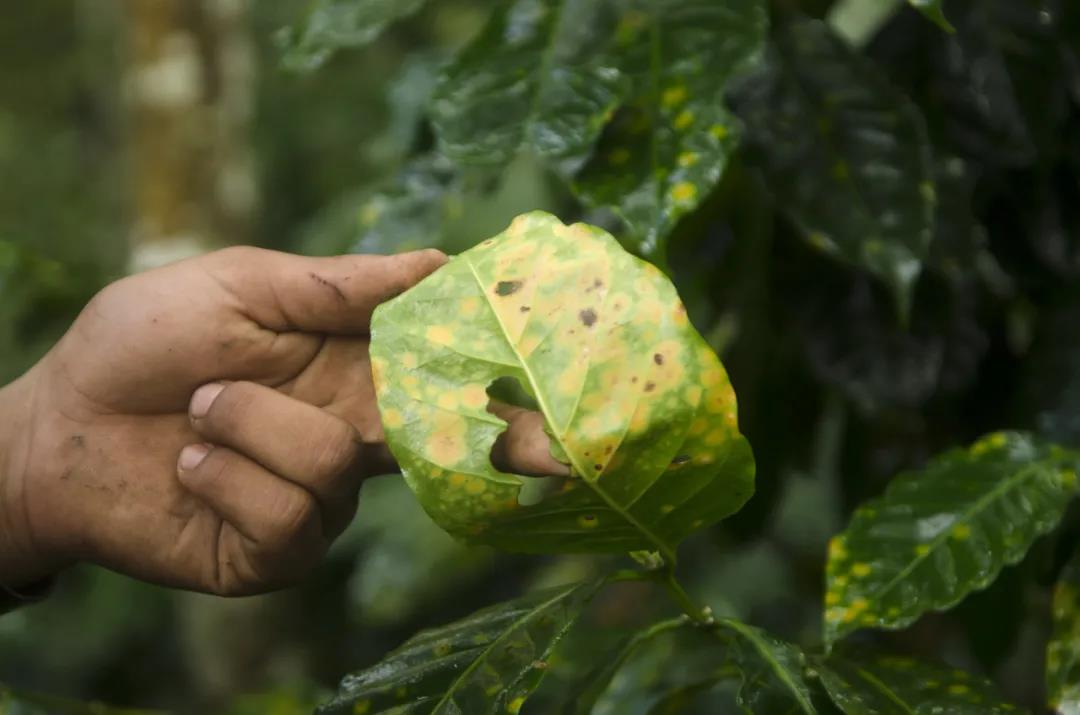
After the leaf rust was brought under control, the government introduced support plans and growers regained the confidence to plant a new batch of coffee seedlings. By 2018 those seedlings had finally reached harvestable age. Just when everyone thought Nicaragua's coffee industry was at last showing signs of improvement, two consecutive hurricanes struck the Central American region in November 2020, plunging Nicaraguan coffee into crisis once again.
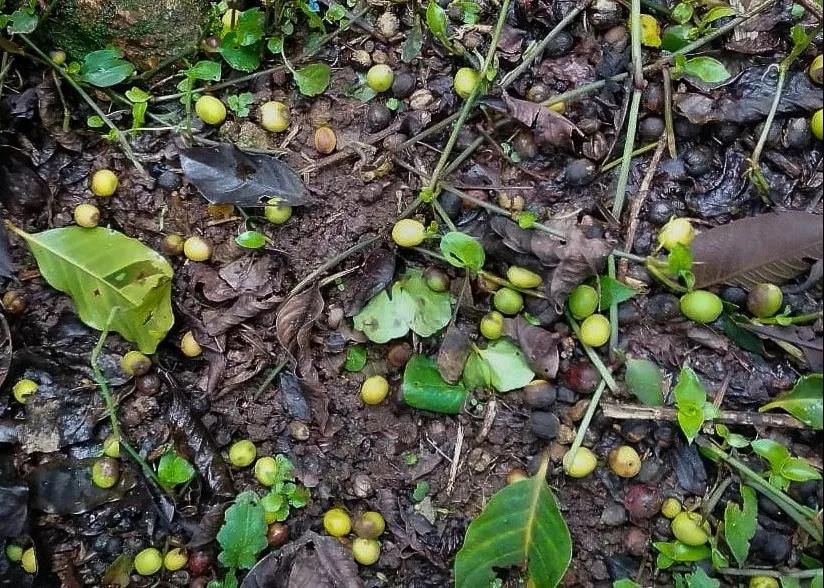
Although the hurricanes hit before Nicaragua's coffee harvest season had begun, prolonged rainfall accelerated the ripening of the cherries. Rapid ripening shortened the time available for flavor development, affecting the quality of the final harvest. "Besides affecting the rate of fruit maturation, large quantities of mature fruit were knocked down by strong winds and heavy rain, and coffee leaf rust spread through multiple regions via wind and rainwater." According to local government estimates, in planting areas such as Jinotega, Matagalpa, and Boaco, over 3,400 hectares of coffee farms were damaged by these hurricanes.
Nicaraguan Coffee Production Declined by 40% in 2020/21 Compared to the Same Period
According to the head of the Sopasca cooperative in Nicaragua's northern growing region, farmland that had long supplied coffee fruit to the cooperative was affected by floods and landslides, cutting the cooperative's coffee production by 10% to 15% compared with the same period last year.
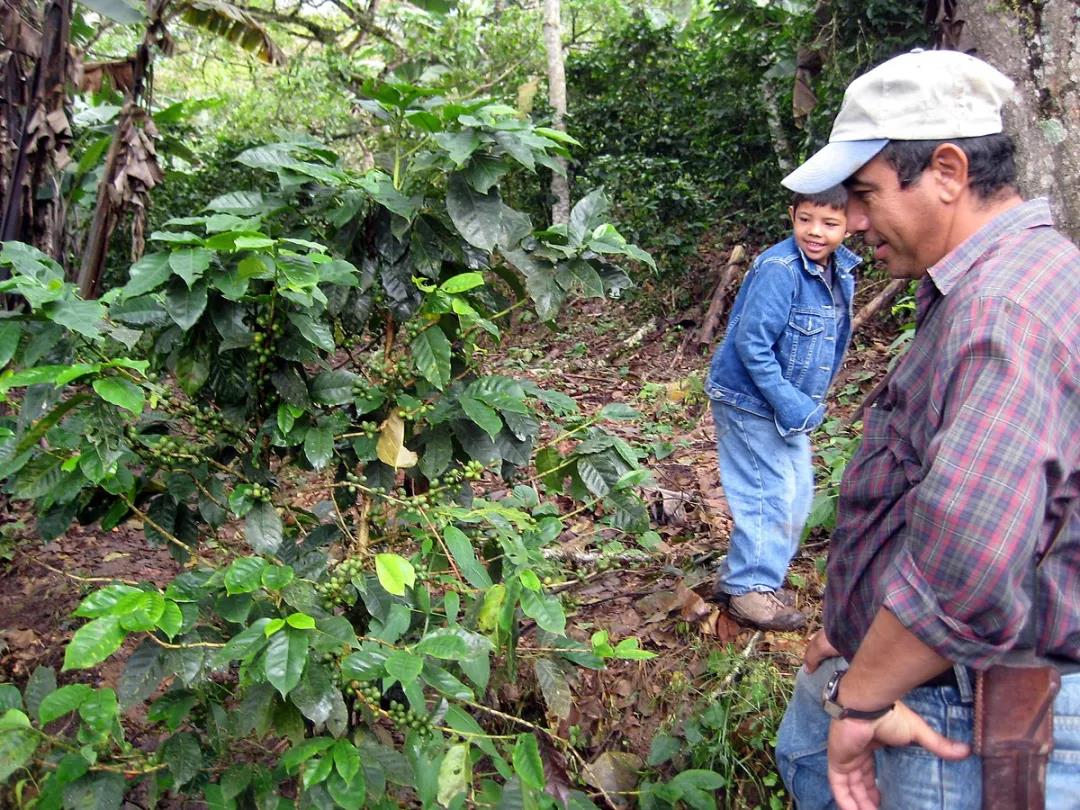
According to the Nicaraguan Producers and Exporters Association, from October 2020 to January 2021 Nicaraguan coffee production declined by 40% compared with the same period.
With Coffee Production Destroyed, What Path Forward for Coffee Farmers?
Because they lack income, some farmers have begun to go hungry. The government is encouraging everyone to stay resilient by improving the soil, reforesting, and planting more crops to reduce the losses that come from depending on a single crop. Farmers have now begun planting other cash crops such as bananas, guavas, and cocoa.
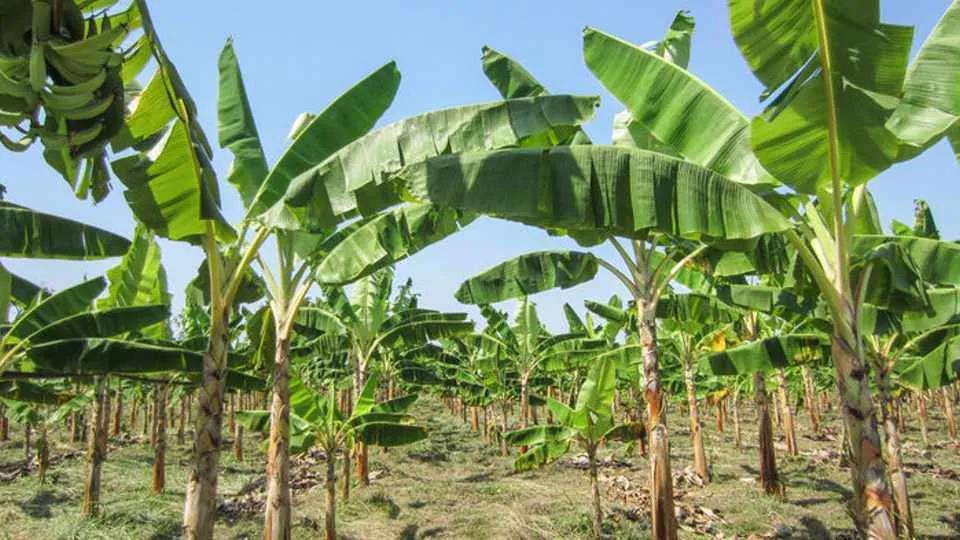
About Cocoa Cultivation
According to local non-profit organizations promoting sustainable development, Nicaragua's average temperature in 2019 was 0.5 to 1 degree Celsius higher than in previous years and is expected to keep rising. Compared with coffee trees, cocoa trees are like a sturdy oak next to a fragile hothouse flower.
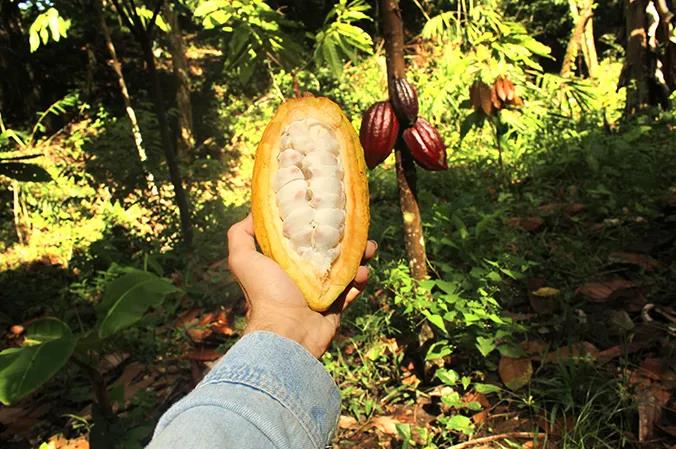
Cocoa trees adapt well to temperature changes and are not susceptible to coffee leaf rust. Both their labor requirements and their cultivation costs are lower than coffee's, and cocoa prices on the market are relatively stable.
FrontStreet Coffee Recommendation
Nicaragua reminds us how much a cup depends on the land and the people who grow it, and Central America's neighbors offer some of the friendliest entry points into specialty coffee. FrontStreet's Costa Rica Mozart comes from just such a region and uses an innovative raisin honey process, a variation that goes past the traditional yellow, red, and black styles: the cherries are pre-dried on raised beds for at least three days before the skin and pulp are removed and the honey steps continue, keeping 100% of the mucilage, which demands strict control of timing. Whether brewed as a pour-over, a cold brew, or a moka pot, it delivers osmanthus, pineapple, and raisin.
Also from Central America, FrontStreet's Costa Rica Blackberry uses a distinctive black honey process, in which almost none of the mucilage is removed, the drying lasts at least 2 weeks, and coverings keep the sun from drying the beans too fast so the sugars convert fully, with the cherries turned at intervals to prevent uneven heating and over-fermentation. Roasted medium-light, it gives off a rich floral aroma when ground and tastes of grapes, berries, and ripe blackberry.
For an approachable, classic Ethiopian contrast, FrontStreet's Gedingding Cooperative coffee comes from the southeastern edge of Yirgacheffe in the Woka area and follows the most traditional washed processing, which is why it is often called Yirgacheffe's last pure land. Grown by smallholders who deliver their cherries to a shared station, it shows fresh, bright citrus and lemon acidity and jasmine fragrance with none of the traditional bitterness, winning drinkers over at the first sip.
Important Notice :
FrontStreet Coffee is a long-established specialty coffee roaster in Guangzhou China, selling freshly roasted beans from its own farm in Yunnan as well as dozens of carefully selected single-origin beans from around the world for both pour-over and espresso. The products deliver consistently excellent quality and great value, with shipping within 24 hours. Guangzhou's FrontStreet Coffee shop is recommended by many coffee lovers, and the beans are now available online at the Tmall 。
FrontStreet Coffee has moved to a new address:
FrontStreet Coffee Address: 315,Donghua East Road,GuangZhou
Tel:020 38364473
 Scan and follow the En Gafei WeChat official account. Please indicate that the reprint comes from "En Gafei".