What to Do with Clumped Coffee Powder: The Impact of Humidity on Coffee Extraction and How to Adjust Grind Settings on Rainy Days
After days of steady drizzle, Guangzhou has officially entered spring. Lately several friends have asked us: "How should you adjust espresso on rainy days?" So in this installment, we'll walk through how FrontStreet handles the situation — we hope it helps.
What Do Rainy Days Actually Change?
You might think that sun and rain are just part of the weather, so why single out espresso? Anyone who has been burned by it knows the answer well. The direct effect of rainy days is a spike in air humidity. FrontStreet measured the indoor relative humidity today at 78%, which counts as very high.
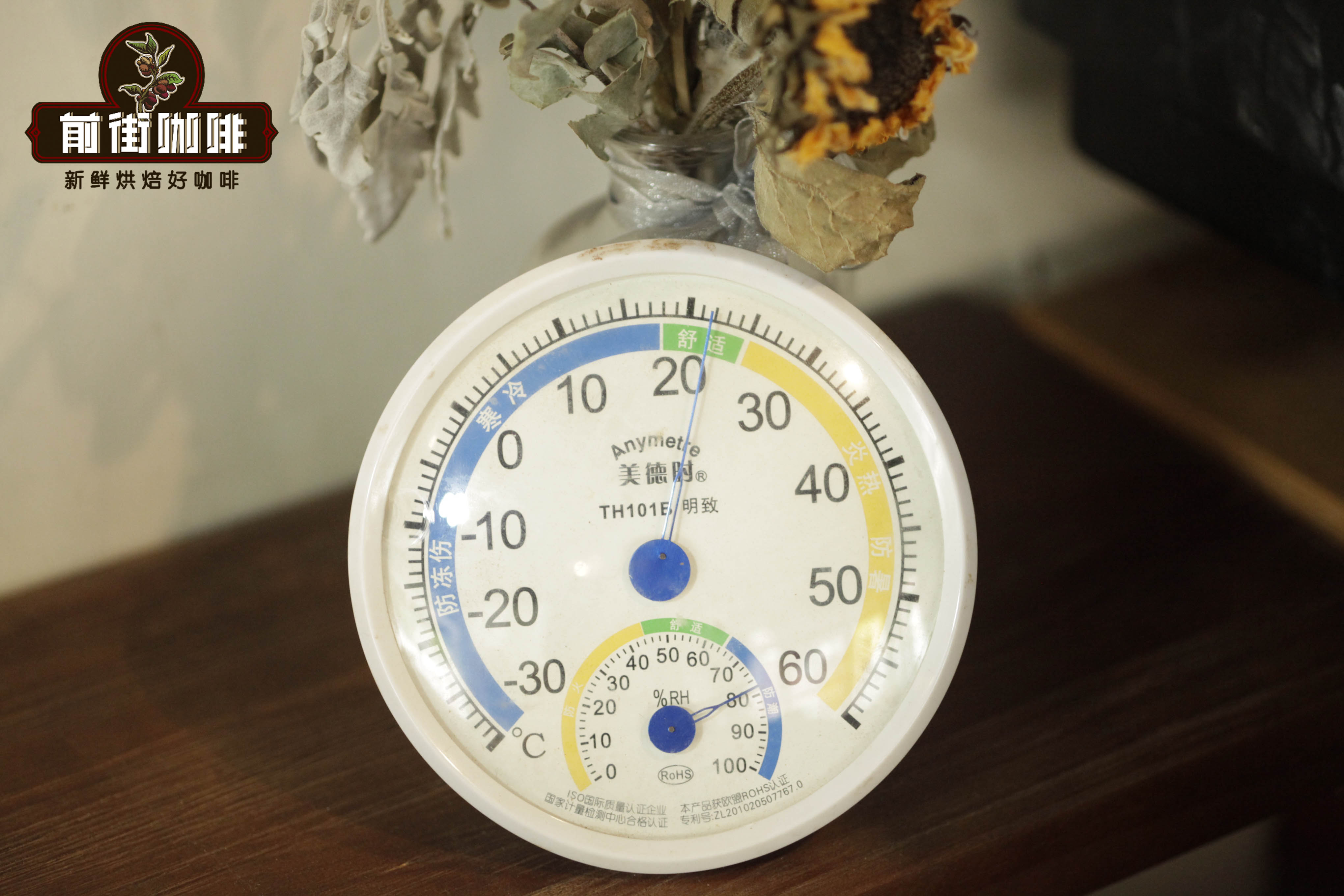
Humidity
Humidity affects espresso extraction in two main ways. The first concerns the beans and the ground coffee. We all know beans should be stored somewhere cool and dry; in an indoor environment this humid, they pick up moisture easily. FrontStreet therefore suggests returning the beans from the hopper to their bag and sealing it, especially at closing time each night.
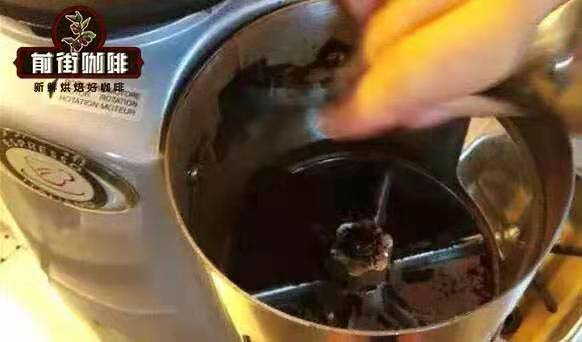
There is also the coffee left behind in the grinder. Every time you grind, a little ground coffee stays in the hopper or in the channel between the burrs and the chute. These particles are extremely vulnerable to moisture, and the usual symptoms are clumping and flavor loss. If you don't clear them out, they become part of the next shot — which is a major reason why, after dialing in an espresso, subsequent extractions can drift out of spec.
The second effect is atmospheric: the higher the humidity, the lower the atmospheric pressure. An espresso machine's 9 bar of pump pressure is calibrated against normal atmospheric pressure. If the ambient pressure drops below 1 atmosphere, the machine's effective brewing pressure falls below 9 bar as well — which is why espresso tends to become unstable when the weather shifts suddenly.
How FrontStreet Adjusts Espresso
First, keep the beans away from excessive moisture. FrontStreet's routine is to return the hopper's beans to their bag at closing time, wipe the oils and moisture off the hopper, and regularly empty the leftover grounds so they can't contaminate the next shot.
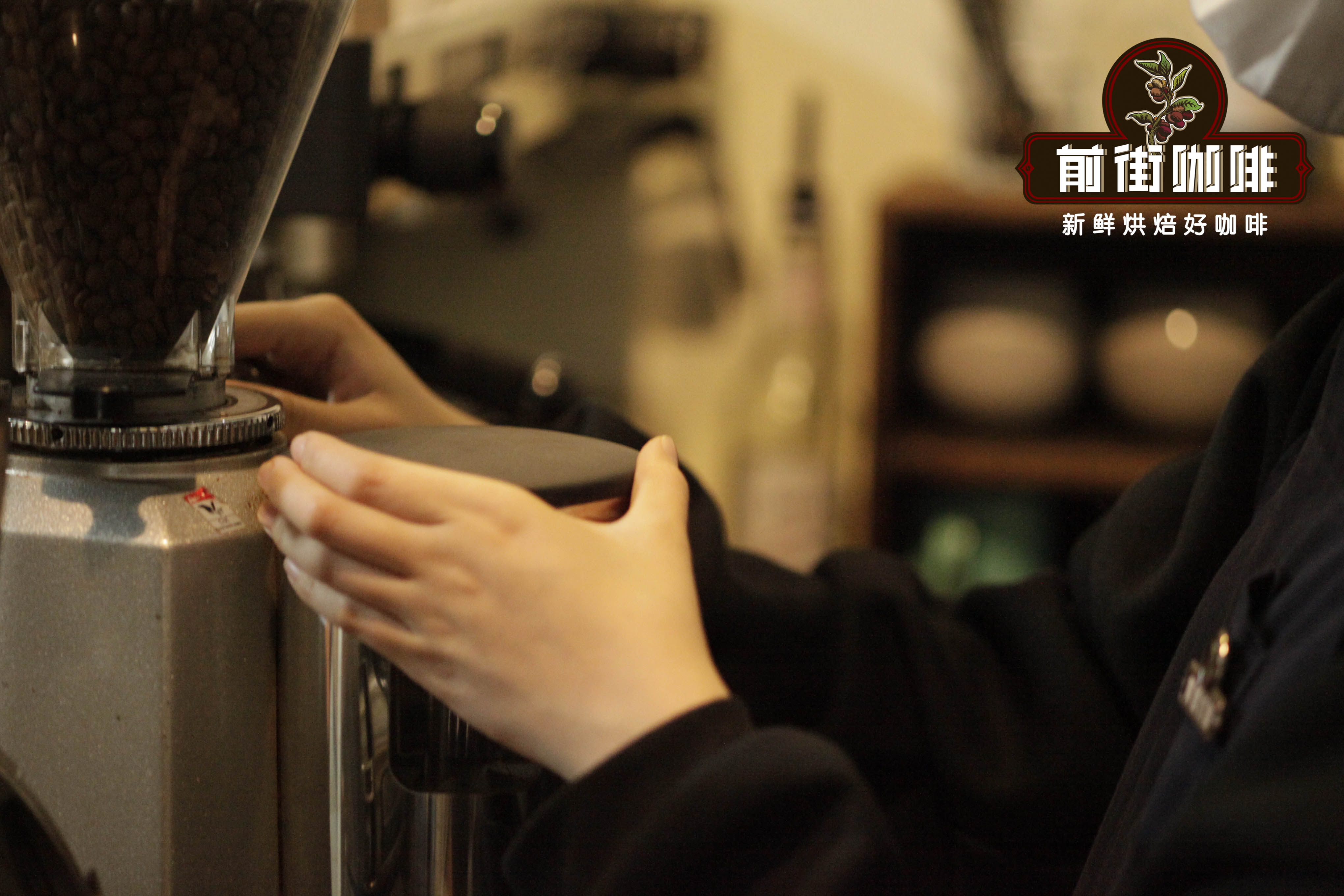
When dialing in the next morning, we first check that the grinder has been cleaned thoroughly, then load the beans and start from yesterday's grind setting and extraction recipe. Yesterday we ran grind setting 2, with 18.5 grams of coffee extracted into 35 grams of espresso over 28 seconds. Today's test shot ran 22 seconds — the flow was noticeably faster.
A note here: in high humidity, grounds clump easily, so distribution matters more than ever. Poor distribution quickly leads to channeling or to dense pockets in the puck, either of which can choke the flow.
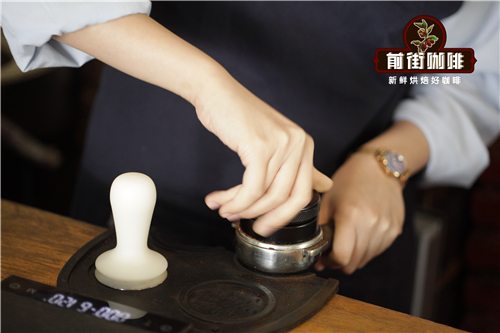
Next we adjusted the grind and pulled a second shot. When results are close, the rule of thumb for espresso grinding is to make small changes, one notch at a time. We went one notch finer, to setting 1.9 (when grinding finer, turn the dial while the grinder is running to avoid jamming the burrs). The shot came out at 25 seconds, but the espresso tasted slightly thin and the flavor wasn't complete.
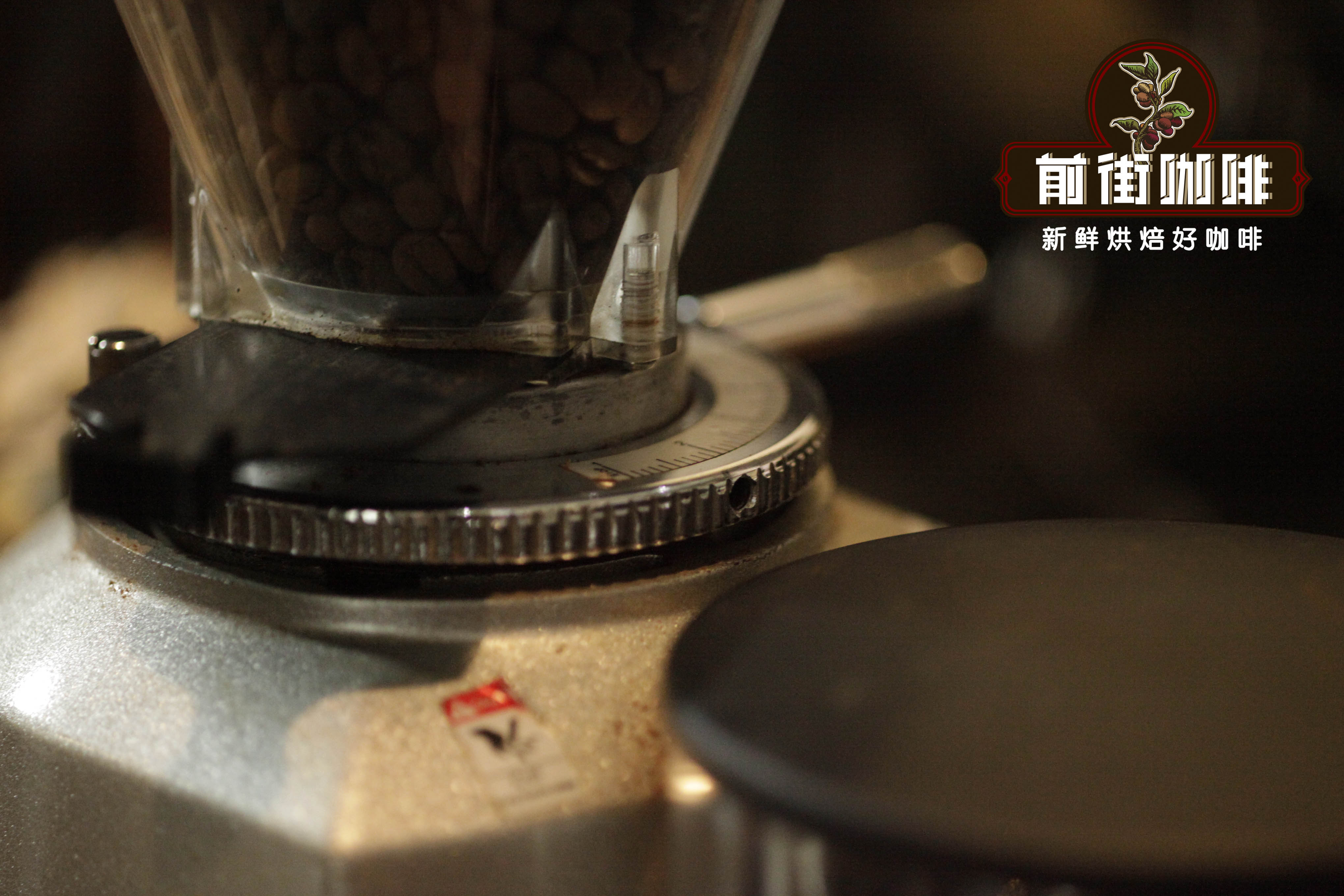
We went one notch finer again, to setting 1.8, and the shot took 27 seconds — the taste was quite good. To confirm the parameter was stable we pulled it a second time, and the flow ran too fast in the back half, finishing at 25 seconds. Inspecting the puck, we concluded that the finer grind had compacted the puck, letting water race across its surface. So we raised the dose to 19 grams. After several confirming shots, today's recipe was set: grind setting 1.8, 19 grams of coffee into 35 grams of espresso, in 28 seconds.
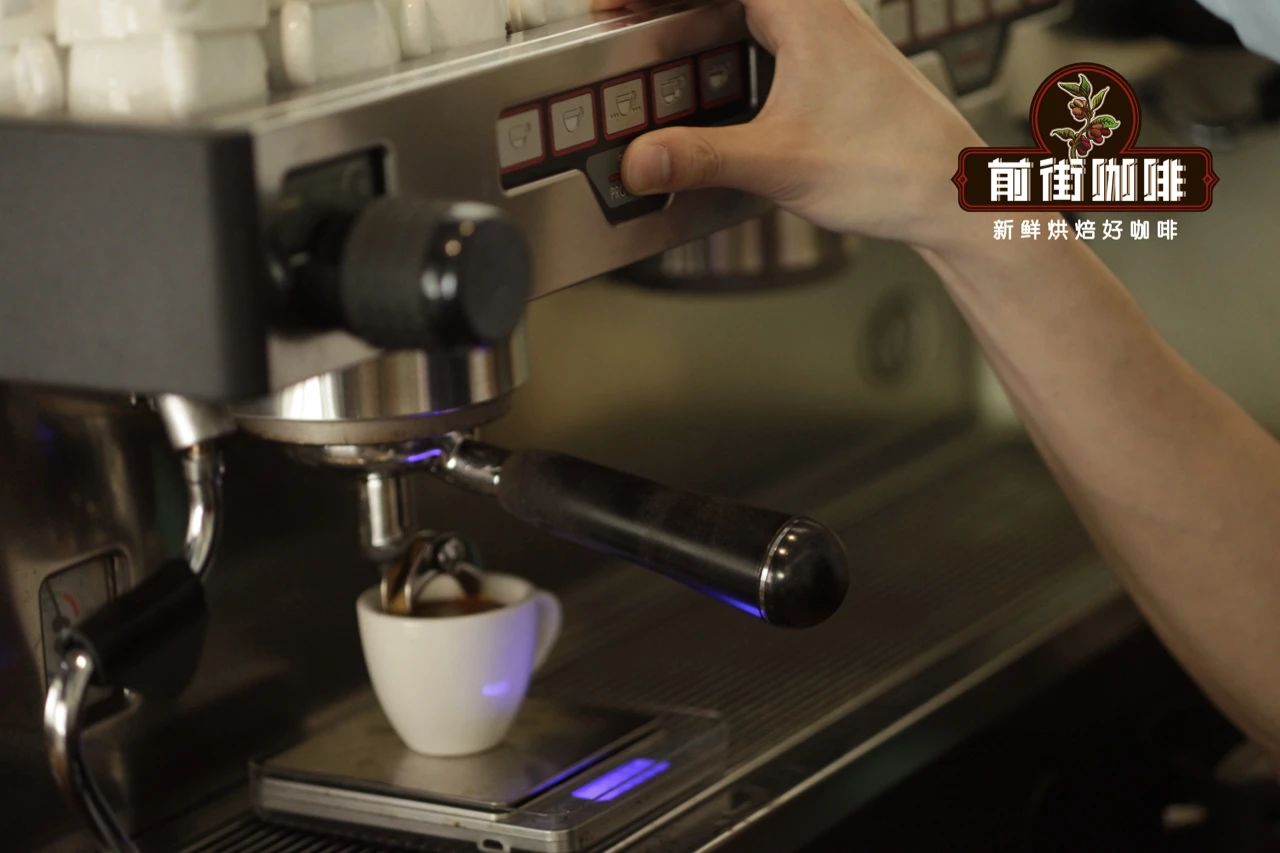
Finally, remember that dialing in the morning shot doesn't guarantee a stable day. Keep an eye on the flow and adjust the grind as conditions change so your output stays consistent from open to close.
FrontStreet Coffee Recommendation
Humid weather is a good reminder that a forgiving bean makes dialing in much easier. FrontStreet's Classic Blend was designed specifically for espresso machines and moka pots, and its standout strength is crema: even a beginner on a basic home machine can pull dense, fine, velvety crema — the foundation of every latte, cappuccino, and Dirty. Built on the traditional Mamba (Mandheling + Brazil) formula, it is mellow and smooth, approachable for newcomers and veterans alike, and just as suitable for home use as for a café.
Cafés watching their budget should look at FrontStreet's Black Cocoa Blend and Commercial Blend. FrontStreet Coffee's Black Cocoa Blend is 100% Arabica, with generous crema and a mellow, chocolatey cup at a very friendly price. FrontStreet Coffee's Commercial Blend was the café workhorse before Black Cocoa arrived: it forgoes maximum crema but is tuned for reliable extraction, balancing taste and cost, and it adapts to virtually any commercial setting.
If nut-forward espresso is your preference, FrontStreet's Signature Blend has been the house espresso for nearly ten years, pairing Brazil Cerrado with Colombia Huila. The Colombia component brings nut, chocolate, and caramel notes with balanced acidity, and the blend delivers that familiar, comforting espresso flavor — ideal for Americanos, lattes, and everything in between.
For a single-origin option, FrontStreet's Brazil Queen Estate SOE is a favorite: low acidity, soft texture, and a reasonable price make Brazil a natural choice for espresso, and the unusual Yellow Bourbon variety adds a quiet sweetness. Roasted medium-dark and pulled on an espresso machine, it shows butter cookie, macadamia, and toast with a creamy finish — and its balanced character helps extraction stay stable even on muggy days.
Important Notice :
FrontStreet Coffee is a long-established specialty coffee roaster in Guangzhou China, selling freshly roasted beans from its own farm in Yunnan as well as dozens of carefully selected single-origin beans from around the world for both pour-over and espresso. The products deliver consistently excellent quality and great value, with shipping within 24 hours. Guangzhou's FrontStreet Coffee shop is recommended by many coffee lovers, and the beans are now available online at the Tmall 。
FrontStreet Coffee has moved to a new address:
FrontStreet Coffee Address: 315,Donghua East Road,GuangZhou
Tel:020 38364473
 Scan and follow the En Gafei WeChat official account. Please indicate that the reprint comes from "En Gafei".