Why Does Pour-Over Coffee Have Foam? Is Foam in Pour-Over Coffee Good or Bad?
Introduction
When brewing pour-over coffee, many people find it therapeutic to build up rich coffee foam. Have you ever wondered where that foam comes from and how it affects the flavour of the brew?
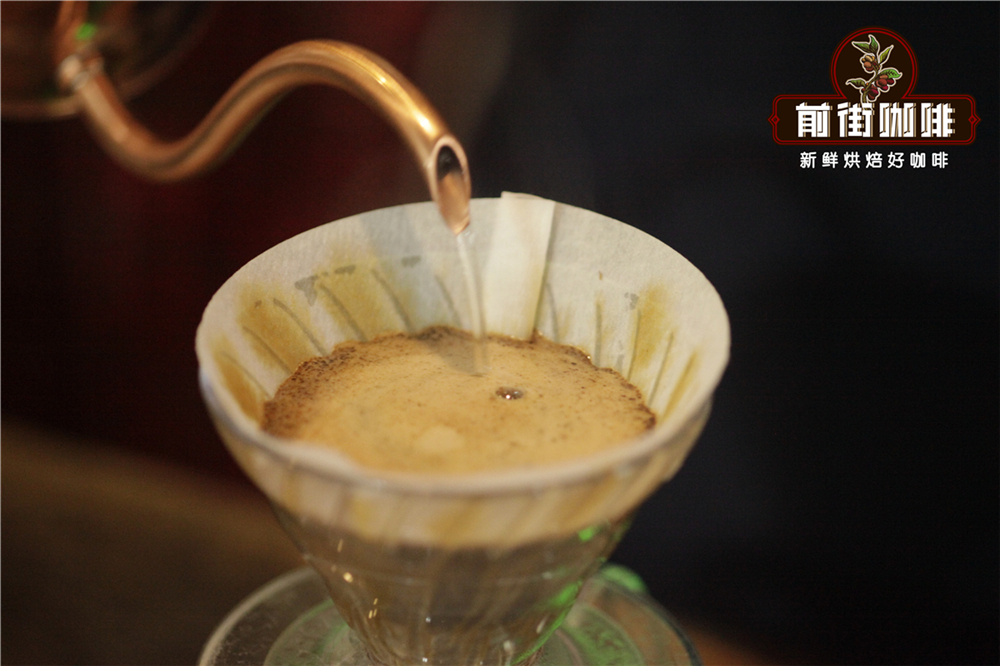
Coffee Foam
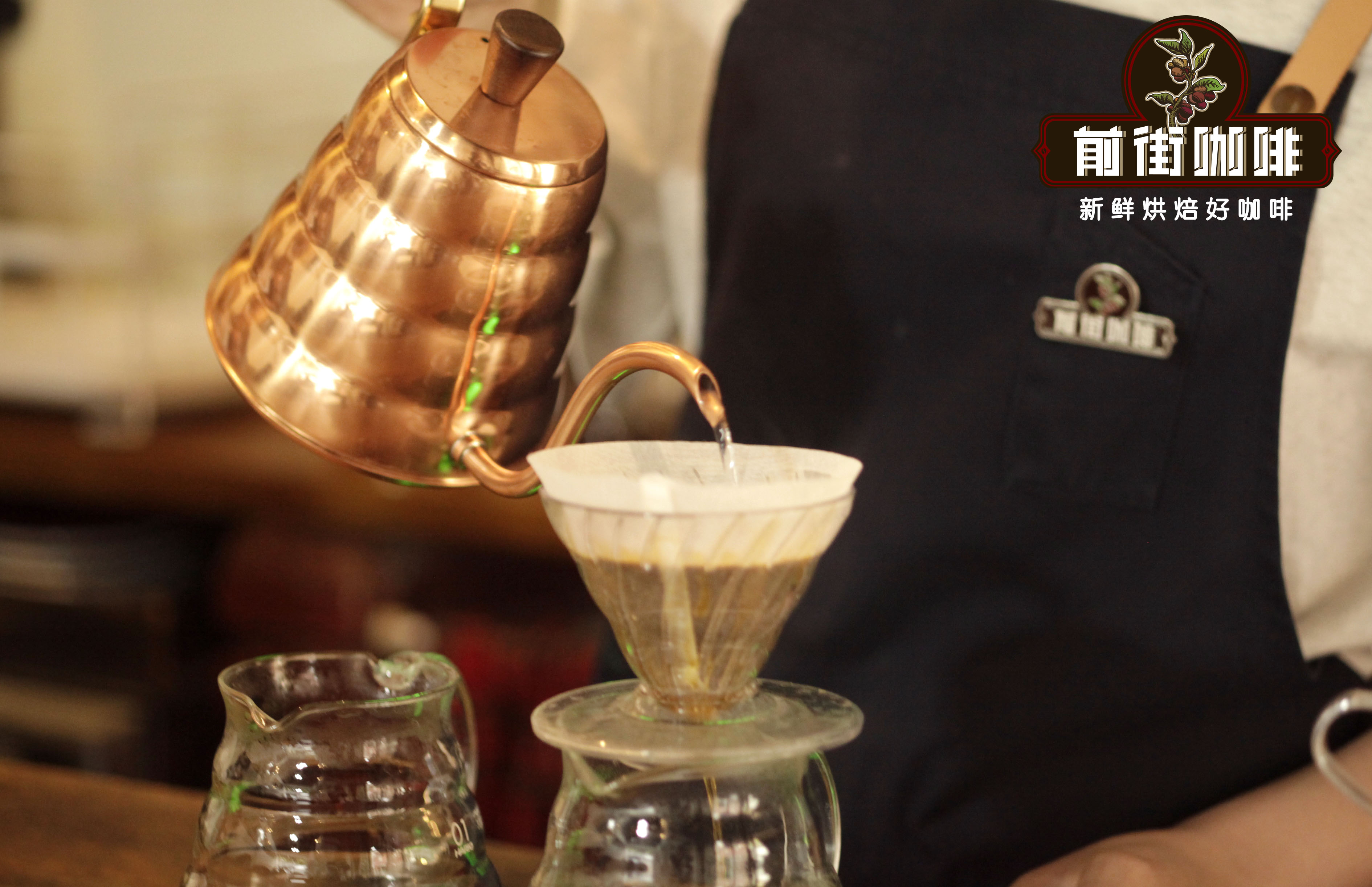
Anyone who has brewed pour-over coffee has seen rich foam rise during the first pour after the bloom. The foam in the early pouring stage looks golden-yellow, while the foam from later pours gradually turns white and becomes thinner.
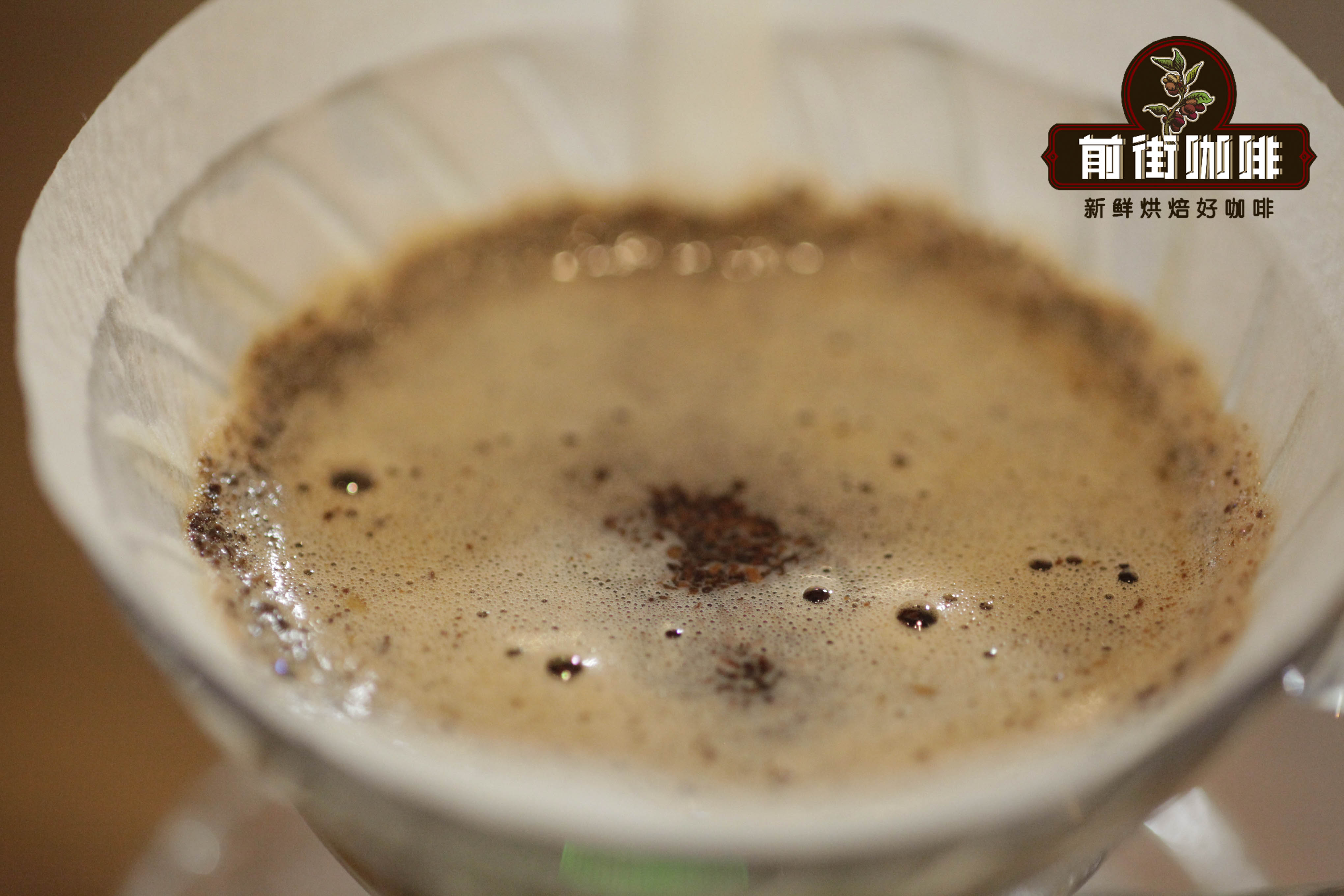
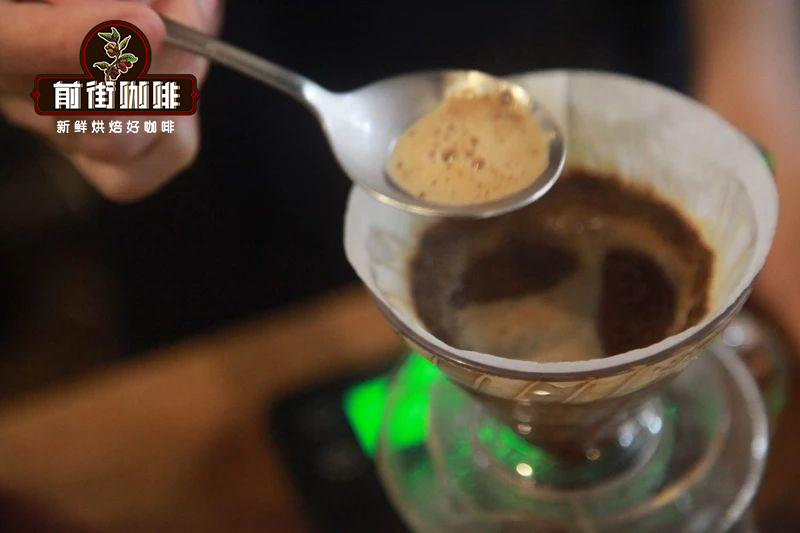
To uncover the mystery of this foam, FrontStreet Coffee decided to scoop up the floating foam during brewing and examine it. FrontStreet Coffee normally uses a three-stage pour to brew Yirgacheffe (medium-light roast) and Brazil Queen Estate Yellow Bourbon (medium-dark roast). After the second pour, the surface foam was scooped off with a spoon.
During brewing we could observe that the foam from the medium-light roast Yirgacheffe was noticeably thinner and lighter in colour than that of the medium-dark roast Yellow Bourbon.
Looking at the scooped surface foam, we could see it was made up of three parts: coffee oils, extremely coarse grounds and extremely fine grounds. The fine grounds were particularly evident in the medium-dark roast coffee.
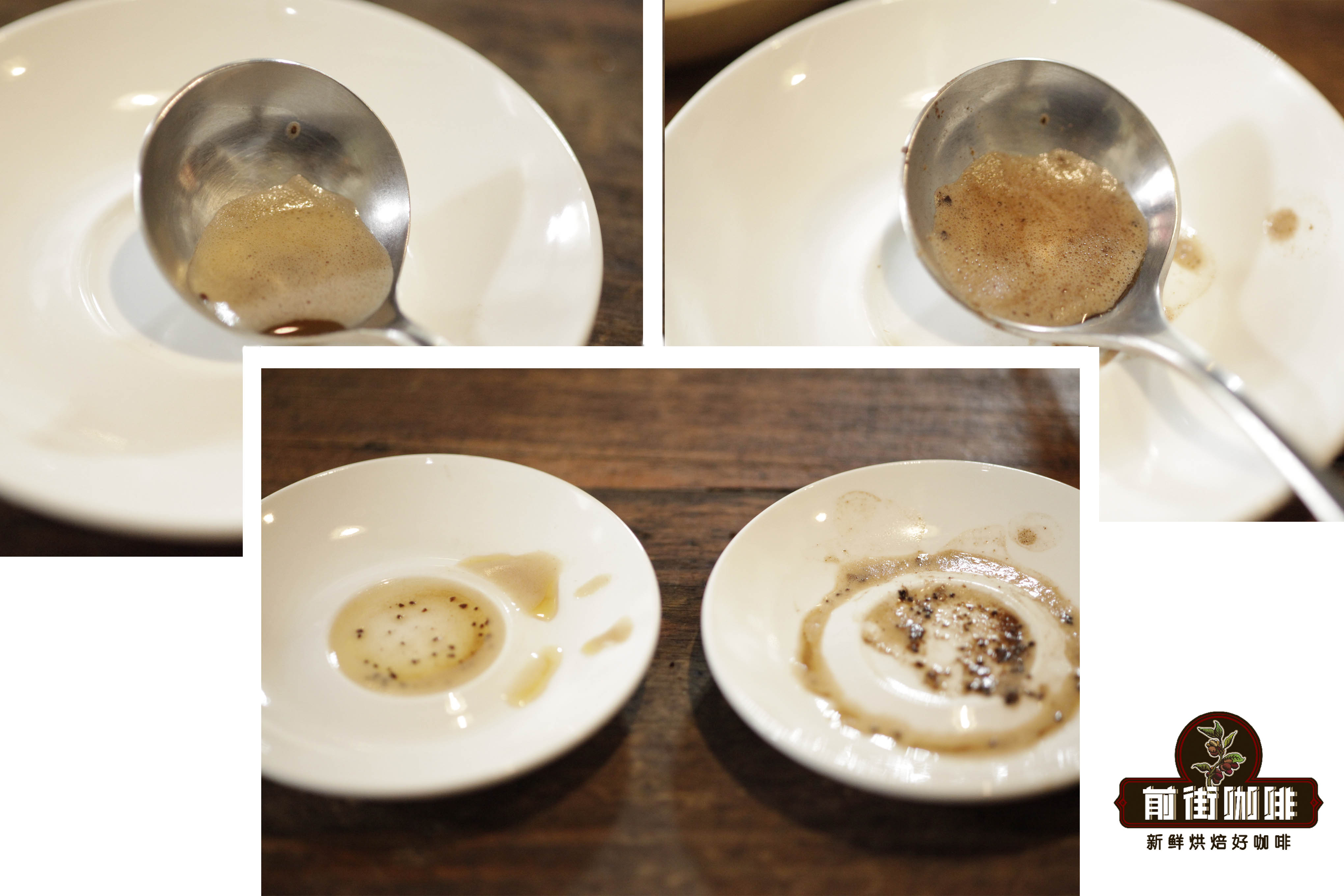
From these two comparisons we can see that the initial foam looks dark brown or golden-yellow because extremely coarse grounds have low water absorption and low weight, so they float on the surface at first. As continuous pouring washes over them, the coarse grounds gradually become saturated, turn heavier and sink to the bottom. The foam on the surface therefore becomes progressively lighter and whiter. Some extremely fine grounds, being light themselves, are easily lifted by the foam and float on the surface.
What Does Foam Taste Like?
After daring to taste a sip of the coffee foam, the texture clearly felt rough with coffee particles. The flavour was not as negative as imagined, showing slight woody and roasted notes along with other off-flavours. Tasted on its own it was not especially unpleasant, but if these flavours appeared in a cup of coffee they would certainly count as negative.
So if the flavour of the foam is so negative, would removing it during brewing give a better cup? To test this, FrontStreet Coffee brewed two versions using Queen Estate Yellow Bourbon beans: a normal version, and one in which the foam was scraped off after the second pour before the final pour. FrontStreet Coffee found that the coffee with the foam scraped off was noticeably thinner in texture and had more muddled flavours.
Coffee with Foam Is Actually Better Than Without
If you have brewed with stale coffee beans, you have probably seen sparse or even no foam on the surface. In that case, the fine grounds that would normally float sink to the bottom and take part in more thorough extraction, drawing woody flavours and other off-flavours into the coffee. Fine grounds settling at the bottom can also clog the drainage holes and create a risk of over-extraction. This is exactly why stale beans tend to produce woody, muddled flavours when brewed.
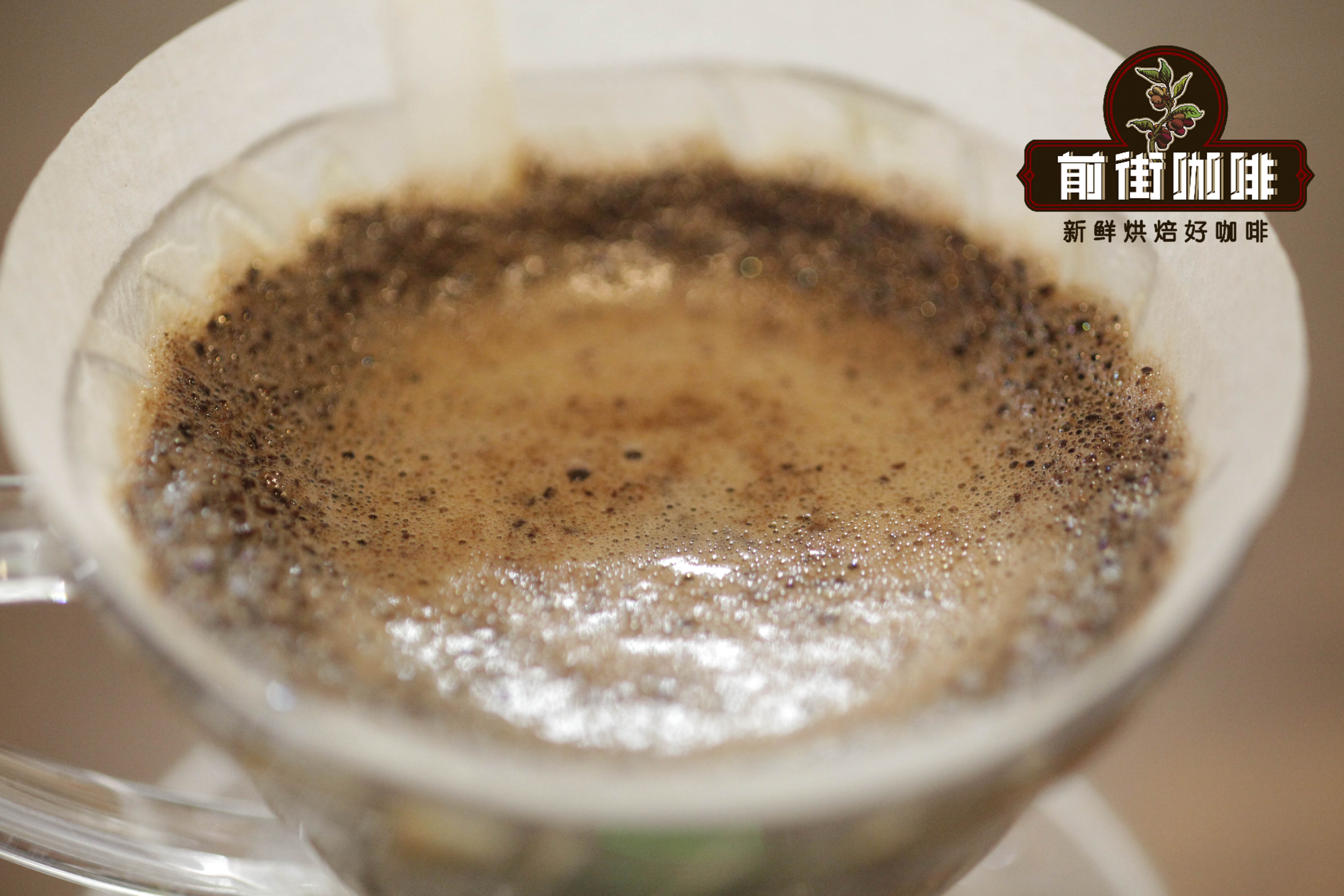
Although the foam absorbs fine grounds and shows undesirable flavours, it stays floating on the surface in the filter cup. Since the coffee liquid flows from the top down, those negative flavours have difficulty reaching the coffee in the server. Some traditional Japanese brewing schools hold that foam is the source of bitterness and off-flavours, so during the final pour they use a large water flow to push the foam upward, then cut the flow to keep the foam's bitter, off-flavours out of the finished brew.
FrontStreet Coffee Recommendation
Foam is a good sign that the beans are fresh, and the coffee used in this test is a fine example. FrontStreet Coffee Washed Yirgacheffe Daily Bean is the most familiar expression of the region: white jasmine florals, bright citrus and lemon acidity and a tea-like body, at a friendly price, and for many people it is the first specialty coffee they ever taste. Brewed medium-light, its foam stays thin and light, exactly as described above.
Yirgacheffe is a small town in the Sidama zone of southern Ethiopia at roughly 1,700-2,100 meters, with coffee trees planted above 1,800 meters, making it one of the highest coffee regions in the world. Its fame grew so large that the Ethiopia Commodity Exchange finally separated it from Sidamo in 2010.
For a more refined washed lot, FrontStreet Coffee Yirgacheffe Gotiti Cooperative comes from the Gotiti village team in the Woka area of southeastern Yirgacheffe. The washed process brings out jasmine and bright citrus to the fullest, and at a medium-light roast it unfolds into green tea and honey, working well as pour-over, cold brew or espresso. If you prefer the sweeter side, FrontStreet Coffee Natural Red Cherry is a whole-cherry natural that keeps the classic Yirgacheffe profile while adding tropical fruit, a berry-juice sweetness, honeyed sweetness and a creamy smoothness.
Important Notice :
FrontStreet Coffee is a long-established specialty coffee roaster in Guangzhou China, selling freshly roasted beans from its own farm in Yunnan as well as dozens of carefully selected single-origin beans from around the world for both pour-over and espresso. The products deliver consistently excellent quality and great value, with shipping within 24 hours. Guangzhou's FrontStreet Coffee shop is recommended by many coffee lovers, and the beans are now available online at the Tmall 。
FrontStreet Coffee has moved to a new address:
FrontStreet Coffee Address: 315,Donghua East Road,GuangZhou
Tel:020 38364473
 Scan and follow the En Gafei WeChat official account. Please indicate that the reprint comes from "En Gafei".