Detailed Illustrated Guide to Making Coffee with AeroPress - Principles of AeroPress Coffee Extraction
Introduction to the AeroPress
At first glance the AeroPress looks like a syringe, and without a closer look you would never guess it is a coffee brewer. Look again, though, and you will find there are even competitions dedicated entirely to brewing with it. What exactly is this odd little device?
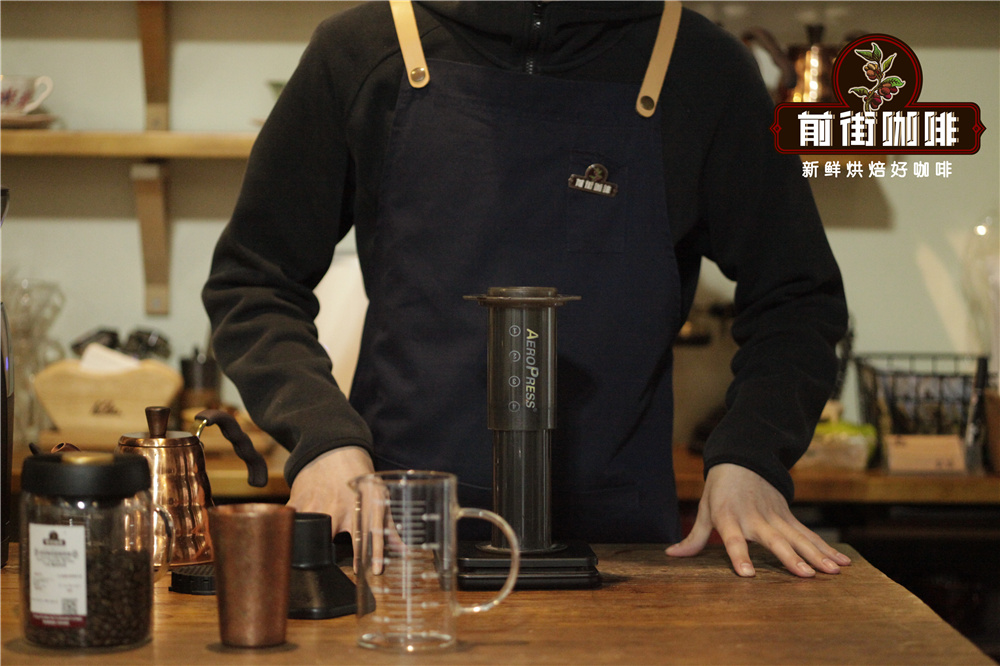
Anatomy of the AeroPress
Like many brewers FrontStreet Coffee has covered before, the AeroPress breaks down into three main parts: the chamber, the filter cap, and the plunger. It also comes with dedicated circular filter papers, an AeroPress stirrer, and a funnel. In effect it combines the immersion extraction of a French press, the paper filtration of pour-over coffee, and the pressurized extraction of an espresso machine. Its working principle is simple: mix coffee grounds with hot water, then use the plunger to pressurize air through the filter cap, extracting a coffee with a clean flavor profile.
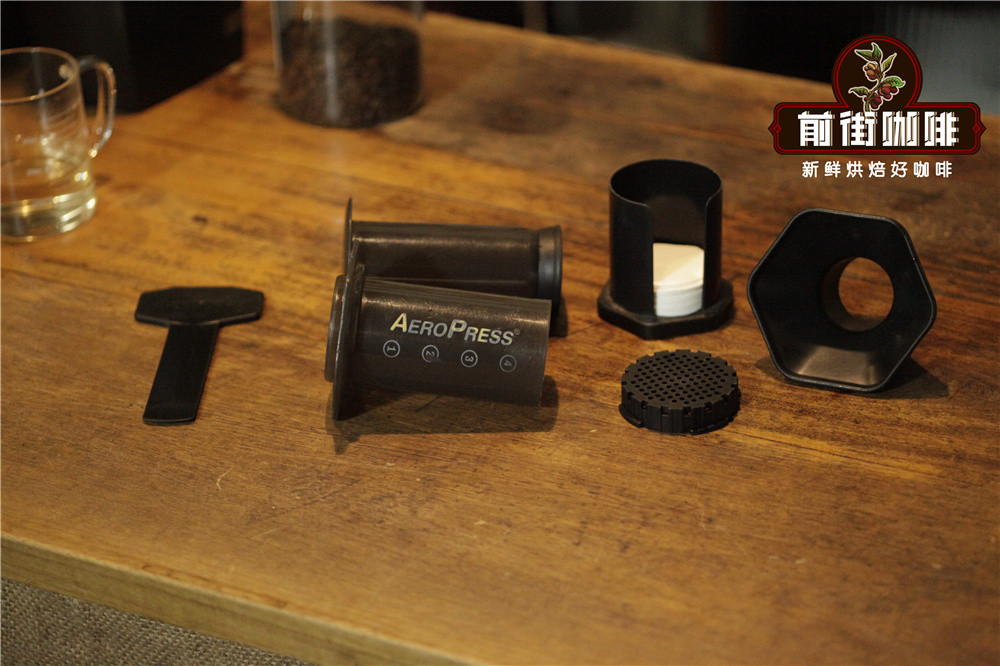
AeroPress Tutorial
It is worth noting that AeroPress brewing comes in two styles: the standard method and the inverted method. The standard method places the chamber upright on a cup, adds ground coffee and a measured amount of hot water, stirs, inserts the plunger, and then presses down to extract.
The inverted method first attaches the plunger to the chamber and turns the whole assembly upside down; you then add coffee and hot water, stir, attach the filter cap, and finally flip it over onto a cup for pressurized extraction.
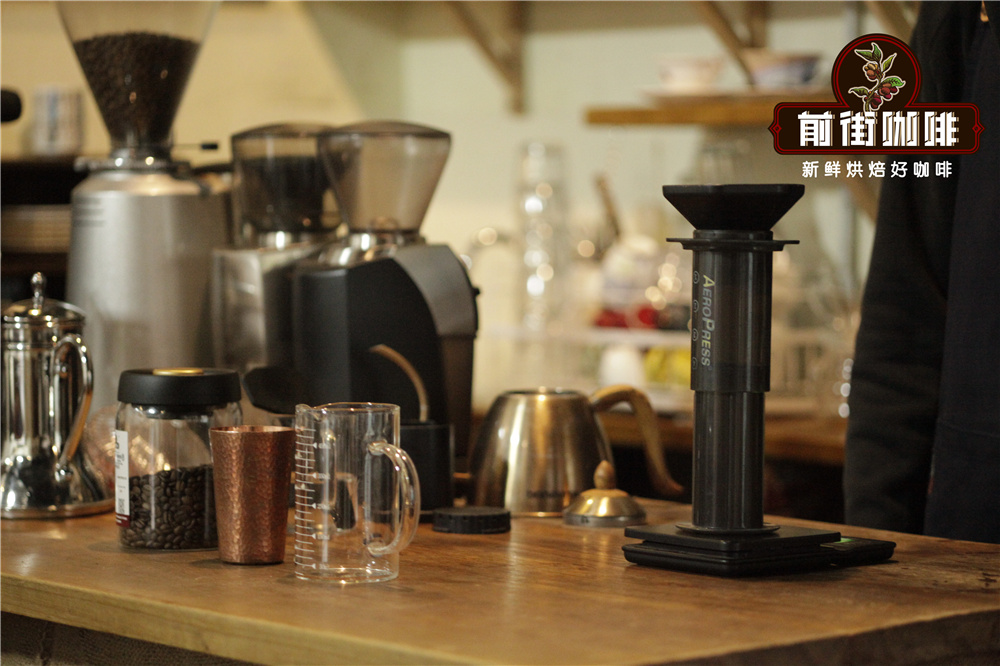
The demonstration bean here is FrontStreet Coffee's Brazil Queen Estate Farm, a medium-dark roasted Yellow Bourbon with distinct roasted-peanut aromas, rich oils, and a nutty aftertaste. Because the extraction is very short, the AeroPress generally needs a finer grind than pour-over. FrontStreet Coffee sets it to an 85% pass rate through a #20 standard sieve, essentially powdered-sugar fineness, with the water temperature at 90°C.
Standard Method
1. First, press a circular filter paper onto the filter cap and wet it so it adheres properly;
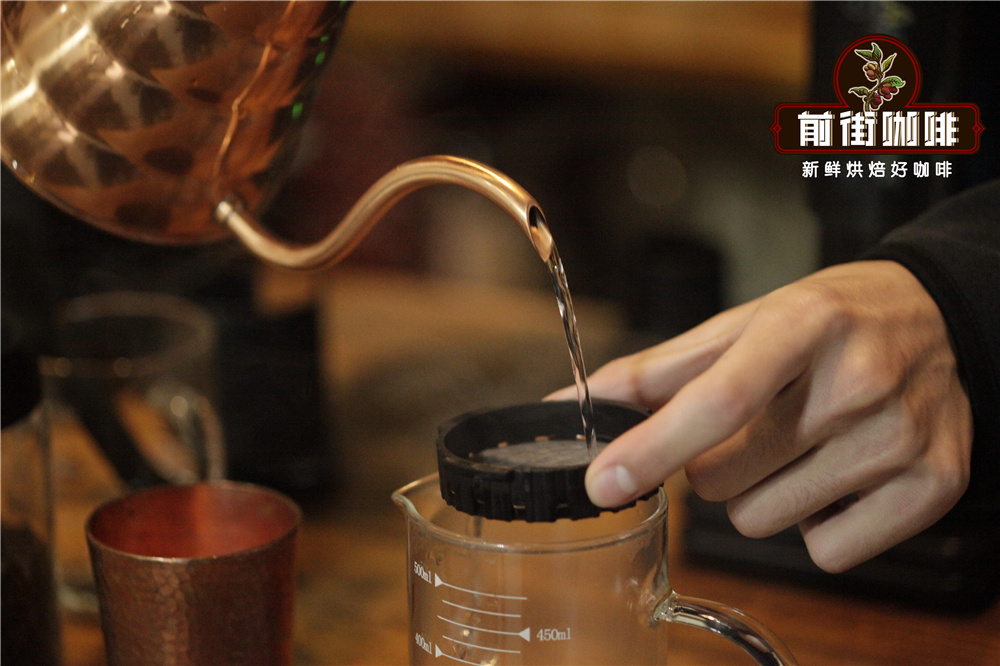
2. Screw the filter cap onto the chamber and set it upright over a cup;
3. Place the funnel and pour in 15 grams of ground coffee;
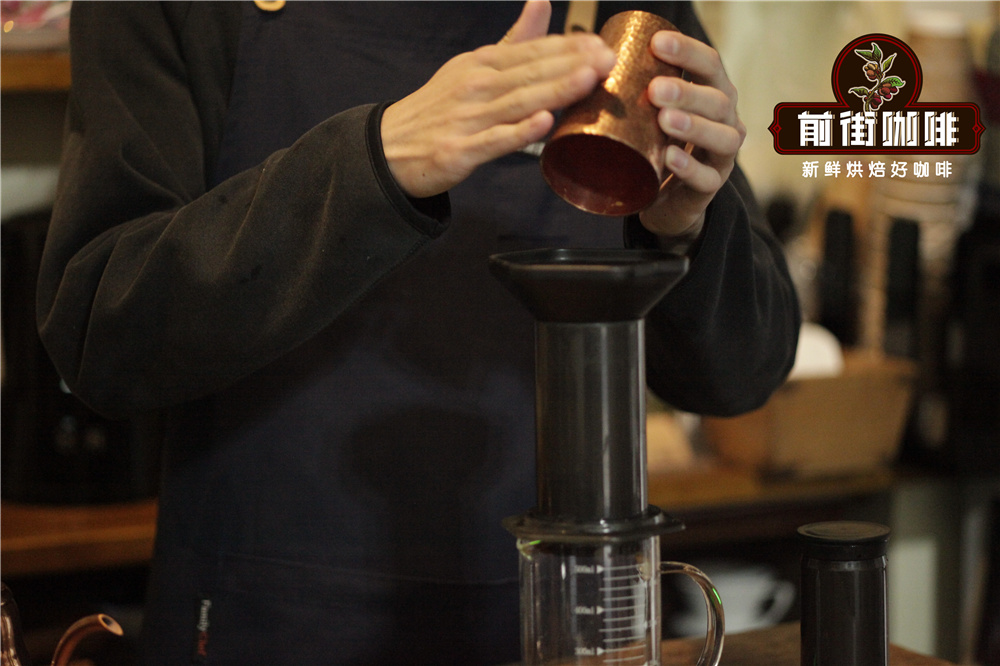
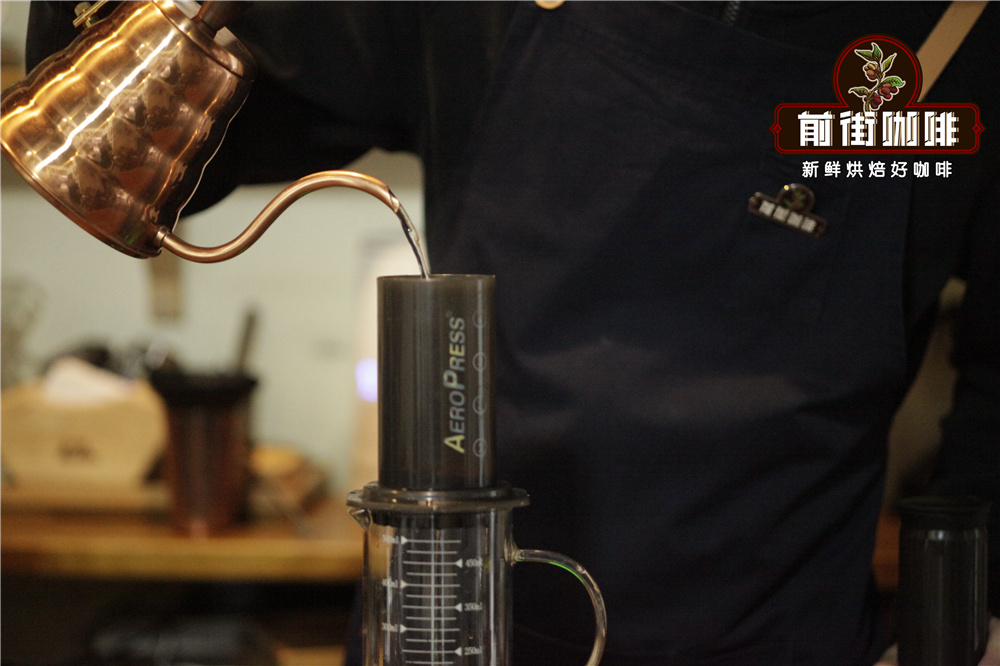
4. Start the timer and pour hot water up to the "4" marking on the chamber;
5. Use the stirrer to give the grounds a brief stir, making sure every bit of coffee is wetted.
6. Insert the plunger. Because the standard method lets coffee drip into the cup below, adding water, stirring, and inserting the plunger must all happen quickly. Once the plunger is seated, the airtight seal stops the dripping.
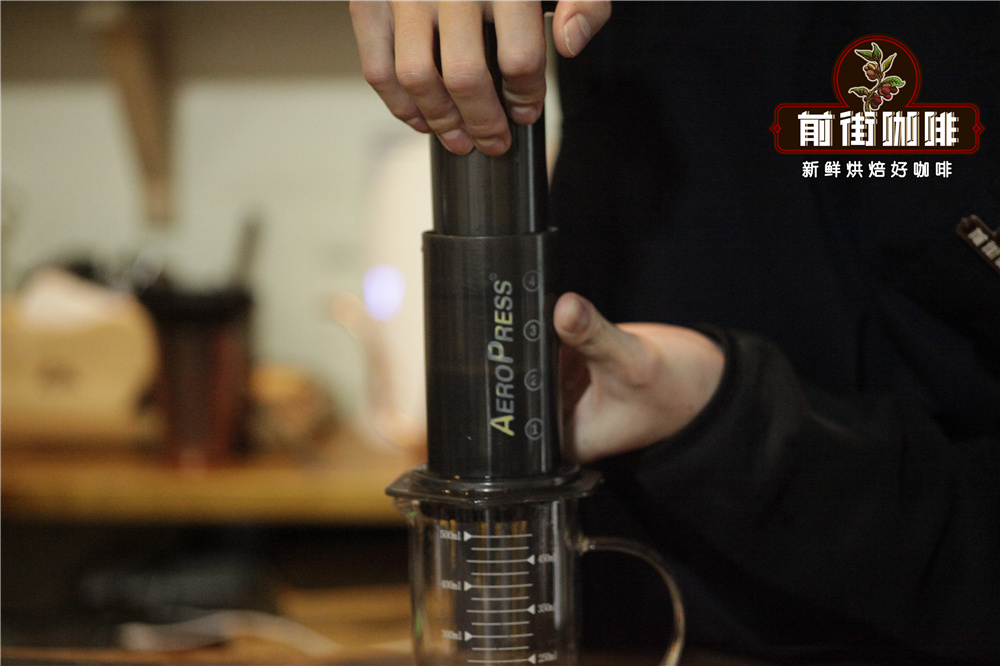
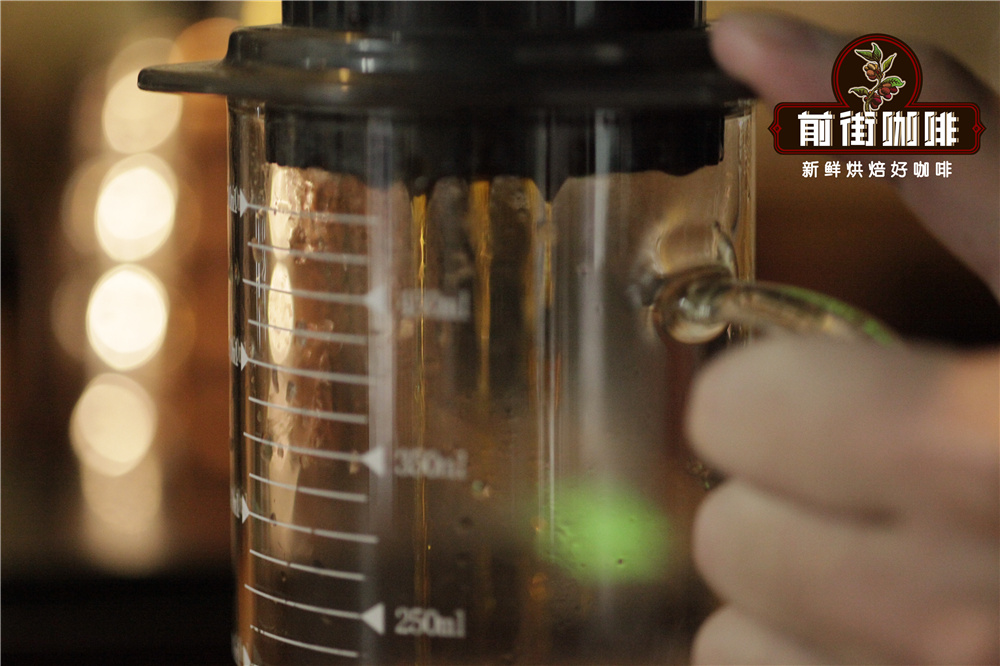
7. After 1 minute, begin pressing. The pressure forces the coffee into the cup below. The whole process takes 1 minute and 20 seconds.
Inverted Method
1. Assemble the chamber and plunger, press the plunger in to the "4" marking, and set the assembly upside down on the table.
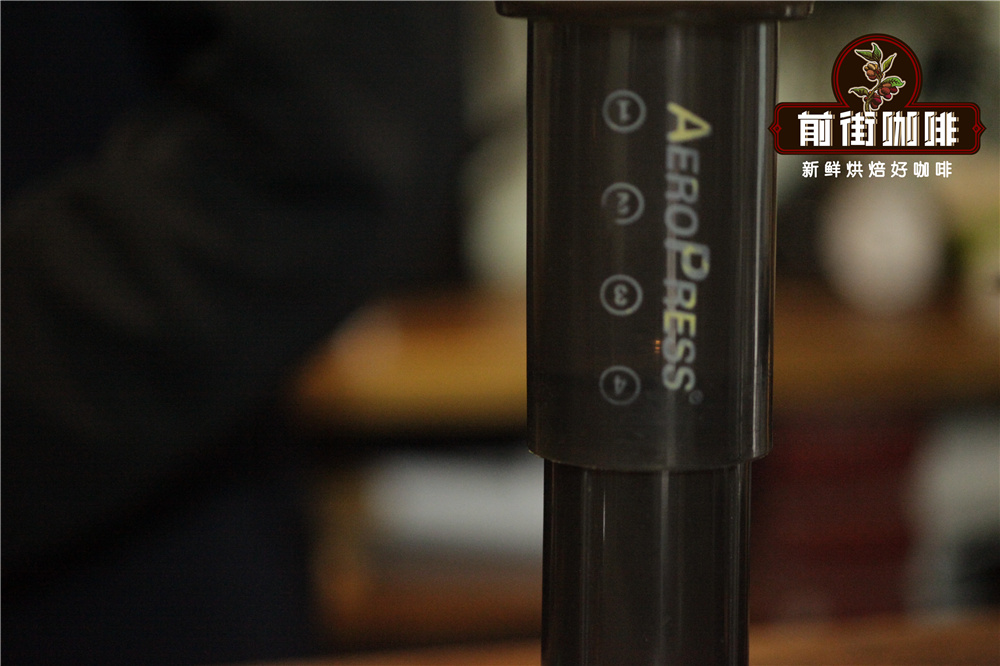
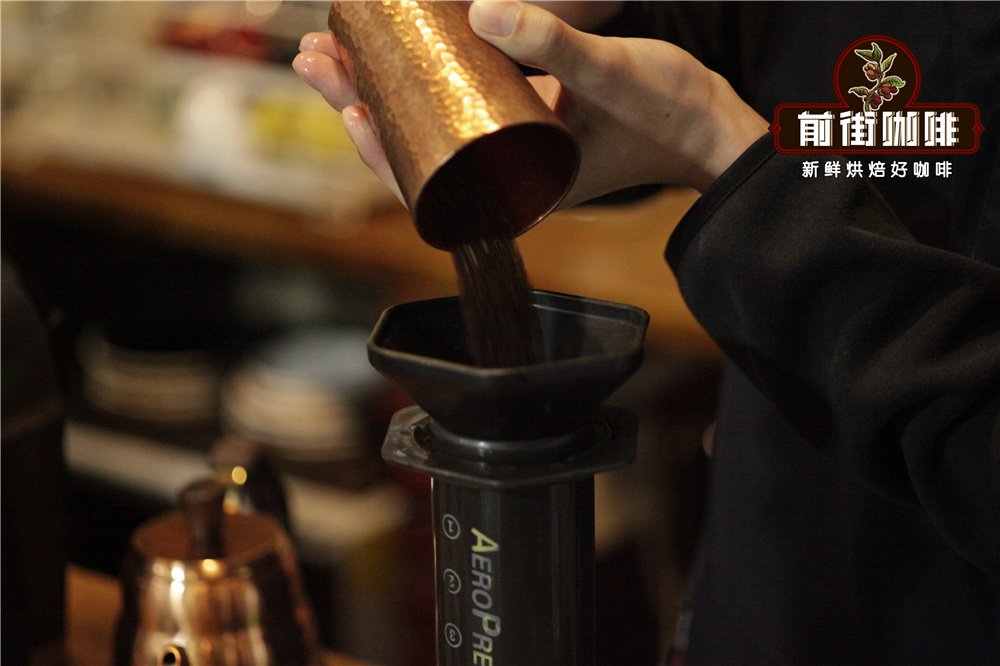
2. Place the funnel and pour in 15 grams of ground coffee.
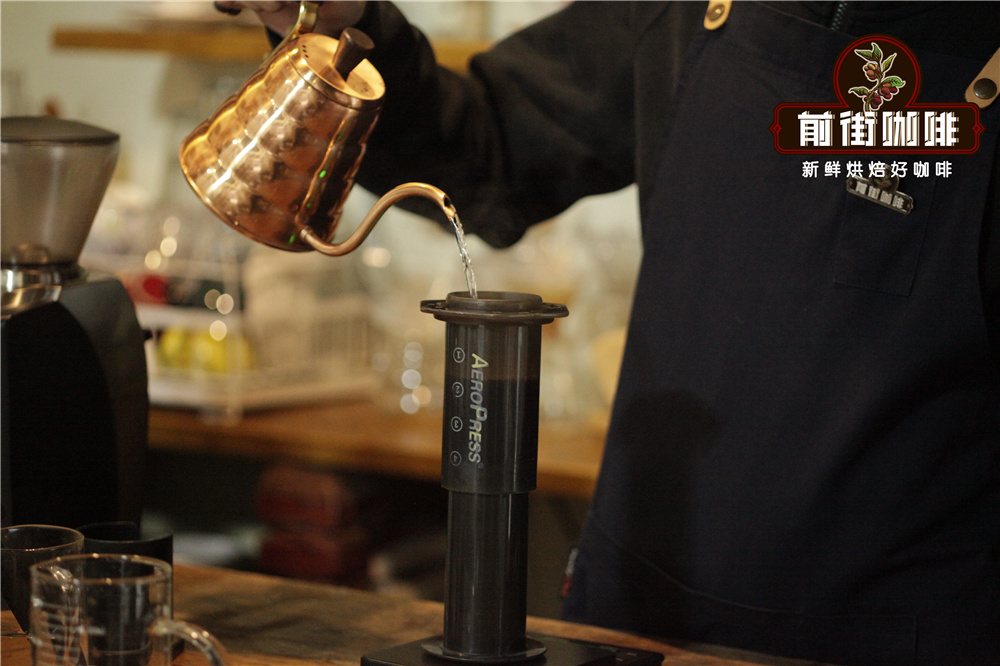
3. Start the timer, then pour hot water until the chamber is full.
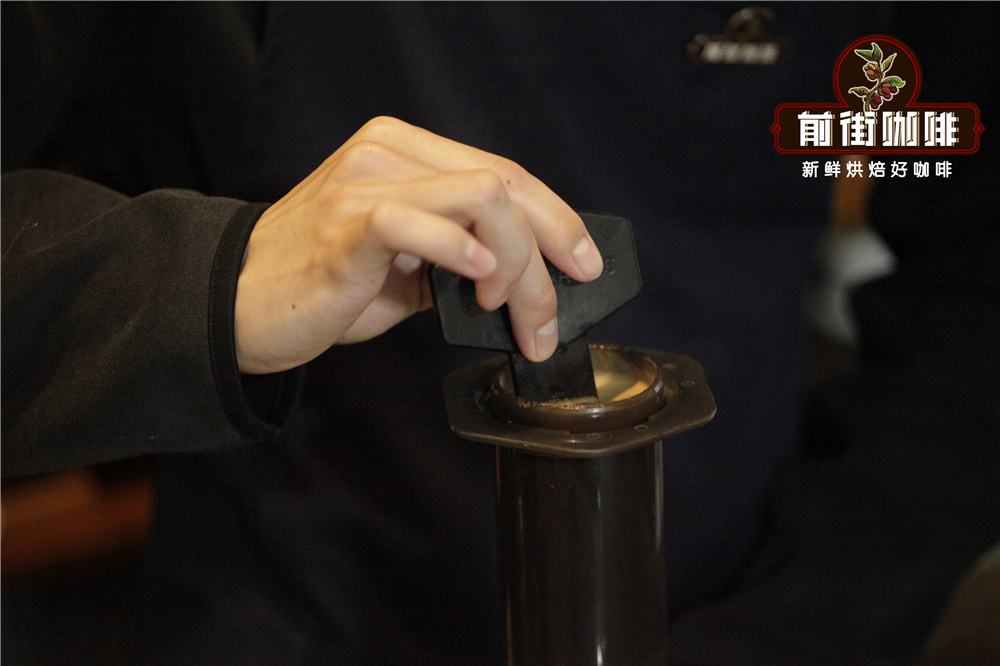
4. Use the stirrer to mix the grounds evenly until a golden crema forms on the surface.
5. Attach the filter cap, then flip the chamber onto a cup. This move must be quick to keep the coffee from spilling.
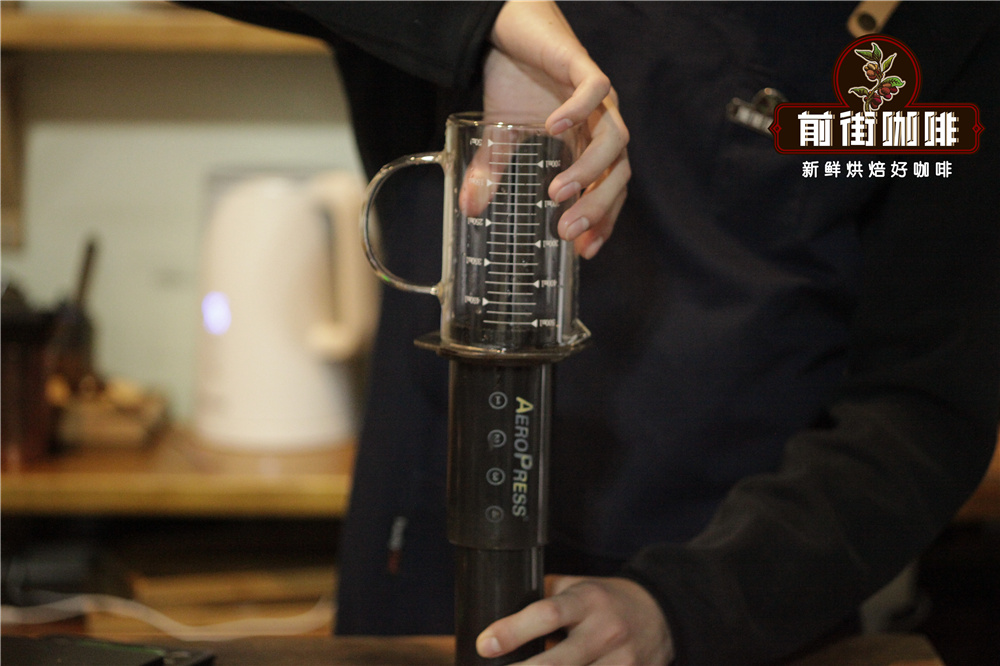
6. After 1 minute, begin pressing. The coffee is pressed into the cup. The whole process takes 1 minute and 20 seconds.
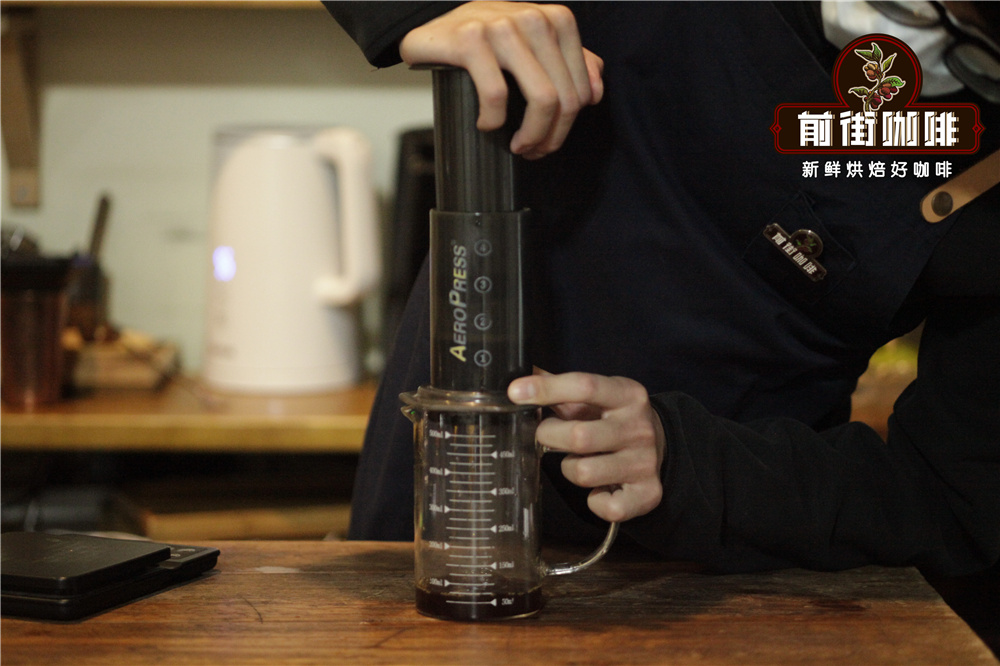
Between the two methods, FrontStreet Coffee prefers the inverted one: it is easier to master and more forgiving. With the standard method, water drips into the cup while you are still pouring, which makes the brew harder to control.
FrontStreet Coffee Recommendation
The AeroPress, like the French press, is an immersion brewer, the coffee steeps directly in the water, which is why both reward the right bean. If you want a low-acid black coffee with a full, oily body, FrontStreet Coffee recommends its PWN Golden Mandheling, one of Asia's best-known specialty coffees. It goes through three rounds of hand sorting plus one machine sorting, so the beans are even and bright; after a medium-dark roast they carry rich aromas of spice, caramel, cedar, and dark chocolate, and brew into a coffee with a thick, velvety body and pleasant richness. For the AeroPress, use the parameters above, 15g of coffee, a fine powdered-sugar grind (85% pass through a #20 sieve), 90°C water, and one of the two methods described, and this bean will reward you with a clean yet heavy cup.
Important Notice :
FrontStreet Coffee is a long-established specialty coffee roaster in Guangzhou China, selling freshly roasted beans from its own farm in Yunnan as well as dozens of carefully selected single-origin beans from around the world for both pour-over and espresso. The products deliver consistently excellent quality and great value, with shipping within 24 hours. Guangzhou's FrontStreet Coffee shop is recommended by many coffee lovers, and the beans are now available online at the Tmall 。
FrontStreet Coffee has moved to a new address:
FrontStreet Coffee Address: 315,Donghua East Road,GuangZhou
Tel:020 38364473
 Scan and follow the En Gafei WeChat official account. Please indicate that the reprint comes from "En Gafei".