Latte Art Pouring Techniques for Beginners: What Milk to Use and the Importance of Pre-Pour Integration

Latte is one of the most common coffee drinks. Watching a barista pour milk into espresso and, in the blink of an eye, produce a beautiful and delicious latte looks effortless. Making a tasty, visually appealing latte, however, is not as easy as it seems, and one of the major challenges is integration. If you want to sharpen your latte art skills, let FrontStreet Coffee guide you.
Integration
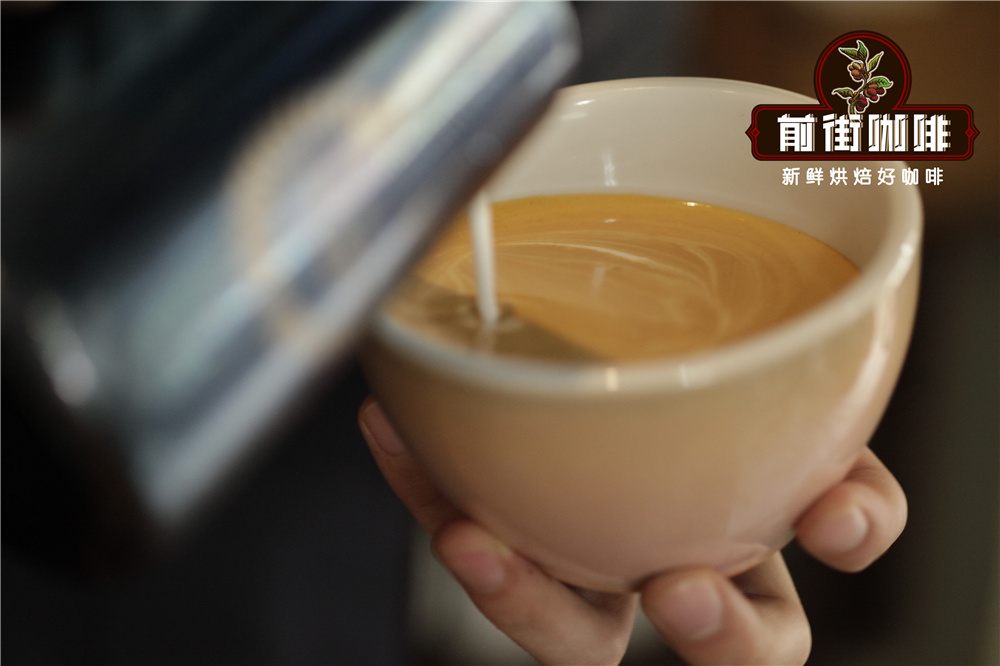
Integration means thoroughly mixing part of the milk with the espresso. The goal is not only to make the latte art look good but, more importantly, to ensure the flavor is consistent. Imagine a coffee that was not properly integrated - the ratio of coffee to milk inside the latte will be inconsistent. The first sip might be too bitter, while the second tastes overwhelmingly milky, spoiling the overall experience.
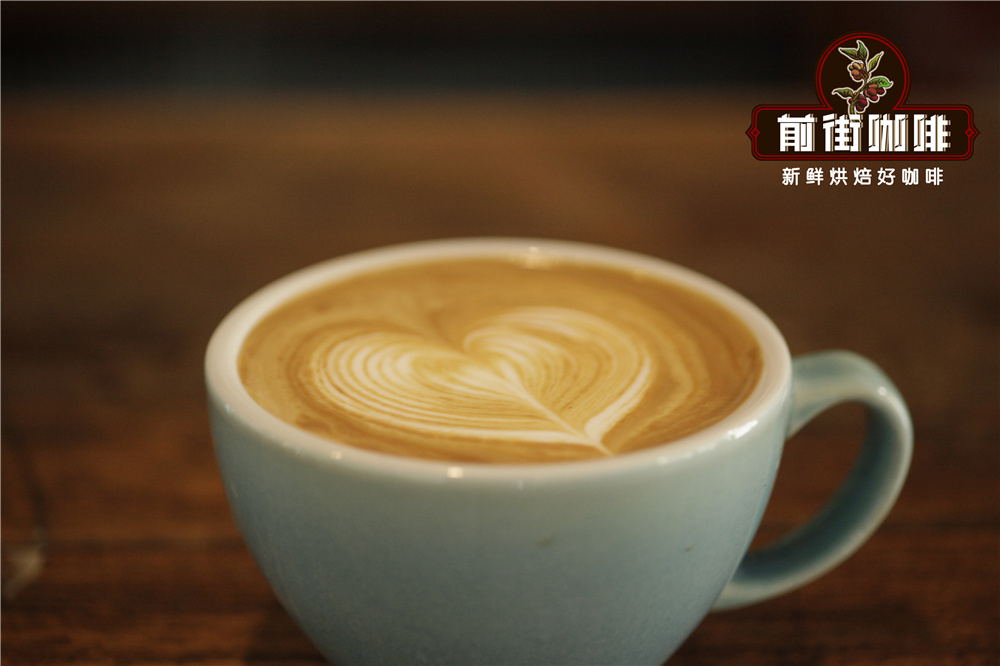
What Constitutes Good Integration?
Integration is the most crucial aspect of any milk coffee. Good integration starts with evenly mixing the crema and milk foam on the surface, which shows up as color consistency across the liquid surface - what we commonly call the "golden ring." Second, the coffee surface should be delicate and smooth, without large bubbles.
Bubbles mostly form because the pitcher is held too high during integration, letting the milk break through the crema and create foam. In a barista's eyes, perfect integration matters far more than a beautiful pattern.

Are There Any Techniques for Latte Art Integration?
First, the "hardware" has to be up to standard. The quality of the espresso and the milk foam must both be excellent - the espresso crema should be rich and thick, while the foam should be fine with strong fluidity. Poor integration often happens when the foam is too thick, giving weak fluidity and foam that floats on the surface. Gently swirling the coffee cup and milk pitcher before integration to improve liquid movement will also raise your success rate.
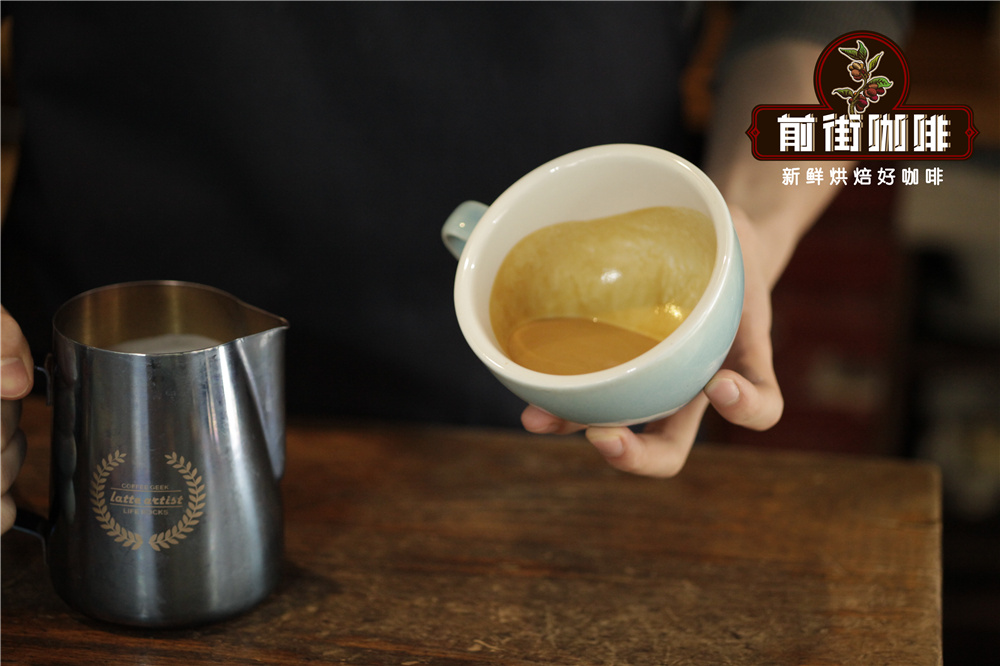
Second, the height of the pitcher spout during integration. We all know that when creating latte art, we need to lower the spout close to the coffee surface to get white foam. The same principle applies here - if the spout is too low, large amounts of foam float on the surface and integration becomes uneven. If it is too high, you get the bubble problem mentioned earlier.
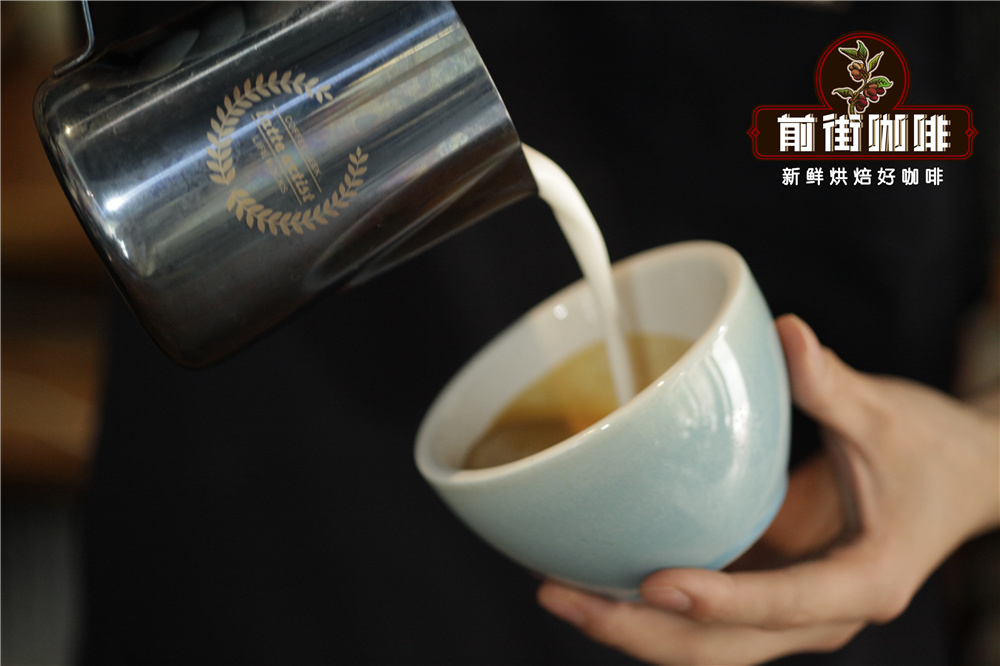
Generally, the distance between the pitcher spout and the coffee surface should be around 5 to 10 centimeters. Everyone's habits differ, so there is no completely fixed standard for height and distance.
Third, the integration technique. Usually this means stirring in one direction. Hold the coffee cup with your left hand and the latte art pitcher with your right, with the two hands offset by half a circle to create a relative circular motion. This high-low stirring motion mixes coffee and milk thoroughly. As for how large to make the circles, FrontStreet Coffee suggests making the largest circles possible without touching the cup walls, and paying attention to slowly straightening the hand holding the cup.
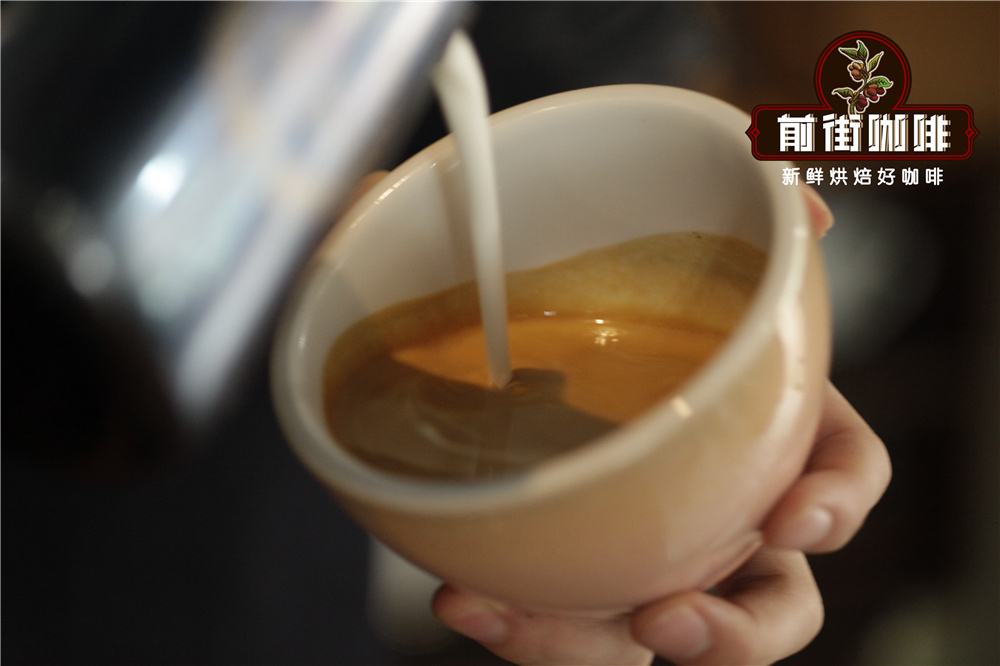
Fourth, the amount of integration depends on how large a pattern you want. If you are not doing latte art, you can integrate until the cup is full and the coffee's flavor will still be well preserved. For simple patterns, integrate to about 70% full. For complex patterns, integrate to about 40% full.
FrontStreet Coffee Recommendation
To practice latte art at home, the bean you choose matters as much as technique. FrontStreet's Classic Blend is a medium-dark espresso recipe built from three origins, inspired by the old "Mamba" blend of Mandheling and Brazil. With a small amount of Robusta added for aroma and crema, it pulls with distinct butter, toasted bread, and caramel cookie notes, a strong, solid flavor, and fine, stable crema - an essential household coffee for beginners.
If you prefer a rich, nutty flavor, FrontStreet's Premium Blend is another medium-dark espresso option, combining washed Colombian coffee with semi-sun-dried Brazilian coffee. As espresso it shows nut, dark chocolate, and caramel notes; in Americanos, lattes, and flat whites it highlights creamy, almond, and cocoa aromas with crema that rivals a cafe, so it is more than enough for practice.
And if you are planning to open a cafe, FrontStreet's Commercial Blend is tailored for you. It is a traditional espresso recipe based on FrontStreet Coffee's Premium Blend with a small amount of Robusta added, boosting the fine dark-brown crema and a heavier body, so Americanos, lattes, and mochas all carry nut, cocoa, and caramel notes and latte art becomes easy.
Important Notice :
FrontStreet Coffee is a long-established specialty coffee roaster in Guangzhou China, selling freshly roasted beans from its own farm in Yunnan as well as dozens of carefully selected single-origin beans from around the world for both pour-over and espresso. The products deliver consistently excellent quality and great value, with shipping within 24 hours. Guangzhou's FrontStreet Coffee shop is recommended by many coffee lovers, and the beans are now available online at the Tmall 。
FrontStreet Coffee has moved to a new address:
FrontStreet Coffee Address: 315,Donghua East Road,GuangZhou
Tel:020 38364473
 Scan and follow the En Gafei WeChat official account. Please indicate that the reprint comes from "En Gafei".