How to Choose Coffee Beans That Suit Your Taste? What Are the Characteristics of Different Coffee Beans?
Introduction
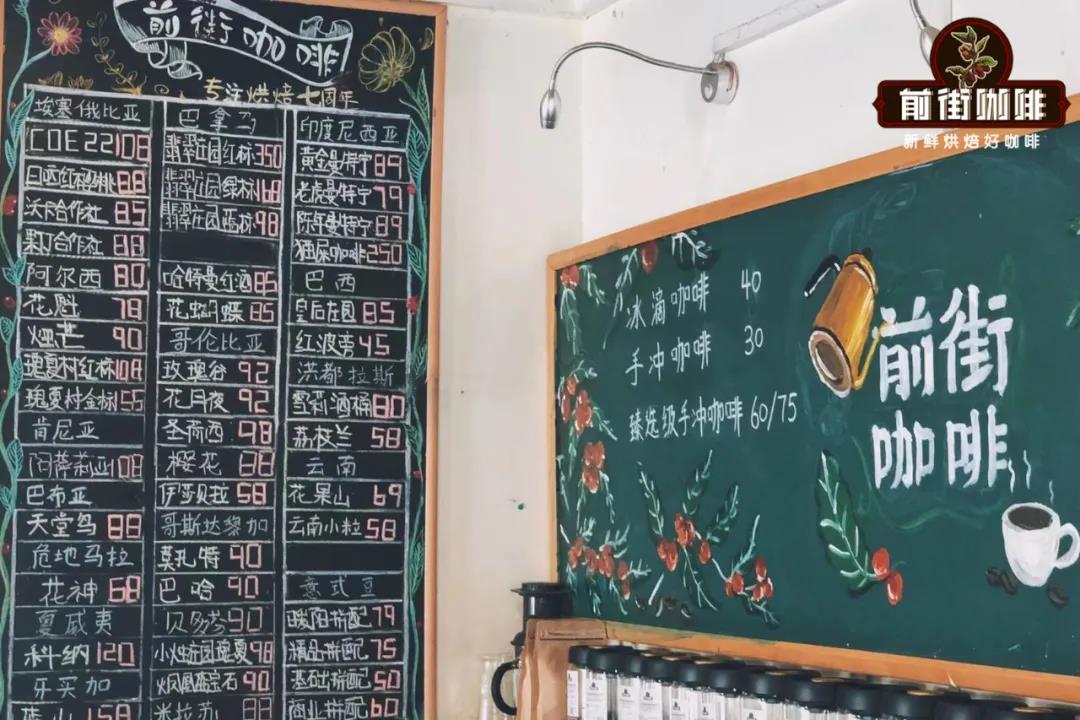
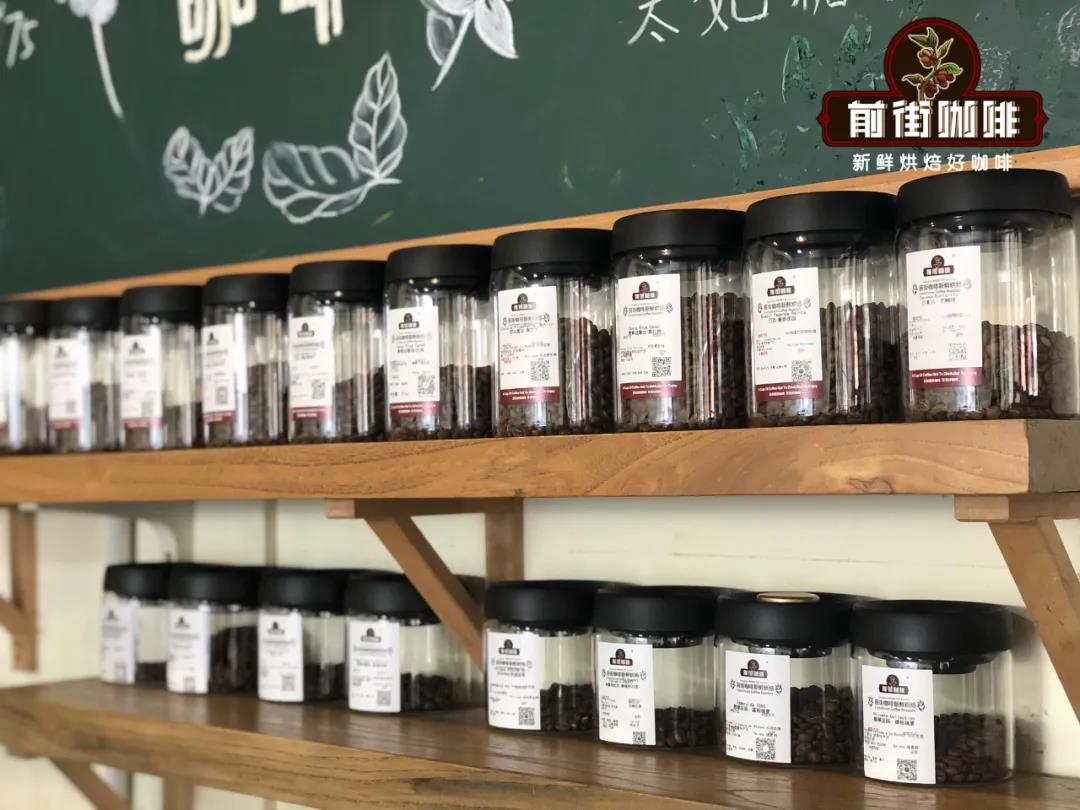
Visit FrontStreet Coffee and you might feel overwhelmed by the sheer variety of beans on offer! With so many types available, how do you pick the ones that are right for you?
Origin/Region
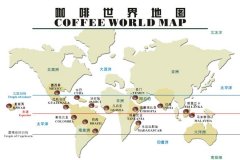
The first step is narrowing the field. Coffee is a plant, and coffee grown in different regions develops distinct flavor characteristics. Broadly, coffee falls into African beans, American beans, Asian beans and island beans.
African beans are best known for lemon, citrus, berry and floral notes. Representative countries include Ethiopia and Kenya.
American beans stand out for a clean taste, citrus or nutty flavors, chocolate notes and excellent balance. Because coffee in the Americas was later cultivated through human intervention, quality tends to be higher and more consistent. Representative countries include Brazil and Colombia.
Asian beans are characterized by black tea notes, chocolate, nuts, herbal flavors and a rich body. A representative country is Indonesia.
Island beans are grown on relatively small islands. Generally, the microclimate of an island creates flavors different from continental coffee. What's more, some famous island coffees pair advanced management and cultivation with limited production, resulting in unique and expensive coffees. Examples include Jamaica's Blue Mountain coffee, Hawaii's Kona coffee, and St. Helena coffee (famous thanks to Napoleon).
Processing Methods
Different processing methods also produce different flavors. The common ones are natural processing, washed processing and honey processing.
Natural processing can be thought of simply as sun-drying the whole coffee cherry until it reaches a moisture content of 12%, after which the outer shell is removed for storage. Naturally processed coffee therefore shows pronounced sweetness and rich, layered complexity.
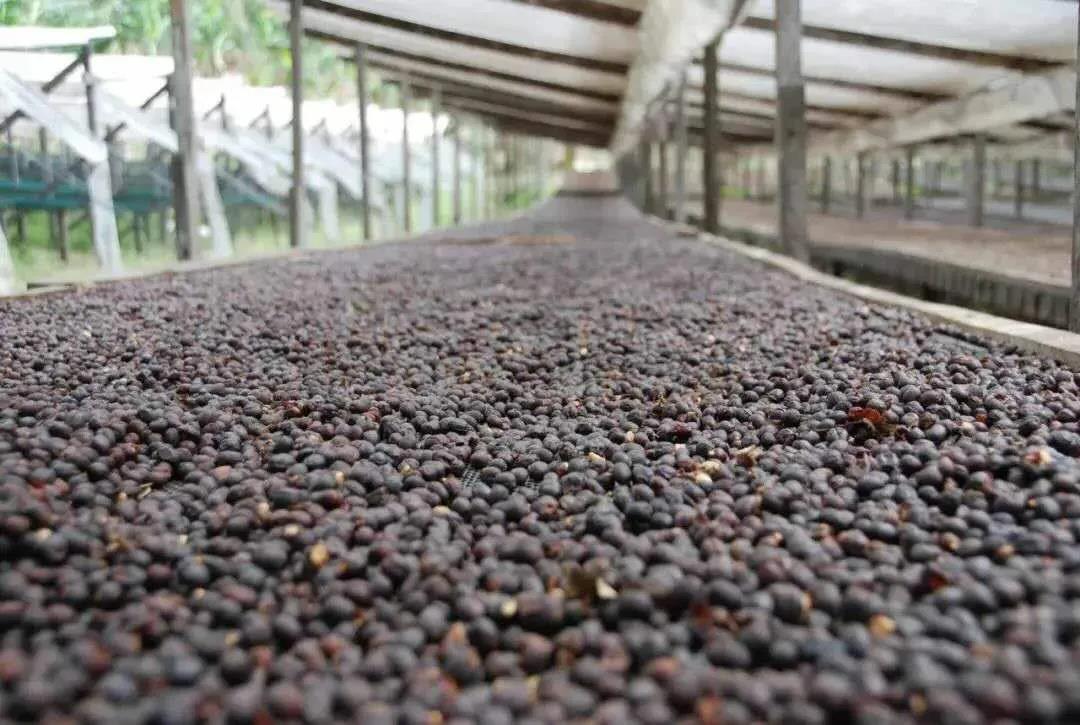
Washed processing removes the skin and pulp of the coffee cherry, then leaves the mucilage to soak in still water for 12-48 hours so microorganisms can break down the remaining mucilage (the fermentation process), followed by drying to 12% moisture content before hulling and storage. Washed coffee shows clean, fresh characteristics with pronounced acidity.
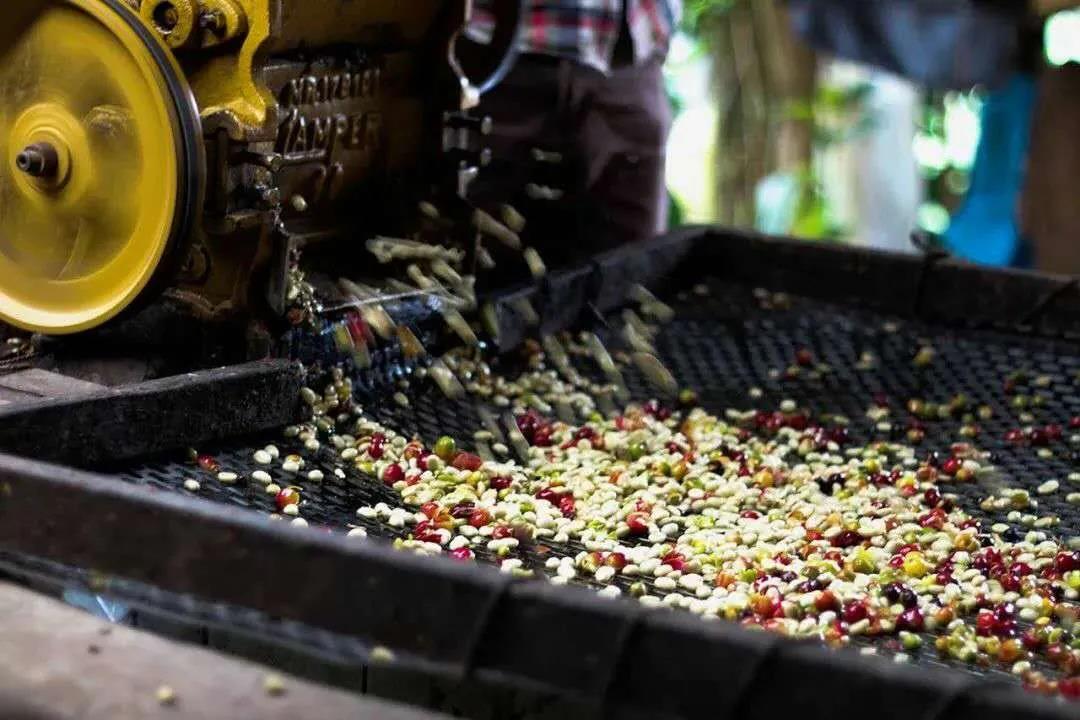
Honey processing removes the skin and pulp of the cherry while keeping the mucilage on for sun-drying, and no water is used at any point. Because the outer skin is removed before drying, the drying time is shorter than for natural processing. Honey-processed beans show very pronounced sweetness and softness.
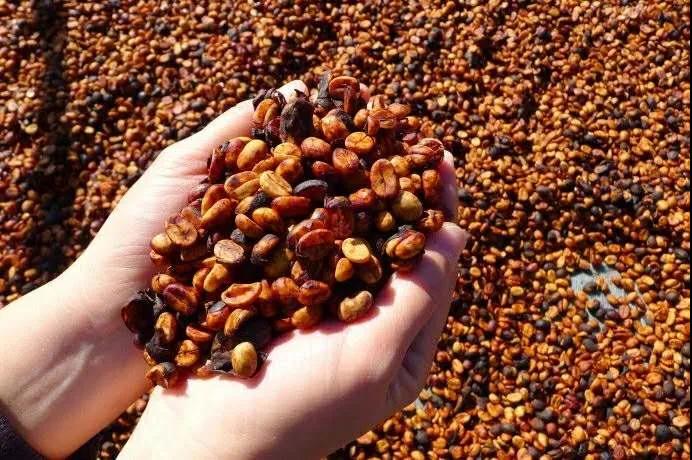
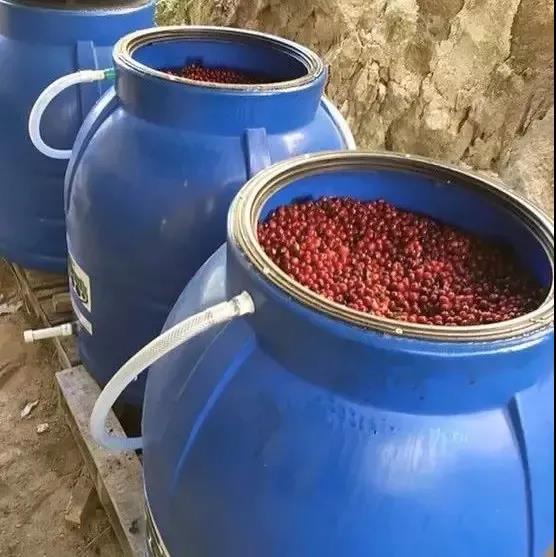
Beyond these common methods are some special techniques, the most widespread being anaerobic processing and barrel fermentation. Anaerobically processed coffee typically shows highly distinctive berry and floral notes, such as Colombia's Rose Valley and Hangetsuyoru. Barrel-fermented coffee typically shows barrel-wine notes and chocolate flavors, such as Honduras's Sherry and Lychee Lan.
Roast Level
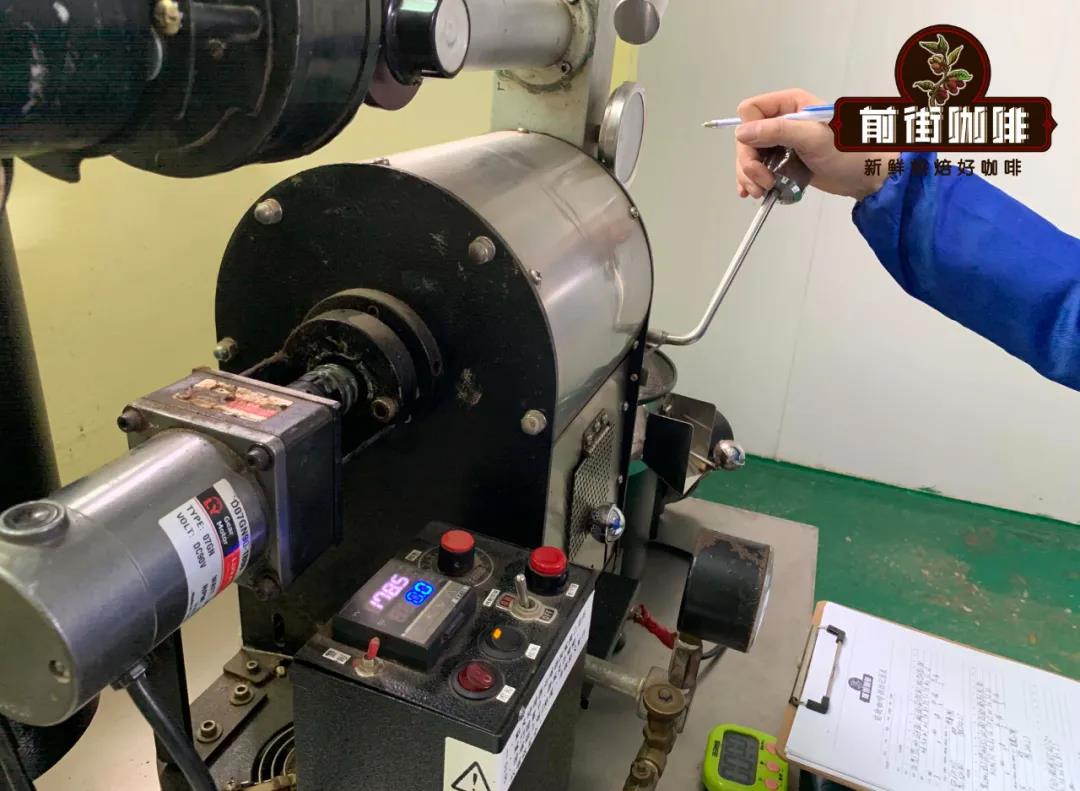
Finally, there's roast level. The lighter the roast, the more abundant the aroma and the coffee's flavor characteristics. As the roast darkens, caramelization and Maillard reactions become more pronounced, giving way to stronger caramel and bitter flavors.
Light Roast
(Highlighting fruit acidity and floral-fruity aromas)
Cinnamon Roast
Medium Roast
(Increasing sweetness, balanced)
Dark Roast
Medium-Dark Roast
(Maximizing sugar conversion, bitterness followed by sweetness)
City Roast
Full City Roast
Dark Roast
(Balancing bitterness and rich body)
French Roast
Italian Roast
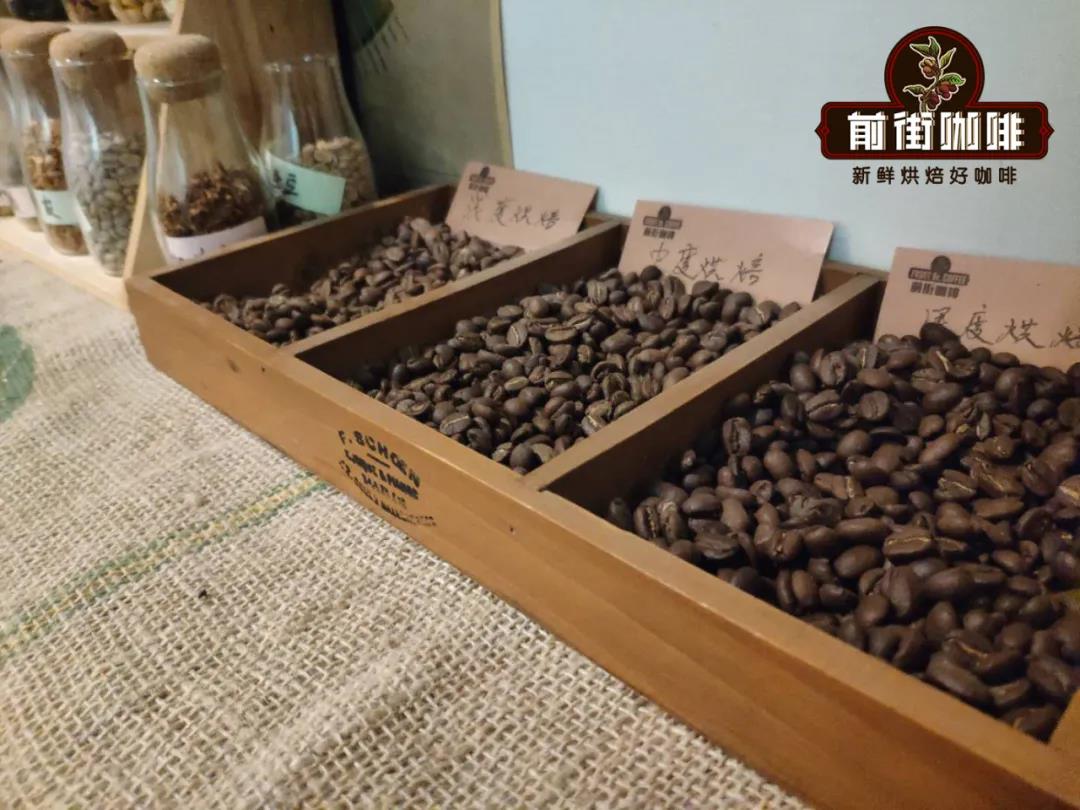
So when it comes to roast level: if you want to taste more fruit and floral notes, choose a light to medium roast. If you prefer rich body, fullness and sweetness, choose a medium to dark roast.
FrontStreet Coffee Recommendation
If balance is what you're after — the kind of coffee that pleases almost everyone — Jamaica Blue Mountain is the classic answer. It's grown only in a defined area of Jamaica's Blue Mountains, one of the Caribbean's highest ranges, peaking at 2,256 meters, and must carry official Jamaican certification to bear the name. The whole region produces less than 2,500 tons a year, and Japan has historically bought more than 70% of it, so supply elsewhere is limited. Formal exports to China began in 2003.
What makes it special is that it has no obvious weak spot. There's none of the searing acidity of some African coffees and none of the heavy bitterness of a dark roast — just an even harmony of acidity, sweetness, bitterness and aroma. Expect cream, caramel, chocolate, nuts, honey and a faint fruit note, with a smooth, rounded entry, a sweet mid-palate and a clean, long finish. FrontStreet's Jamaica Blue Mountain No.1 is the highest grade of the lot, grown on the historic Clifton estate, which dates back to around 1750 and sits at an average 4,300 feet (1,310.64 meters).
Roasted medium-dark to bring out its classic balance, it reveals layers of nuts, dark chocolate, cream caramel and soft sweetness. To brew it, FrontStreet suggests a Kono dripper, 15g of coffee rested 4-7 days from the roast date, a grind coarser than you'd use for a light roast (roughly white-sugar consistency) and 87-88°C water at a 1:15 ratio, poured in three stages: a 30g bloom for 30 seconds, then to 120g, then to 225g. It's worth checking that your beans come with full origin certification and the traditional 15, 45 and 70 kilogram wooden barrels — the surest signs of the real thing.
Important Notice :
FrontStreet Coffee is a long-established specialty coffee roaster in Guangzhou China, selling freshly roasted beans from its own farm in Yunnan as well as dozens of carefully selected single-origin beans from around the world for both pour-over and espresso. The products deliver consistently excellent quality and great value, with shipping within 24 hours. Guangzhou's FrontStreet Coffee shop is recommended by many coffee lovers, and the beans are now available online at the Tmall 。
FrontStreet Coffee has moved to a new address:
FrontStreet Coffee Address: 315,Donghua East Road,GuangZhou
Tel:020 38364473
 Scan and follow the En Gafei WeChat official account. Please indicate that the reprint comes from "En Gafei".