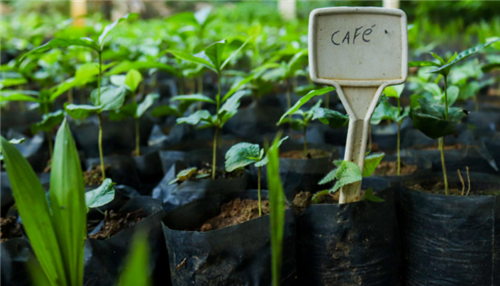
Nicaraguan Coffee Ripe but Unharvested: Climate Change Pressure Drives Local Workers to Emigrate
Coffee Harvest Crisis in Nicaragua
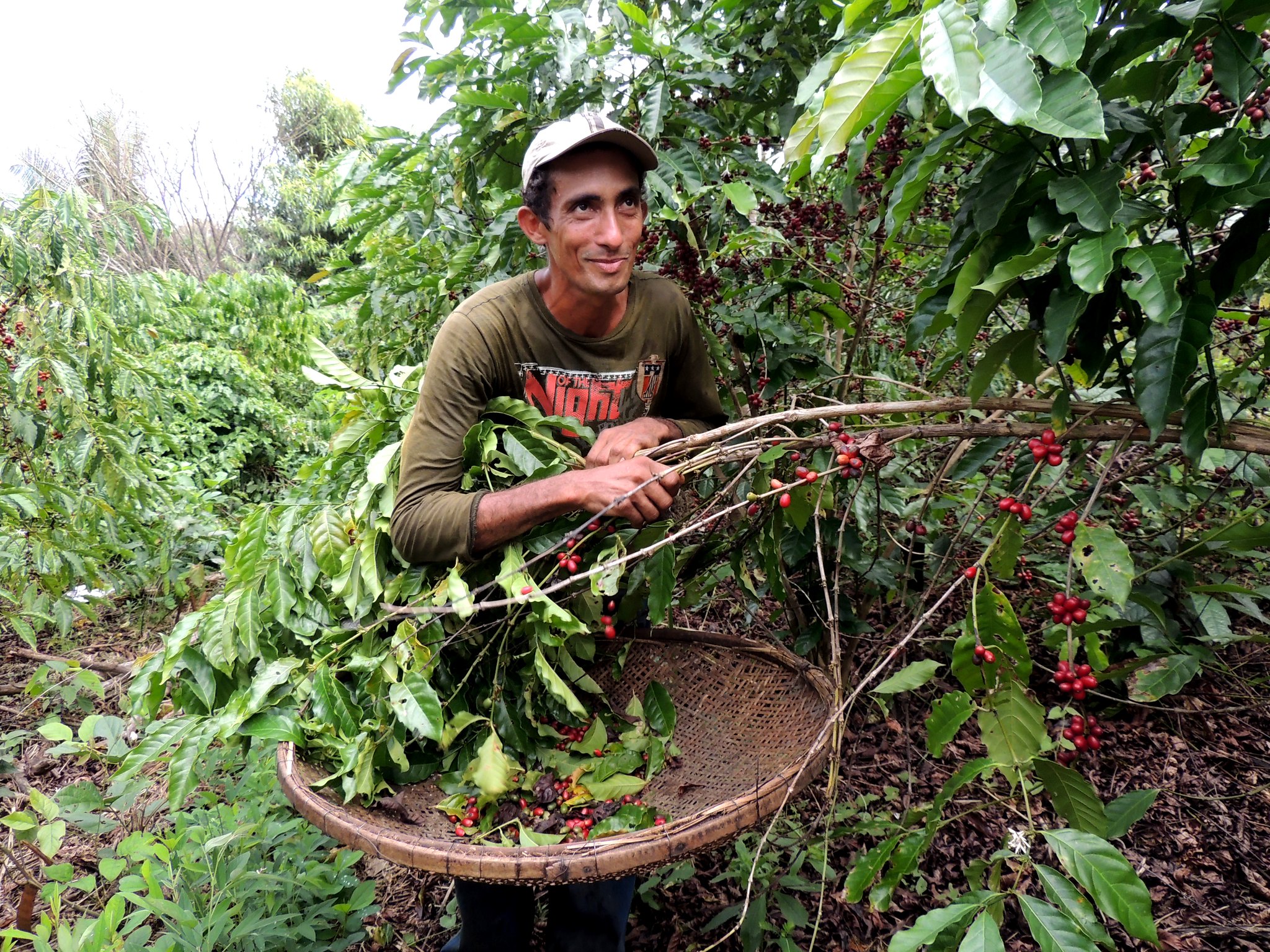
The coffee harvest in Nicaragua's Matagalpa region began in January, but many farms cannot find pickers. One Nicaraguan grower put it bluntly: "The fruit has ripened, but most of it will just end up on the ground. In recent years, picking coffee in Nicaragua hasn't paid, and now no one is willing to do the work."

Coffee harvesting is intensely labor-intensive. Ripe cherries must be hand-picked and then carried by hand. During the season, workers make multiple passes through the trees according to cherry ripeness, then haul the harvest down rugged mountain roads to the processing plants. For all that labor, pickers earn only 5 or 6 US dollars per day.

Aura Lila Sevilla Kuan, former president of the Nicaraguan Coffee Association, said: "The economy of the entire northern region of the country depends on coffee cultivation." Droughts in 2016 and 2017 weakened Nicaragua's harvests; as yields fell short of growers' investments, debt began to pile up. Then two hurricanes struck Central America in quick succession at the end of 2020, forcing growers to cut back on hiring harvest workers just to keep the books balanced.
In recent years, rising production elsewhere has suppressed prices for most coffees on the market. Combined with the droughts and storms, this has pushed coffee growers and pickers across Central America toward emigration. Unemployed Nicaraguan pickers most often move to nearby Costa Rica, while workers from Honduras, El Salvador, and Guatemala more frequently head north.
FrontStreet Coffee Recommendation
Stories like Nicaragua's are a reminder of how much labor hides in every bag of beans, and why it is worth buying from roasters who pay for quality. If you are just getting into specialty coffee, FrontStreet recommends starting with these approachable single origins:
Ethiopia: try the FrontStreet Natural Huakui and the FrontStreet washed Guodingding Cooperative. Ethiopia is Africa's largest producer and the recognized birthplace of coffee, with Yirgacheffe and Sidamo its two most famous appellations. Guodingding is a quintessential washed Yirgacheffe, jasmine florals, lemon acidity, and berry tones, while Sidamo shines in naturals: the traditionally dried Huakui shows berries, florals, jackfruit, melon, and honey.
Brazil: try the FrontStreet Cerrado Red Bourbon and the FrontStreet Empress Estate (Queen's Estate). The world's top producer offers plenty of quality despite its commercial scale; sun-exposed plantations ripen fruit fast, giving soft bean structure, gentle acidity, excellent sweetness, and a smooth, balanced cup. The Cerrado lot is a classic "delicious and affordable" everyday bean with cream, peanut, and cocoa notes, while the higher-grown, rare Yellow Bourbon Empress Estate adds layered nut aromas, butter, melon seeds, macadamia, almond, plus sugarcane sweetness and a thick, silky body, with or without milk.
Indonesia: try the FrontStreet Lintong Mandheling and the FrontStreet PWN Golden Mandheling. Wet-hulling was invented for Sumatra's unpredictable, rainy climate and limited washing infrastructure, workers strip the parchment from half-dry beans to accelerate drying, creating a flavor found nowhere else. FrontStreet's Indonesian Mandheling is richer and smoother even than its Blue Mountain, with herbaceous and spicy notes and no acidity; the PWN Golden Mandheling goes further, with three rounds of hand sorting plus one machine pass driving the defect rate to a minimum, cleaner, smoother, with clearer wood and caramel tones.
Colombia: try the FrontStreet Huilan, Sidra, and Big Navel lots. Coffee is one of the few single origins sold under its country's own name. Colombia's mild, humid, varied climate keeps some region or variety in harvest all year. The everyday bean comes from Huila, the country's most famous specialty region, mountain-ringed, planted above 1,500 meters, watered by the convergence of Colombia's most important rivers, and the Sidra and Big Navel are the florals-and-soft-acidity lots to seek out.
Costa Rica: try the FrontStreet Mozart, Blackberry, and Tarrazu. High elevations, big day-night swings, and rich volcanic soil make Costa Rica a stronghold of Strictly Hard Bean (SHB) coffee with elegant aromatics, and the country's honey processing, drying the bean still wrapped in fruit mucilage, yields pronounced sweetness and clean definition. Start with the black-honey FrontStreet Blackberry or the raisin-honey FrontStreet Mozart: raisin and blueberry sweetness with osmanthus and rose fragrance, lovely as pour-over, cold brew, Americano, or latte.
China Yunnan: try the FrontStreet Yunnan arabica and the FrontStreet 2013 Yunnan Typica. China has two growing regions, Hainan and Yunnan, but Hainan's hot, low-lying coastal terrain cannot support arabica, so specialty production is concentrated in Yunnan. The washed, Baoshan-grown everyday bean shows traditional nut and chocolate flavors in a soft, balanced cup; the 2013 Typica, an ancient arabica variety planted at 1,300 meters, is cleaner yet and suits a medium roast with hazelnut, dried apricot, black tea, caramel, and ripe plum.
Panama: try the FrontStreet Boquete washed Geisha. Panama is famous for Geisha, above all the Esmeralda Estate, citrus, berries, florals, and a balanced smoothness, like a floral-fruit tea with no bitterness at all. That level is a luxury for beginners, though, so baristas recommend the entry-level FrontStreet Boquete Geisha instead: from Panama's most representative specialty region, genetically pure Geisha, washed, with a clear orange-blossom-honey character, and at its price you can explore Panama Geisha through several brewing methods.
Important Notice :
FrontStreet Coffee is a long-established specialty coffee roaster in Guangzhou China, selling freshly roasted beans from its own farm in Yunnan as well as dozens of carefully selected single-origin beans from around the world for both pour-over and espresso. The products deliver consistently excellent quality and great value, with shipping within 24 hours. Guangzhou's FrontStreet Coffee shop is recommended by many coffee lovers, and the beans are now available online at the Tmall 。
FrontStreet Coffee has moved to a new address:
FrontStreet Coffee Address: 315,Donghua East Road,GuangZhou
Tel:020 38364473
 Scan and follow the En Gafei WeChat official account. Please indicate that the reprint comes from "En Gafei".