Agroforestry Coffee Cultivation Provides Brazilian Amazon Farmers with a Sustainable Development Option

Agroforestry Coffee Cultivation in Apuí
In Apuí, in Brazil's Amazonas state, coffee farmers have shifted to a new model - agroforestry - in coffee-growing areas that were nearly abandoned. They found that this approach can both generate income and preserve the forest's original appearance.
Apuí's History and Migration
Apuí sits along the Trans-Amazon Highway, near the border with Rondônia state. It became a municipality in 1987 under a development project implemented during Brazil's military dictatorship. In 1993, the Rio Juma settlement project was established in the region - the largest settlement in Latin America at the time - attracting immigrants from across Brazil. The first came from Paraná state, followed by others from Brazil's southern states.
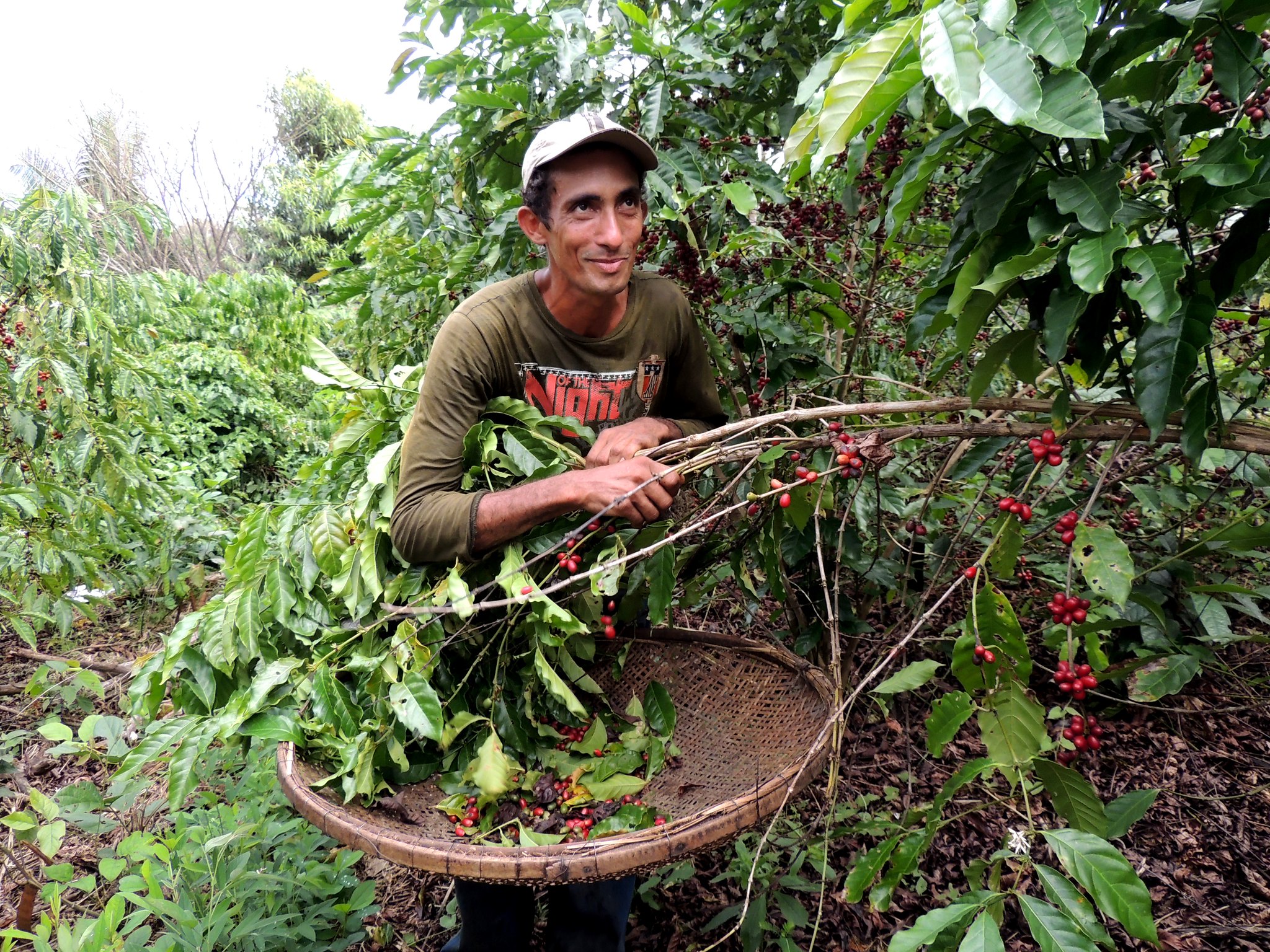
Many of those immigrants already knew how to grow coffee. Large areas of treeless land were flooded with sunlight and mixed with pesticides to begin traditional monoculture. For more than a decade, Apuí's coffee production was very high. As the soil degraded, farmers began abandoning their plantations around 2012.
Café Apuí Agroflorestal: A New Beginning
In 2012, with support from the Institute for Conservation and Sustainable Development of the Amazon (Idesam), Café Apuí Agroflorestal became the first coffee cultivated in an agroecological system in Amazonas state. The system not only kept cattle pastures from replacing old coffee plantations but also doubled the region's coffee productivity.
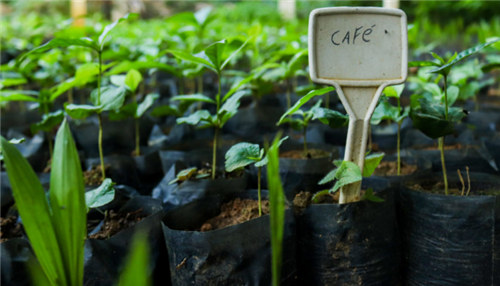
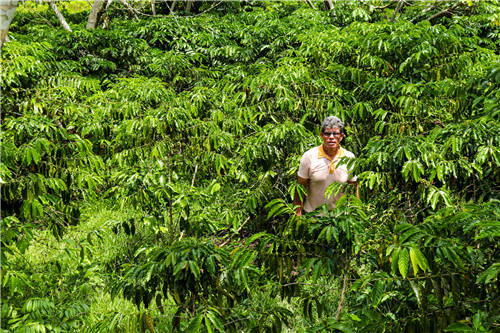
When Idesam's experts arrived, they saw an opportunity. In the abandoned plantations, patches of forest had regrown, providing organic matter to the soil and shade for fruit trees. Coffee trees, in particular, adapt well to low-light conditions. That let the experts build a coffee model based on agroforestry systems in Apuí, where crops and other plant species grow together. Initially, each farmer received funding to restore one hectare (2.5 acres) of coffee plantation. This included distributing 10,000 seedlings of native Amazon plants over the first two years - trees usable for timber, such as mahogany, as well as trees yielding fruit and seeds, such as cacao and Brazil nuts. Alongside coffee, these plants gave farmers extra income.
Productivity Growth and Project Development
When Idesam launched the project, the region's coffee plots could produce only an average of 8 bags per hectare (60 kg per bag), far below the municipality's potential. After several years of continuous development and improvement, the current average harvest is 15 bags per hectare. Idesam's director said that with further development and refinement, this could grow to an average of 25 bags per hectare.
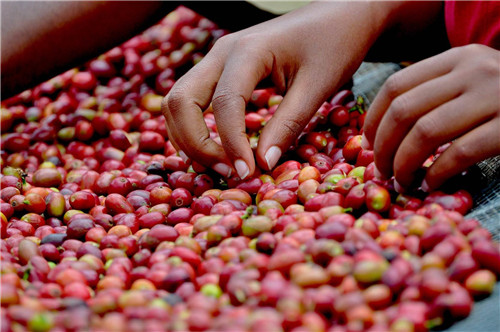
The Café Apuí Agroflorestal project is funded by the World Wildlife Fund, WeForest, and reNature. In October 2020, reNature provided a donation of €300,000, with the goal of growing from 30 family farmers to 200 over the next three years. Farmers who have already joined receive continuous technical support and subsidies of up to R$15,000 ($2,800) for materials, seedlings, machinery, and services.
Farmer Testimonials and Benefits
One farmer in the project said: "We used to grow coffee with very little harvest and sold it very cheaply, earning almost nothing. Now we can sell at higher prices and our situation has improved. We can buy more food and add refrigerators or stoves to our homes."
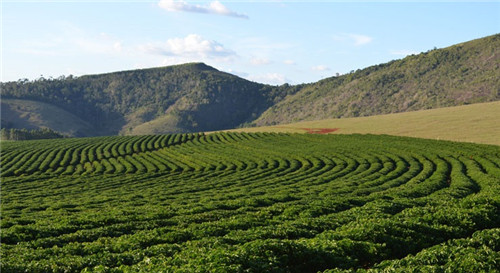
Project Director Reia said: "We will get more families involved because we want to create agroforestry corridors connecting different parts of the rainforest. The benefits of agroforestry include protecting biodiversity, enriching soil, reducing erosion, protecting water quality, and reducing the impacts of climate change."
Reia also said: "Investing in farmers is a way to counter the advance of cattle ranchers. These farming families need conditions that let them stay on this land. If they leave, invaders will move in quickly, trees will be cut down, and it will become vast cattle pasture." Apuí is one of the cities with the highest deforestation rates in the Amazon region, mainly through slash-and-burn clearing. According to Brazil's National Institute for Space Research, 837 fires occurred from January to July 2020 - the highest number in the past decade. In July, Apuí had the most fires among the municipalities of the Amazon basin. In 2019, it was among the top 10 cities for deforestation in the Brazilian Amazon.
Climate Change and Coffee Production
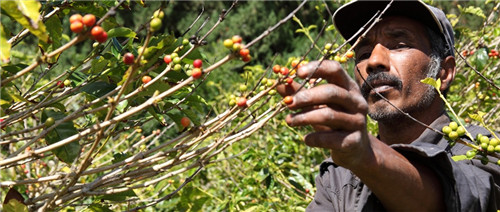
A 2015 study warned that rising temperatures and shifting rainfall patterns would reduce global Arabica production, lower quality, and increase damage from pests and disease. Researchers from Wageningen University and the Federal University of Viçosa (UFV) analyzed coffee-growing areas in Brazil's Minas Gerais and Espírito Santo states and concluded that by 2050 climate change could cause significant loss of land suitable for Arabica. The study also showed that using agroforestry systems could reduce that loss.
The researchers stated that Arabica produces well in an average annual temperature range of 18 to 23 degrees Celsius, and that agroforestry trees create a microclimate for Arabica that can reduce maximum temperatures by 5 degrees. Beyond microclimates, these trees increase pollination chances and natural pest control, and they help recycle nutrients through the deposition of leaves and branches on the ground. Robusta grown in Apuí is likewise sensitive to temperature changes. A study published in the journal Global Change Biology observed coffee production at nearly 800 farms in Southeast Asia over 10 years, showing that the ideal temperature for Robusta production is 20.5 degrees Celsius, and that yields fall as temperatures rise.
Challenges and Future of Agroforestry
Since both coffee varieties are sensitive to climate change, recognition of agroforestry in coffee production keeps growing. The researchers noted that farmers using agroforestry techniques need to understand how to regulate the amount of sunlight coffee trees receive at specific times of year by planting trees. However, many coffee farmers lack that practical knowledge, which is the main reason adoption of agroforestry remains slow.
FrontStreet Coffee Recommendation
Brazil is the world's largest coffee producer, and its coffees show how much a growing environment shapes the cup. FrontStreet Coffee's Brazil Cerrado Red Bourbon is a classic Brazilian single-origin from the well-known Cerrado region, a Red Bourbon on a semi-washed process. A medium roast brings out cream peanut, toasted bread, caramel, and hazelnut aromas, with a round body, low acidity, and a mild bitterness, and it works for pour-over, moka pot, espresso SOE, siphon, and French press.
For the rare Yellow Bourbon, FrontStreet Coffee Brazil Queen Estate comes from Mogiana, near South Minas, where fertile red volcanic soil feeds the cherries. Across pour-over, moka pot, and home espresso machines it delivers a sugarcane sweetness and fruit and chocolate notes other regions don't offer. Brazil also anchors FrontStreet Coffee's espresso blends - the classic blend, the specialty blend, and FrontStreet Coffee's Black Cocoa Blend - where its chocolate and cream aromas plus a soft sweet-sour-bitter balance help keep extraction stable.
Important Notice :
FrontStreet Coffee is a long-established specialty coffee roaster in Guangzhou China, selling freshly roasted beans from its own farm in Yunnan as well as dozens of carefully selected single-origin beans from around the world for both pour-over and espresso. The products deliver consistently excellent quality and great value, with shipping within 24 hours. Guangzhou's FrontStreet Coffee shop is recommended by many coffee lovers, and the beans are now available online at the Tmall 。
FrontStreet Coffee has moved to a new address:
FrontStreet Coffee Address: 315,Donghua East Road,GuangZhou
Tel:020 38364473
 Scan and follow the En Gafei WeChat official account. Please indicate that the reprint comes from "En Gafei".