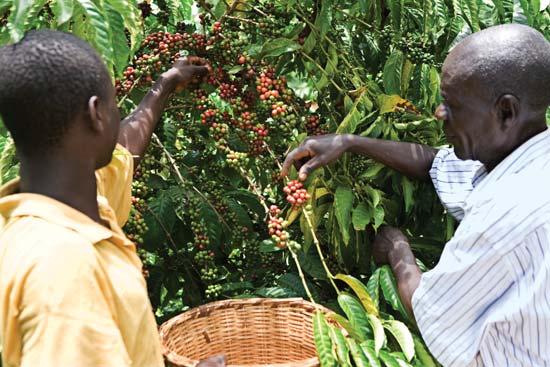
Global Coffee Market May Face Supply-Demand Imbalance in 2021, Coffee Prices Unlikely to Rise Further!
For professional coffee knowledge exchange and more coffee bean information, follow Coffee Workshop (WeChat public account: cafe_style).
Across the global agricultural market, 2021 may bring stable prices in the first half and weaker prices in the second. Coffee, however, looks set to be the exception.
Over the past five years, global coffee consumption has grown by roughly 2% year on year. The arrival of COVID-19 in 2020 and the restrictions that followed weighed on global consumption. With vaccine production and rollout in 2021, along with a global economic recovery, demand for coffee is expected to revive. Yet that revived demand may not be enough to balance supply in the coffee market.
Brazil remains the world's largest coffee producer and exporter. Because of the continued impact of the La Niña climate pattern, which brought drought during the flowering period, Brazil's expected total coffee production in 2021 will fall to its lowest level in four years. (Note: La Niña refers to persistently abnormally cold sea surface temperatures in the eastern and central equatorial Pacific. Under its influence, the eastern Pacific - including South America - sees drought, while the western Pacific, such as Australia and Southeast Asia, receives more precipitation.)
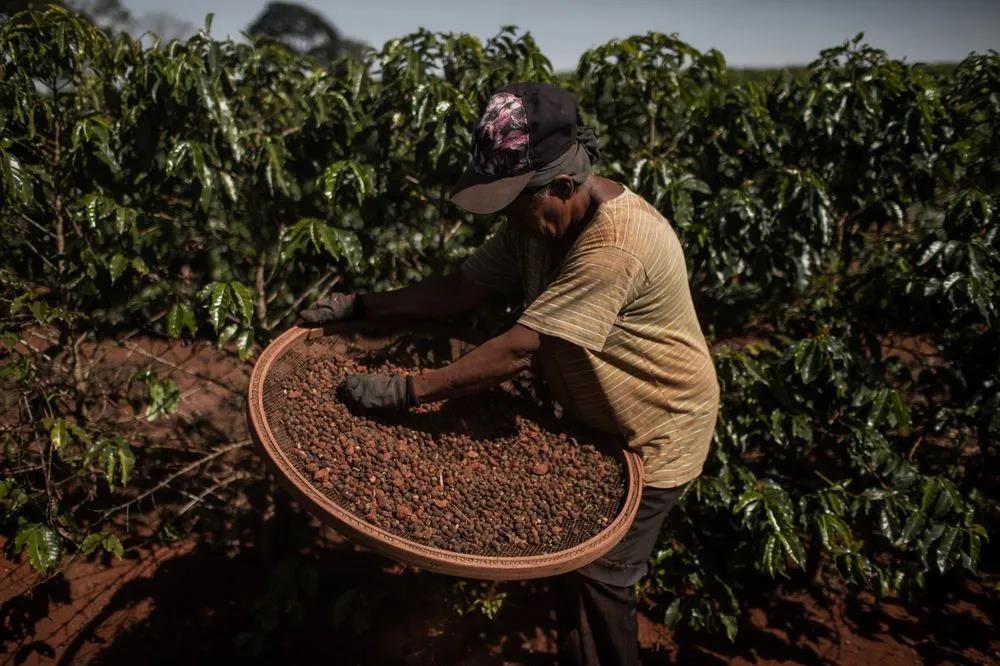
Brazil's forecasting agency Conab estimates that Brazilian coffee production in 2020/21 may come in below 50 million bags, with only 43.85 million to 49.59 million bags expected - a decrease of 21%-31% from the same period. Aside from the drought, Brazilian Arabica coffee also has a reduced planted area. Brazilian Arabica beans run on a two-year low-production cycle, and the 2021 crop is expected to land between 30 million and 33 million bags, meaning output will drop 35% to 40% from the previous year and reach a ten-year low. Brazilian Robusta production, by contrast, will be around 14 million to 16 million bags, matching levels from two years ago.
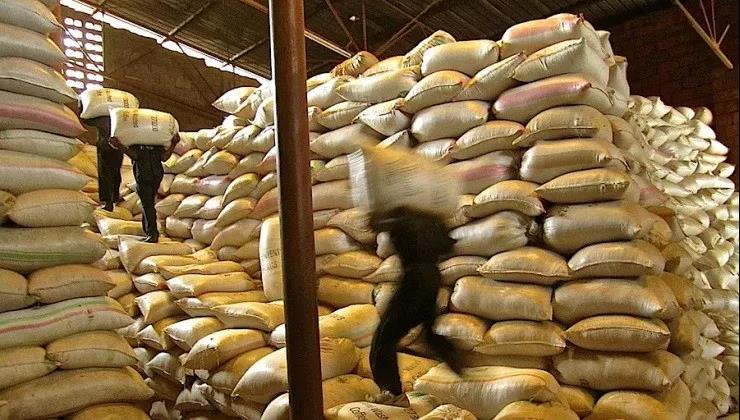
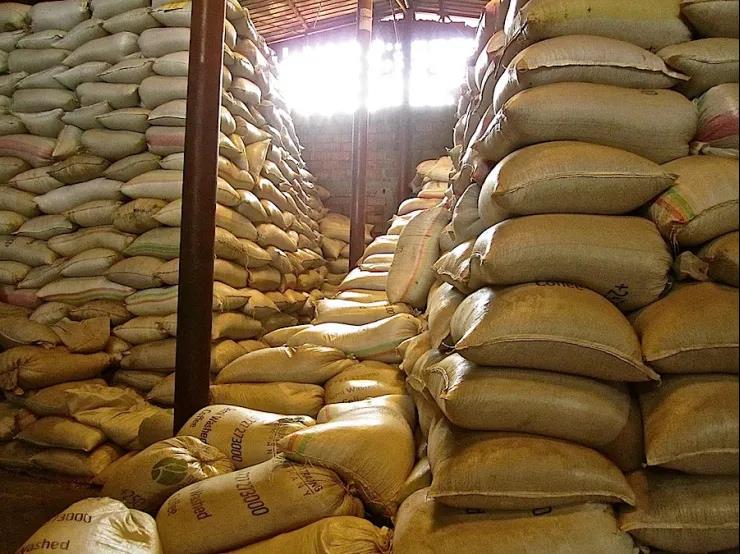
Even with Brazil's production shrinking, the International Coffee Organization (ICO) expects global coffee production in 2020/21 to rise 1.9% to 171.89 million bags over the previous year, while global consumption will also grow 1.3% to 166.62 million bags. Because of COVID-19, coffee harvested in 2019/20 could not be fully exported, leaving large volumes of beans in storage. With vaccine rollout and the relaxation of COVID-19 restrictions, all of that coffee will start moving to market in large quantities. According to a recent Reuters survey, the market expects the 2021 coffee supply surplus to reach as high as 8 million bags.
FrontStreet Coffee Recommendation
Brazil's moderate acidity, gentle sweetness, and full body make it ideal for a medium roast, and the country supplies the backbone of many espresso blends. For a first taste of the region, buy FrontStreet's Brazil Cerrado Red Bourbon. Cerrado is a well-known Brazilian growing area famous for high-quality beans, and this lot - a Red Bourbon, the common variety of South America - is a classic Brazilian single origin. At a medium roast it shows creamy peanut, baked bread, caramel, and hazelnut, with a rounded body, low acidity, and a light bitter note. Beyond pour-over, it works in a moka pot, as an espresso SOE, in a siphon, or in a French press.
Another excellent single origin is FrontStreet's Brazil Queen's Estate Yellow Bourbon, grown in Mogiana near South Minas. The area's fertile red volcanic soil lets the fruit take up abundant nutrients and develop a full aroma, while local farms mix traditional practice with modern, standardized management, greatly improving quality. The estate's rare Yellow Bourbon - a natural mutation of Red Bourbon - offers an especially clean fruit character. Brewed as pour-over, in a moka pot, or through a home espresso machine, this coffee delivers a sugarcane sweetness that other regions rarely match, alongside fruit and chocolate notes.
These same qualities make Brazilian beans the foundation of FrontStreet's espresso series. The crema-rich FrontStreet Classic Blend, the nutty FrontStreet Specialty Blend, the balanced FrontStreet Black Cocoa Blend, and the cafe-oriented FrontStreet Commercial Blend all contain Brazil. Brazilian beans not only add chocolate and creamy aromas but also bring a soft balance of sweet, sour, and bitter that keeps extraction stable.
Important Notice :
FrontStreet Coffee is a long-established specialty coffee roaster in Guangzhou China, selling freshly roasted beans from its own farm in Yunnan as well as dozens of carefully selected single-origin beans from around the world for both pour-over and espresso. The products deliver consistently excellent quality and great value, with shipping within 24 hours. Guangzhou's FrontStreet Coffee shop is recommended by many coffee lovers, and the beans are now available online at the Tmall 。
FrontStreet Coffee has moved to a new address:
FrontStreet Coffee Address: 315,Donghua East Road,GuangZhou
Tel:020 38364473
 Scan and follow the En Gafei WeChat official account. Please indicate that the reprint comes from "En Gafei".