Should the Coffee Drip from Pour-Over Bloom Be Discarded? How Much Water is Needed for Coffee Bloom?
Introduction
As a rule of thumb, the bloom water should be twice the weight of the coffee grounds, because the saturated water absorption capacity of coffee grounds is twice their own weight. In practice, though, when you pour twice the dose at the start, some excess coffee liquid will already be dripping into the server below. Should that early drip be discarded?
Why Does Excess Coffee Liquid Exist?
Here's what's going on. The "twice its weight" figure describes saturation — but saturation takes time. When water first hits the grounds, it needs time to penetrate them. If the grind is coarse, gravity may pull water through before it has fully soaked in. The coarser the grind, the larger the particles, the longer the penetration time, and the bigger the gaps between them — so the more liquid drips through early. A finer grind does the opposite.

To Discard or to Keep?
The simplest way to answer this is a side-by-side experiment: brew two cups under identical beans, parameters, and technique — one keeping the early drip, one discarding it.
For the beans, we used FrontStreet Coffee's Yirgacheffe Natural Red Cherry, a classic natural-process Yirgacheffe that FrontStreet Coffee roasts to medium-light to bring out its berry, citrus, and fermented fruit characters.
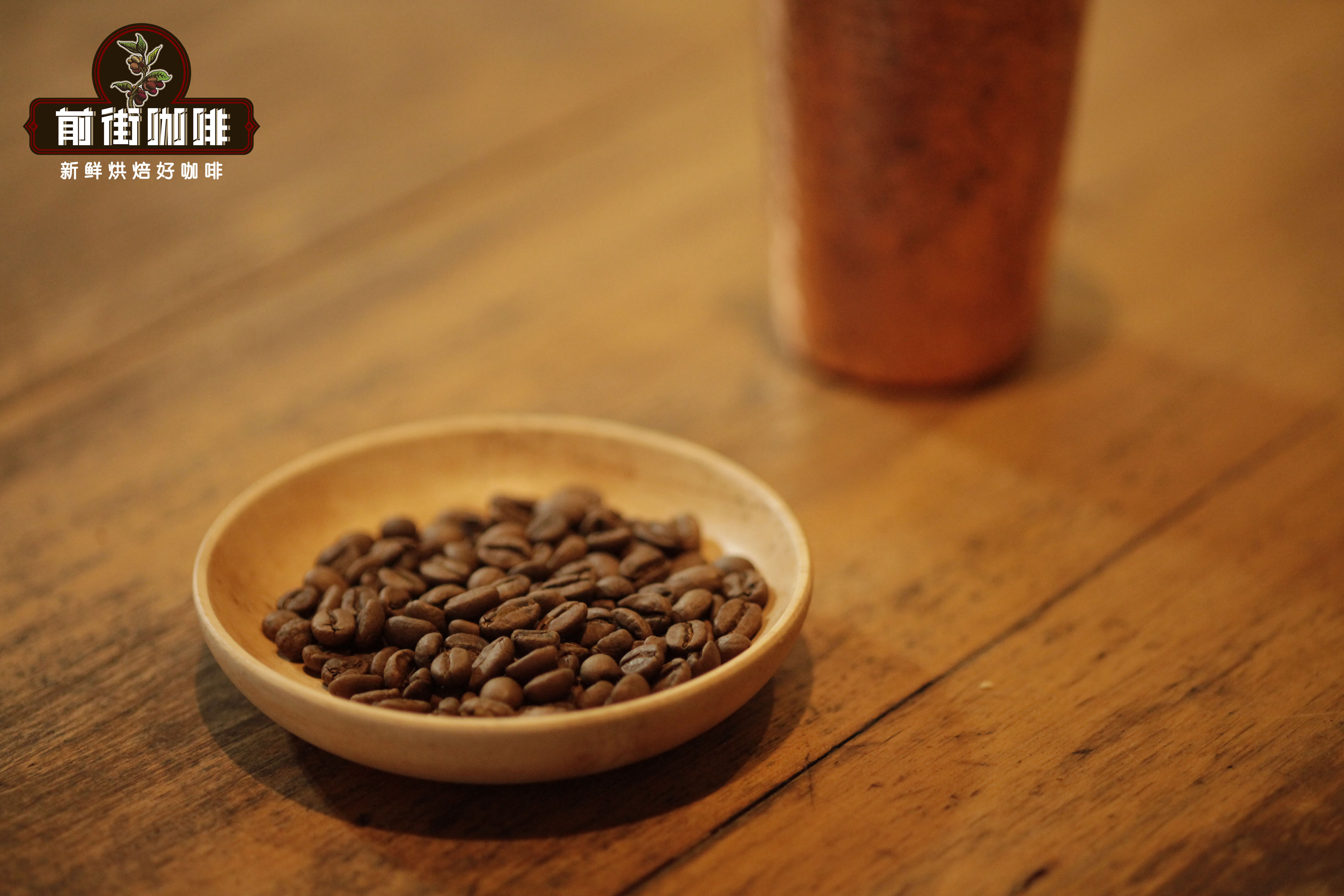
The parameters: a 15g dose at a nominal 1:15 water-to-coffee ratio, ground to a medium-fine pour-over consistency (78% pass-through on a #20 standard sieve), with water at 91°C. Both brews used V60 #01 drippers.
Brewing Process
Keeping the early drip:
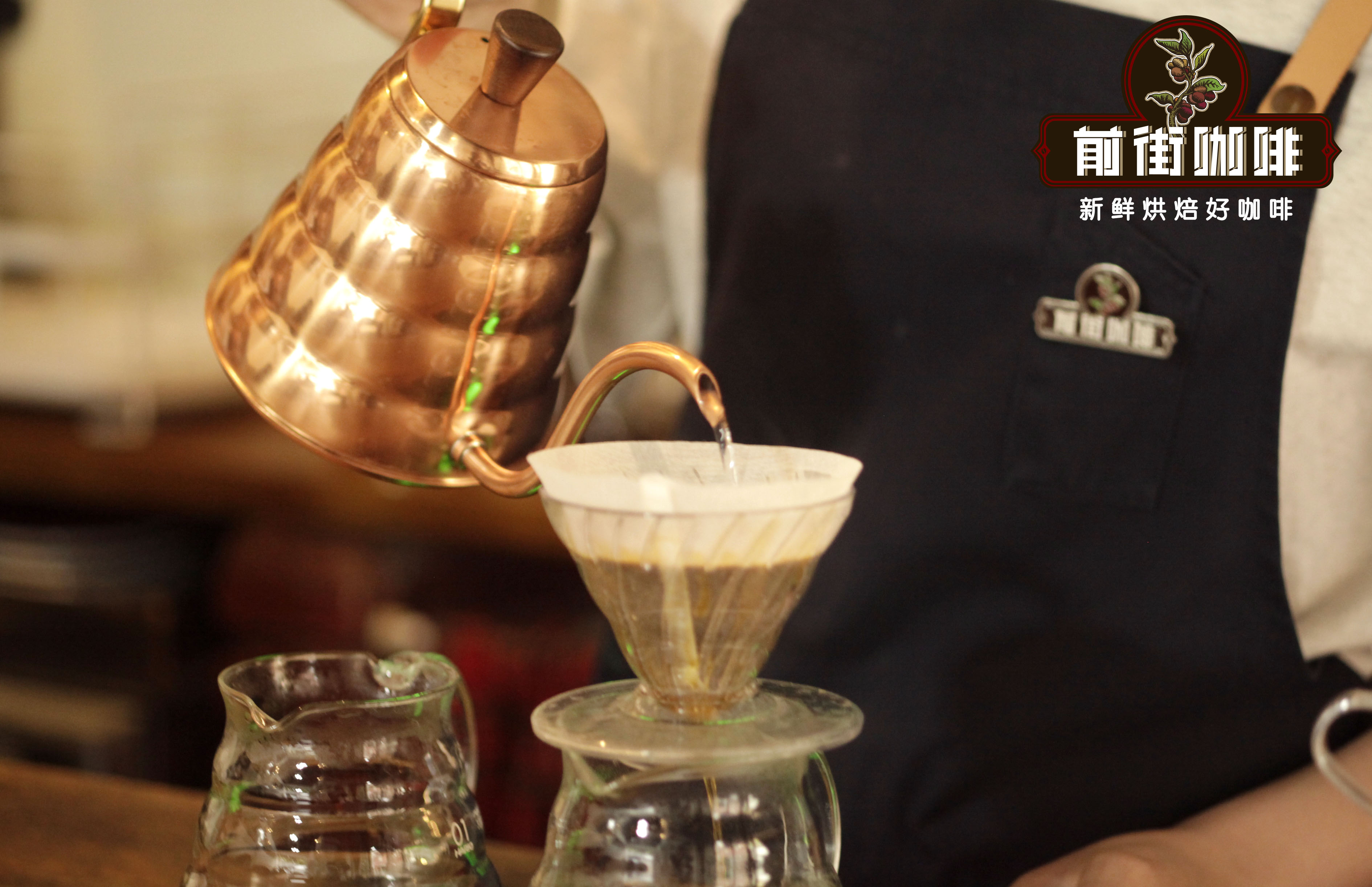
Pour 30g of water to bloom for 30 seconds. For the second pour, add 95g of water in circles from the center outward until the liquid level reaches the base of the V60's ridges. Once the level drops to halfway, make the third pour of 100g, again in circles from the center outward. Remove the dripper once everything has drained — total time: 2 minutes.
Discarding the bloom drip:
Pour 30g of water to bloom for 30 seconds. At around 20-23 seconds, the bloom liquid finishes dripping into the server; pour it into a separate container and tare the scale back to zero. Then proceed exactly as before: a second pour of 95g in circles from the center outward to the base of the ridges, a third pour of 100g once the level drops to halfway, and remove the dripper when fully drained — total time: 2 minutes.
Flavor Comparison
Keeping the early drip:
Measured concentration: 1.42%, with clearly layered flavors — berry acidity, fermented fruit, citrus, passion fruit, and more.
Discarding the bloom drip:
Measured concentration: 1.24%, with 15.6g of bloom liquid discarded. The overall cup was thin — closer to water with a faint berry note — and the acidity barely registered.
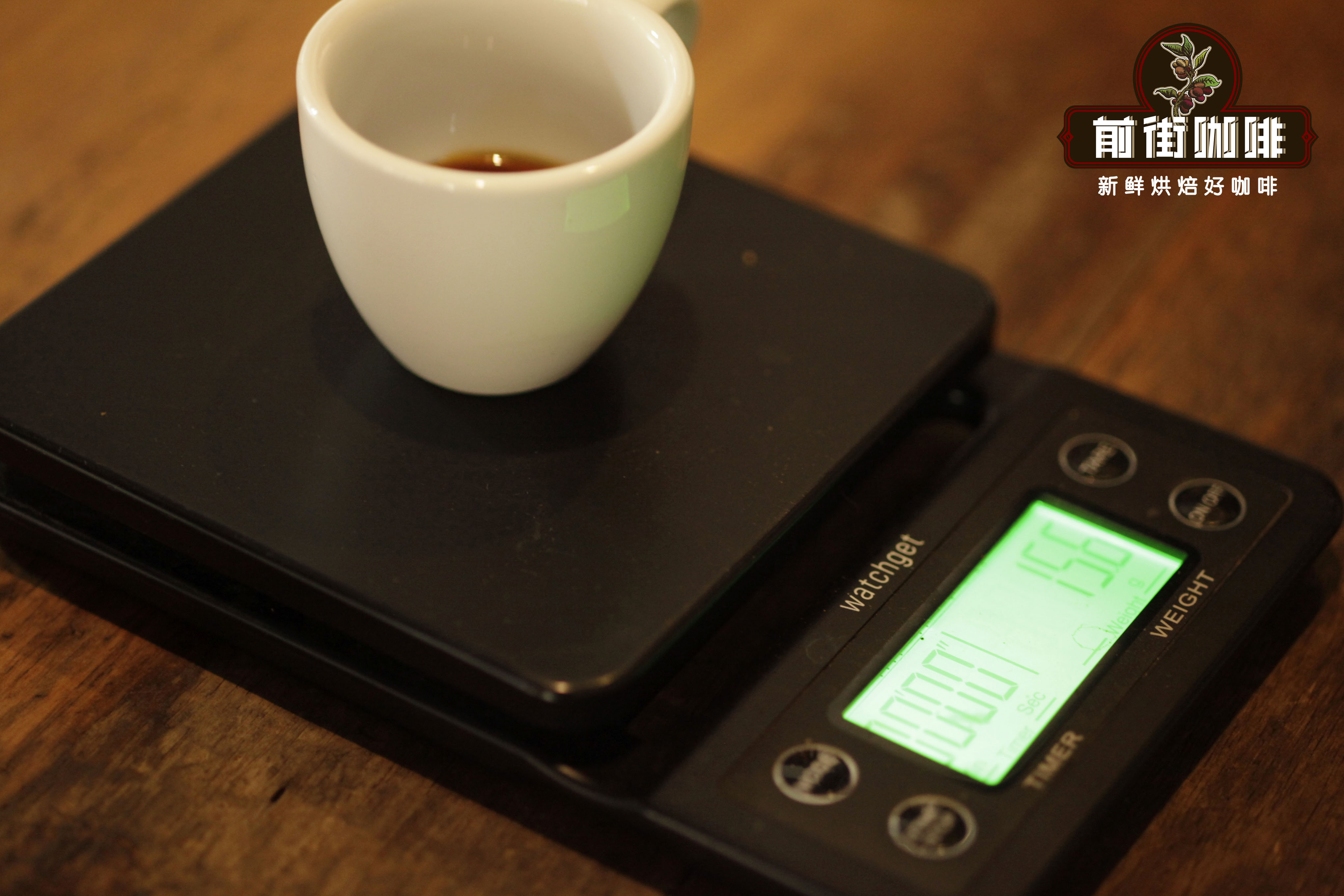
Then came the moment of truth for the saved liquid: pour the reserved bloom drip back into the finished cup and swirl gently. The berry character and other flavors return immediately, and the acidity becomes prominent again.
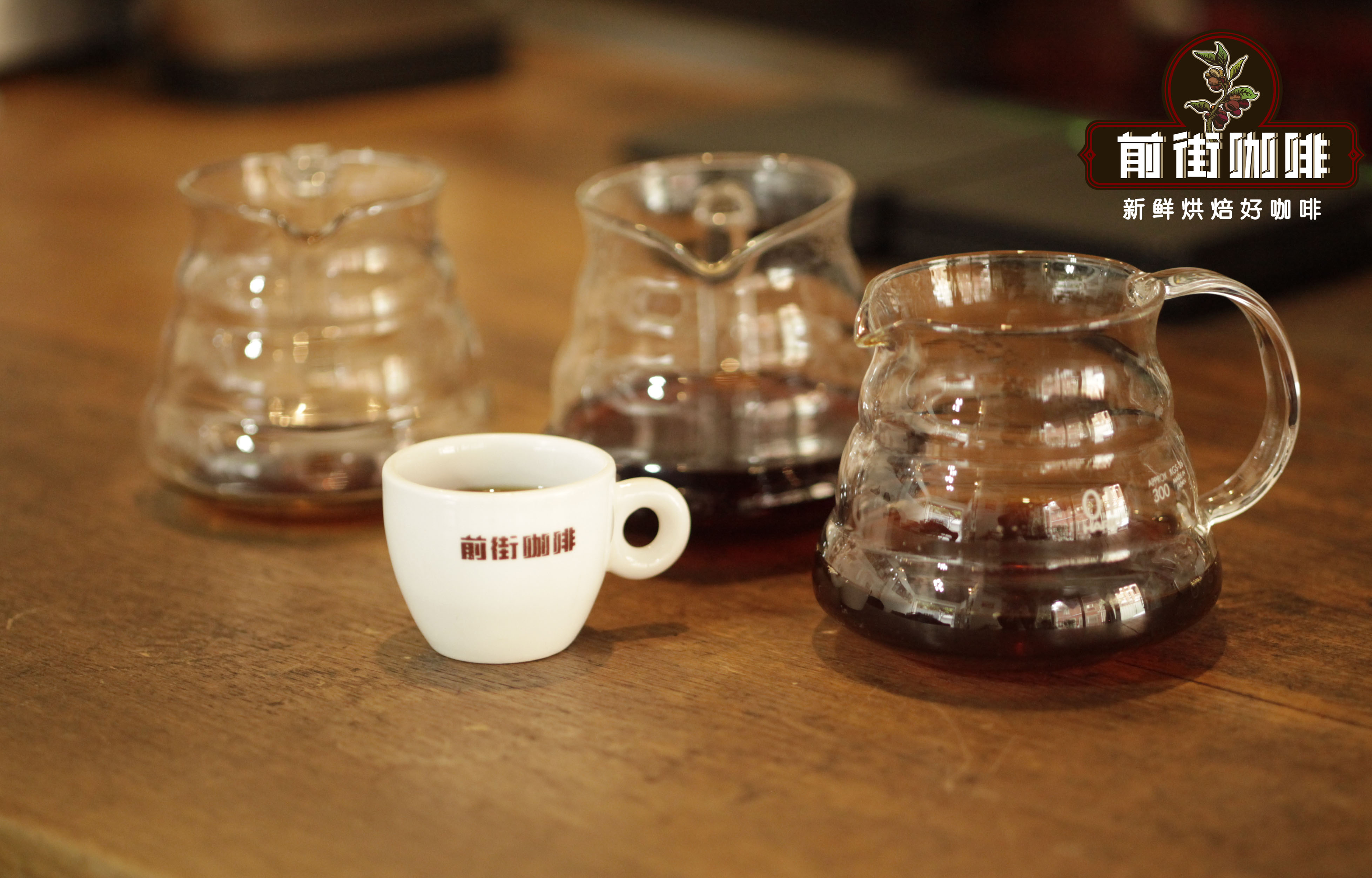
That makes sense given how extraction works. In everyday brewing, the first liquid through the bed is the most concentrated, and each subsequent pour dilutes it. The bloom drip carries the lion's share of the coffee's flavor compounds — acidity above all — so keeping it produces a more complete cup that shows the coffee's full profile. One caveat: if a lot of liquid drains during the bloom, that's a sign the grounds bed wasn't fully wetted (water only penetrated the surface of the particles), so aim for a bloom that saturates the bed without excessive early drip.
FrontStreet Coffee Recommendation
If this experiment has you itching to try it yourself, the bean matters. FrontStreet Coffee's washed Yirgacheffe is the ideal everyday bean — the classic first step into Ethiopian coffee. It's known for white jasmine florals, a bright citrus and lemon acidity, and a delicate tea-like finish, and its friendly price makes it the natural starting point for anyone exploring specialty coffee. Yirgacheffe itself is a small town in Ethiopia's Sidama region, sitting at roughly 1,700-2,100 meters with coffee grown above 1,800 meters — among the highest coffee elevations in the world. Its instantly recognizable white floral character and lemon-citrus acidity have made the name a byword for Ethiopian specialty coffee.
If you'd rather run the test with a natural-process lot, FrontStreet Coffee's Yirgacheffe Natural Red Cherry — the same bean used in the experiment above — is the way to go. Only fully ripe, defect-free cherries are picked, then dried whole on raised beds, turned every 2-3 hours during the first few days to prevent uneven heating and over-fermentation, and sun-dried for three to five weeks. Because the fruit dries on the bean, you get classic Yirgacheffe character plus tropical fruit: citrus-like acidity, a juicy berry feel, honeyed sweetness, and a creamy smoothness.
Brewing suggestion from FrontStreet Coffee: use a V60, 15g of coffee, a 1:15 ratio, water at 90-91°C, and a medium-fine grind (80% pass-through on a #20 sieve, about the size of fine granulated sugar). Pour 30g to bloom for 30 seconds, add 95g, then finish with 100g once the bed drops to two-thirds — total drawdown in roughly 2:00-2:10.
Important Notice :
FrontStreet Coffee is a long-established specialty coffee roaster in Guangzhou China, selling freshly roasted beans from its own farm in Yunnan as well as dozens of carefully selected single-origin beans from around the world for both pour-over and espresso. The products deliver consistently excellent quality and great value, with shipping within 24 hours. Guangzhou's FrontStreet Coffee shop is recommended by many coffee lovers, and the beans are now available online at the Tmall 。
FrontStreet Coffee has moved to a new address:
FrontStreet Coffee Address: 315,Donghua East Road,GuangZhou
Tel:020 38364473
 Scan and follow the En Gafei WeChat official account. Please indicate that the reprint comes from "En Gafei".