The Relationship Between Pour Over Coffee Flow and Circling Speed? How to Brew Hanayotsuki Coffee?
Introduction
In pour-over brewing, water flow rate and pouring speed are hard to avoid. When FrontStreet Coffee explored brewing technique, it tested the separate effects of water flow and pouring speed on the cup.
With all other factors constant, a small flow keeps the liquid level from rising too high, giving a slightly thicker coffee bed, slightly longer contact between water and grounds, a slightly higher concentration and a richer body. A large flow carries more impact force and raises the level higher, giving a slightly thinner bed, faster drainage, a shorter brew and a cleaner, more singular taste. The aroma also comes through more strongly.
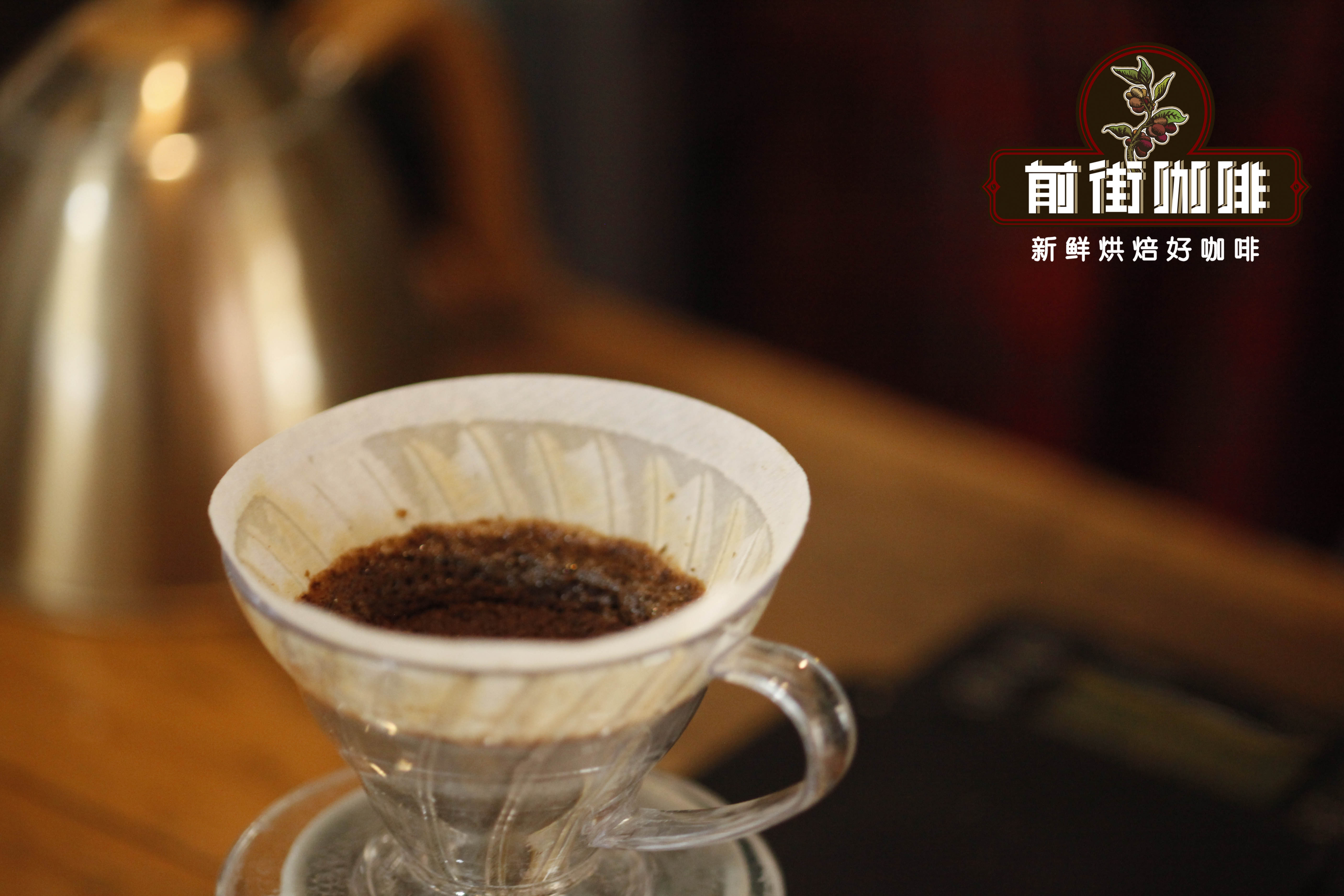
With all other factors constant, a fast pouring speed creates stronger impact force from the water and raises the extraction rate. When the pour is slow, the impact is weaker and the extraction is not as intense.
From this we can easily conclude that a small flow with a fast pour maximizes extraction efficiency, while a large flow with a slow pour minimizes it. So how do a small flow with a slow pour and a large flow with a fast pour compare?
Brewing Experiment
This experiment again uses FrontStreet Coffee's Huayueye Colombia from our bean menu as the test coffee. Under identical ratio conditions, we brewed one cup with a small flow and a slow pour and one with a large flow and a fast pour.
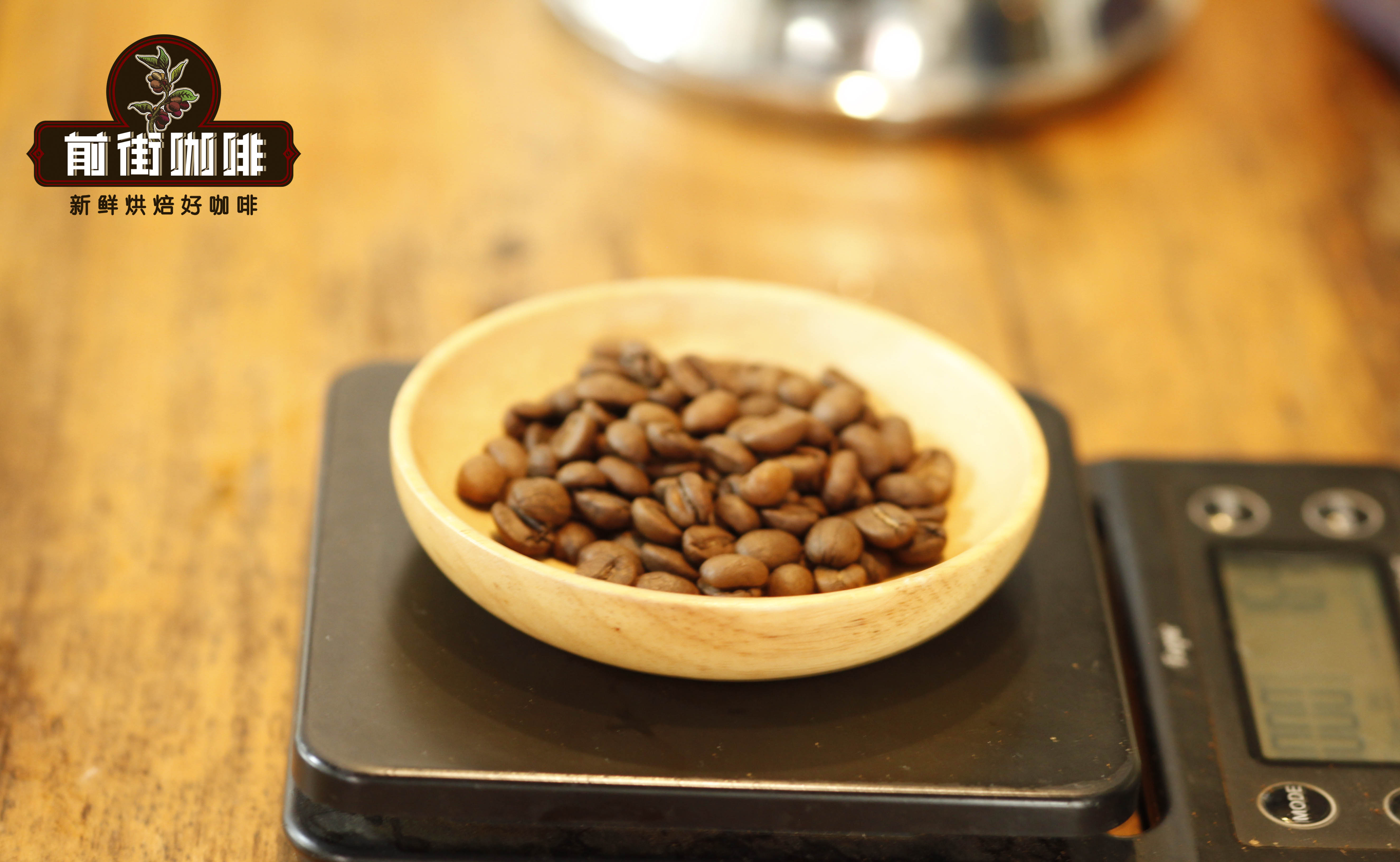
Parameters
Coffee amount: 15 g
Coffee-to-water ratio: 1:15
Grind size: Fine grind (80% pass-through rate on a #20 standard sieve)
Water temperature: 91°C
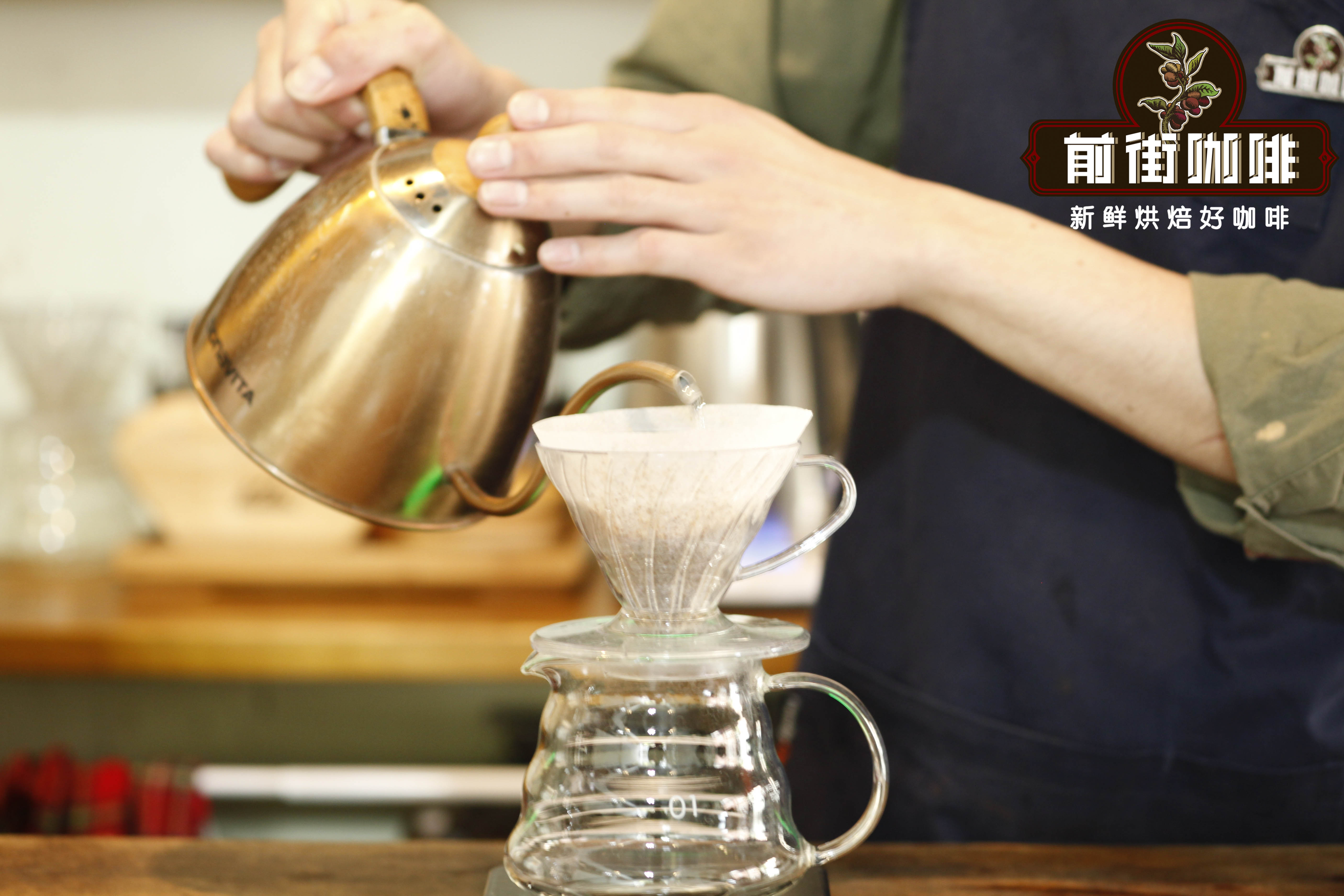
Small Flow with Slow Pouring Speed
First, use 30 g of water for a 30-second bloom. Pour at an average rate of 4 g/s in a circular motion from the center to the outer edge and back to the center at 4 seconds per circle, and stop pouring at 125 g. When the coffee bed drops halfway, continue in the same way to 225 g, then stop. Remove the filter cone once all the coffee liquid has flowed into the server. Total brewing time: 2 minutes.
Large Flow with Fast Pouring Speed
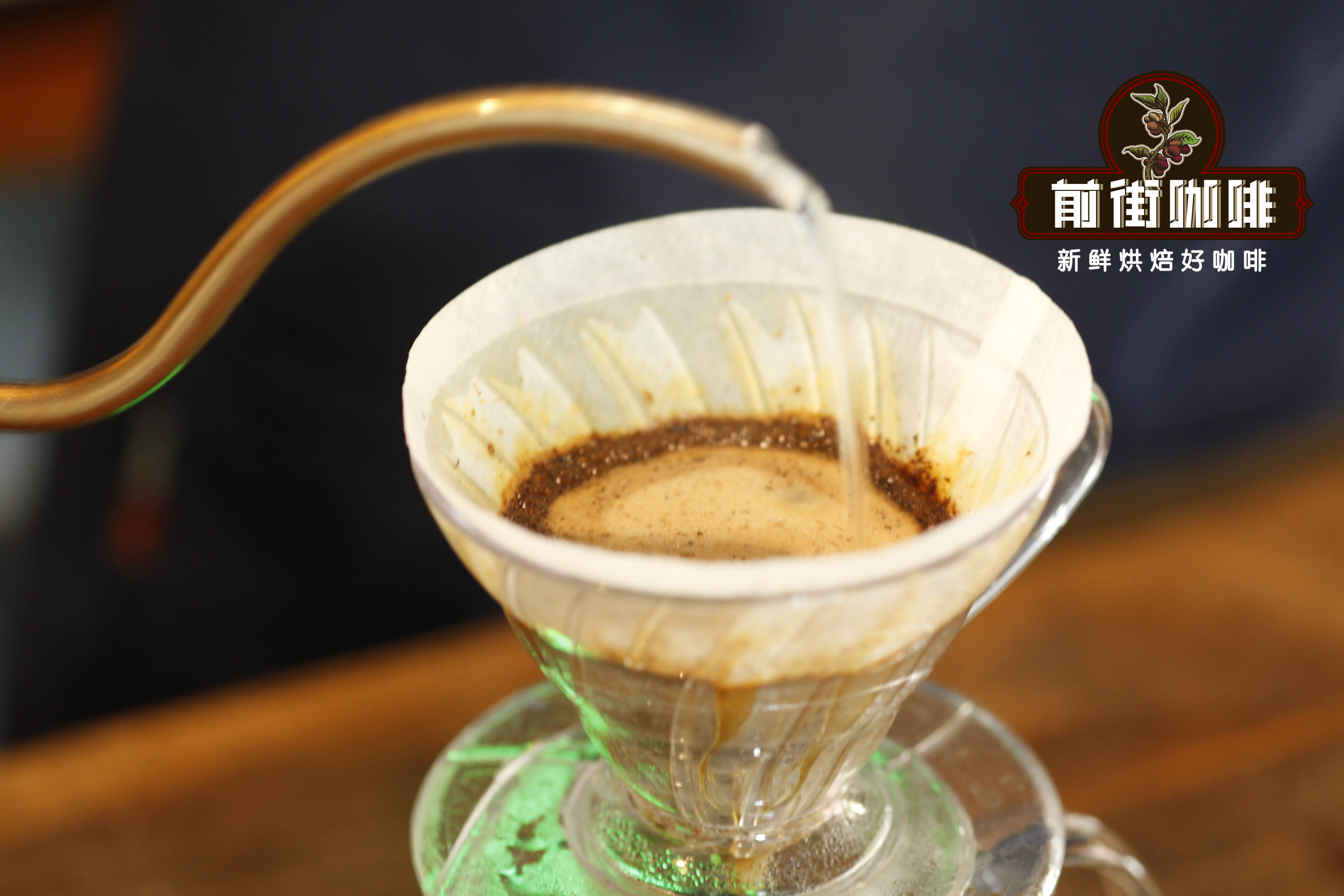
First, use 30 g of water for a 30-second bloom. Pour at an average rate of 6 g/s in a circular motion from the center to the outer edge and back to the center at 1 second per circle, and stop pouring at 125 g. When the coffee bed drops halfway, continue in the same way to 225 g, then stop. Remove the filter cone once all the coffee liquid has flowed into the server. Total brewing time: 1 minute 40 seconds.
Flavor Comparison
Small Flow with Slow Pouring Speed
Concentration: 1.37%. Rich strawberry aroma, sweet notes of strawberry jam, a creamy mouthfeel and a finish reminiscent of liqueur-filled chocolate. Overall very rich and full-bodied.
Large Flow with Fast Pouring Speed
Concentration: 1.28%. Fermented notes, a light berry sweetness and fragrance, with a refreshing black tea finish in the aftertaste. Overall quite refreshing, with a lighter mouthfeel.
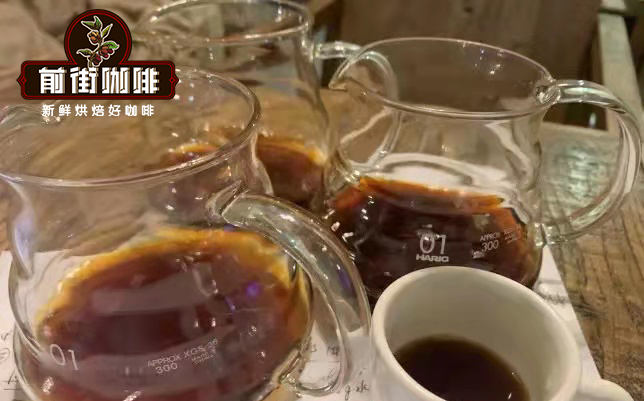
The small-flow, slow-pour method is essentially an even immersion extraction, which produces a more mellow mouthfeel and richer flavors. The large-flow, fast-pour method is overall a powerful agitation extraction. Because the coffee particles are relatively coarse for that method, though, water drains faster and the extraction rate ends up slightly lower, so the grind can be adjusted finer.
FrontStreet Coffee Recommendation
Colombian beans are a great choice for experimenting with flow and pour speed, because their balance holds up to both styles. FrontStreet Coffee's Colombia Huila washed, from the country's best-known specialty region, is grown at altitudes above 1500 meters and roasted to a medium-dark level, bringing out black chocolate and nut aromas, a moderate oiliness and a full body. It works as a pour-over or a French press and also pulls a good moka pot or espresso, whether you are making an Americano or a latte.
If you want a fruitier Colombian cup to test a faster, more vibrant brew, FrontStreet Coffee's Sidra from Finca La Divisa is processed as an anaerobic natural. In the low-oxygen tank the coffee transforms into richer tropical fruit, and a medium-light roast yields complex notes of passion fruit, grape, apricot and dried fruit. It suits a pour-over, a cold brew, a drip bag or a moka pot.
For anyone with a home espresso machine or a moka pot, FrontStreet Coffee's Specialty Blend is a barista favorite. Built for cafe use, it combines the creamy nut aroma of Brazilian coffee with the dark chocolate bittersweetness of Colombian coffee, and it pulls a fine golden crema that pairs beautifully with milk for a rich, smooth latte. It is beginner-friendly and also works as the base for an Americano, cappuccino or mocha.
Important Notice :
FrontStreet Coffee is a long-established specialty coffee roaster in Guangzhou China, selling freshly roasted beans from its own farm in Yunnan as well as dozens of carefully selected single-origin beans from around the world for both pour-over and espresso. The products deliver consistently excellent quality and great value, with shipping within 24 hours. Guangzhou's FrontStreet Coffee shop is recommended by many coffee lovers, and the beans are now available online at the Tmall 。
FrontStreet Coffee has moved to a new address:
FrontStreet Coffee Address: 315,Donghua East Road,GuangZhou
Tel:020 38364473
 Scan and follow the En Gafei WeChat official account. Please indicate that the reprint comes from "En Gafei".