How to Master the Double-Winged Swan Coffee Latte Art - A Complete Latte Art Tutorial
Introduction
Have you mastered the tulip etching technique yet? In this installment, FrontStreet Coffee continues its latte art series with the double-winged swan. No further ado — let's get started.
Preparation Stage
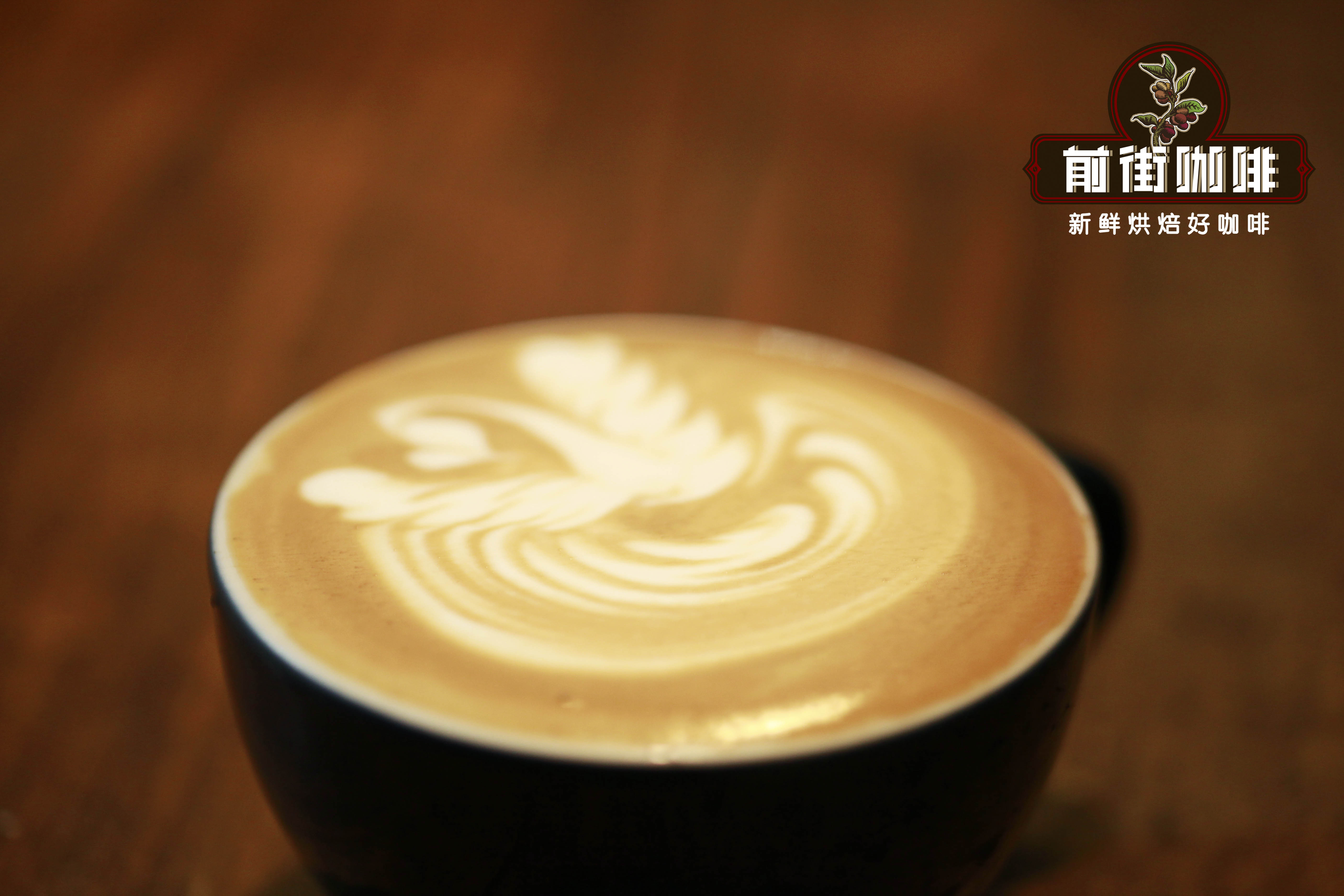
You'll want espresso with rich crema paired with lightly steamed milk. For the espresso, FrontStreet Coffee uses the Sunflower Warm Blend (Sherry + Red Cherry); the sherry-processed component is what drives that thick, generous crema. Steam the milk only until the pitcher is 50–60% full — you need strong flowability and fine texture. Good flowability is what lets you draw clean etched lines, while fine texture keeps the foam from separating prematurely.
Latte Art Stage
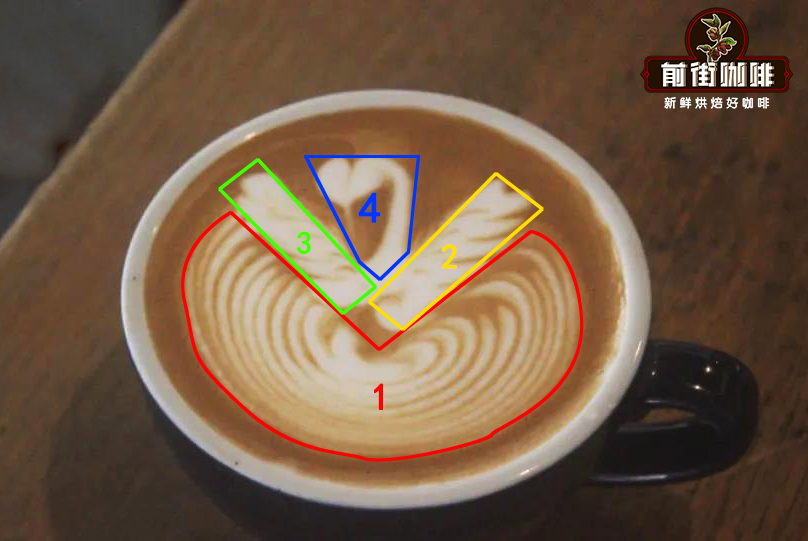
Look at the finished cup first: this is a very approachable double-winged swan, and it breaks down into four parts — 1) etched waves, 2) the right wing, 3) the left wing, and 4) the swan's neck and head.
1. Etched Waves
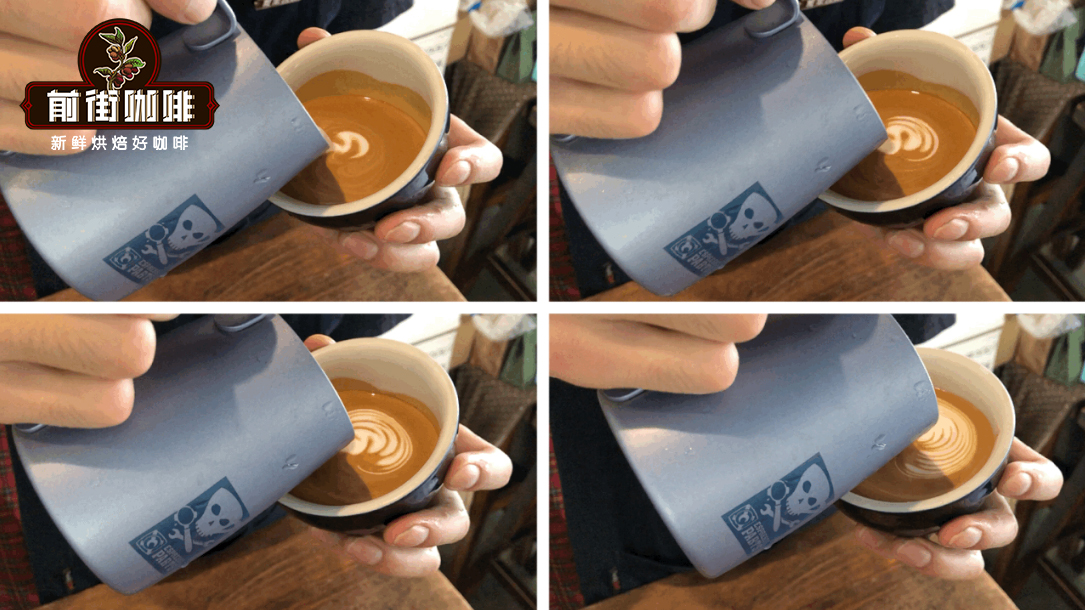
This step closely mirrors the first etch of the tulip pattern from the previous issue. Use a uniform tapping motion of the pitcher against the liquid surface to create convection, which forms the wave-like etched base.
When the cup is about 40% full, begin swaying evenly from the center point while slowly drawing the pitcher spout inward — push to the center, then lift.
2–3. The Swan's Double Wings
The double wings are essentially a variation of the wheat (rosetta-leaf) pattern. Skip the convection this time: find your starting point and begin with small, uniform swaying motions while pulling the pitcher backward. Then lift the spout, travel back along one side of the wheat pattern to the starting point, and finish. The order of steps 2 and 3 can be swapped to taste.
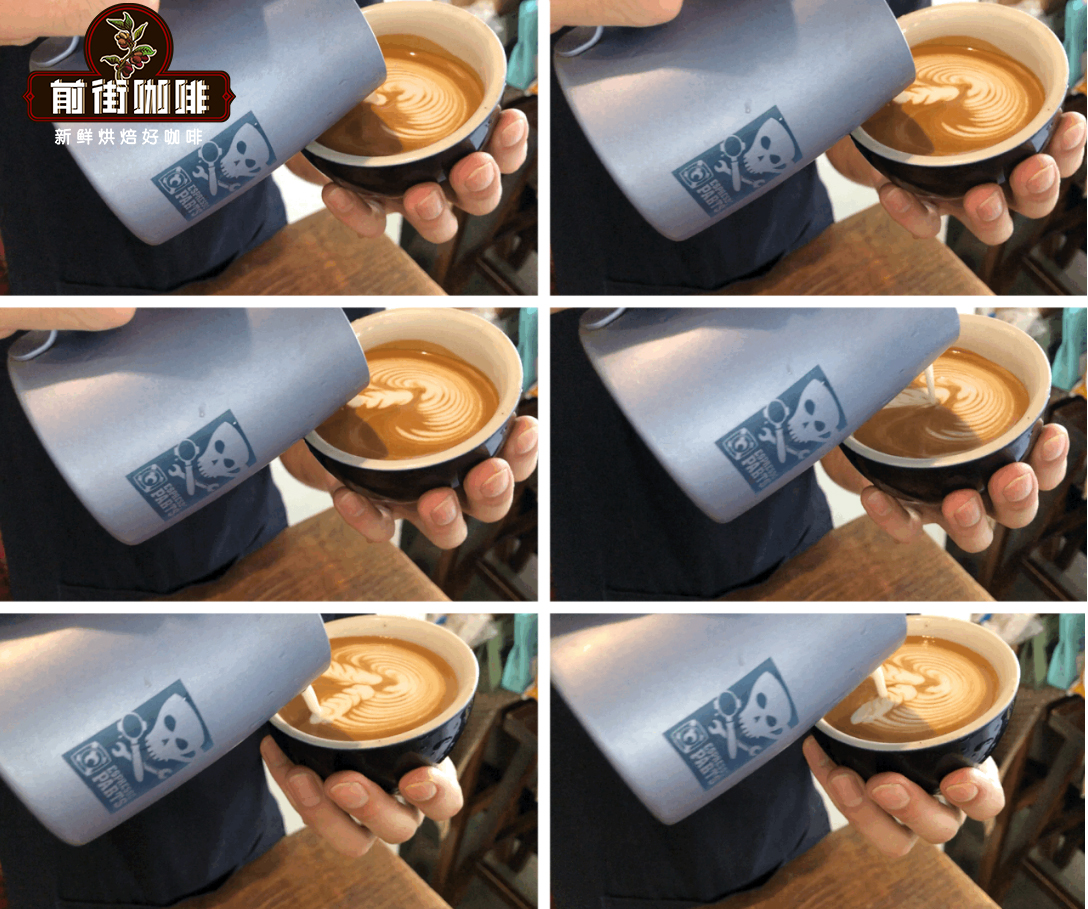
4. Swan Neck and Head
The final, crucial stroke is easiest to understand broken down. The neck is literally drawn on the coffee surface using milk foam as a "pen" — in other words, this last pour should be almost pure foam with minimal milk (that's why you sometimes see baristas draw a perfect swan head even when the cup looks completely full). The head resembles a tiny heart: at the very end, drop the pitcher spout low and release a slightly larger dot of white foam, then lift high to finish the stroke.
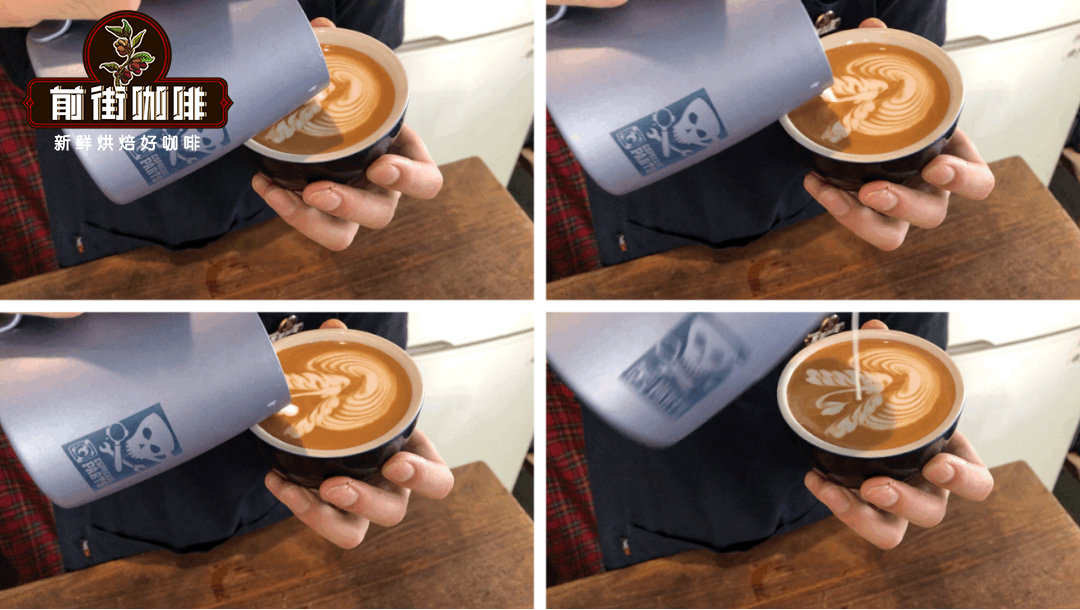
Important Notes
1. Don't leave too much milk in the pitcher. The most common reason a swan neck fails is too much milk left over — you end up pouring mostly milk instead of foam, and the neck comes out unnaturally thin.
2. Don't over-thicken the foam. Three of the four steps here require highly flowable foam for etching; foam that's too thick will look bloated at best and refuse to form a pattern at worst.

3. If the surface turns muddy or the wings won't form, the foam almost certainly isn't fine enough — go back and work on your milk-steaming technique.
FrontStreet Coffee Recommendation
Great latte art starts with an espresso that pours stable, thick crema. For practicing at home, FrontStreet Coffee recommends the FrontStreet Classic Blend — a medium-dark, three-origin espresso recipe inspired by the old-school "Mandheling + Brazil" pairing, with a touch of Robusta added for aroma and crema. It extracts with notable butter, toasted toast, and caramel cookie notes, a solid body, fine crema, and — most importantly for beginners — extremely stable extraction.
If you prefer nutty intensity, the FrontStreet House Blend pairs washed Colombian with semi-natural Brazilian beans for nuts, dark chocolate, and caramel; in lattes and flat whites it shows cream, almond, and cocoa aromatics, with crema that rivals café output. And if you're gearing up to open a shop of your own, the FrontStreet Commercial Blend builds on the House Blend with a small addition of Robusta to push even more deep-brown crema and heavy body — making latte art genuinely easy, whether you're pouring an Americano, a latte, or a mocha.
Important Notice :
FrontStreet Coffee is a long-established specialty coffee roaster in Guangzhou China, selling freshly roasted beans from its own farm in Yunnan as well as dozens of carefully selected single-origin beans from around the world for both pour-over and espresso. The products deliver consistently excellent quality and great value, with shipping within 24 hours. Guangzhou's FrontStreet Coffee shop is recommended by many coffee lovers, and the beans are now available online at the Tmall 。
FrontStreet Coffee has moved to a new address:
FrontStreet Coffee Address: 315,Donghua East Road,GuangZhou
Tel:020 38364473
 Scan and follow the En Gafei WeChat official account. Please indicate that the reprint comes from "En Gafei".