Why are Mocha Coffee Beans, Mocha Coffee, and Mocha Pot All Called Mocha? What's the Relationship Between Them?
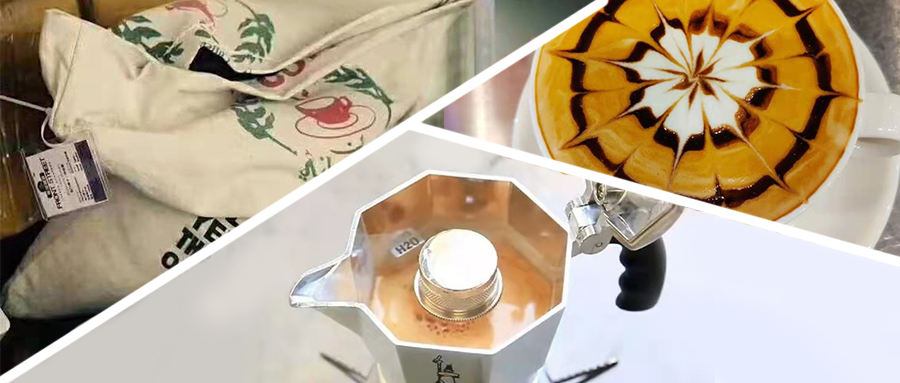
Many newcomers to coffee find themselves genuinely confused the moment they run into anything containing the word "Mocha." Whether you came to coffee through espresso drinks or through single-origin brewing, you'll see Mocha coffee very differently. So what exactly is the relationship between Mocha coffee beans, the Mocha drink, and the Moka pot?
Mocha
On the surface, everything seems connected to Mocha, and it's tempting to conclude that Mocha coffee is made from Mocha coffee beans using a Moka pot. That's wrong — these three appeared as much as one to two centuries apart. The only common thread is Yemen's Mocha. Let's trace why they all carry its name.
Mocha Coffee Beans
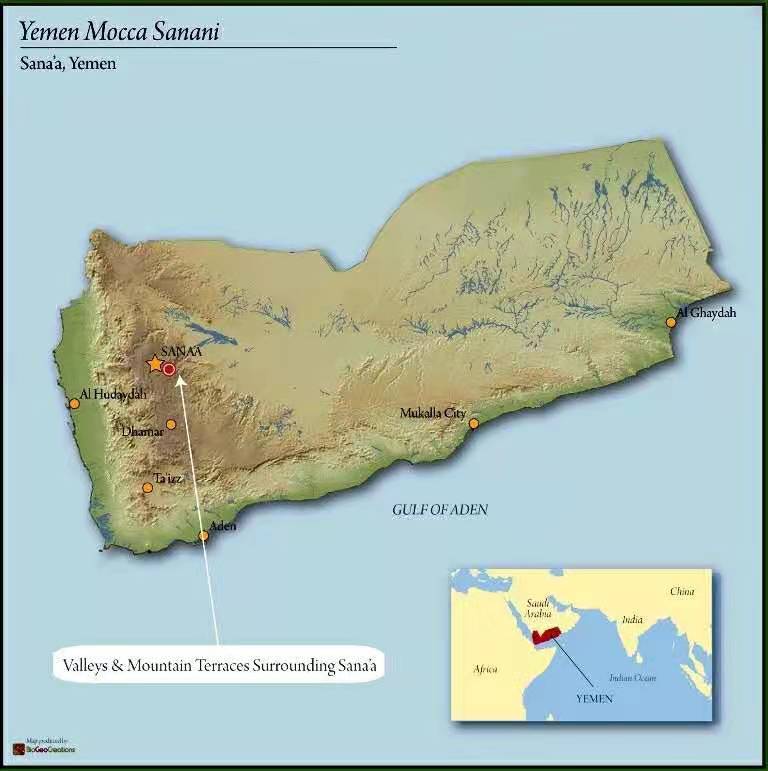
Yemen's port of Mocha spent more than 300 years, beginning in the 15th century, as the great export hub of the Red Sea — its status comparable to Shanghai's harbor today, with a huge share of the world's maritime cargo passing through. Coffee itself wasn't grown near Mocha; most of it came from the high-altitude mountain regions of central Yemen. But the coffee that shipped out through Mocha was praised wherever it landed in Europe. Since buyers knew only that their coffee had come "from Mocha," the name stuck: coffee shipped via the port was sold as "Mocha coffee." Eventually, anything leaving through Mocha was labeled Mocha coffee.
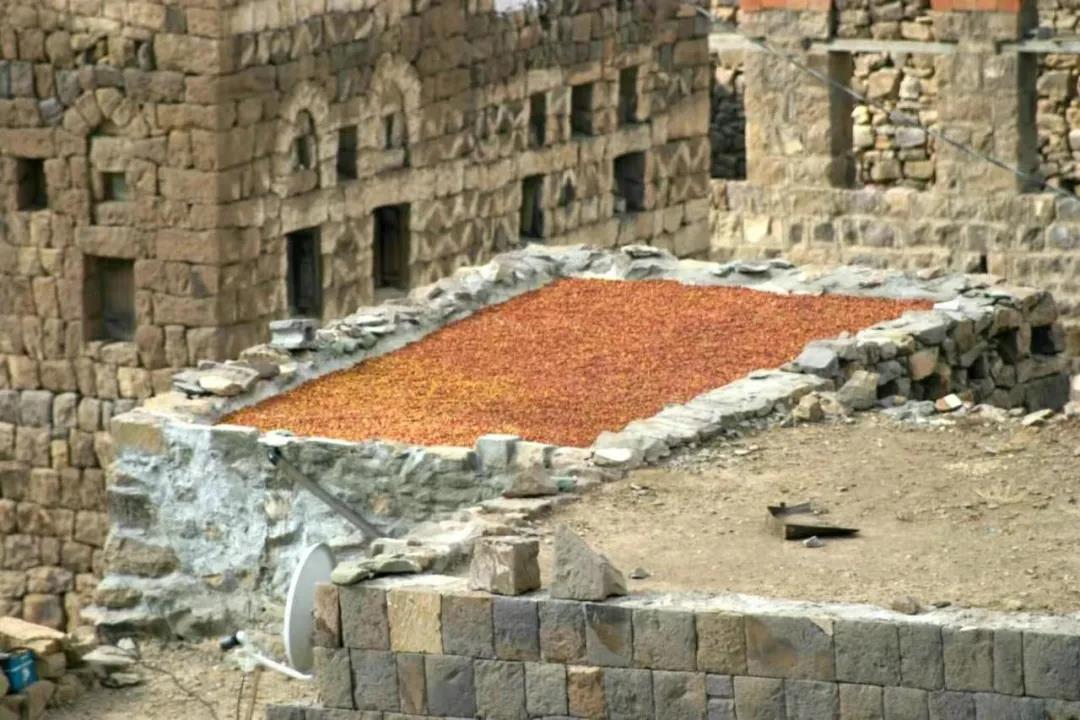
Genuine Yemen Mocha remains precious and rare. Years of conflict in Yemen have hit cultivation hard, and only small quantities leave the country each year. Some years ago, FrontStreet Coffee was lucky enough to obtain a bag of Mokha Mattari, named for Yemen's Bani Matar region. Yemeni coffee is packed differently from most origins too — instead of coarse burlap sacks, it comes in fine-woven cloth bags resembling flour sacks.
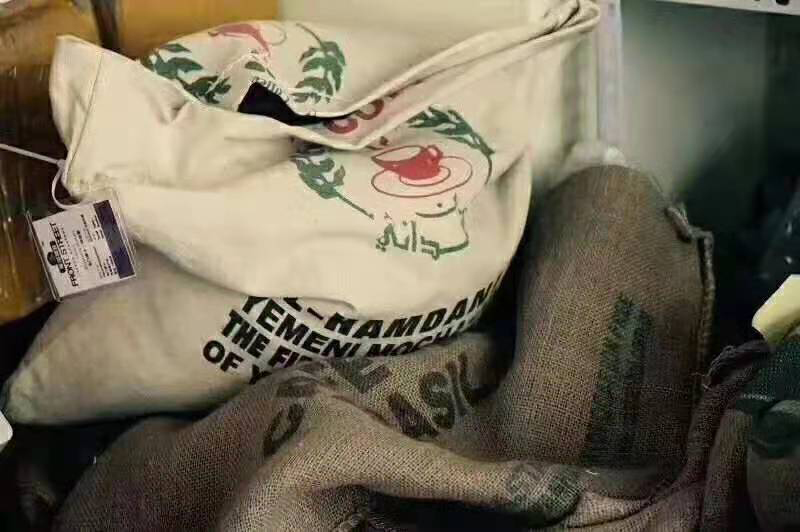
Yemen Mocha develops distinct schools depending on the growing region — the chocolate notes and acidity of Mattari, the wild intensity and fragrance of Sanani — but its signature trait throughout is a rich chocolate flavor.
Mocha Coffee
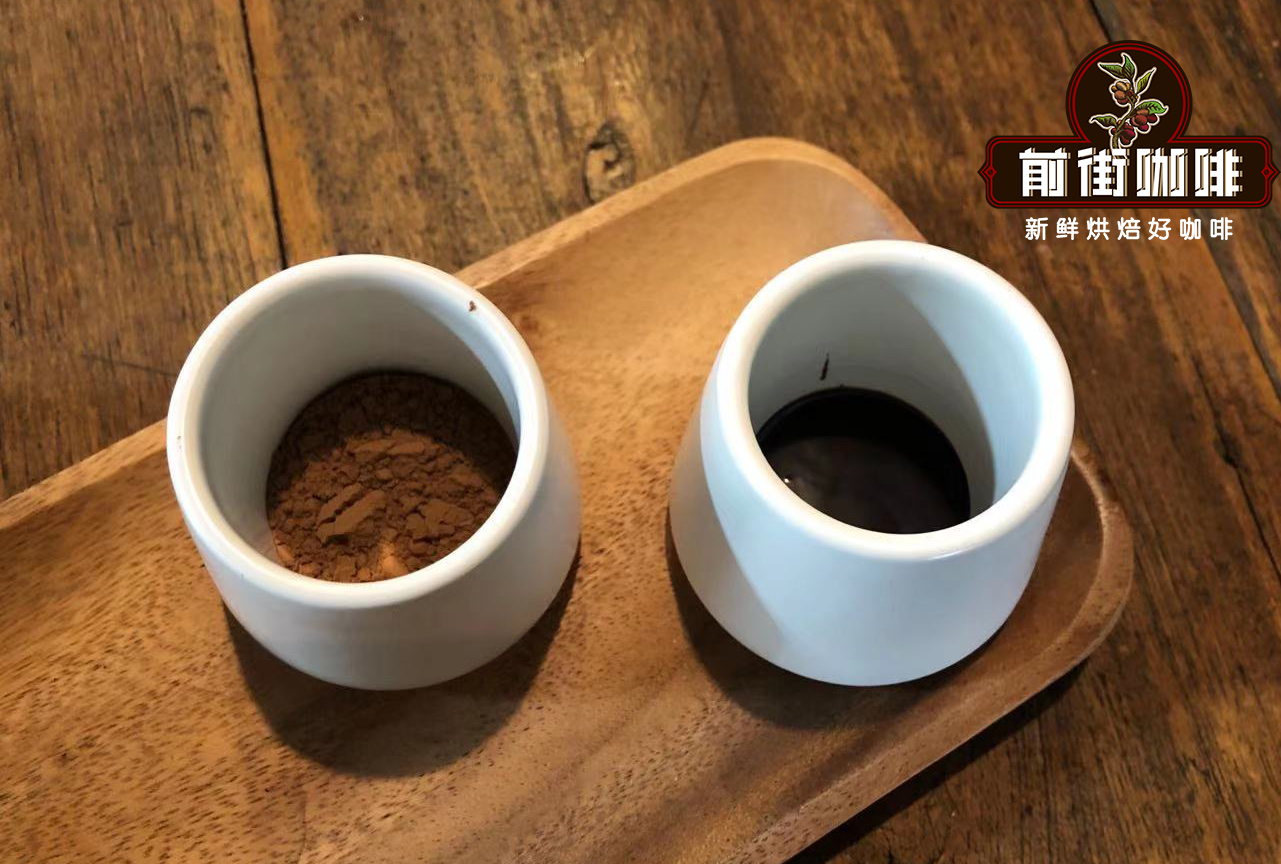
The Mocha most people know today (Caffè Mocha) is an espresso drink: espresso combined with milk and chocolate syrup (or chocolate powder; some cafés melt in chocolate pieces instead). Espresso fused with chocolate, topped with steamed milk — a rich, sweet marriage of coffee and cocoa.
On the face of it, this drink has nothing to do with the port. Its traceable history reaches back to 18th-century Italy, and while no authoritative source records exactly how it got its name, an educated guess is possible. By the 18th century, the Dutch had carried coffee to Southeast Asia and the French to South America; Mocha had lost its monopoly. Under late Ottoman rule, Mocha's market share kept shrinking.
Fewer and fewer true Mocha beans reached Europe. To imitate the chocolate character of those beans, Italians added chocolate syrup to espresso — and pairing it with milk brought the flavor even closer. The Italian Mocha drink was most likely created to approximate the now-scarce Mocha bean, and since Mocha beans enjoyed a prestige comparable to Geisha today, naming the imitation after the original advertised exactly what it was meant to taste like.
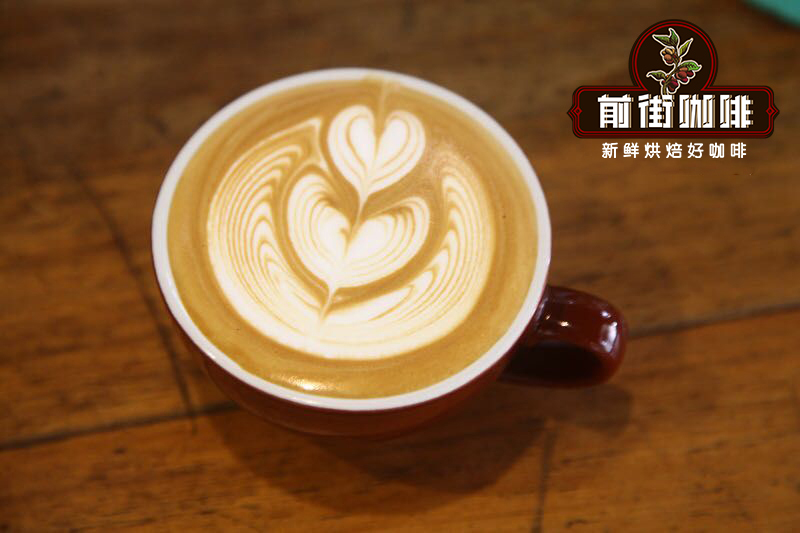
As Italian espresso culture spread worldwide, the Mocha became a fixture of the espresso family.
Moka Pot
The Moka pot has little to do with the port of Mocha. Its inventor, Alfonso Bialetti, was the latest-born of the three "Mochas" (1933). It's a traditional Italian household brewer, not a Yemeni import — yet its influence is hard to overstate; it's said to be found in every Italian kitchen.
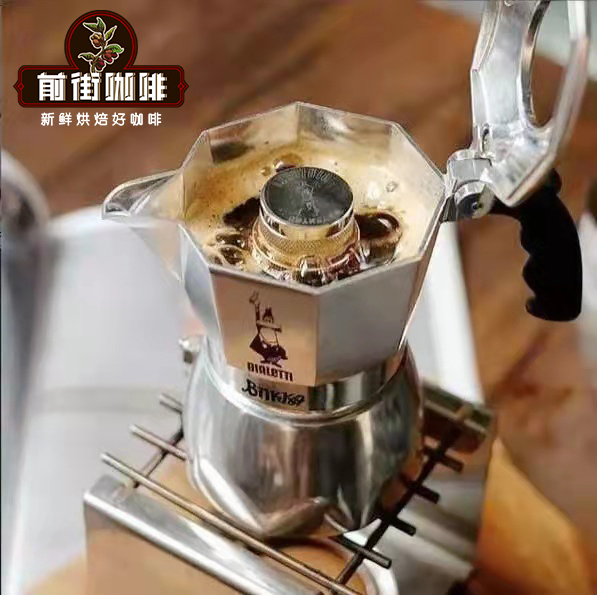
The pot has three parts: a lower chamber, a filter basket, and an upper chamber. Water goes in the bottom, finely ground coffee in the basket, and the brewed coffee collects on top. The principle is simple: steam pressure builds in the lower chamber, and once it's strong enough to push through the grounds, it drives hot water up into the upper chamber, brewing a rich, aromatic cup. Its pressure — 1.5 to 2 bar — is modest next to an espresso machine's 9 bar, but it's enough to extract coffee oils and produce a full flavor.
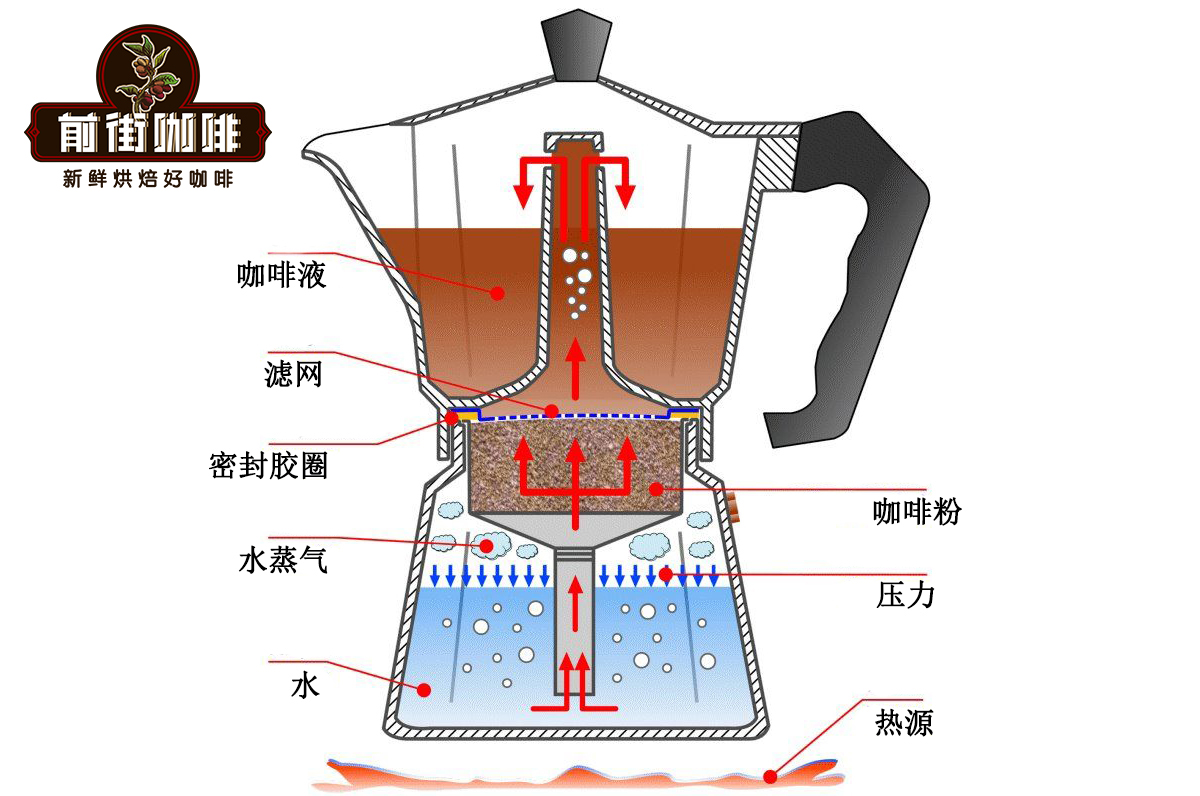
So why call it a "Mocha pot"? The most common explanation: ever since the first batch of coffee reached Venice in the 17th century, "Mocha" and "coffee" were linked in the popular mind. In northern Italy, "Mocha" became a synonym for coffee itself. The Moka pot is, in effect, also a "coffee pot" — a device for brewing a rich cup of coffee at home.
FrontStreet Coffee Recommendation
For the Moka pot, blends are the safest bet. The FrontStreet Classic Blend was designed specifically for espresso and moka pot brewing, and its standout strength is crema — even a beginner with a non-professional home machine can pull a thick, velvety shot. Built on the traditional Mandheling-Brazil pairing, it's smooth and full-bodied, easy for everyone from veterans to first-timers, and equally at home in a latte, cappuccino, or Dirty. The FrontStreet Black Cocoa Blend, made entirely of 100% Arabica beans, offers ample crema and a mellow body at a friendly price — a smart pick for new brewers or anyone minding costs.
If you prefer single origins, the FrontStreet Brazil Fazenda Rainha is a natural moka pot candidate: very low acidity, a balanced cup rich in nut and cocoa aromas with clear caramel sweetness, smooth and never astringent — equally good as pour-over or espresso. The FrontStreet PWN Gold Mandheling, dark roasted, brings a thick, lingering body full of herbal and dark chocolate notes for those who like bold, non-acidic coffee. And for a fruity twist, the FrontStreet Strawberry Candy — a popular fruit-toned espresso blend whose Arabica components recreate the sweetness of strawberry gummy candy — works beautifully both at home and in cafés looking to serve a distinctive milk drink.
Important Notice :
FrontStreet Coffee is a long-established specialty coffee roaster in Guangzhou China, selling freshly roasted beans from its own farm in Yunnan as well as dozens of carefully selected single-origin beans from around the world for both pour-over and espresso. The products deliver consistently excellent quality and great value, with shipping within 24 hours. Guangzhou's FrontStreet Coffee shop is recommended by many coffee lovers, and the beans are now available online at the Tmall 。
FrontStreet Coffee has moved to a new address:
FrontStreet Coffee Address: 315,Donghua East Road,GuangZhou
Tel:020 38364473
 Scan and follow the En Gafei WeChat official account. Please indicate that the reprint comes from "En Gafei".