
How is Honduran Coffee? How Should You Brew Orange-Flavored Honduran Coffee?
For professional coffee knowledge exchange and more bean guides, follow Coffee Workshop (WeChat public account: cafe_style).
Honduran Coffee Update
News update.
According to the Honduran Coffee Institute (IHCAFE), Honduras exported a total of 281,470 bags (60 kg per bag) of coffee in December 2020, a 20% decrease compared with 339,952 bags in the same period the previous year. IHCAFE attributes the sharp December drop to stricter social-isolation measures imposed by major coffee-consuming countries to contain the COVID-19 pandemic, which reduced coffee demand.
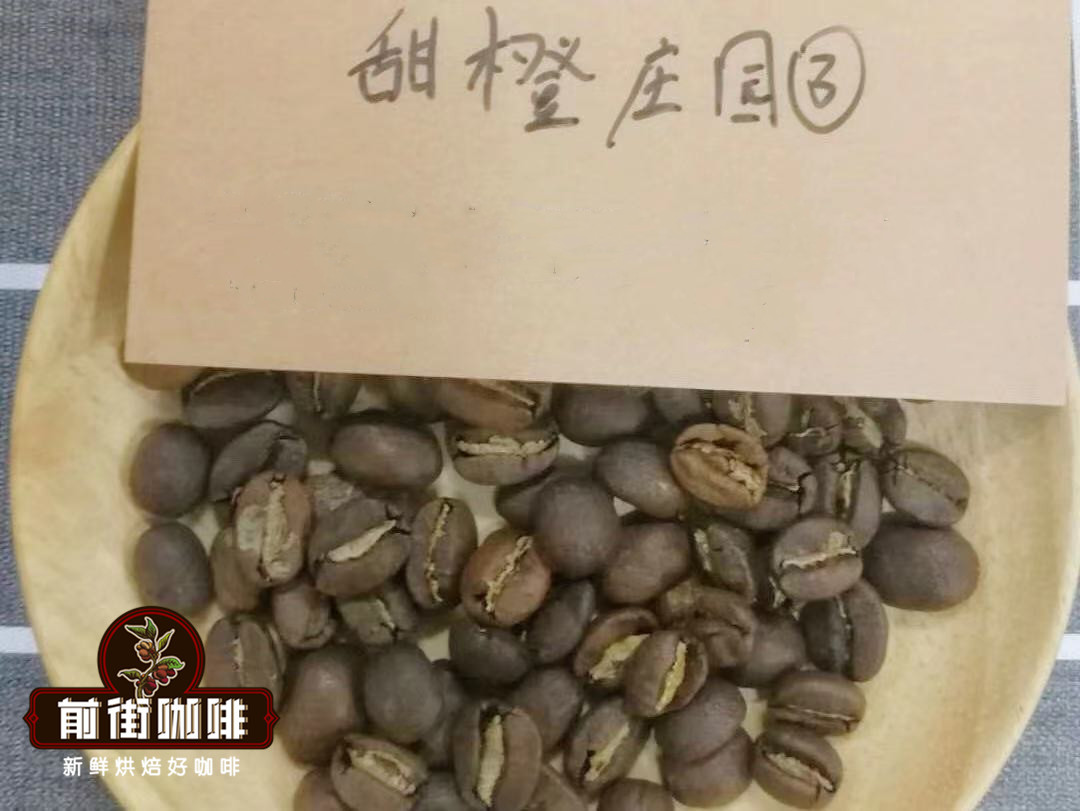
When people talk about Honduran coffee, FrontStreet Coffee's whiskey barrel-fermented sherry beans and brandy barrel-fermented brandy beans are probably the first to come to mind. Ever since Moka Estate introduced barrel-fermented coffee, these lots have left a lasting impression with their distinctive flavors. But Moka Estate is not the only Honduran estate worth exploring—El Naranjo Estate, featured below, is another.
The Marcala Coffee Region
Marcala
This region spans the departments of La Paz, Comayagua, Santa Bárbara, and Intibucá, linked by the Montecillos central mountain range. Elevation ranges from 1,300 to 1,700 meters, with annual rainfall of 1,700-2,200 millimeters. High-quality coffee grown in Marcala enjoys a strong reputation and image on the international market.
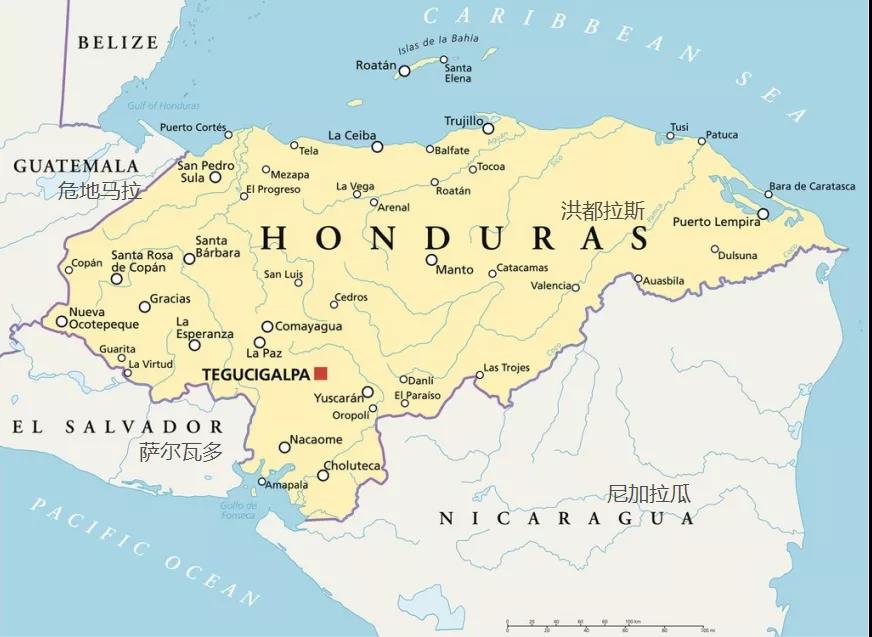
The region also holds a protected designation of origin for "Marcala Coffee," introduced to boost competitiveness and protect locally grown coffee. Through cupping, FrontStreet Coffee found that beans from this region show bright, lively acidity in the aroma, a delicate citrus flavor, a smooth overall mouthfeel, and a floral finish.
El Naranjo Estate
El Naranjo
Honduras's naturally favorable soil and water conditions allow high-quality coffee trees to thrive at El Naranjo Estate. The estate takes its name from the tall wild orange trees used as shade for the coffee, which carry a very intense orange aroma.
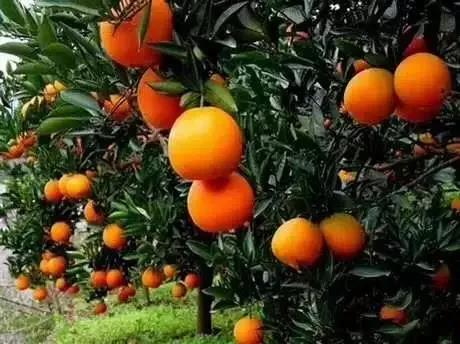
Perhaps the orange trees bloom alongside the coffee trees, and orange pollen drifts into the coffee flowers; or perhaps the roots of the coffee and orange trees mingle in the same soil, exchanging nutrients. Whatever the cause, coffee grown here has a rare, rich sweetness and layered floral and fruity aromas. In cupping, FrontStreet Coffee picked up both the slight astringency of orange peel and the fresh fragrance of orange blossom.
Coffee Bean Varieties
Catuai
El Naranjo Estate grows primarily Catuai. The owner prunes the trees to no more than 150 centimeters, because taller trees require ladders at harvest, which is time-consuming and can damage the trees by bending their branches. Since each coffee cherry ripens at a different time, keeping quality high requires manual picking followed by selection of only the ripe fruit.
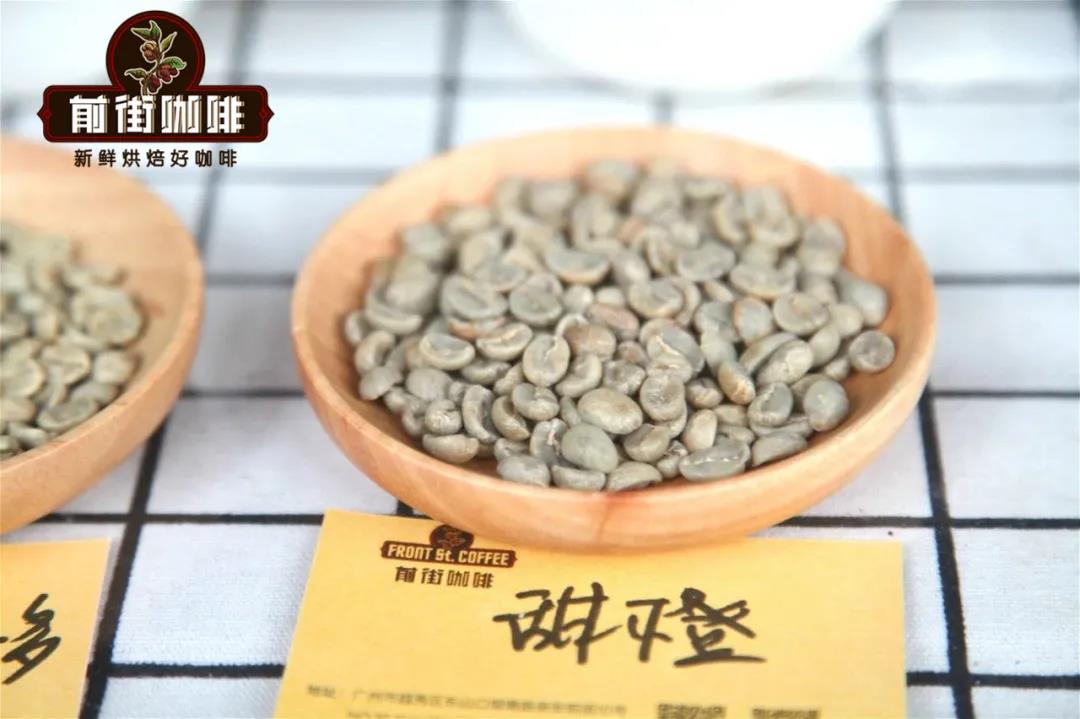
Catuai was introduced to Honduras in 1979 and became widely popular among farmers by 1989. Today, the variety accounts for more than 60% of all coffee production in Honduras. Like Caturra, Catuai plants are short and suited to intensive cultivation, with good resistance to natural disasters—especially wind and rain. Another advantage is their solid fruit set, which holds on in strong winds and compensates for the fragility of Arabica trees. The drawback is Catuai's susceptibility to pests and disease. To address this, the Honduran Coffee Institute has been developing hybrids of Catuai and Catimor to improve disease resistance.
Coffee Bean Processing Method
Washed
To better express the estate's rich floral and fruity aromas, El Naranjo uses the washed processing method, which gives the beans a cleaner overall presentation. Selected cherries go into a depulper to remove the skin and pulp. The beans, still carrying pulp and mucilage, are placed in water and fermented for about 12-36 hours depending on local temperature. After fermentation, the parchment coffee is moved through flowing water channels to wash away the remaining pulp and mucilage. Once washed, the beans are dried either in the sun or with drying machines until moisture content reaches about 12%, and the parchment is finally removed.
FrontStreet Coffee Roasting Records
FrontStreet Coffee's roaster noted that this coffee is SHB grade with medium bean density. The yellowing point arrives around 5 minutes 15 seconds; heat is then reduced and the air damper opened to enter the Maillard reaction. At first crack the air damper is opened wide while heat is held at about 192.4°C, and the beans are dropped 2 minutes after first crack.
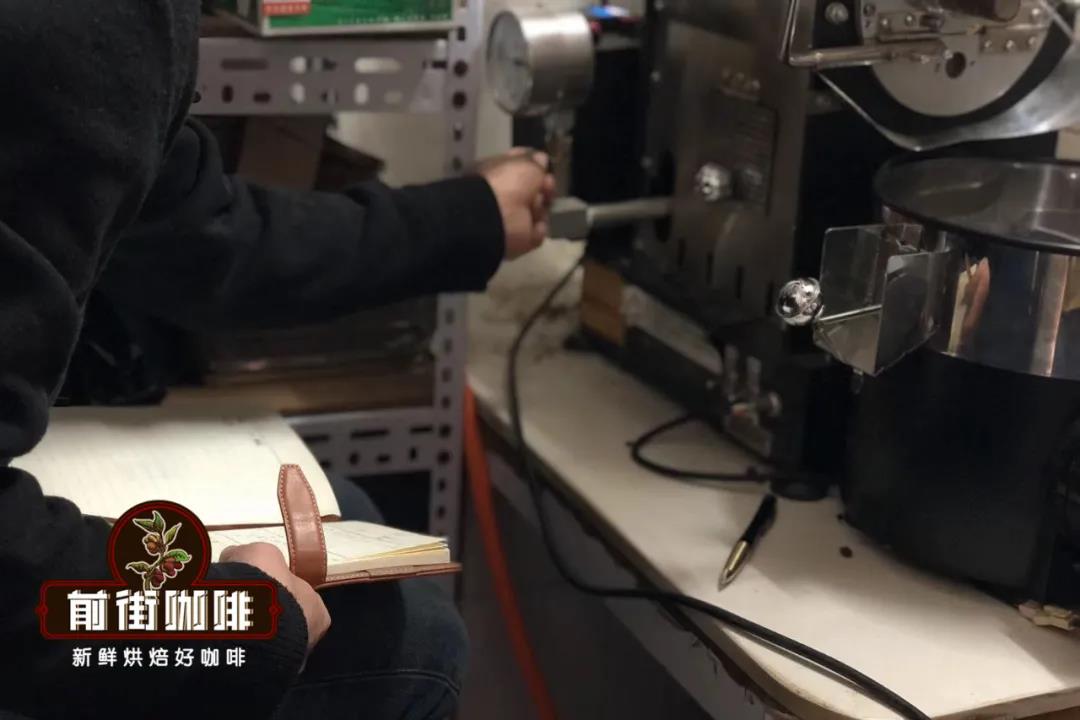
On the Yangjia 600g semi-direct-flame roaster: preheat to 200°C and set the air damper to 3. Turn the heat on after 30 seconds and adjust to a heat setting of 160. The temperature return point comes at 1'31". Hold the heat; the beans turn yellow at 5'15" as the grassy aroma disappears and the dehydration stage begins. Reduce heat to 130 and open the air damper to 4. On reaching 170°C, reduce heat again to 110. Dehydration completes at 8'40", with wrinkles and dark spots appearing on the bean surface and the toast aroma shifting to coffee aroma as the prelude to first crack. At this point hold the heat steady, open the air damper to 5, and listen for first crack. First crack begins at 9'11", and the air damper is opened fully to 5. Development time after first crack is 2 minutes, with the drop at 192.4°C.
FrontStreet Coffee Brewing Experience
To best express this coffee's rich floral and fruity aromas and layered complexity, FrontStreet Coffee chose the V60 dripper. The V60's spiral ribs not only extend the contact time between grounds and water but also channel the flow toward the center of the dripper along the grooves, creating compression on the coffee bed through the weight of the water and building greater layering.
Water temperature: 90°C
Coffee dose: 15 g
Coffee-to-water ratio: 1:15
Grind size: medium-fine (77% passing through a #20 sieve)

This time we used a staged pour. Start with 30 g of water for a 30-second bloom, at which point the bed expands into a "hamburger" shape. Second stage: pour 125 g in small circles at the center, from a height of 4 cm, with gentle force to minimize agitation of the coffee bed and a flow rate of 4 g per second. Wait until the water level drops to half the coffee bed before starting the third stage. This stage also uses a gentle center-outward circular pour until the total reaches 225 g. End the brew when all the liquid has dripped through, at 2'01". Once brewing is finished, gently swirl to mix the coffee thoroughly before tasting.

Brewing flavors: the entry shows a slight astringency like orange peel and a faint orange blossom aroma, followed by grapefruit-like lively acidity and green tea notes, finishing with a roasted-peanut aftertaste.
For more specialty coffee beans, add FrontStreet Coffee on private WeChat, WeChat ID: kaixinguoguo0925.
FrontStreet Coffee Recommendation
If the orange-blossom character of Honduran coffee appeals to you, FrontStreet Autumn Chestnut Blend is a natural next step. A balanced 100% Arabica blend built from Honduran Caturra and Papua New Guinea Typica, it layers a warm, toasted-chestnut nuttiness with caramel and brown-sugar sweetness; the mid-palate brings soft chocolate and rounded acidity, and the clean, lingering finish leaves notes of nut, cocoa, and a hint of spice. It suits drinkers who like a full body, low acidity, and a long, sweet aftertaste.
For a moka pot or espresso, FrontStreet Classic Blend is designed specifically for espresso and moka brewing, with outstanding crema that even a beginner can coax from a non-professional home machine—ideal for lattes, cappuccinos, and Dirty coffees thanks to its traditional Mamba-style recipe and mellow, full body. If you want something richer and more budget-friendly, FrontStreet Black Cocoa Blend uses 100% Arabica for ample crema and a full body at an approachable price.
Important Notice :
FrontStreet Coffee is a long-established specialty coffee roaster in Guangzhou China, selling freshly roasted beans from its own farm in Yunnan as well as dozens of carefully selected single-origin beans from around the world for both pour-over and espresso. The products deliver consistently excellent quality and great value, with shipping within 24 hours. Guangzhou's FrontStreet Coffee shop is recommended by many coffee lovers, and the beans are now available online at the Tmall 。
FrontStreet Coffee has moved to a new address:
FrontStreet Coffee Address: 315,Donghua East Road,GuangZhou
Tel:020 38364473
 Scan and follow the En Gafei WeChat official account. Please indicate that the reprint comes from "En Gafei".

