How to Choose Mandheling Coffee Beans? Is Mandheling a Coffee Variety? Indonesian Lintong Coffee Origin Flavor and Taste Description
Indonesian Coffee Market Update
NEWS! According to Coffee Finance Network, the export of October-season Indonesian coffee beans is nearly complete, and locally available coffee inventory is very scarce. The coffee market therefore expects Indonesia's coffee supply issues to persist in the short term. Local coffee farmers and traders are awaiting the arrival of the May season, and Indonesia's coffee trade will be relatively quiet for the next four months.
Sumatra Island
When it comes to Indonesian coffee beans, the first word that comes to mind is Sumatra. Sumatra Island's coffee production accounts for over 70% of all Indonesian exported coffee beans (including Robusta). The lakes Toba and Tawar on the island provide abundant water for the region.
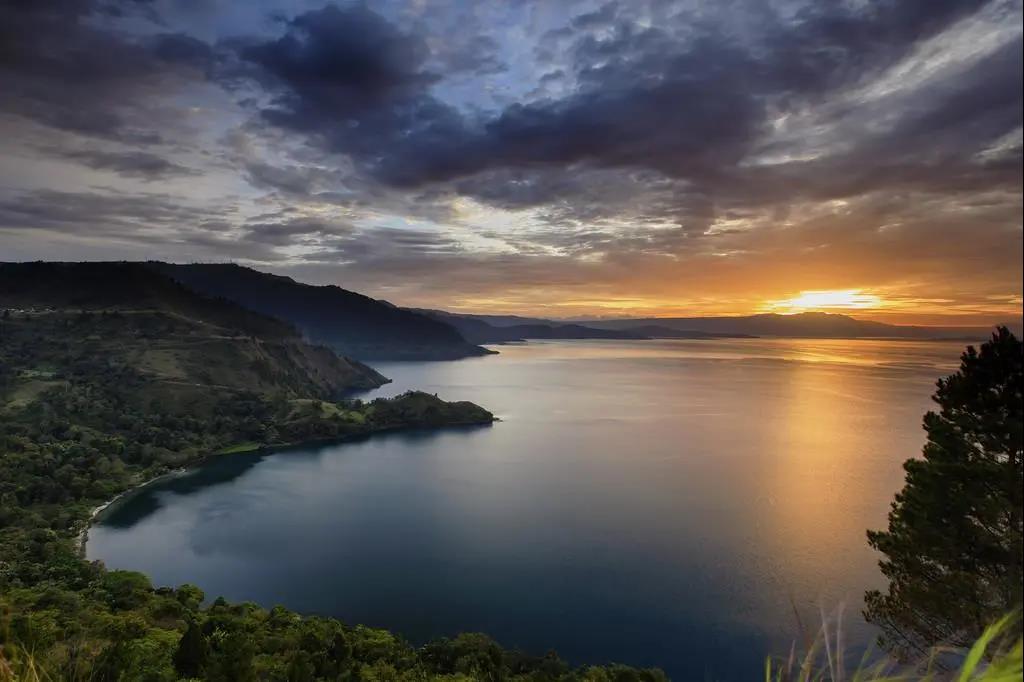
The suitable altitude and tropical rainforest climate keep average temperatures between 25-28°C on the island, with evenly distributed seasons and no dry period — an excellent growing environment for coffee trees. At the same time, the rainy season brought by the tropical rainforest climate may affect the harvest of Sumatra's main October coffee season.
Is Mandheling a Coffee Variety?
Regarding Indonesian coffee, the question FrontStreet Coffee is asked most often is: "Is Mandheling a coffee variety?" No, it is not. Mandheling originally refers to the Mandheling ethnic group in the Tapanuli region of northwestern Sumatra. When a Japanese visitor asked what the coffee here was called, the locals thought they were being asked which ethnic group they belonged to and immediately replied "Mandheling." Ever since, all Arabica coffee produced in Sumatra has been called Mandheling coffee (a transliteration of the ethnic name), and only Arabica beans grown on Sumatra Island can be called Mandheling coffee.
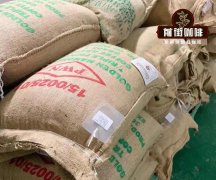
The local who answered "Mandheling" also spotted the business opportunity and founded Indonesia's renowned green coffee company, Pwani Coffee Company — the company behind FrontStreet Coffee's beloved PWN Golden Mandheling. Nearly all the high-quality Mandheling coffee from the island is acquired by this company. A truly unintentional success: this local never expected that a small misunderstanding would make them a major player in Indonesia's specialty coffee industry.
Lintong Coffee Region
The Lintong coffee region is located in the Lintong mountains of northern Sumatra, near Lake Toba. It sits on plateau mountain terrain at elevations of 1000-1500 meters. Within its territory are numerous volcanoes and volcanic lakes that provide rich volcanic soil. Combined with the local tropical rainforest climate and abundant year-round rainfall, it offers the most suitable geographical and climatic conditions for coffee cultivation.
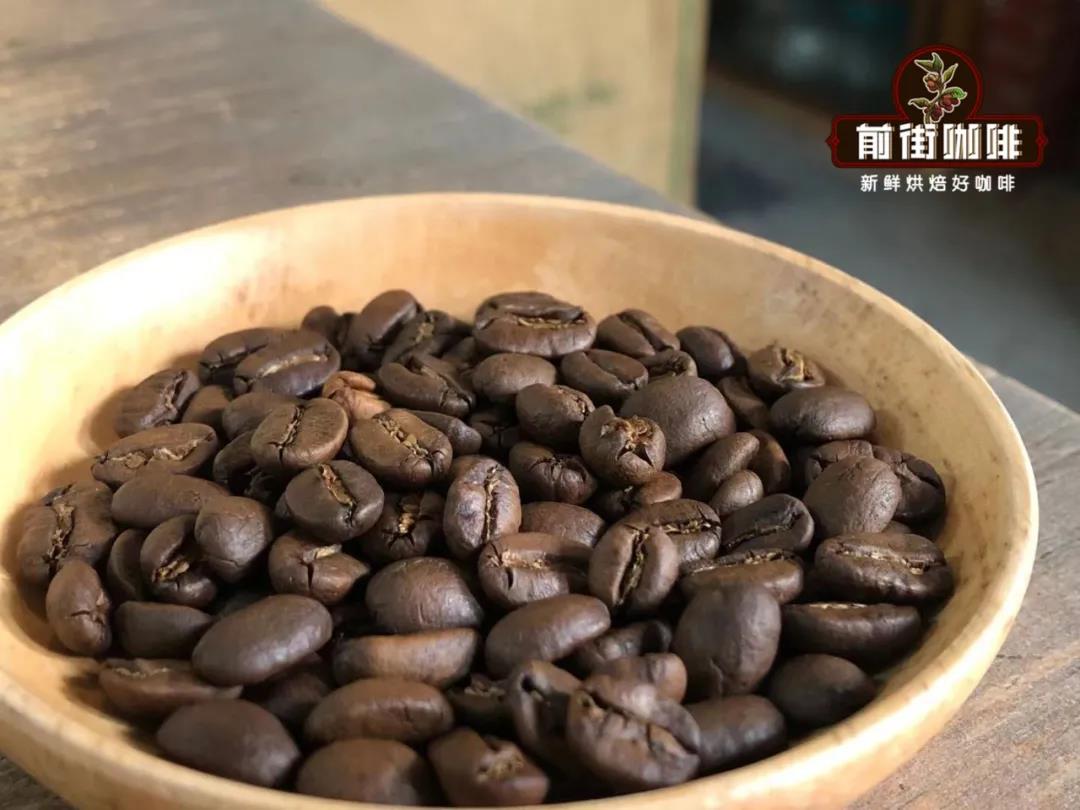
Lintong Mandheling does not focus on screening, so bean sizes vary. Less refined processing can easily lead to inconsistent quality, but this does not affect the flavor expression of Lintong beans. Although coffee from this region overall lacks cleanliness, it expresses the rich body, strong flavors, and unique herbal spice characteristics of Indonesian coffee. FrontStreet Coffee has therefore included the Lintong region in its daily coffee series.
Must-Have for Beginners!
FrontStreet Coffee's Daily Coffee Series represents the signature flavors of the major coffee-growing regions. Each daily coffee region has a highly recognizable basic flavor, making it a freshly roasted Arabica bean with excellent value. When you're unsure about your own taste preferences but afraid of spending too much on something you might not like, FrontStreet Coffee's Daily Coffee Series is undoubtedly the perfect choice.
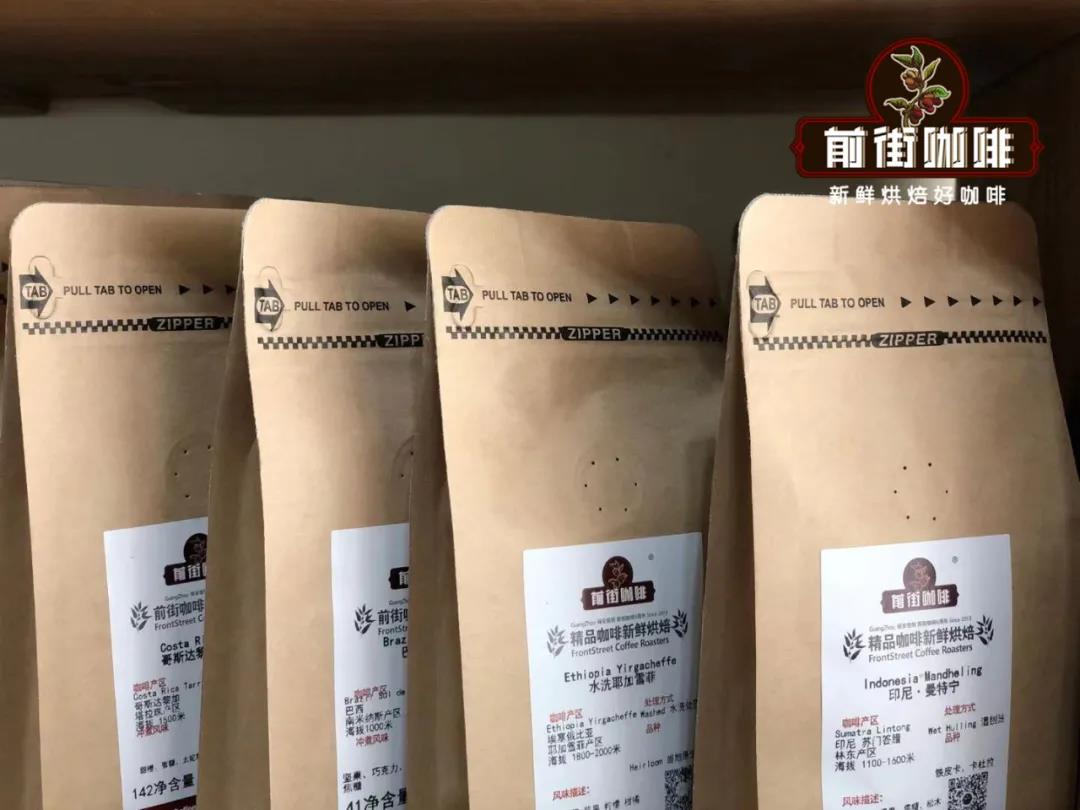
Coffee Bean Processing Method
Wet-hulling (known locally as Giling Basah) is a rapid way to process coffee, and it is one of the reasons Indonesian coffee flavors are rich, strong, and distinctive. Coffee beans generally need an average of 2-3 weeks to dry, but Indonesia's annual humidity ranges between 70-90%, with continuous typhoons and heavy rainfall. In such a humid climate, drying coffee becomes a significant problem.
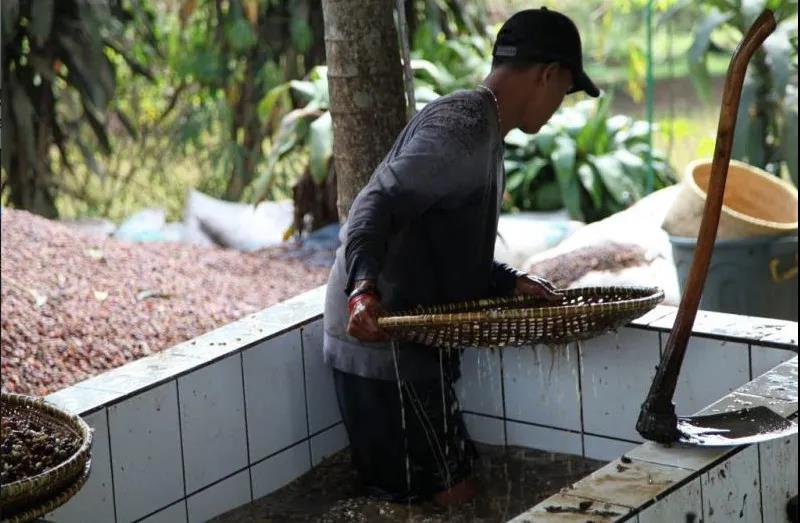
To pursue more efficient economic returns, local coffee farmers developed wet-hulling. It differs significantly from the washed method: after the skin and pulp are removed, the parchment and mucilage are retained for fermentation in water pools, then the mucilage is washed away. The beans are sun-dried in parchment for 2-3 days until they reach 20-24% moisture content, then the parchment is removed for a final drying step down to 13-15% moisture content.
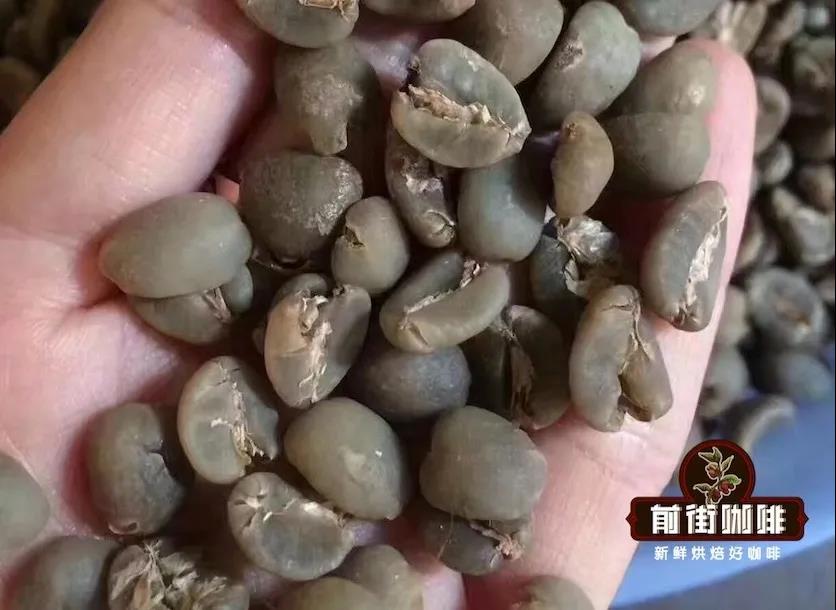
With wet-hulling, because the semi-hard, semi-soft moist green beans are easily damaged when the parchment layer is removed, the beans crack into a shape resembling goat hooves — commonly known as "goat hoof beans." Goat hoof beans can be considered one of the hallmarks of Mandheling coffee.
FrontStreet Coffee's Roasting Experience
Preheat the roaster to 200°C, set the damper to 3, adjust heat to 160°C, and keep the damper unchanged. The turning point occurs at 1 minute 45 seconds; maintain the heat. At 140°C, reduce heat to 1 and adjust the damper to 4; at 5 minutes 8 seconds, the bean surface turns yellow, the grassy aroma completely disappears, and the beans enter the dehydration stage.
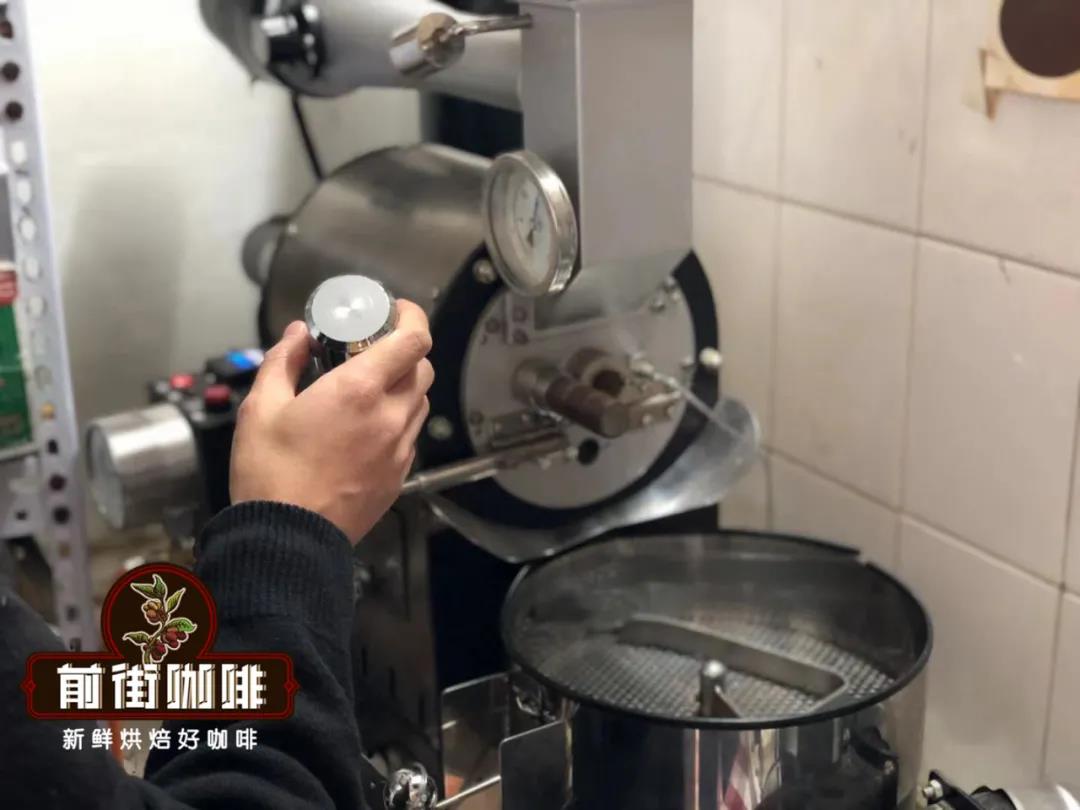
Dehydration completes at 7 minutes 30 seconds; reduce heat to 110°C. Ugly wrinkles and black spots appear on the bean surface and the toast aroma clearly transforms into coffee aroma, which can be defined as the prelude to first crack. At this point, listen carefully for the sound of first crack. First crack begins at 9 minutes 00 seconds; fully open the damper to 5, develop for 4 minutes after first crack, then drop at 202°C.
FrontStreet Coffee's Brewing Experience
FrontStreet Coffee recommends a Kono dripper to enhance body when brewing high-body coffees, but many people say they don't have a Kono at home — only a V60. So how should you brew high-body coffee with a V60? Use 15g of coffee beans, adjusted to a medium-fine grind (78% passing a #20 standard sieve), then water at 88°C, with a coffee-to-water ratio of 1:15. When pouring, try to pour in slow circles — how slow? 3-4ml per second.
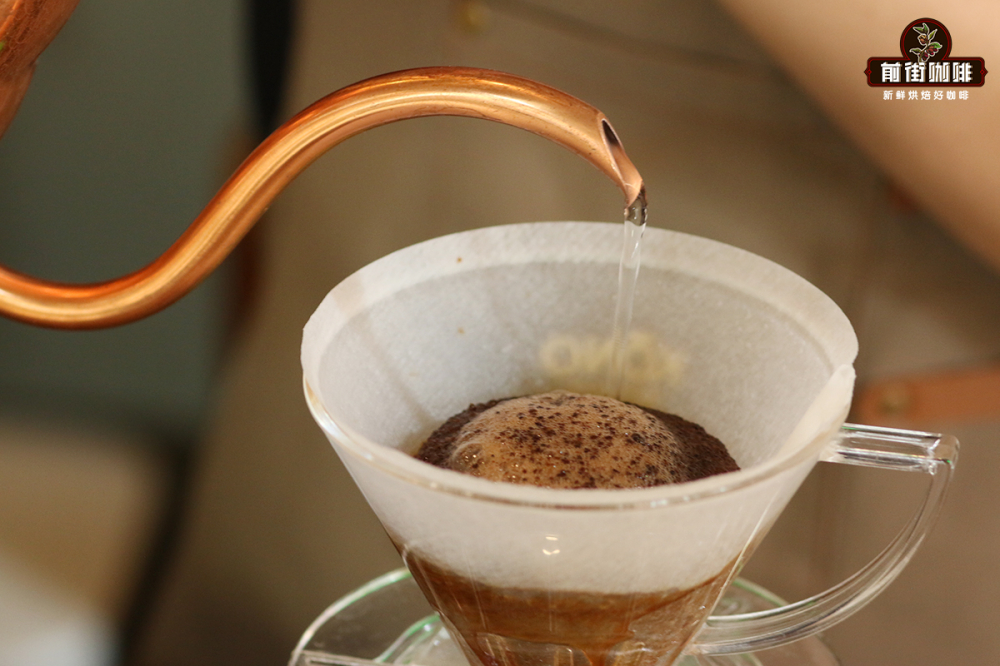
FrontStreet Coffee's segmented extraction method: first, use 30g of water to fully saturate the grounds into a "hamburger" shape and bloom for 30 seconds. For the second pour, at 55 seconds on the timer, pour water to 125g, then stop and wait for the water level to drop to 2/3 of the coffee bed before starting the third pour. For the third pour, at 1 minute 30 seconds on the timer, pour water to 225g. Wait for the coffee to finish dripping, for a total extraction time of 2 minutes 01 seconds. Once extraction is complete, gently swirl the server to mix the coffee before tasting.
Brewing Flavor
The entry is rich with herbal aromatics, the mid-section shows the slight acidity of dark chocolate, and the finish carries caramel-like notes, with a licorice-like aftertaste.
FrontStreet Coffee Recommendation
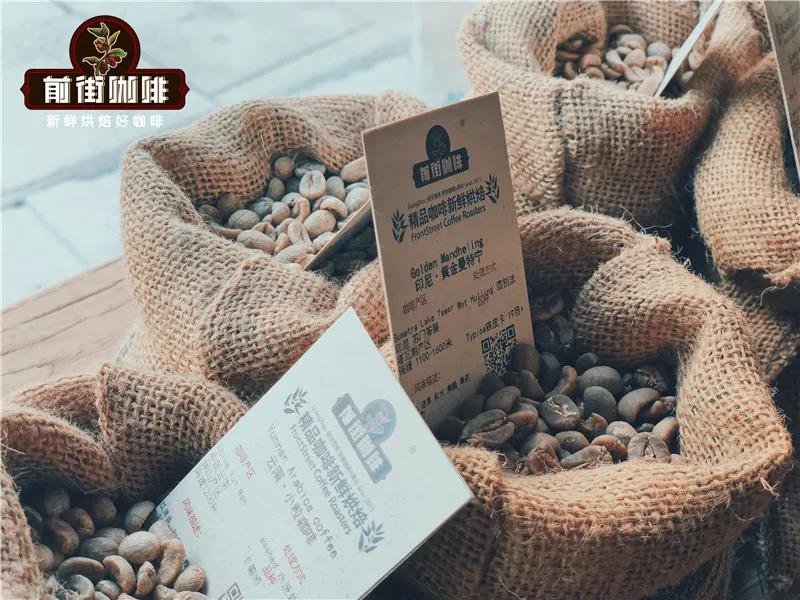
Mandheling is wet-hulled, and that process is exactly what gives it the heavy body and earthy, herbal character that has made it so beloved. FrontStreet Coffee's Lintong Mandheling is the everyday pour-over pick, sourced from Sumatra's Lintong region and medium-dark roasted to soften the acidity and emphasize its rich, deep character: strong and bold on entry, with clove and woody aromatics, low acidity, a spice-and-mint edge, and a persistent, substantial sweetness.
If you want the finest expression of the style, FrontStreet Coffee's PWN Golden Mandheling is the benchmark. PWN buys only high-quality Mandheling green beans and applies a strict standard: beans of 18 screen size or larger, with fewer than 3 defective beans per 300-gram sample to meet the top G1 grade, followed by three rounds of hand sorting and one machine sort to remove every remaining defect — which is why its cup is cleaner and its sweetness stronger. The beans are even, plump, and bright, low in defects, and after medium-dark roasting they carry a rich roasted aroma, with a clean cup, full body, and no trace of the acidity that turns some drinkers away. FrontStreet suggests brewing it with 87-88°C water, 15g of coffee, a 1:15 ratio, a coarse-sugar grind, and a three-pour method — 30ml to bloom, then 100ml to raise the bed and draw out the golden foam, then a gentle 95ml center pour — to build its thick body, caramel sweetness, and chocolate and nut flavors.
Important Notice :
FrontStreet Coffee is a long-established specialty coffee roaster in Guangzhou China, selling freshly roasted beans from its own farm in Yunnan as well as dozens of carefully selected single-origin beans from around the world for both pour-over and espresso. The products deliver consistently excellent quality and great value, with shipping within 24 hours. Guangzhou's FrontStreet Coffee shop is recommended by many coffee lovers, and the beans are now available online at the Tmall 。
FrontStreet Coffee has moved to a new address:
FrontStreet Coffee Address: 315,Donghua East Road,GuangZhou
Tel:020 38364473
 Scan and follow the En Gafei WeChat official account. Please indicate that the reprint comes from "En Gafei".