High Sweetness Coffee Bean Recommendation Costa Rica Las La Hadas Estate Black Soul Coffee Bean Flavor
Whenever FrontStreet Coffee talks about naturally processed beans, we explain how fully ripe red cherries are dried whole in the sun, so the fruit shrivels into a black dried husk before the beans are finally de-pulped and hulled. That is exactly where "Black Soul" — the name of this coffee — comes from. And when a producer puts "soul" in the name, you can bet it's the pride of the estate.
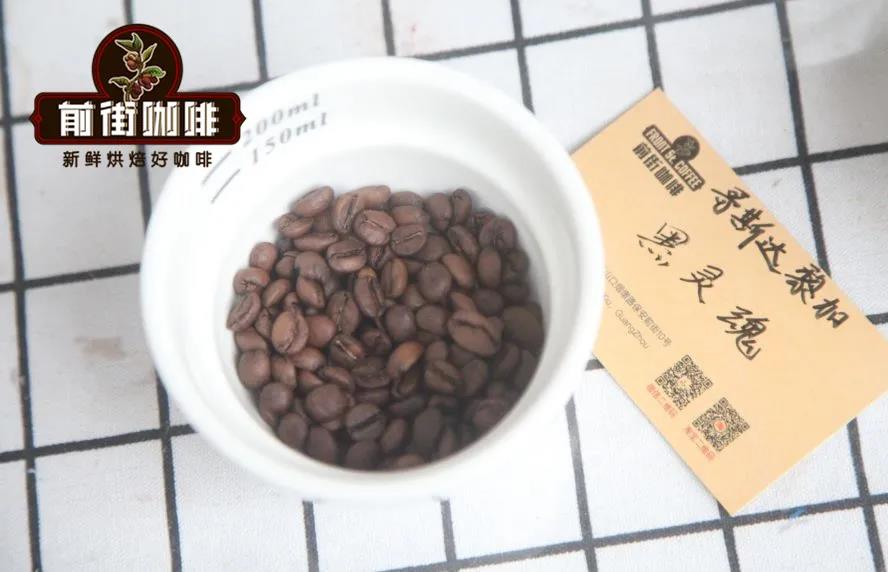
FrontStreet Coffee - Costa Rica Black Soul Coffee Beans
Region: Costa Rica Central Valley
Altitude: 1300-1500M
Processing Method: Natural Process
Varieties: Caturra, Catuai
Grade: SHB
Central Valley
The Central Valley growing region sits between 1,200 and 1,600 meters, with a harvest season from November to March. It comprises three sub-regions: San José, Heredia, and Alajuela. The Central Valley was also the first part of Costa Rica where coffee was cultivated, and its soils are rich in volcanic material. In cupping, FrontStreet Coffee has found these beans show bright, smooth fruit acidity with rich aromatics and, at times, chocolate notes.
Finca Las Lajas
Finca Las Lajas sits in the Central Valley, not far from the capital and quite close to Poás Volcano. The farm's altitude ranges from 1,250 to 1,500 meters, and annual production comes to roughly 55,200 kilograms.
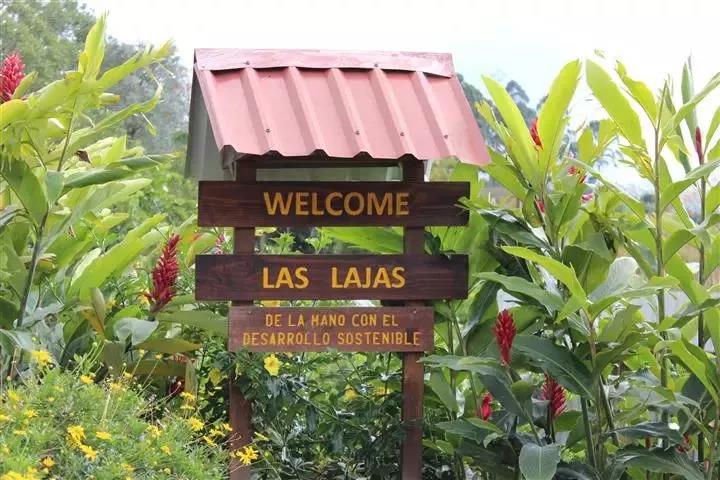
Years ago, most Costa Rican coffee was washed. The estate's owner, Francisca, wanted to push the flavor expression of her coffee further, so she began researching and upgrading equipment across the farm to suit natural and honey processing. Finca Las Lajas was among the first estates to study and implement these methods systematically.
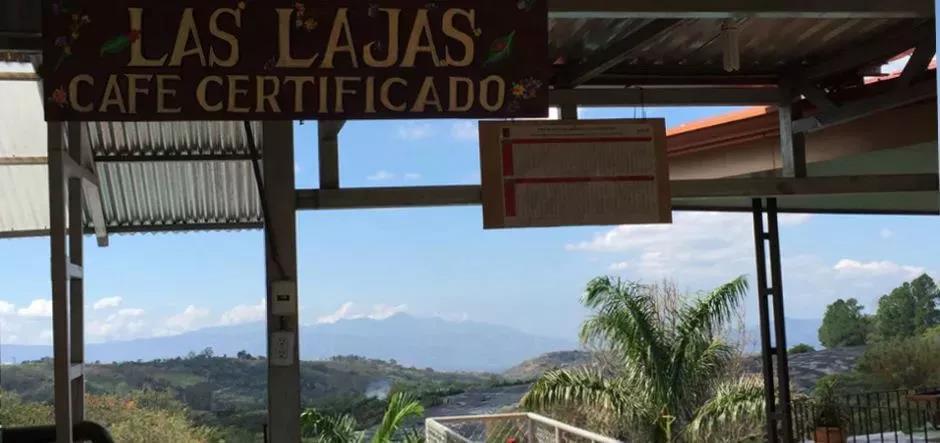
After harvest, the owner screens the ripe red cherries with a BRIX meter to keep only fruit that meets her standard, and the estate built its own washing station for processing. The cherries are then dried on African raised beds. This careful selection of mature red cherries guarantees the sweetness of every batch, and with natural processing, the rich sugars of the mucilage and pulp migrate into the beans. In FrontStreet Coffee's experience, this disciplined approach yields noticeably more sweetness than beans picked only by casual hand-sorting.
Natural Processing
The Black Soul lot FrontStreet Coffee carries uses the red-cherry natural method described above. Harvested cherries are screened with a BRIX meter, turned regularly through the day's sun, and covered with plastic tarps overnight until they reach 11.5% moisture. The whole process takes about three weeks.
Coffee Varieties
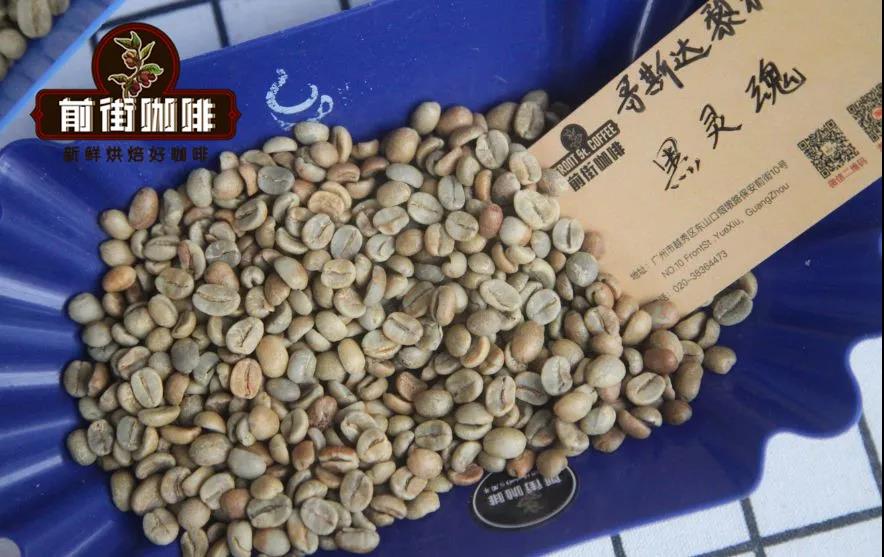
Caturra has a slightly more curved tip than Bourbon, with a round, slender form. Catuai, a cross of Caturra and Mundo Novo, combines Caturra's slender roundness with Mundo Novo's flatter shape — round and flat, but with a longer tip. When this Black Soul lot arrived, FrontStreet Coffee noted the raw beans' typical yellow-green color after natural processing, along with a faint hawthorn-like tart aroma that whets the appetite.
FrontStreet Coffee Roasting Record
FrontStreet Coffee's roaster used a Yangjia 800N semi-direct-flame roaster with a 300g batch. The drum was preheated to 170°C before charging, with the airflow damper at 3; after 30 seconds the heat was raised to 140. The probe temperature bottomed out at 101.6°C at 1'36". Once the temperature climbed back to 140°C, the heat was held and the damper opened to 4. The beans turned yellow at 5'15", the grassy smell faded, and the batch entered the drying phase's end — heat and airflow unchanged.
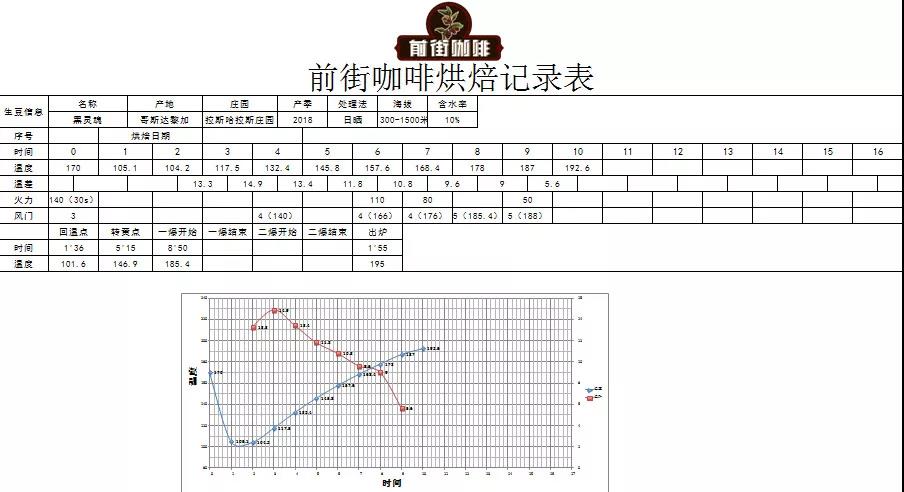
Drying completed at 8'07", with wrinkles and dark spots appearing on the bean surface and the toast smell giving way to true coffee aroma — the prelude to first crack. From here the roaster listened closely. First crack began at 8'50", the damper opened fully to 5 with heat unchanged, and development ran 1'55" before the beans were dropped at 195°C.
FrontStreet Coffee Cupping Report
Dry Aroma: Floral
Wet Aroma: Fermented fruit
Flavor: Citrus, plum, cream, almond, fruit tea, juicy sensation

FrontStreet Coffee Brewing Experience
Dripper: Hario 01
Dose: 15g
Ratio: 1:15
Water Temperature: 90°C
Grind Size: Medium-fine (77% pass-through on the Chinese standard #20 sieve)
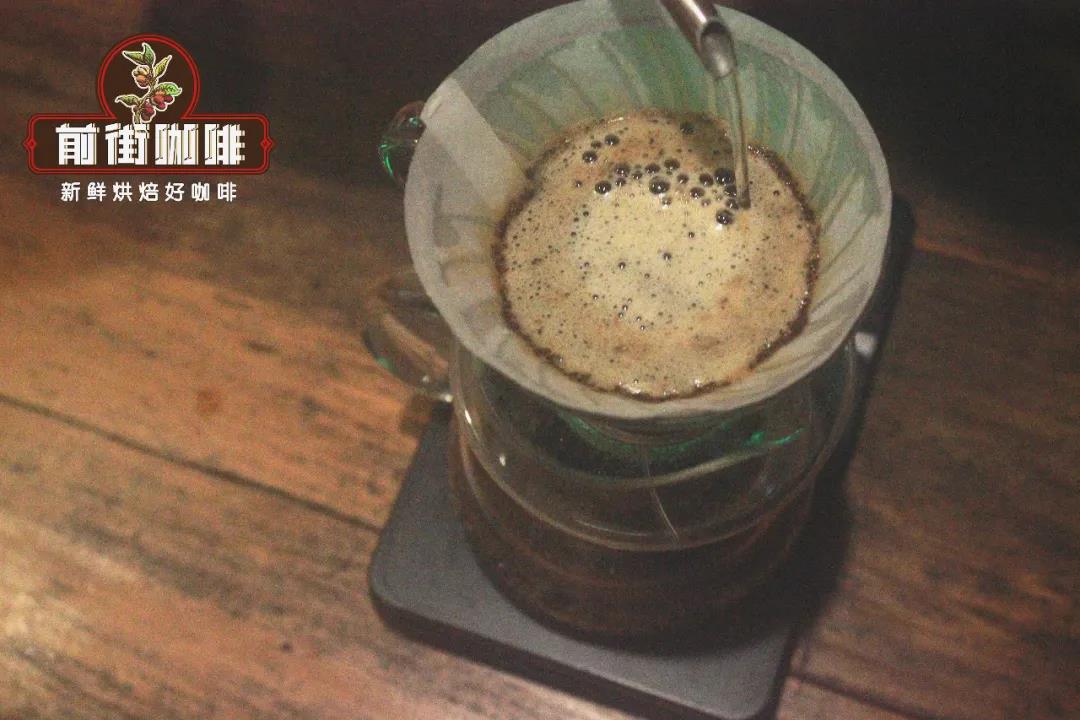
FrontStreet Coffee's segmented pour: start the timer and pour 30g of water to fully saturate the bed, letting it bloom into a "hamburger" shape for 30 seconds (if no dome forms, the beans may have lost freshness or the grind is too coarse). For the second stage, at 55 seconds pour steadily to 125g, then wait for the water level to fall to two-thirds of the bed before the third pour — this stage draws out the sweet-and-sour compounds. The third pour, at 1'45", brings the slurry to 225g, for a total extraction time of 1'55"; this stage carries the deeper, mellower compounds. Once the drawdown finishes, swirl the cup thoroughly before tasting.
Brewing Flavor
The aroma opens with a faint winey ferment and almond. On the palate come dark plum, citrus, and green apple, with dark chocolate and nut tones rising through the mid-section and a light cane-sugar sweetness in the finish. As the cup cools, tropical-fruit acidity and sweetness take the lead, the mid-section turns creamy and honeyed, and the aftertaste lingers like fruit tea.
FrontStreet Coffee Recommendation
Washed processing is the classic water-based method for handling coffee cherries: flotation, de-pulping, soaking and fermenting to remove the pectin, a final wash or further soak, then drying and hulling. The long water contact triggers chemical changes inside the bean that consume much of its simple sugar while increasing organic acids — which is why washed coffees preserve more of the bean's own character, with bright fruit acidity and a clean, crisp profile. FrontStreet Jamaica Blue Mountain No.1 is a benchmark: the island's short sunshine hours are exactly why washed processing was developed there, and the result is a spotless cup of hazelnut, cream, chocolate, and caramel with perfect balance. FrontStreet Kenya Cherry Tomato takes Kenya's signature double washed fermentation — repeated washes and soaks — to its juicy extreme, layering cherry tomato, dark plum, snow pear, black plum, and yellow sugar into a vivid, mouthwatering cup.
If you'd like to compare washed and natural side by side, FrontStreet Yirgacheffe Guodingding from the Idido cooperative shows the washed style at its most elegant — jasmine florals and bright citrus acidity with green tea and honey notes after a medium-light roast — making it an ideal companion to the fruit-forward sweetness of Black Soul.
Important Notice :
FrontStreet Coffee is a long-established specialty coffee roaster in Guangzhou China, selling freshly roasted beans from its own farm in Yunnan as well as dozens of carefully selected single-origin beans from around the world for both pour-over and espresso. The products deliver consistently excellent quality and great value, with shipping within 24 hours. Guangzhou's FrontStreet Coffee shop is recommended by many coffee lovers, and the beans are now available online at the Tmall 。
FrontStreet Coffee has moved to a new address:
FrontStreet Coffee Address: 315,Donghua East Road,GuangZhou
Tel:020 38364473
 Scan and follow the En Gafei WeChat official account. Please indicate that the reprint comes from "En Gafei".