Honey Processed Geisha Coffee Beans - Panama Boquete Region Honey Processed Geisha Pour-Over Brewing Ratios
Professional Coffee Knowledge Exchange
For more coffee bean information, follow Coffee Workshop (WeChat official account: cafe_style)
Most people assume Panama Geisha comes only two ways — natural or washed — either to push the berry-forward fruitiness or to spotlight the florals. FrontStreet Coffee's Esmeralda Red Label Geisha, for instance, is a natural: bursting with juice and rose aromatics. The Esmeralda Green Label, by contrast, is washed, highlighting fresh floral notes and the bright, citrus-like acidity Geisha is known for. This article introduces a third path — honey processing, a method that is quite literally "sweet as honey."
The Boquete Growing Region
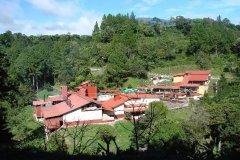
FrontStreet Coffee recently brought in a batch of honey-processed beans from Panama's Boquete region. Boquete is high-altitude volcanic country: the soil around Baru Volcano is extraordinarily fertile, and the towering terrain, cool humid air, shifting sunlight, generous rainfall, and converging rivers add up to near-perfect conditions for top-quality Panamanian specialty coffee.
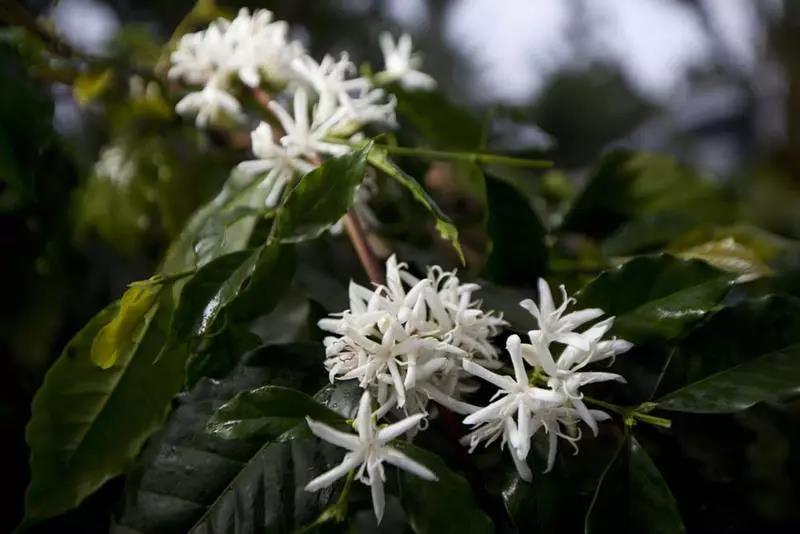
Boquete is home to many outstanding estates. Beyond the famous Esmeralda, names like Elida Estate and Kotowa Duncan Estate consistently produce excellent specialty coffee — a credit to the volcanic ash soil of Baru and the cool, foggy mountain geography that creates one microclimate after another. When FrontStreet Coffee cupped beans from this region, the flavors ran from cocoa through fruit, with a delicate acidity underneath.
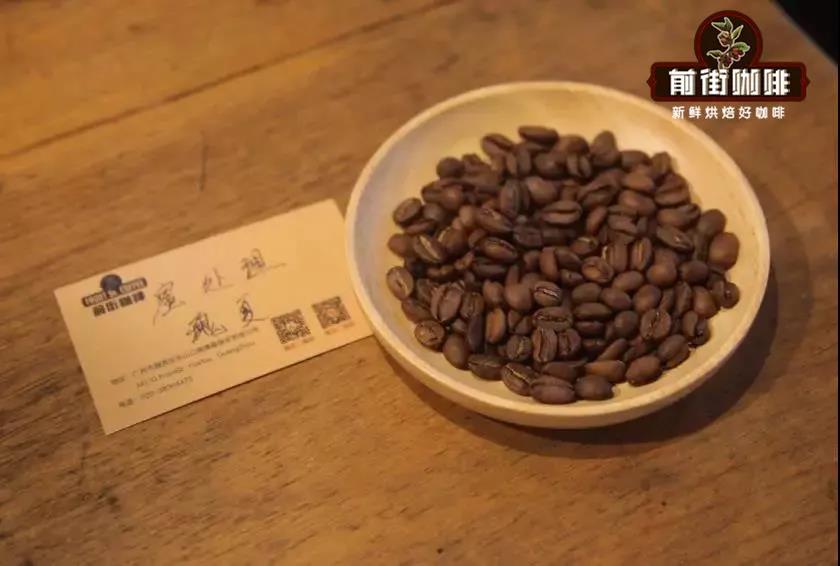
FrontStreet Coffee — Panama Honey-Processed Geisha
Origin: Panama, Boquete
Processing Method: Honey
Altitude: 1600-1650 meters
Variety: Geisha
The Coffee Honey Process
Honey processing emerged in Costa Rica in the 21st century, when micro-mills began springing up across the country. Farmers invested in their own post-harvest equipment and started handling most of their coffee themselves — which gave them far more control over style and character. Since washed and semi-washed methods dominated Costa Rica at the time, farmers developed the "sweet as honey" process precisely to make their micro-mill coffees stand out.
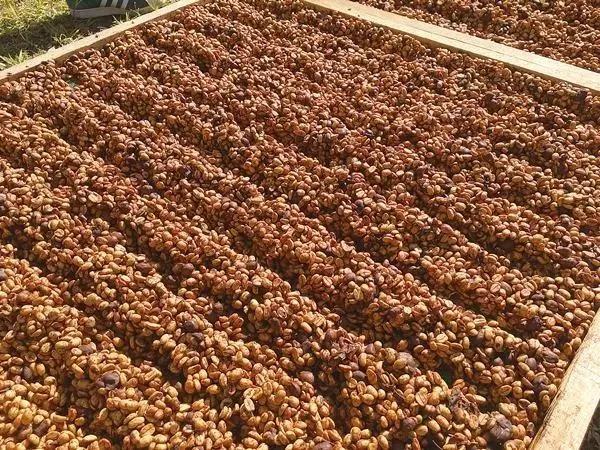
The trick is what stays on the bean: after the outer pulp is removed, a sticky layer of mucilage is left in place, and the beans dry with it still attached. As they dry, the sugars in that mucilage migrate into the bean, boosting sweetness. Cupping this honey-processed Geisha, FrontStreet Coffee found it keeps the fresh floral character of Geisha green beans while adding an apple-like sweetness on top.
Geisha Coffee Beans
Geisha was discovered in the forests of Ethiopia in 1931, traveled through Kenya, Uganda, and Tanzania, and reached Panama in 1960. Low yields kept it obscure for decades, tucked into a quiet corner of Panama's coffee regions.
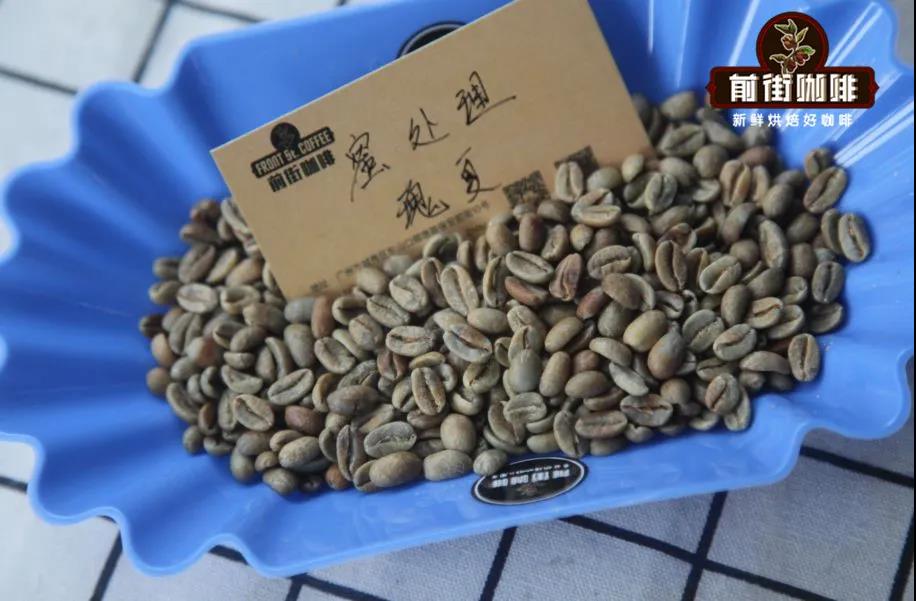
Everything changed in 2004, when the owner of Esmeralda Estate noticed subtle floral aromas hiding among the harvested beans. Following that thread, they found this overlooked little treasure, harvested it separately, and entered it into competition. It became famous overnight and has ridden the front of the specialty coffee wave ever since.
FrontStreet Coffee Roasting Records
When FrontStreet Coffee opened this Panama Boquete honey-processed Geisha, the packaging released delicate florals and fresh apple fragrance. A medium-light roast was the obvious call — enough to showcase those captivating aromatics and the sweetness the honey process brings.
Roasted on a Yangjia 800N semi-direct-fire drum roaster in 300g batches. Preheat the drum to 170°C before charging, then set heat to 120 with the damper at 3. Turning point comes at 1'42"; hold the heat, and at 140°C keep heat unchanged while opening the damper to 4. At 5'25" the beans yellow, the grassy smell fades, and the beans enter the drying stage's end. At 166°C, reduce heat to 100 with the damper still at 4; at 176°C, drop heat to 80, damper unchanged.
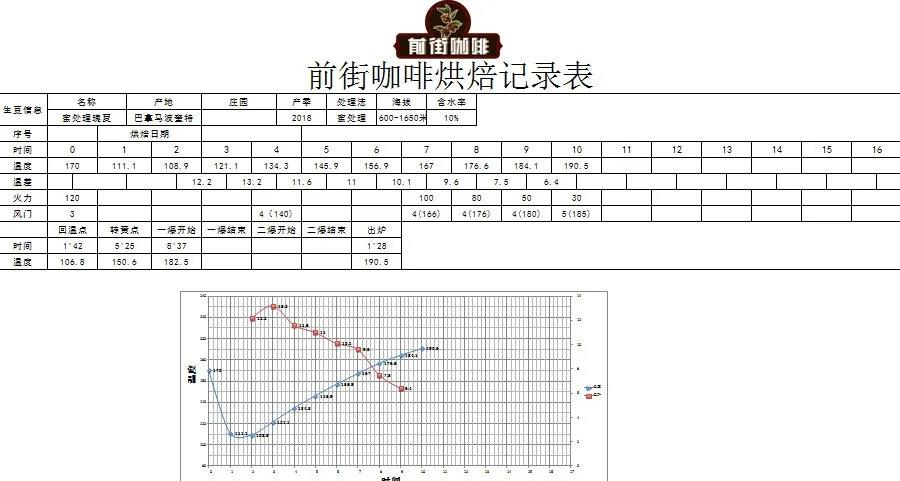
At 8'00" drying completes: wrinkles and dark spots appear on the bean surface and the toast aroma turns to true coffee aroma — first crack is imminent. Listen carefully for it. First crack arrives at 8'37"; open the damper fully to 5 and leave the heat unchanged. Development after first crack runs 1'28", dropping the beans at 190.5°C.
FrontStreet Coffee Cupping Report
FrontStreet Coffee cups samples within 8-24 hours of roasting. Our baristas use 200ml ceramic cups, water at 94°C, and a grind set to 70%-75% pass-through on a #20 standard sieve (0.85mm). The ratio is 11g of coffee to 200ml hot water — 1:18.18 — which lands extraction concentration within the 1.15%-1.35% Golden Cup range. Steep time: 4 minutes.
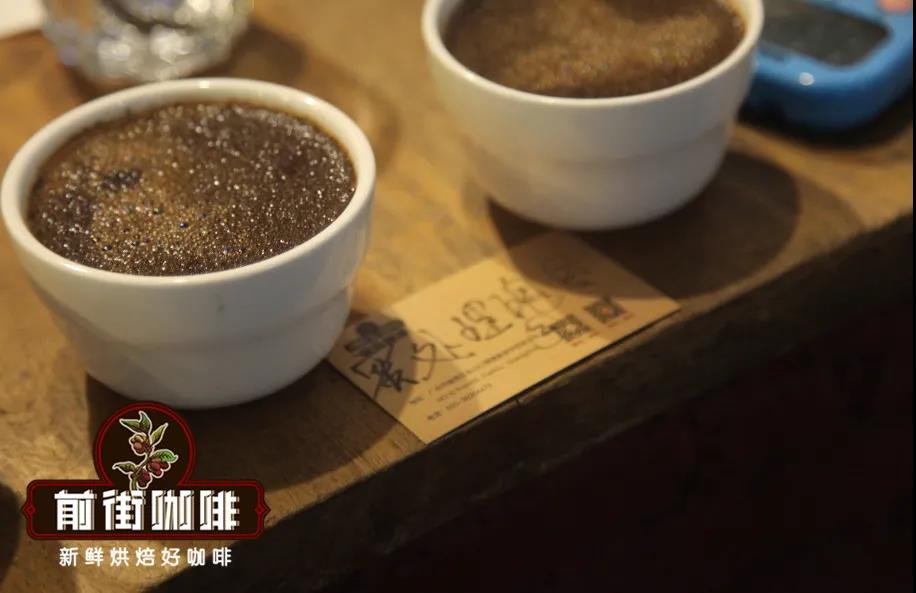
Dry Aroma: Lemon
Wet Aroma: Orange
Flavor: Lemon, plum, sweet orange, apple, cream, jasmine, fermented sweetness, oolong tea
FrontStreet Coffee Brewing Tips
Dripper: V60 #01
Coffee Amount: 15g
Coffee-to-Water Ratio: 1:16
Water Temperature: 90°C
Grind Size: Medium-fine (79% pass-through on a #20 standard sieve)
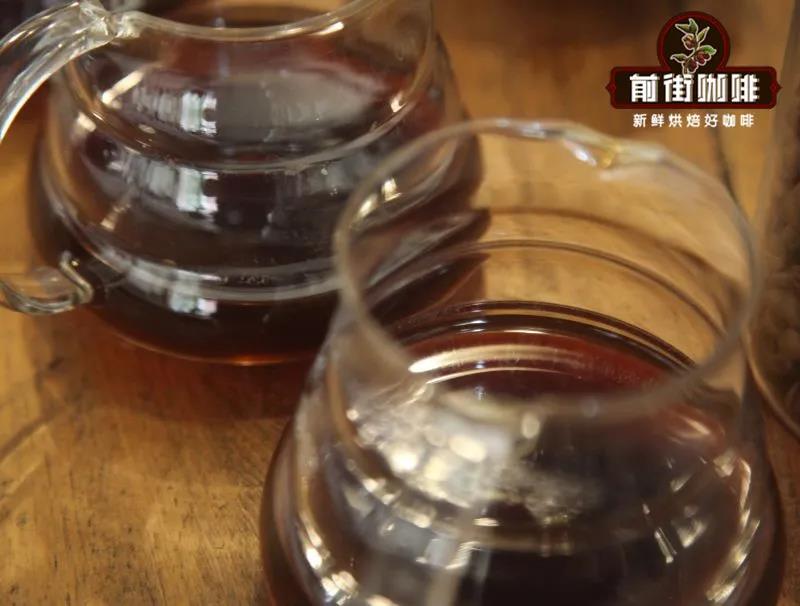
FrontStreet Coffee brews this in three pours. First, 30g of water to bloom for 30 seconds. Second, after blooming, spiral from the center outward with 110g — pour slowly, because Geisha resists over-extraction and needs time to give up its aromatics — then wait for the water level to fall to half. Third, when the coffee bed is about to break the surface, pour the final 100g for 240g total. Once dripping finishes, remove the dripper. Total brew time: 2 minutes 00 seconds.
[FrontStreet Coffee Panama Boquete Honey-Processed Geisha] In the cup: fermentation and floral aromas up front, citrus and lemon acidity on first sip, creamy sweetness through the mid-palate, and a finish of apple, green tea, sucrose, and honey.
For more specialty coffee beans, add FrontStreet Coffee on WeChat: kaixinguoguo0925
FrontStreet Coffee Recommendation
If honey-processed Geisha is your entry point, it's worth knowing the wider Geisha family before spending big. The Panamanian classics: FrontStreet Coffee's Esmeralda Red Label Geisha (Esmeralda Special), grown at 1,600-1,800 meters, cupping above 90 points, with every batch traceable to a single plot — the Mario lot, for example — so you can pick by subtle flavor differences; and the Green Label (Private Collection), a blend of multiple high-altitude lots expressing Esmeralda's signature Geisha character at a noticeably kinder price. If you simply want a first taste of the legend, the entry-level FrontStreet Coffee Boquete Geisha delivers classic orange-blossom sweetness, oolong-tea texture, and delicate fruit acidity for an accessible budget.
Geisha also comes home to Ethiopia. FrontStreet Coffee's Granada Estate Gesha, grown near the border of Kochere and Gelana/Abaya in Yirgacheffe at the Granada processing station (founded 2014 under Israel Degefa, surrounded by 700 hectares of mostly uncultivated, shade-dotted, fertile land), shows how variable the variety can be at its origin: hand-picked ripe cherries raised on African beds for 14-20 days of sun-drying, then roasted medium-light to reveal bright citrus acidity, elegant ginger-flower aroma, the full sweetness of mature fruit, and that signature refined Geisha finish. For estate-level Ethiopian Geisha, step up to Geisha Village's Gold Label (Geisha 1931, 10% of production, often chosen by competition baristas) or Red Label (Gori Gesha, 15% of production, SCA 88+, fully traceable single-terroir lots).
On the brew bench, Geisha is a medium-light, floral-fruity bean with a hard, dense structure that tends to sink and clog the dripper — so grind coarser, around 78% pass-through on a #20 sieve (fine-granulated-sugar size), and use 91°C water. FrontStreet Coffee's house method: 15g of coffee on a small Hario V60 at 1:16, three pours — 30g to bloom for 30 seconds, a small-diameter spiral to 125g, pause until the bed drains halfway, then continue to 225g, finishing around 2:10-2:20. Geisha also makes a striking SOE: try the medium-roast Granada Estate Gesha SOE at 20g in, a 1:2 ratio, 25 seconds, roughly 40g out — apricot, caramel, and nuts as straight espresso; orange, nuts, and blueberry as an Americano (1:5 with 200g hot water); or a silky cream-cookie latte with 200g milk.
Important Notice :
FrontStreet Coffee is a long-established specialty coffee roaster in Guangzhou China, selling freshly roasted beans from its own farm in Yunnan as well as dozens of carefully selected single-origin beans from around the world for both pour-over and espresso. The products deliver consistently excellent quality and great value, with shipping within 24 hours. Guangzhou's FrontStreet Coffee shop is recommended by many coffee lovers, and the beans are now available online at the Tmall 。
FrontStreet Coffee has moved to a new address:
FrontStreet Coffee Address: 315,Donghua East Road,GuangZhou
Tel:020 38364473
 Scan and follow the En Gafei WeChat official account. Please indicate that the reprint comes from "En Gafei".