Recommended Panama Geisha Coffee Beans: Brewing Flavor Characteristics of Casa Luis Estate Geisha
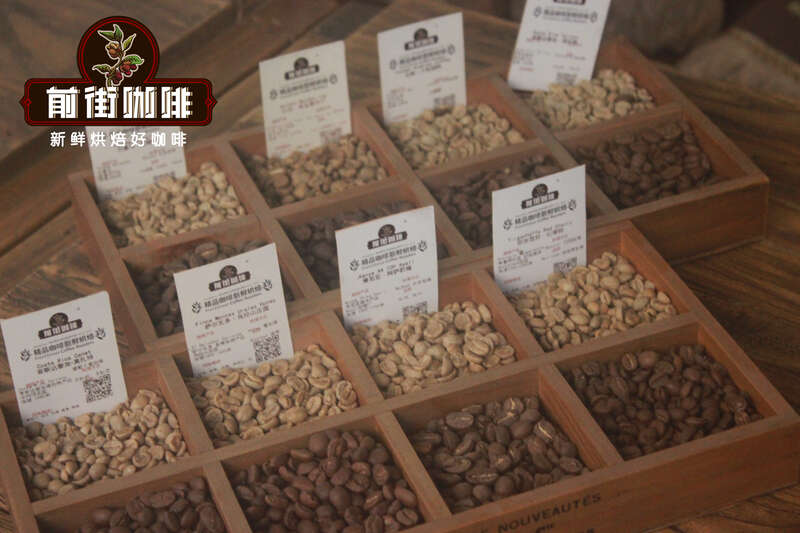
Boquete, in Panama, is home to many famous estates — Hacienda La Esmeralda, celebrated for its Geisha, and the Lamastus family's Elida among them. The quality and finesse of beans from these large estates draw enthusiasts from all over the world. But beyond the famous names there are smaller properties worth tasting, so FrontStreet Coffee acquired natural-processed Geisha from the Casa Luisa Estate to see how it performs.
Casa Luisa Estate
This natural Geisha from FrontStreet Coffee comes from the Casa Luisa Estate (Casa Ruiz, S.A.) in Panama. The estate was established in 1920 in the Boquete region, on Baru Volcano. Average annual rainfall is 3,000 millimeters (falling between May and November), average annual temperature is 14-24°C, and the altitude sits above 1,400 meters.
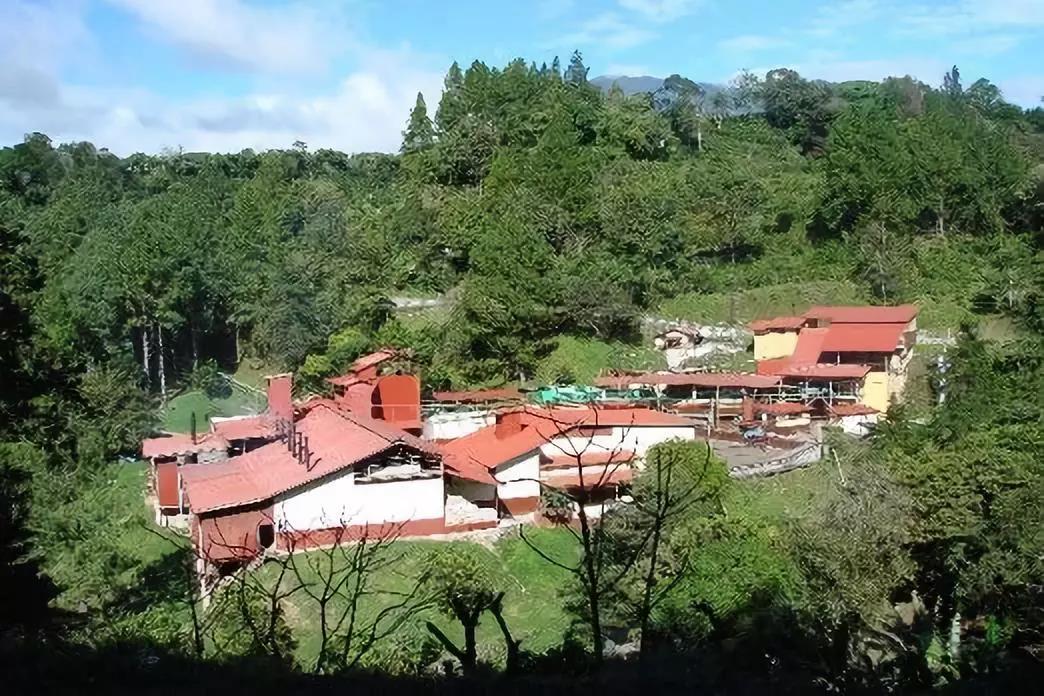
Mr. Plinio Antonio Ruiz González and his wife, Mrs. Elisa Aurora Araúz de Ruiz, are the second-generation owners. They handle the trade of their own green coffee. After years of work they now run three estates — La Berlina, Maunier and Panamaría — plus a café, CAFÉ RUIZ. The family follows Boquete's local traditions and grows coffee in an environmentally friendly way, but to raise green-bean quality they have tightened standards at every step compared with the past: cultivation, processing, selection and storage.
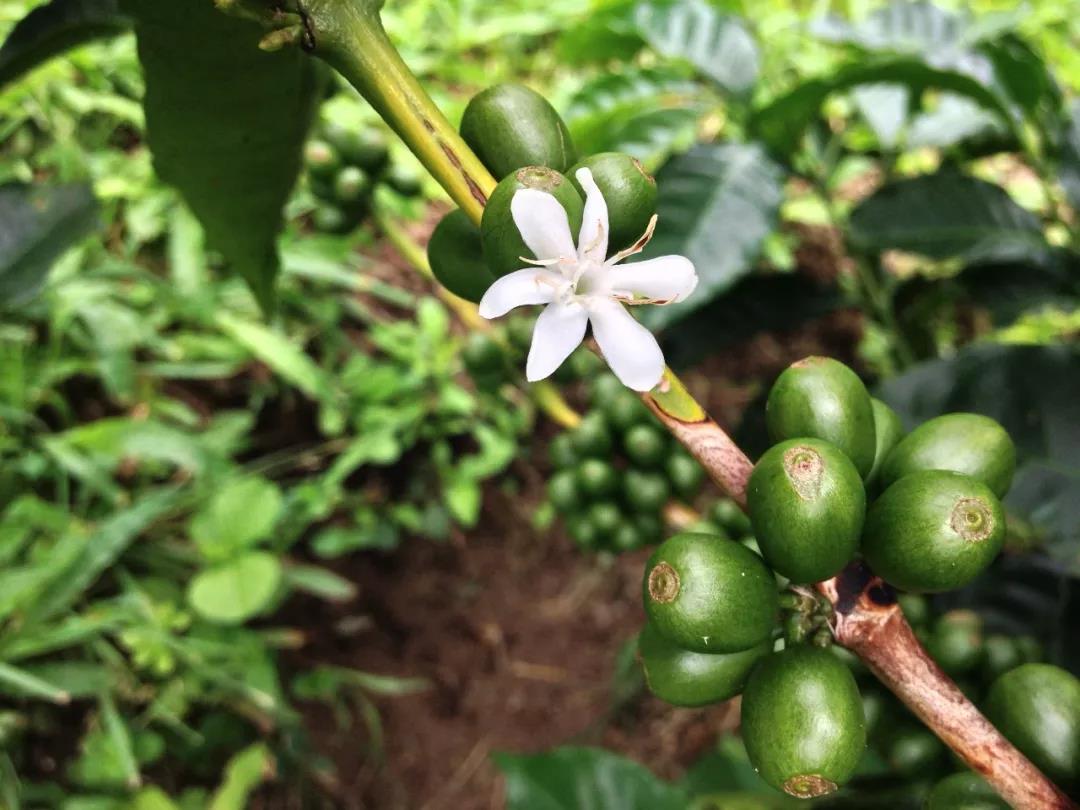
Casa Luisa is also a frequent winner at the Best of Panama (BOP) competition. High-quality technique and strict control of every detail — screening, recording and reviewing layer by layer — give their beans excellence in appearance, consistency, freshness, dry aroma and flavor, with aroma performance that stands out in particular. At the 2004 international auction the price per pound of green beans reached $20. In May 2004 the estate debuted at the Panama Cupping Competition and began its run of dominance. In 2013 it set a historical record of $350 per pound of green beans.
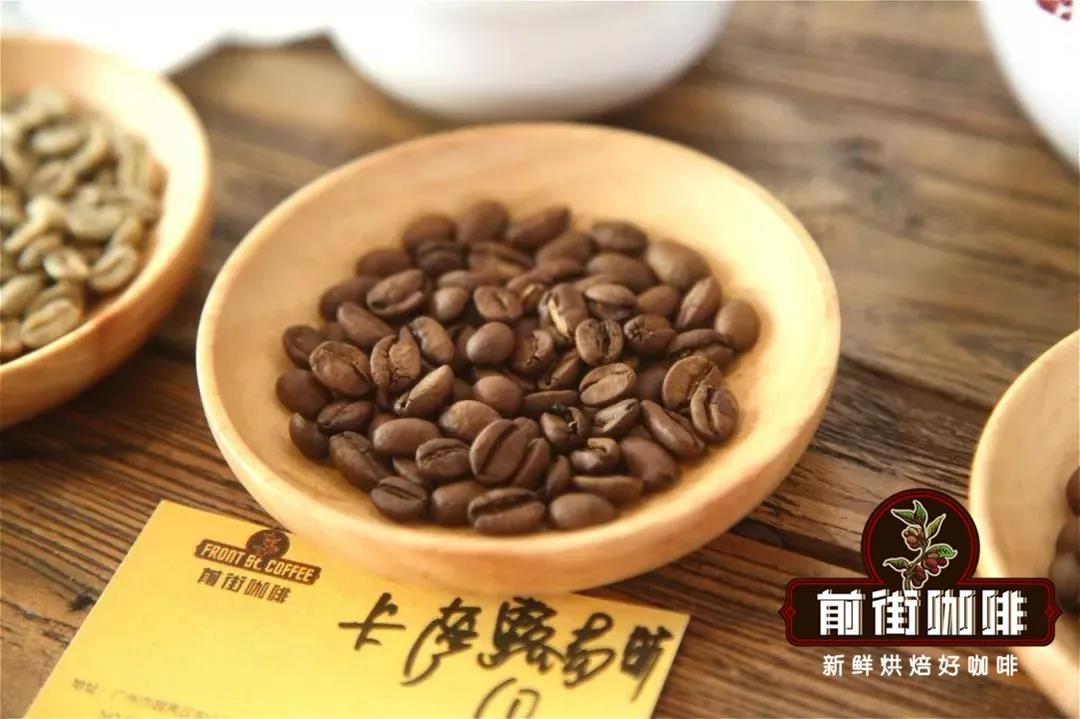
FrontStreet Coffee - Casa Luisa Estate Natural Processed Geisha Coffee Beans
Region: Panama, Boquete
Estate: Casa Luisa Estate
Processing method: Natural process
Altitude: 1600-1650 meters
Variety: Geisha
A Refined Natural Process
This batch of Geisha uses a refined natural process. Floating debris and impurities are first removed, then the berries are spread on specially designed raised drying beds, where more air circulates around them for more even drying.
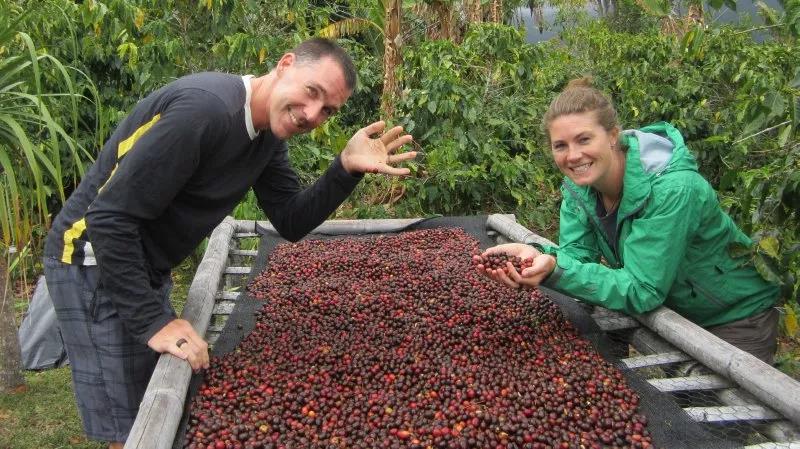
Throughout the process the beans are turned and screened every hour so that insect-damaged and green-colored beans can be picked out. Total drying time is 18-30 days. FrontStreet Coffee finds that naturally processed coffee has pronounced sweetness, soft acidity and complex fruit-like flavor notes.
FrontStreet Coffee Roasting Records
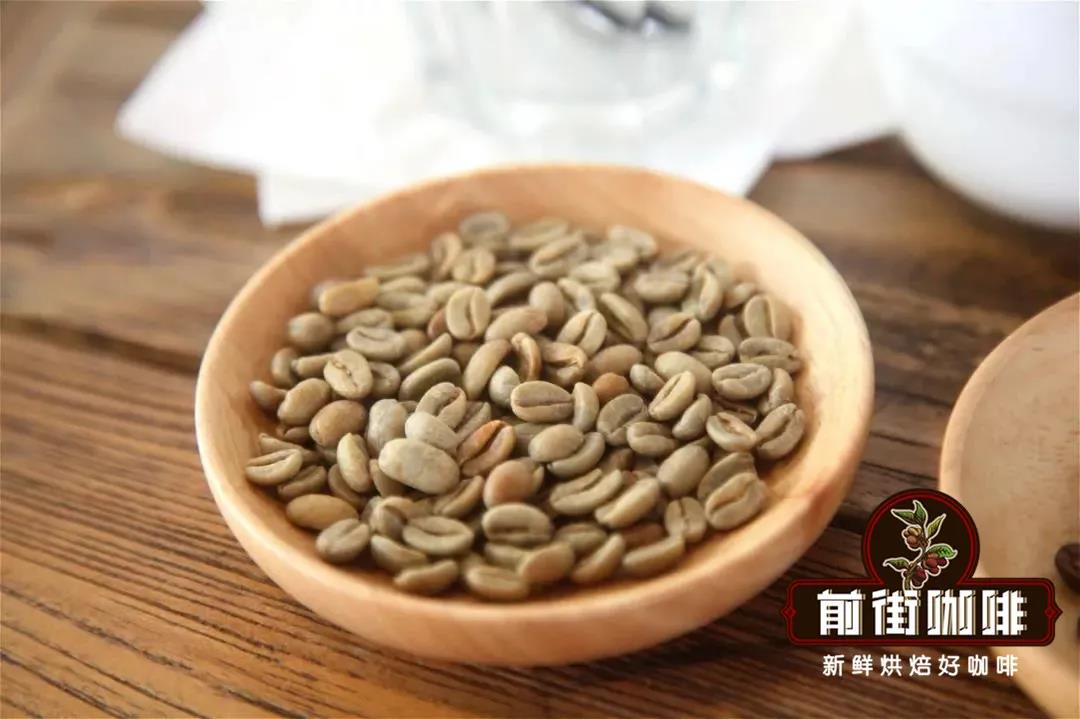
When this batch arrived, FrontStreet Coffee noted a slight silver skin on the surface, a yellow-green color, pointed ends and a long bean shape. Given the variety, the roaster chose a medium-light roast, because Geisha carries particularly clear floral and citrus flavors.
A Yangjia 800N semi-direct-flame roaster is used at a 300g batch size. The roaster is preheated to 170°C before loading, then the heat is set to 120 and the damper opened to 3; the beans return to temperature at 1'42" and the heat is held. At 133°C the heat is unchanged and the damper opens to 4. At 5'25" the beans turn yellow and the grassy smell disappears, marking entry into the dehydration phase. At 166°C the heat drops to 100 with the damper still at 4. At 173°C the heat is adjusted to 60, damper unchanged.
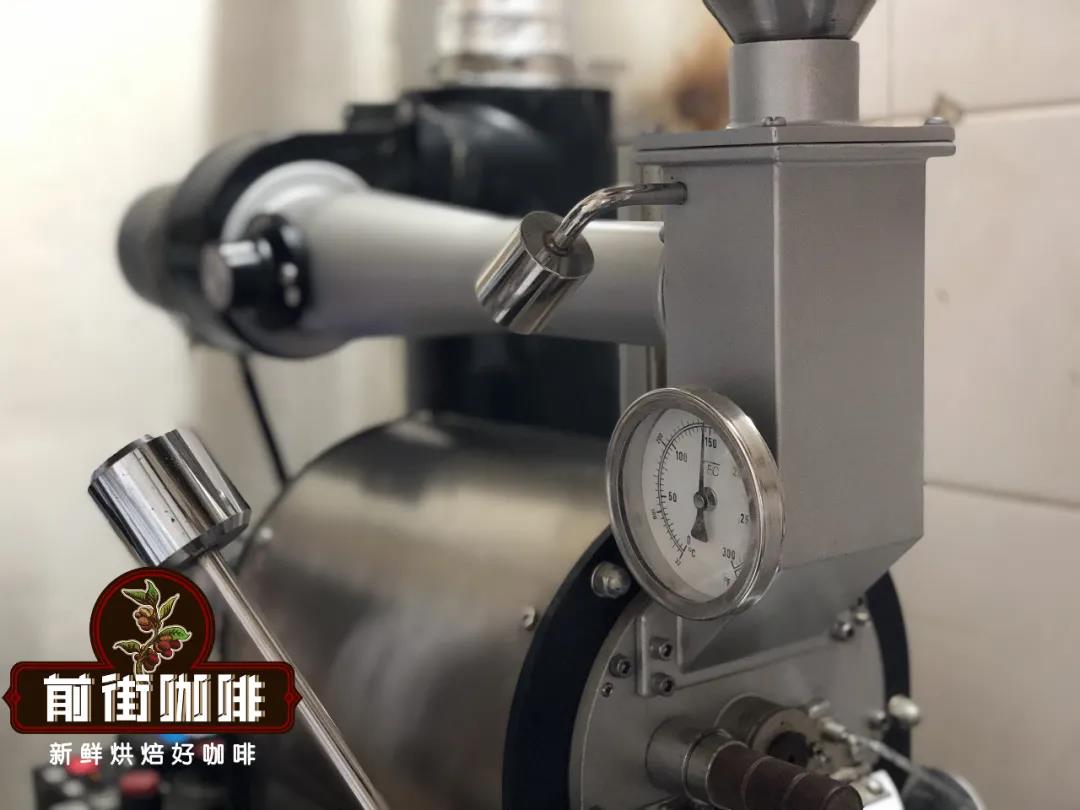
At 8'00" dehydration is complete: wrinkles and dark patterns appear on the surface, and the toasted smell turns to coffee aroma — the prelude to first crack. From here, listen carefully for first crack. It starts at 8'52"; the damper opens fully to 5 and the heat is unchanged. Development after first crack runs 1'45", and the coffee is dropped at 193.2°C.
FrontStreet Coffee Cupping Report
Cupping takes place 8-24 hours after the sample is roasted. FrontStreet Coffee's barista generally uses 200ml ceramic bowls at a cupping temperature of 94°C. The grind is controlled to a 70%-75% pass-through rate on a #20 standard sieve (0.85mm). The ratio is 11g of grounds to 200ml of hot water, or 1:18.18, which extracts a concentration right within the Golden Cup range of 1.15%-1.35%, with a 4-minute immersion.
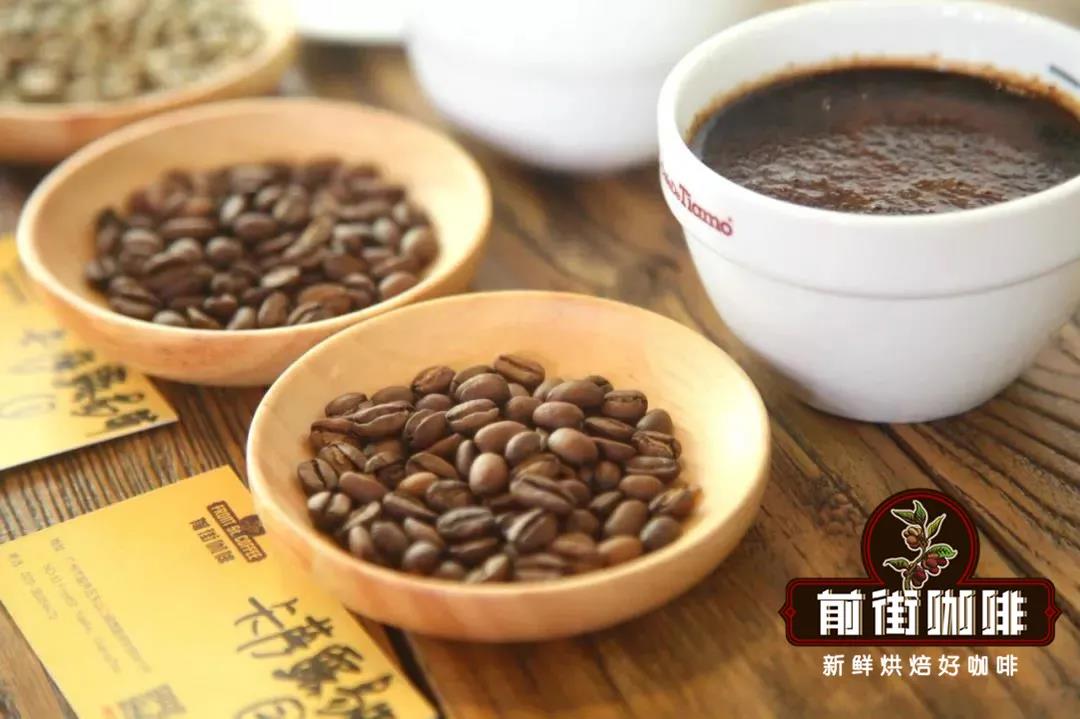
Dry aroma: Berries
Wet aroma: Floral
Flavor: Berry sweet-sour, tea florals, cane sugar, a juice-like sensation, orange citrus aroma, black tea
FrontStreet Coffee Brewing Tips
Water temperature: 90-91°C
Grind size: BG#6m (fine sugar size / 80% passes through a #20 sieve)
Coffee-to-water ratio: 1:15
Coffee amount: 15g
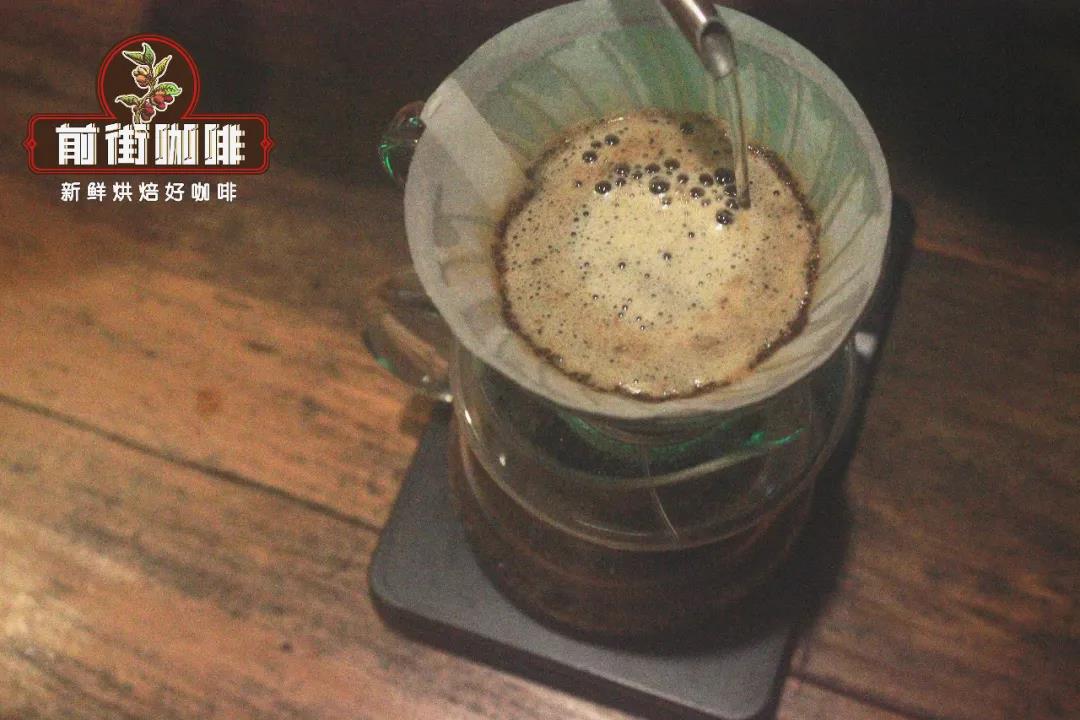
FrontStreet Coffee uses segmented extraction — that is, three-stage pouring. First, 30g of water for a 30-second bloom. Second, a thin stream in concentric circles to 125g, then stop and wait for the level to drop before pouring again slowly at an even rate; keep the level from rising too high, pour to 225g and stop. Total extraction time is 2 minutes, including the bloom.
Brewing flavor: The feel of berry juice, tea-flower aroma, sweet cane sugar, orange citrus aroma, and a black tea aftertaste
FrontStreet Coffee Recommendation
If this natural Geisha leaves you wanting more of the variety, FrontStreet Coffee suggests exploring both sides of its heritage. For the Panamanian expression, the Esmeralda Red Label Geisha — grown at 1600-1800 meters and cupped above 90 points per lot — delivers the jasmine, citrus and bergamot character that defines the modern standard, while the Green Label blend, drawn from several plots, offers the same signature high-altitude Geisha profile at a friendlier price.
For a different reading of the same grape, look to Ethiopia, where the variety originated. The Gesha Village estate grades its coffee into Gold Label (the Geisha 1931 selection, about 10% of production) and Red Label (the Gori Gesha selection, about 15%, scoring 88 points or above on the SCA 100-point scale, with full traceability for each lot). Both bring a brighter, more vivid fruit acidity than the Panamanian examples.
Important Notice :
FrontStreet Coffee is a long-established specialty coffee roaster in Guangzhou China, selling freshly roasted beans from its own farm in Yunnan as well as dozens of carefully selected single-origin beans from around the world for both pour-over and espresso. The products deliver consistently excellent quality and great value, with shipping within 24 hours. Guangzhou's FrontStreet Coffee shop is recommended by many coffee lovers, and the beans are now available online at the Tmall 。
FrontStreet Coffee has moved to a new address:
FrontStreet Coffee Address: 315,Donghua East Road,GuangZhou
Tel:020 38364473
 Scan and follow the En Gafei WeChat official account. Please indicate that the reprint comes from "En Gafei".