Panama Coffee Beans: Baru Volcano Region Volcanic Soil Grown Coffee Beans Black Honey Process Flavor Characteristics
In earlier articles, FrontStreet Coffee covered the fertile volcanic soil and rich microclimates of the Boquete area on the eastern side of Panama's Baru Volcano, which together have produced batch after batch of outstanding Panamanian specialty coffee. This article looks specifically at coffee from the Baru Volcano region.
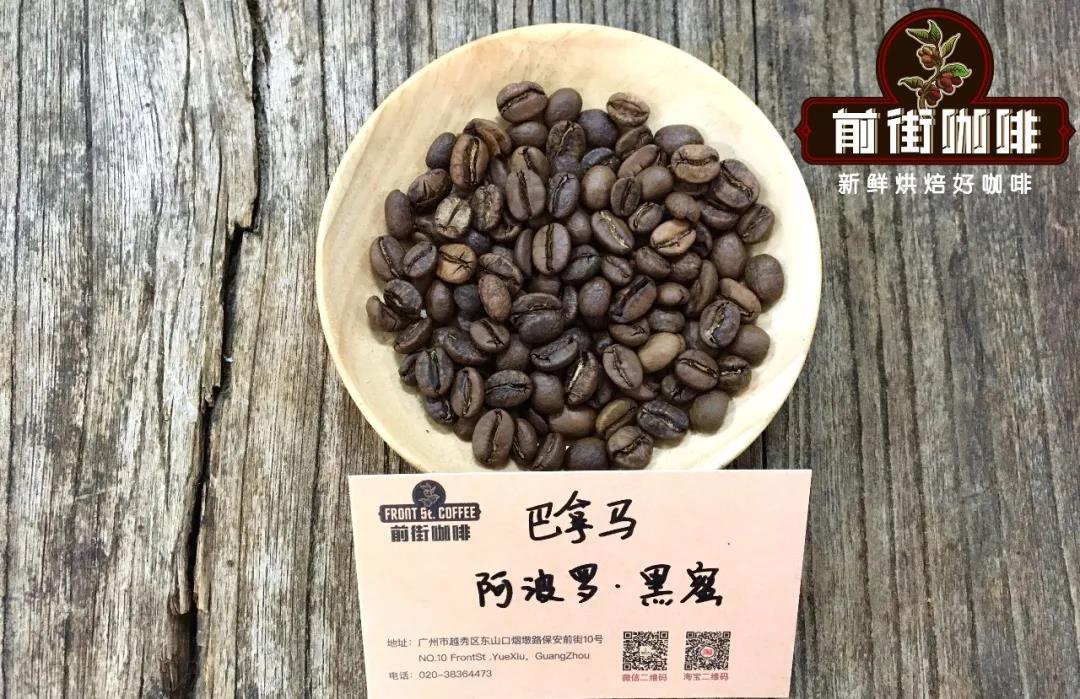
Coffee Information
Coffee Country: Panama
Coffee Region: Baru Volcano
Altitude: 1600-1650m
Coffee Varieties: Caturra, Catuai
Processing Method: Black Honey
Grade: SHB
Baru Volcano
Baru Volcano, also known as Chiriqui Volcano, lies on the southeastern extension of the Talamanca Mountain Range in western Panama and rises to 3,477 meters. Records suggest its most recent eruption took place around 1550. The ash from that eruption fell across various parts of Panama, especially the land around the volcano, laying down layers of fertile volcanic soil that give plants a rich growing environment.
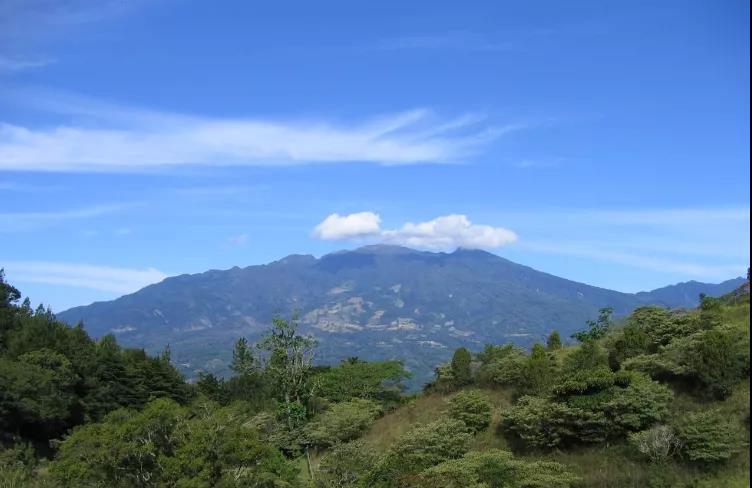
Coffee trees in the Baru Volcano region are planted above 1,600 meters. This high-altitude zone has its own microclimates, abundant rainfall, a wide swing between day and night temperatures, and nutrient-rich volcanic soil - an excellent combination for coffee.
Characteristics of Coffee Grown in Volcanic Soil
Sediments left by early volcanic activity and eruptions have built up extensive, fertile soils. These soils are rich in minerals, and volcanic ash in particular carries abundant phosphorus and sulfur. Paired with the region's distinctive climate, this has produced an environment suited to high-quality coffee. Dense forests and a wide range of species add to the biodiversity. After cupping many coffees grown in volcanic soil, FrontStreet Coffee has found that their flavor tends to be gentle and mellow overall, with elegant aromas and a special, pleasant acidity akin to fruit acids.
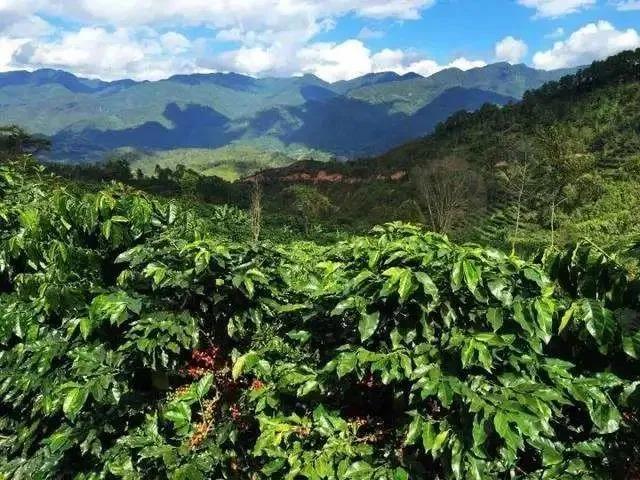
This particular coffee is sourced from a small cooperative made up of 50 coffee farmers. The area farms with traditional shade-grown methods, letting the coffee trees grow in a natural environment. Yields are lower as a result, but the approach preserves the natural setting, improves soil sustainability, and lets the trees grow slowly, producing beans of exceptional flavor while bringing farmers a better income.
Coffee Varieties
Caturra & Catuai
Caturra is a natural single-gene mutation of the Arabica Bourbon variety, discovered in Brazil in the 1950s. Its yield and disease resistance are both stronger than Bourbon's, with comparable flavor quality. It suits cultivation at altitudes between 700 and 1,700 meters and can be planted at high density without shade trees, thriving even in direct sunlight - hence its nickname "Sun Coffee." Cupping Caturra on its own, FrontStreet Coffee finds it has bright acidity and a low to medium body, with less clarity and sweetness than Bourbon and a citrus or lemon-like acidity.
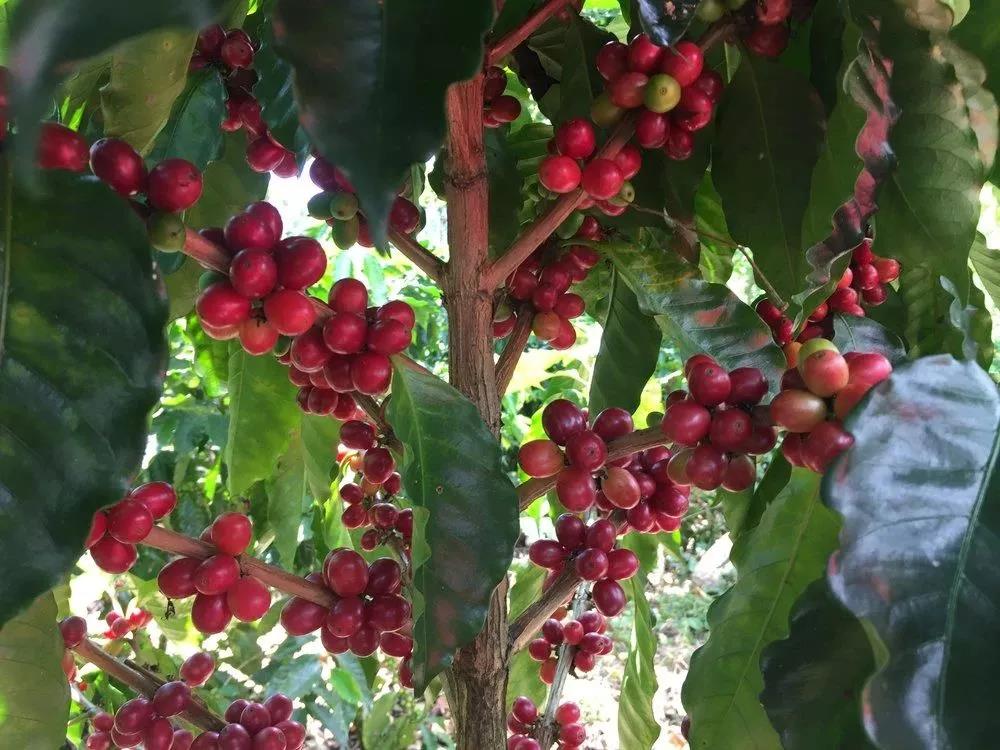
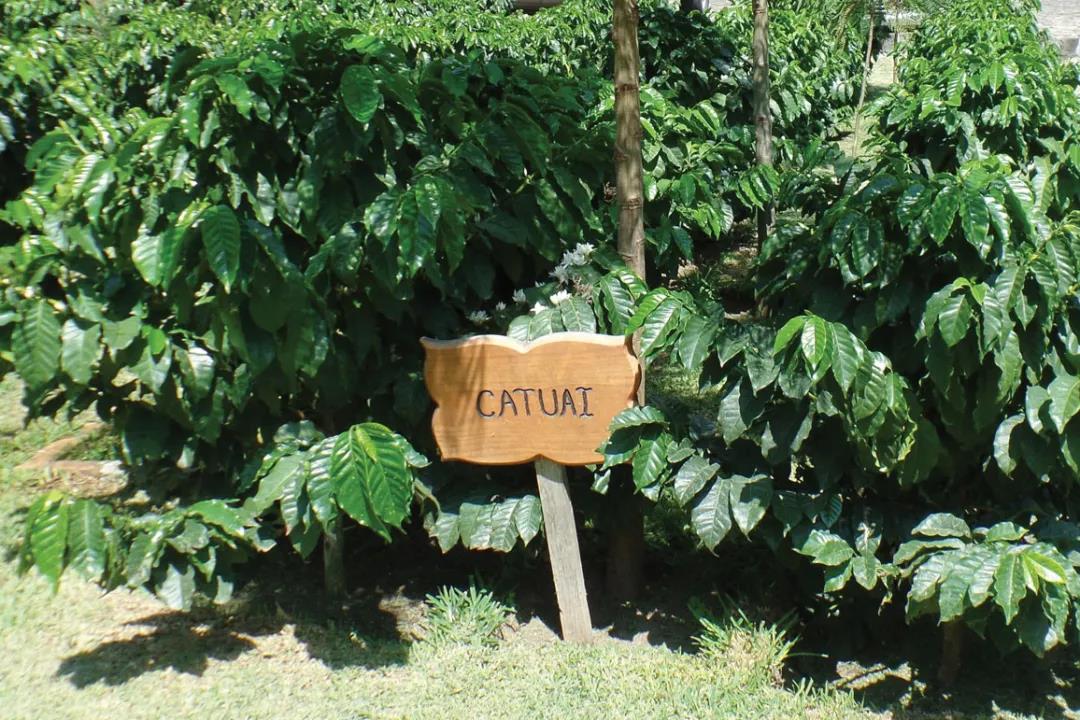
Catuai is a variety artificially hybridized in 1949 from yellow Caturra and Mundo Novo, first known as "H-2077." Catuai resists disasters well, particularly wind and rain. Because the plant is smaller, it can be planted at double the density, and its short stature makes pest and disease treatment relatively easy. It grows vigorously and stays low, but it is susceptible to leaf rust.
Black Honey Processing
This coffee is processed using the Black Honey method. Farmers first collect freshly picked cherries and sort them, removing defective fruit such as underripe and overripe cherries. After sorting, the cherries go into a depulping machine that removes the skin while preserving the complete mucilage layer. What sets Black Honey apart from other honey processes is that it keeps the entire mucilage layer, aiming to transfer all of the sugars from the mucilage into the beans, which in turn demands a longer drying time.
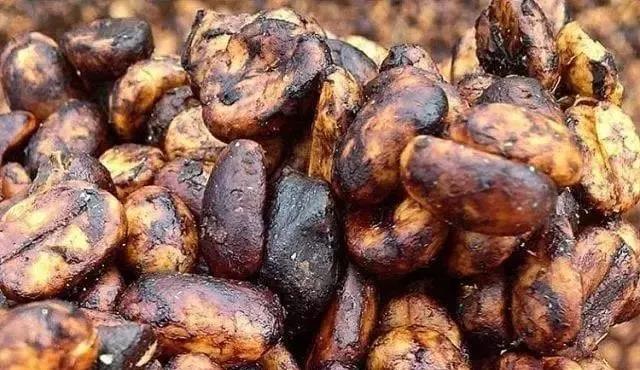
Because the drying takes so long, direct sunlight is not suitable. Instead, the beans must be placed in cool, well-ventilated areas to dry slowly. The process generally takes about 18 to 25 days. Throughout, the beans need continuous monitoring to avoid over-fermentation and mold. This method also carries a higher risk of losing the freshness of the green beans. Finally, when the moisture content drops to about 11%, the coffee is bagged and stored until the parchment is removed just before export. FrontStreet Coffee finds that, as a rule, the more mucilage is preserved, the richer the final flavor and the higher the sweetness.
FrontStreet Coffee Roasting Records
To bring out the rich, soft fruit acidity of the Apollo coffee beans and the sweetness from the Black Honey process, FrontStreet Coffee's roaster gave this bean a medium-light roast. Roasting machine: Yangjia 800N semi-direct flame; batch size: 480g. Preheat the roaster to 160°C before loading, then set heat to 130 and the damper open to 3. Turning point at 1'32", heat maintained. At 110°C, heat unchanged and the damper opened to 4; at 123°C, heat increased to 140. At 6'40", the beans turned yellow and the grassy smell disappeared, marking the start of the dehydration stage. At 146°C, heat was reduced to 100 and the damper held at 4.

At 9'00", dehydration was complete: the bean surface showed wrinkles and black spots, and the toast aroma shifted to coffee aroma, signaling that first crack was near. From there, the key is to listen for the first crack. At 10'07", first crack began, the damper was opened fully to 5, and heat was reduced to 50. Development time after first crack was 1'30", with discharge at 193.5°C.
FrontStreet Coffee Cupping Report
FrontStreet Coffee cups sample beans within 8-24 hours of roasting. Its baristas typically cup from 200ml ceramic cups, with water at 94°C. Grind size is set so that 70%-75% passes through a #20 standard sieve (0.85mm). The ratio is 11.1g of grounds to 200ml of hot water, that is, 1:18.18, which extracts a concentration right inside the Golden Cup range of 1.15%-1.35%. Steeping time is 4 minutes.
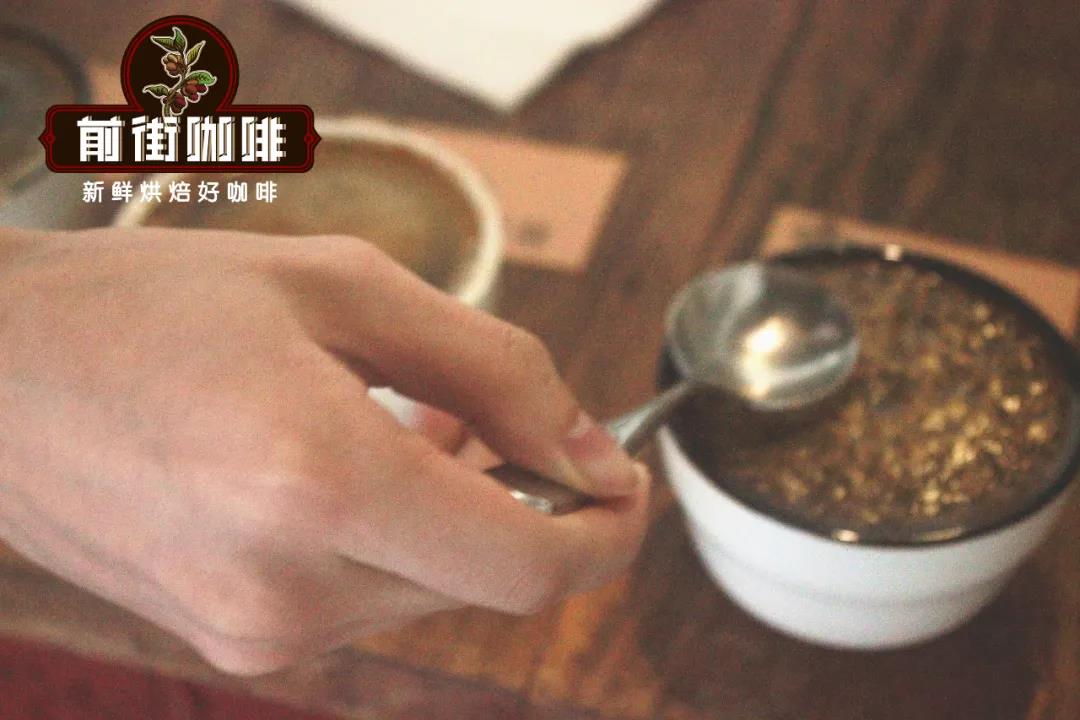
Tasting Notes:
Dry Aroma: Caramel, citrus
Wet Aroma: Strawberry jam, fermented wine aroma
Flavor: Strawberry candy, citrus, caramel, almond, fermented wine aroma
FrontStreet Coffee Brewing Experience
Dripper: V60 #01
Water Temperature: 90°C
Dose: 15g
Ratio: 1:15
Grind Size: Medium-fine (80% passing a Chinese standard #20 sieve)
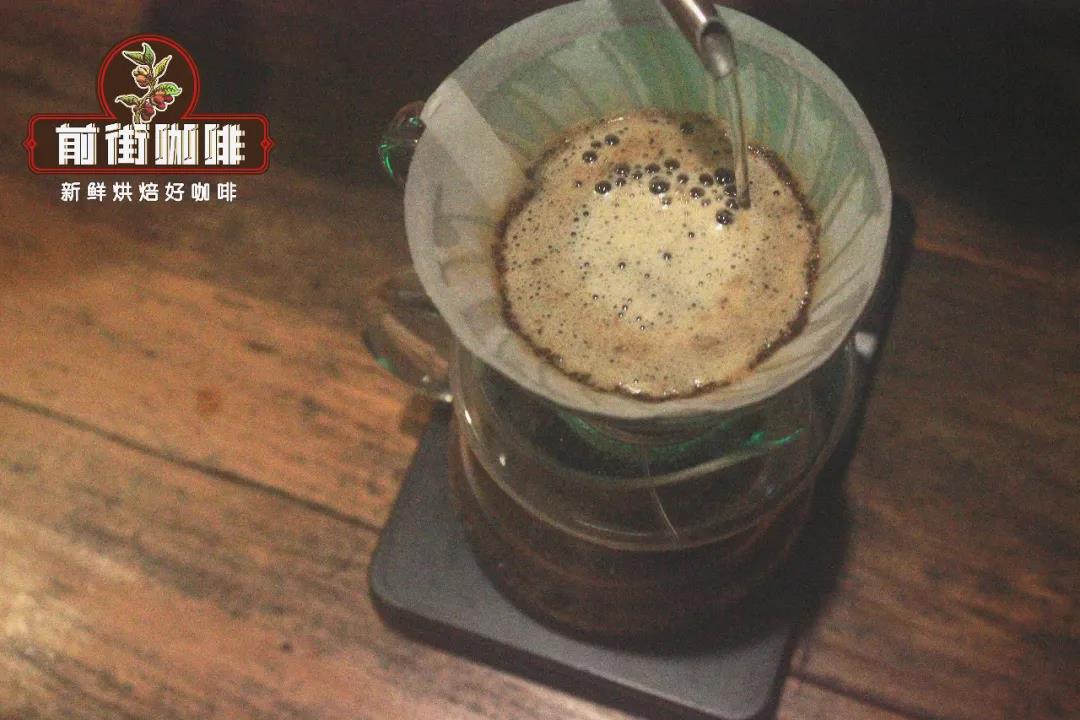
Brewing Method: Three-stage extraction. Use 30g of water for a 30-second bloom, then pour in a slow circular motion up to 125g for the first stage. When the water level drops and the coffee bed is about to be exposed, continue pouring to 225g and stop. When the water level drops again and the bed is about to be exposed, remove the dripper. Timing starts from the beginning of the bloom; total extraction time is 2'01".
Brewing Flavor: Berries, strawberry jam, wine aroma, cocoa, caramel.
FrontStreet Coffee Recommendation
If this Baru Volcano coffee appeals to you and you want to explore Panama further, FrontStreet Coffee's Boquete washed Geisha is the natural next step. The ridges of Boquete are regularly wrapped in cloud, humid by day and cool by night, and the fertile soil from Baru Volcano gives Geisha exactly what it needs. Coffee grown at higher altitude ripens more slowly, takes in more nutrients, and develops richer, more distinctive flavor. Planted at 1,600 meters on nutrient-rich volcanic ash soil, this estate-level Geisha brews into the varietal's signature jasmine, green tea, honey, citrus, and orange.
For a more budget-friendly way into Panama's Baru Volcano terroir, FrontStreet Coffee's Panama washed Butterfly is a fine choice. Geisha is a rare wild variety and a frequent winner at international competitions, with elongated green beans and a roasted cup full of unexpected citrus freshness and a long floral, fruit-sweet finish. Butterfly carries half of that Geisha pedigree and is made up of Geisha, Caturra, and Catuai, grown in the Baru Volcano area of Boquete. The local microclimate brings plentiful rainfall and a wide day-to-night temperature swing, and the area's volcanic rock soil, careful picking, and meticulous processing give the coffee impressive body, citrus acidity, and Geisha's jasmine aroma. It works well as pour-over or cold brew.
At the top of the range sits FrontStreet Coffee's Emerald Estate Red Label Geisha. The Emerald Estate both discovered Geisha's flavor potential and popularized Panamanian Geisha, and the tiers it introduced reflect the care behind it. To be precise about quality, the estate cups coffee from different plots, assigns planting plots by altitude, and eventually set the Red, Green, and Blue Label Geisha grades we know today. Red Label is the highest: FrontStreet Coffee's Red Label is harvested from a single plot above 1,700 meters, and the lot must cup at 91 points or more, with a refined orange-blossom honey character.
Important Notice :
FrontStreet Coffee is a long-established specialty coffee roaster in Guangzhou China, selling freshly roasted beans from its own farm in Yunnan as well as dozens of carefully selected single-origin beans from around the world for both pour-over and espresso. The products deliver consistently excellent quality and great value, with shipping within 24 hours. Guangzhou's FrontStreet Coffee shop is recommended by many coffee lovers, and the beans are now available online at the Tmall 。
FrontStreet Coffee has moved to a new address:
FrontStreet Coffee Address: 315,Donghua East Road,GuangZhou
Tel:020 38364473
 Scan and follow the En Gafei WeChat official account. Please indicate that the reprint comes from "En Gafei".