How to Brew Panama El Burro Estate Natural Geisha Coffee Beans for Best Flavor?
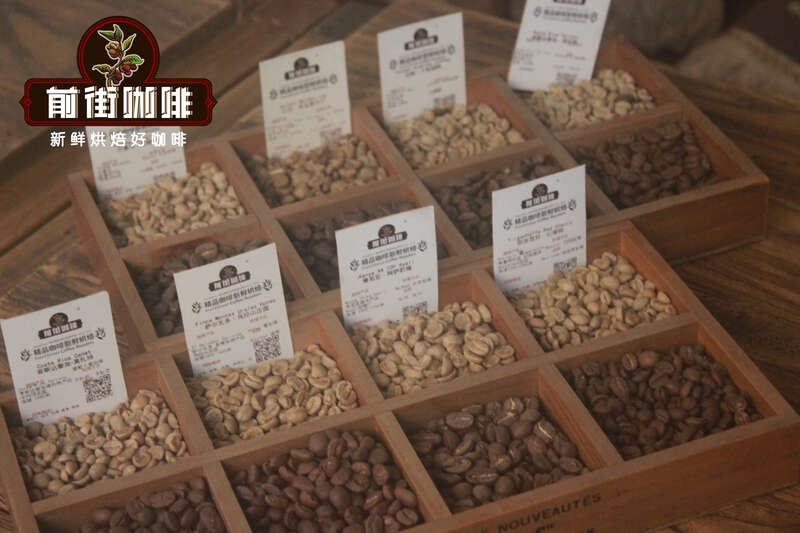
Most coffee estates take their name from their owner or from something symbolic, and Panama's El Burro Estate is a good example. Its story mirrors FrontStreet Coffee's own: the shop sits on FrontStreet, so it is called FrontStreet Coffee — nothing more complicated than that. El Burro is the same. Because the land was originally used to raise livestock, the owner planted coffee and named the estate El Burro, Spanish for "donkey."
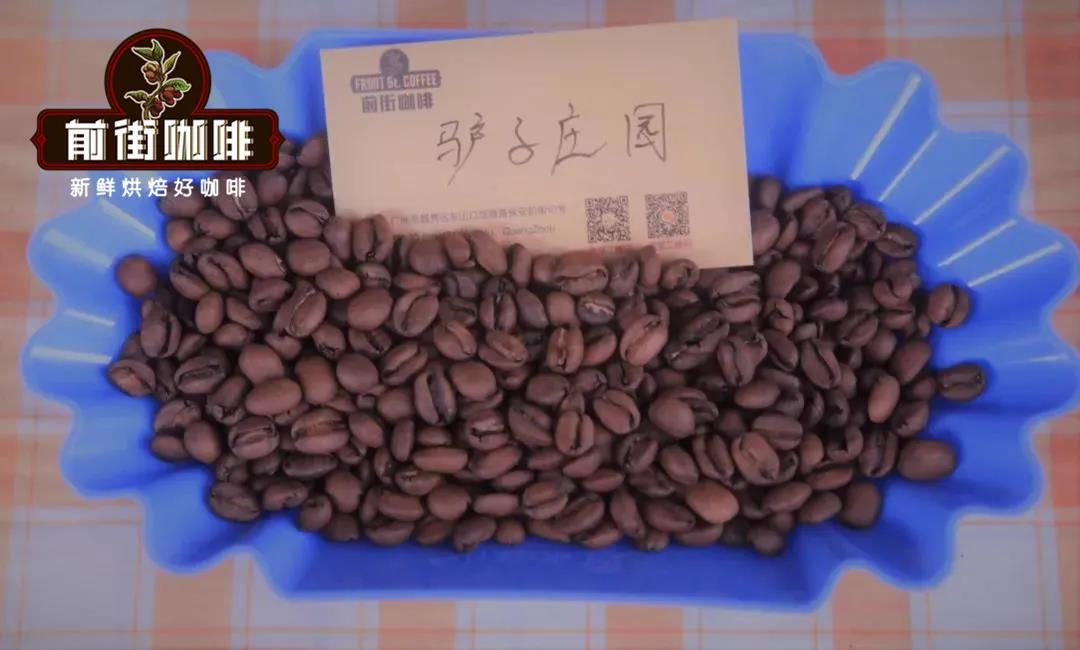
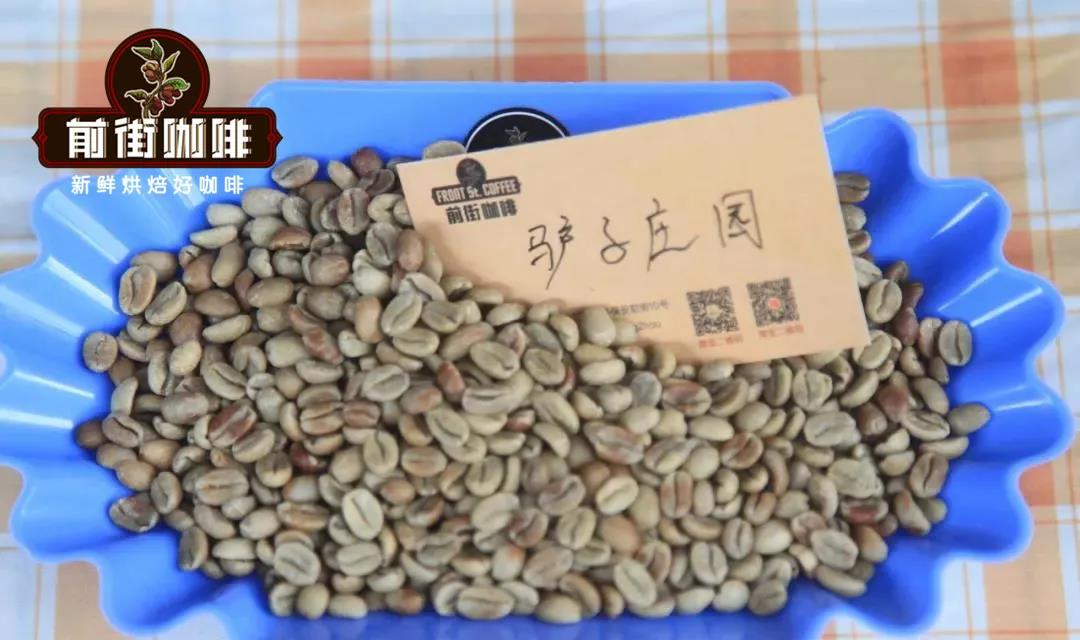
FrontStreet Coffee - El Burro Estate Natural Geisha Coffee Beans
Region: Boquete, Panama
Estate: El Burro Estate
Altitude: 1700-2000m
Processing: Natural process
Variety: Geisha
Grade: SHB
Boquete
Boquete is Panama's oldest and most celebrated coffee region — the country's premier production zone and one of the finest coffee-growing environments in the world. Lying on the eastern flank of Baru Volcano at roughly 1,000-2,000 meters, the Boquete plateau catches the soft Caribbean sea breeze on one side while the high, steep mountains at its back shield it from the cold Atlantic night air.
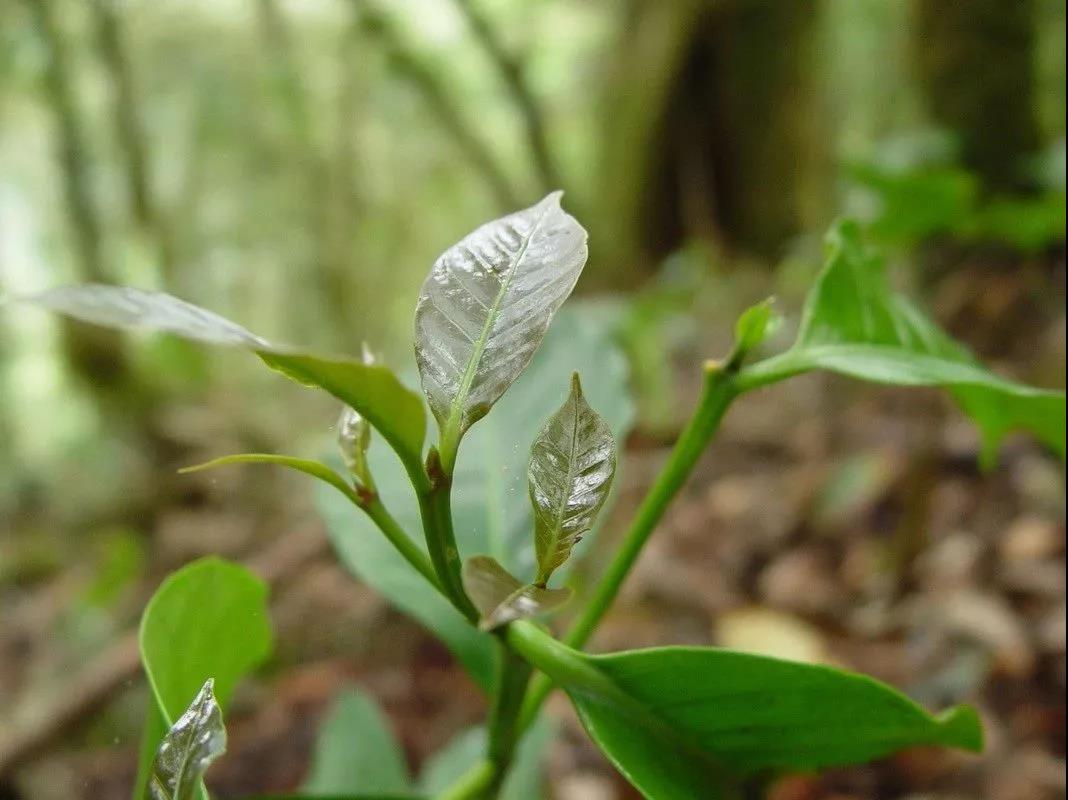
Baru Volcano National Park is an ecological reserve of remarkable biodiversity, holding seven distinct microclimates. Perpetually misted and well watered, it creates growing conditions that give Boquete coffee its signature aroma. Each harvest, farmers here rely mainly on washed or natural processing, which produces full beans with pure flavors. Cupping across different parts of Boquete, FrontStreet Coffee has found the range running from nutty to fruit-forward with delicate acidity — remarkably rich.
El Burro Estate
El Burro sits on the southern foothills of Baru Volcano, above the town of Potrerillos, at 1,700-1,800 meters. From the estate you can see the Atlantic. The property itself is tiny — just 5 hectares — making it a true micro-estate.
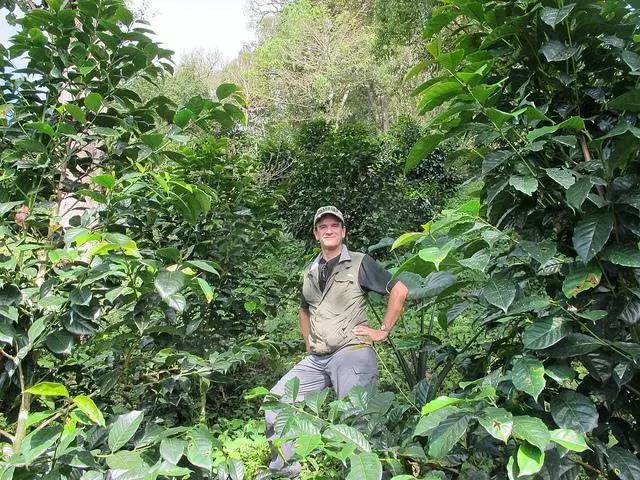
Small as it is, the soil and growing environment are exceptional. The hillside was once covered in pristine forest, with tall trees providing ideal shade for coffee. In places the canopy was so dense that sunlight could not reach the trees, so over the past two years the estate has cleared the thickest undergrowth to let the Geisha grow properly. Being close to Baru Volcano, the land benefits from ash laid down by its 1550 eruption. Beyond potassium and phosphorus, FrontStreet Coffee believes this volcanic soil carries very high organic matter, which is what gives the Geisha here such a rich, layered cup.
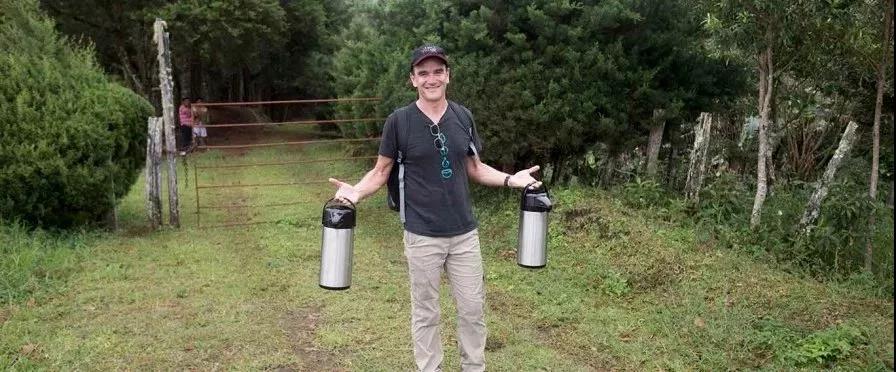
El Burro was established by Amado Boutet, grandfather of the current Lamastus family heir, Wilford Lamastus. When world coffee prices collapsed, the family was forced to sell off large portions of its estates. Wilford and his brother Patrick Lamastus could not bear to watch the family holdings disappear, so they bought El Burro to keep it running. Managing it was hard — at times the family needed income from other work — but Wilford never gave up on the estate. The persistence paid off: from 2015 onward, El Burro beans have placed repeatedly in the Best of Panama (BOP) competition.
The Variety
The lot FrontStreet Coffee secured is Geisha. Geisha was first documented in 1931, when a group of botanists on an expedition to southwestern Ethiopia found the seeds in a pristine forest and carried them to Kenya, where they were raised in nurseries before spreading to Kenya and Tanzania.
In 1953 the Costa Rican research institution CATIE obtained some Geisha seeds from Tanzania for study; in 1960 Pachi Serracin, then owner of Panama's Don Pachi Estate, brought Geisha from Costa Rica to Panama. Its low yield kept it obscure in a small corner of Panama's coffee regions until 2004, when the owner of Hacienda La Esmeralda noticed a faint floral aroma hiding among the harvested beans. It was captivating. Entered separately in the BOP competition, it became famous overnight, and Geisha has shone at the front of the specialty coffee industry ever since.
Processing
After harvest the cherries are sorted and laid out on drying beds. They dry naturally, their color shifting from red to deep brown over a complete drying period of 18-30 days. Once dry they are stored until the beans are ready for shipment, at which point all of the dried skin, pulp and parchment is removed to release the bean inside. Unripe, overripe and fermented beans are then sorted out before shipping.
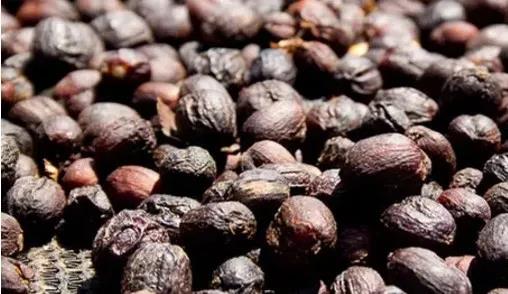
FrontStreet Coffee believes the strength of this natural method is that it removes any risk of earthy off-flavors from contact with the ground while speeding up the drying of the cherries and presenting the coffee's original fruit flavors more fully. The result is better overall cup quality and greater consistency after roasting.
FrontStreet Coffee Roasting Records
FrontStreet Coffee roasts on a Yangjia 800N semi-direct-fire roaster at a 300g batch size. When the drum reaches 160°C the beans go in, with the damper at 3 and heat at 130. The turning point comes at 1'40"; as the drum reaches 140°C the heat is cut to 110 and the damper opened to 4. By then the bean surface has yellowed and the grassy smell has gone, marking the start of the dehydration phase. At 166°C the heat drops to 80 with the damper unchanged; at 176°C it drops again to 50, still with the damper unchanged.
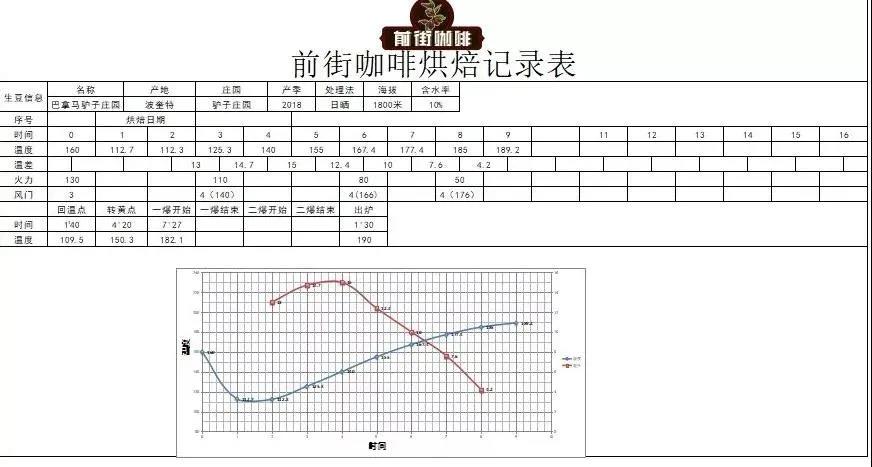
At 6'50" hard wrinkles and dark spots appear on the surface, and the toasted-bread aroma clearly turns to coffee aroma — the prelude to first crack. From here one must listen carefully. First crack begins at 7'37"; the heat is reduced to 50 and the damper set to 5 (the adjustment must be gentle, never so low that the crackling stops). After first crack the coffee develops for 1'30" and is dropped at 190°C.
FrontStreet Coffee Cupping Report
Cupping is carried out 8-24 hours after the sample is roasted. FrontStreet Coffee's baristas use 200ml ceramic cups at a cupping temperature of 94°C. The grind is set for a 70%-75% pass-through rate on a #20 standard sieve (0.85mm). The ratio is 11.1g of grounds to 200ml of hot water, or 1:18.18, which extracts a concentration right inside the 1.15%-1.35% Golden Cup range, with a 4-minute immersion.
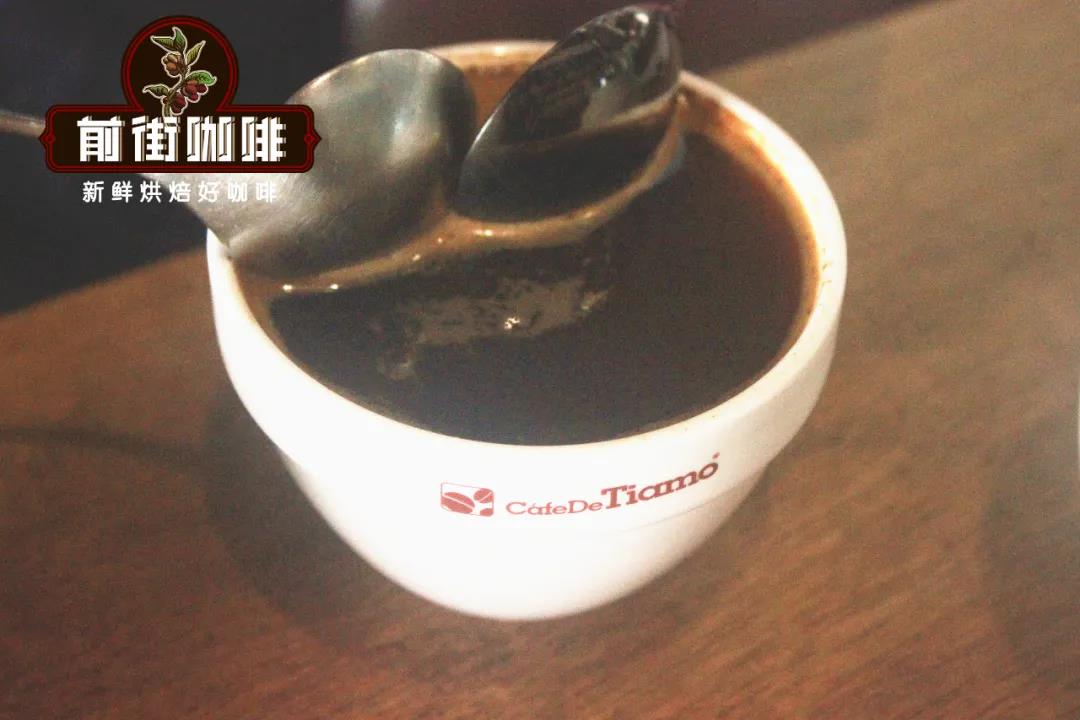
Dry aroma: Fermented wine aroma
Wet aroma: Sweet orange
Flavor: Fermented wine, sweet orange, honey, berries, pineapple, cream, fruit tea, green apple
FrontStreet Coffee Brewing Tips
Dripper: V60 #01
Water temperature: 91°C
Coffee-to-water ratio: 1:15
Grind size: Medium-coarse (80% pass-through rate on a Chinese standard #20 sieve)
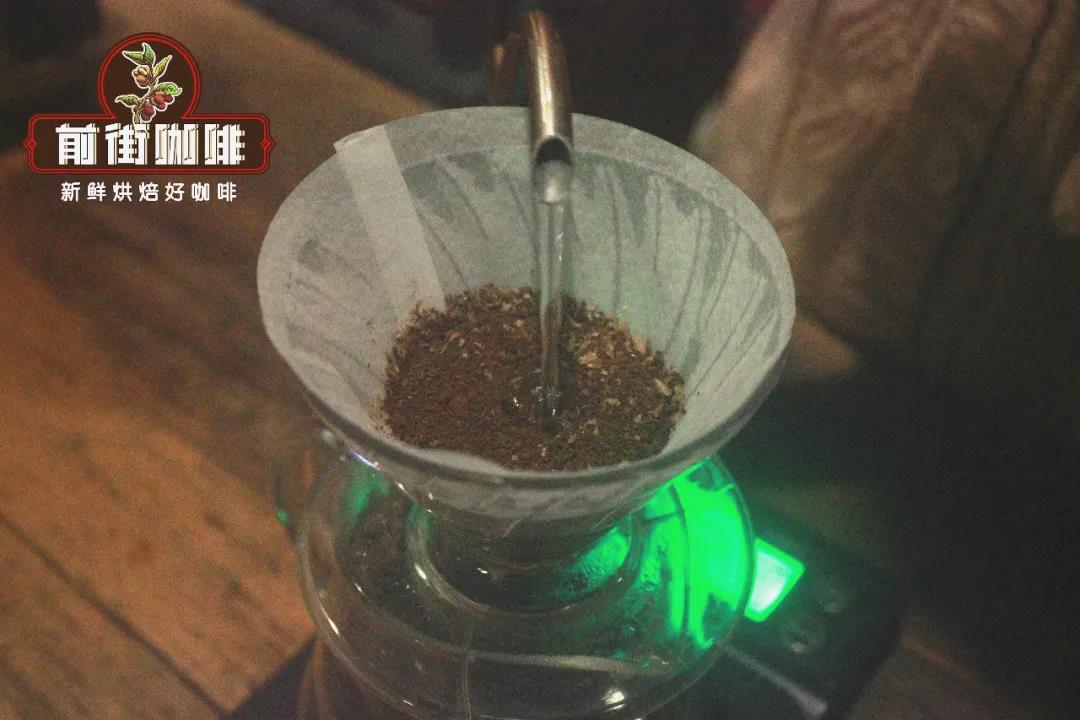
Method: Three-stage extraction. Bloom with 30g of water for 30 seconds. Using a thin stream in concentric circles, pour to 125g for the first stage. When the water level drops and the bed is about to be exposed, pour on to 225g and stop. When the bed is about to be exposed again, lift the dripper away (timing starts from the bloom). Total extraction time is 2'02".
Brewing flavor: Ginger flower on the nose, then citrus, honey, berries and fermented wine on entry. As it cools, a pineapple-like sweetness emerges, and the finish carries the sweet-sour note of sweet orange.
FrontStreet Coffee Recommendation
Anyone drawn to the floral, tea-like character of a Panamanian Geisha should start with the source of that reputation: Hacienda La Esmeralda. FrontStreet Coffee stocks Esmeralda's Red Label Geisha (officially "Esmeralda Special"), grown at 1600-1800 meters, where every lot must cup above 90 points and carries its own lot number, with all the beans in a lot coming from a single small plot. The result is a jasmine-and-bergamot cup with the clean, transparent body and long, layered finish that made Geisha famous.
For a more approachable introduction, FrontStreet's Boquete Geisha offers the classic orange-blossom-and-honey profile of a high-quality Panamanian Geisha at an entry-level price, showing oolong-tea body and delicate fruit acidity. If you want to explore further, FrontStreet also carries the Gesha Village Gold Label and Red Label from Ethiopia — the birthplace of the variety — which bring a brighter, more vivid fruit acidity to the Geisha template.
Important Notice :
FrontStreet Coffee is a long-established specialty coffee roaster in Guangzhou China, selling freshly roasted beans from its own farm in Yunnan as well as dozens of carefully selected single-origin beans from around the world for both pour-over and espresso. The products deliver consistently excellent quality and great value, with shipping within 24 hours. Guangzhou's FrontStreet Coffee shop is recommended by many coffee lovers, and the beans are now available online at the Tmall 。
FrontStreet Coffee has moved to a new address:
FrontStreet Coffee Address: 315,Donghua East Road,GuangZhou
Tel:020 38364473
 Scan and follow the En Gafei WeChat official account. Please indicate that the reprint comes from "En Gafei".