Ethiopia Yirgacheffe Coffee Region Growing Altitude Flavor Characteristics - Idido Cooperative Coffee Beans Brewing Flavor Description
For professional coffee knowledge exchange and more bean information, follow Coffee Workshop.
Since the Ethiopia Commodity Exchange (EXC) system was introduced in 2008, most raw coffee has been sold through its bidding system. Cooperatives, however, aren't bound by those rules and can negotiate, price, and export directly with buyers. That lets farmers avoid being exploited at low prices by middlemen, and when they face economic difficulty, the cooperative can extend loan assistance. The benefits for both growers and coffee production are significant.
IDIDO Cooperative
IDIDO is one of the members of the Yirgacheffe Coffee Farmers Cooperative Union (YCFCU), which was established in 2002 and has 24 primary cooperatives with roughly 50,000 farmers. Because cooperatives aren't subject to the ECX system for bulk coffee trading, buyers can select each lot of raw beans according to their own preferences and quality standards, with traceability down to detailed coffee profiles such as origin and grower. Through this kind of direct trade, buyers and farmers build deeper relationships. Farmers receive fair compensation, and they also gain material or financial support—berry-processing equipment, facilities, and the like—that lets them produce higher-quality coffee.
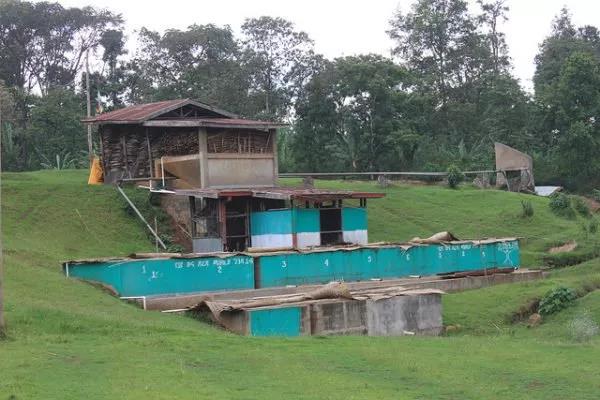
The IDIDO Cooperative sits in the high-altitude valleys around Yirgacheffe town, with annual rainfall of roughly 1400-1800mm. Local smallholders grow coffee at altitudes around 2000 meters. Cool mountain air lets the coffee mature slowly under favorable soil and ecosystem conditions. Smallholders then harvest fully ripe red cherries each year from December to February. Like other cooperatives, IDIDO has excellent conditions for producing top-tier coffee: high altitude, outstanding processing technique, nutrient-rich soil, and Ethiopian native varieties. Growing in such a superior environment, FrontStreet Coffee found the beans here have a captivating floral aroma that somewhat resembles Geisha.
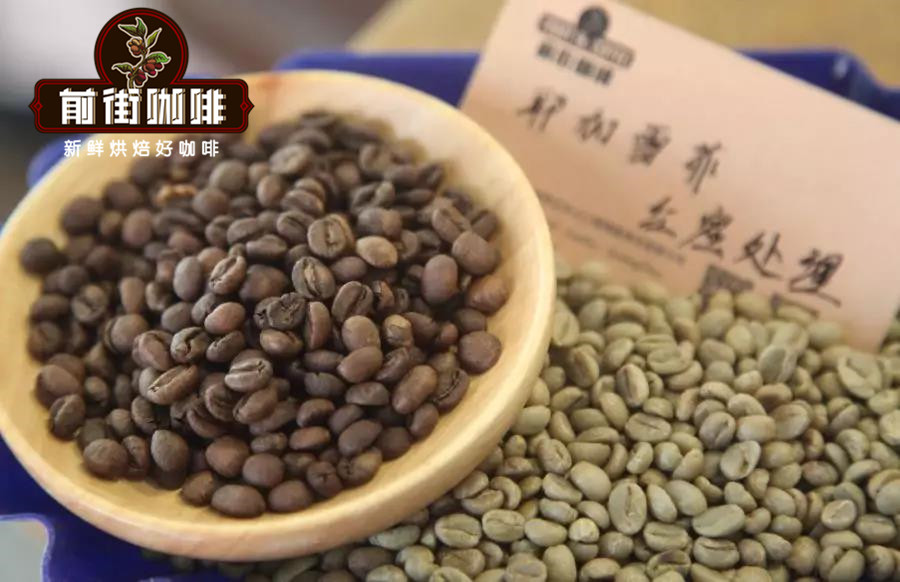
FrontStreet Coffee — Yirgacheffe Red Honey Process Red Cherry
Region: Yirgacheffe Idido
Altitude: 2000-2200m
Processing Method: Red Honey Process
Variety: Local Native Varieties
Grade: G1
What is Red Cherry?
The "Red Cherry Project" (ORC) is a quality-improvement program for small farms. In 2007, Trabocca, the largest raw coffee supplier in the Netherlands, launched the Red Cherry Project in pursuit of high-quality Ethiopian beans. The program requires that the cherries be not only harvested when fully red but also picked entirely by hand. Those fully red fruits look like ripe red cherries, which is why they're called Red Cherry.
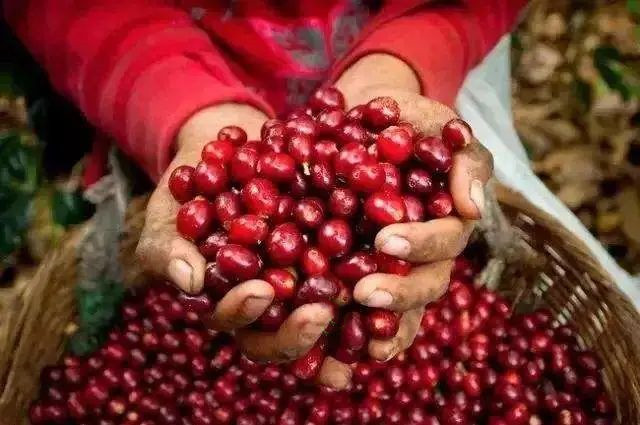
Trabocca, the largest coffee supplier in the Netherlands, invites Ethiopian farms to produce small batches of roughly 1500-3000 kilograms (25-50 bags) of beans ahead of the harvest season. Only women may select the cherries, and only fully 100% ripe red ones—which makes a real difference in the brewed flavor. That's why diligent, sharp-eyed, hardworking Ethiopian women are essential to the Red Cherry Project. The project also reinforces the farm's incentive to invest more effort in selection, and these coffees command a relatively higher price.
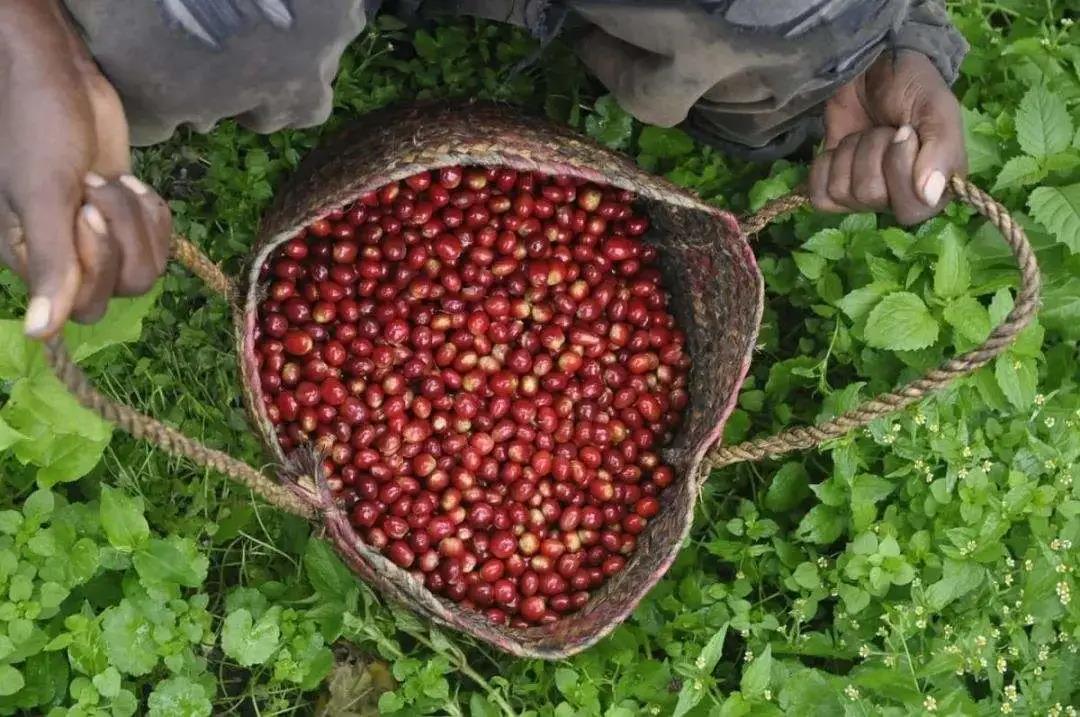
Consider that in fully ripe coffee fruit, the flesh and mucilage hold abundant sugars. Through cupping, FrontStreet Coffee found that beans from the Red Cherry Project show notably more sweetness than conventionally harvested beans, which makes them especially well suited to natural or honey processing to further lift that sweetness.
Red Honey Processing Method
Honey processing means producing raw beans by sun-drying them with the mucilage still on. After the outer pulp is removed from the coffee, a layer of viscous, gelatinous substance remains. Traditional washed processing rinses that mucilage away with clean water, but this direct sun-drying method was developed because some high-altitude regions lack water.
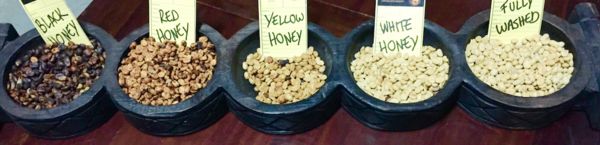
The mucilage is the part of the coffee fruit with the highest sugar content and an important component of fermentation during processing. It determines roughly 80% of the nutritional supplementation during processing. Yellow honey keeps 60% of the mucilage, red honey keeps 75%, and black honey keeps almost all of it. FrontStreet Coffee believes red honey processed beans have a smooth texture reminiscent of berry juice and enhance the coffee's sweetness.
FrontStreet Coffee Roasting Records
FrontStreet Coffee's roaster uses a Yangjia 800N semi-direct flame roaster with a batch size of 550 grams. The beans are charged at 180°C with 130 heat power and the damper set at 3. The turning point comes at 1'32", and when the temperature reaches 146°C the damper opens to 4 with heat power unchanged. At 149°C the bean surface turns yellow and the grassy aroma disappears completely, marking the start of the dehydration phase. When the temperature reaches 166°C, heat power is adjusted to 110 with the damper unchanged.

At 7'43", the bean surface shows ugly wrinkles and black spots, and the toast aroma clearly shifts to coffee aroma—the prelude to first crack. From that point, listen carefully for the sound of first crack. At 8'29" first crack begins, the damper opens to 5, and development continues for 1'28" after first crack, with beans discharged at 190°C.
FrontStreet Coffee Cupping Report
FrontStreet Coffee cups the sample beans within 8-24 hours after roasting. The cupping bowl is a 200ml ceramic bowl with water at 94°C. The cupping grind is standardized to 70%-75% pass-through on a #20 sieve (0.85mm). The ratio is 11g of coffee to 200ml of hot water—1:18.18—which extracts a concentration right within the 1.15%-1.35% Golden Cup range, with an immersion time of 4 minutes.
The freshly ground aroma shows fresh floral notes of jasmine and ginger flower. After pouring in 94°C water, FrontStreet Coffee's barista detected a captivating jasmine fragrance alongside the sweetness of berry juice. On the slurp, the first impression is bright citrus-like acidity, followed by a berry-juice sensation. The mouth then fills with jasmine and ginger flower aromas, while the finish leaves honey-like sweetness and almond lingering on the tongue.
FrontStreet Coffee Brewing Tips
Filter: V60 #01
Water Temperature: 90-91°C
Dose: 15g
Ratio: 1:15
Grind Size: Medium-fine (80% pass through #20 sieve)
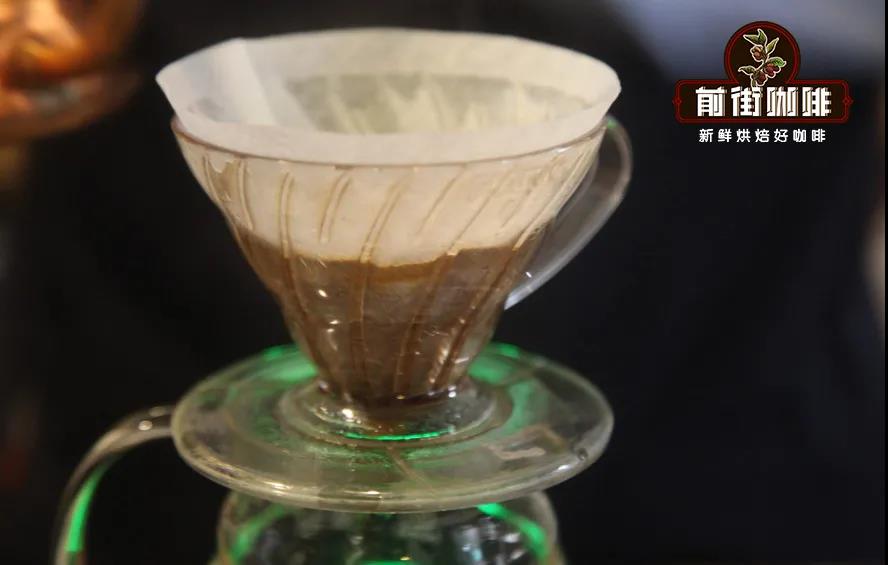
FrontStreet Brewing Method: First wet the filter paper and preheat the dripper and carafe. Use 30g of water for a 30-second bloom. With a small stream, pour in circles to 125g, then segment the pour. When the water level drops and is about to expose the coffee bed, continue pouring to 225g and stop. When the bed is about to be exposed again, remove the dripper (timing from the start of the bloom). Total extraction time is 2'07".
Brewing Flavor: Aromas of ginger flower, with citrus, lemon, and fruit-candy notes on entry. The mid-palate brings cedar aroma and honey sweetness, while the finish shows oolong tea with a persistent creamy aftertaste.
For more specialty coffee beans, reach out to FrontStreet Coffee.
FrontStreet Coffee Recommendation
Idido's red honey character—smooth, berry-juicy, and sweet—sits right in the Yirgacheffe family. If you want the classic reference point, FrontStreet Coffee's everyday Washed Yirgacheffe is the one to try first: white jasmine, bright citrus and lemon acidity, and a clean tea-like body, at a price that makes it an easy everyday bag. For a more refined washed expression, the Washed Gudingding Cooperative brings the same citrus-lemon lift and jasmine blossom with sharper clarity.
If the natural, fruit-forward side is what you enjoy, FrontStreet Coffee's Natural Red Cherry is a direct parallel to the Red Cherry Project's philosophy. The cherries are picked as fully ripe red fruit, hand-sorted, then dried on raised beds with the fruit intact—turned every few hours early on to prevent uneven fermentation—and hulled after three to five weeks. You get classic Yirgacheffe florals plus tropical fruit: citrus acidity, berry-juice body, honey sweetness, and a creamy smoothness.
These coffees are at their best as pour-overs. FrontStreet Coffee suggests a V60 with 15g of coffee, a 1:15 ratio, and 90-91°C water, ground to fine-sugar size (about 80% through a #20 sieve). Pour 30g for a 30-second bloom, then 95g in a slow circle (about 125g on the scale) over roughly a minute, and once the bed falls to two-thirds, add the final 100g (about 225g on the scale). Total brew time should land around 2:00 to 2:10.
Important Notice :
FrontStreet Coffee is a long-established specialty coffee roaster in Guangzhou China, selling freshly roasted beans from its own farm in Yunnan as well as dozens of carefully selected single-origin beans from around the world for both pour-over and espresso. The products deliver consistently excellent quality and great value, with shipping within 24 hours. Guangzhou's FrontStreet Coffee shop is recommended by many coffee lovers, and the beans are now available online at the Tmall 。
FrontStreet Coffee has moved to a new address:
FrontStreet Coffee Address: 315,Donghua East Road,GuangZhou
Tel:020 38364473
 Scan and follow the En Gafei WeChat official account. Please indicate that the reprint comes from "En Gafei".