Yirgacheffe Werka Cooperative Coffee Beans: The Impact of Brewing Water Temperature on Yirgacheffe Coffee Flavor
Professional Coffee Knowledge Exchange
Many coffee enthusiasts who have tried Ethiopian beans will have come across the Werka variety. This coffee comes from the town of Werka in Ethiopia's southern coffee-growing belt. Through cupping, FrontStreet Coffee has found that Werka beans offer fresh, elegant floral aromas with a clean, bright acidity.
A Brief Review of the Yirgacheffe Region
Yirgacheffe lies in the Gedeo region of southern Ethiopia. The area administers the well-known Yirgacheffe and Kochere districts, at altitudes of 1700-2100m, making it one of the highest coffee-growing regions in the world.
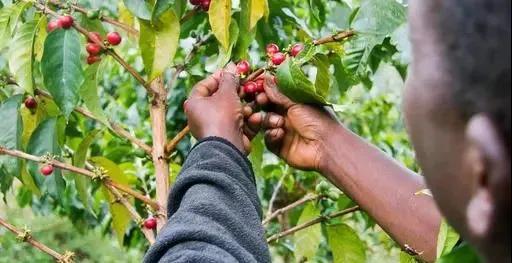
Coffee in Yirgacheffe is mostly grown as garden coffee: farmers plant trees around their homes, harvest the crop themselves during the season and send it to processing stations built near water sources for centralised processing, or sell it through middlemen. Apart from a small number of estates able to plant, harvest and process green coffee independently, beans of many different origins and varieties are processed together at the stations and then sent to auction houses for official evaluation and grading. That is why Ethiopian coffees are so often named and distinguished by their processing station or cooperative.
Werka Cooperative
The Werka Cooperative is part of the YCFCU cooperative alliance. Founded in 2005, it sits in a remote part of the Yirgacheffe region, 75 kilometres from the local coffee distribution centre in Dilla town. The roads to the outside are poor, including a 20-kilometre dirt track from the cooperative to the paved main highway. The cooperative has 305 member farmers, a planting area of about 763 hectares and an annual output of nearly 460 tons, making it a relatively small farmers' cooperative. Because no chemical fertiliser or pesticide is used in cultivation, Werka's smallholders have also earned Skal organic coffee certification recognised by the European Union.
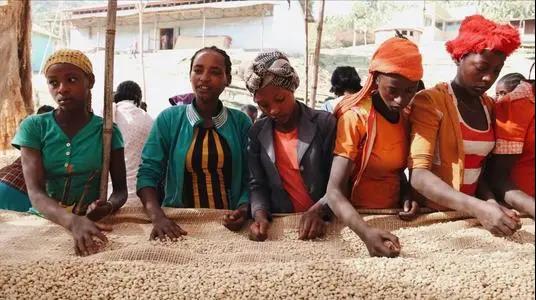
The coffee is grown mainly by more than 700 local smallholders using traditional washed and natural processing. Because Werka's flavour and mouthfeel so clearly reflect the region, it has become one of the representatives of Ethiopian specialty coffee. FrontStreet Coffee believes that richness owes much to the farmers' cooperative effort, careful harvesting and rigorous processing.
Coffee Varieties
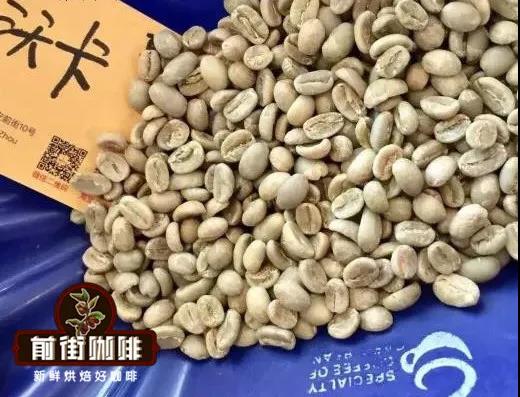
Anyone who drinks Ethiopian coffee regularly will have heard of the Heirloom variety. Most Ethiopian varieties are labelled this way, largely because there are simply too many of them. Ethiopia is a natural gene bank for Arabica: on one hand, the sheer number of varieties makes identification and classification difficult; on the other, the government, for protection reasons, is unwilling to disclose information about them, so they are grouped together as Heirloom. This complex mix of varieties, harvested together, is why Ethiopian beans vary so much in size - a point FrontStreet Coffee often makes to customers.
Coffee Bean Processing Method
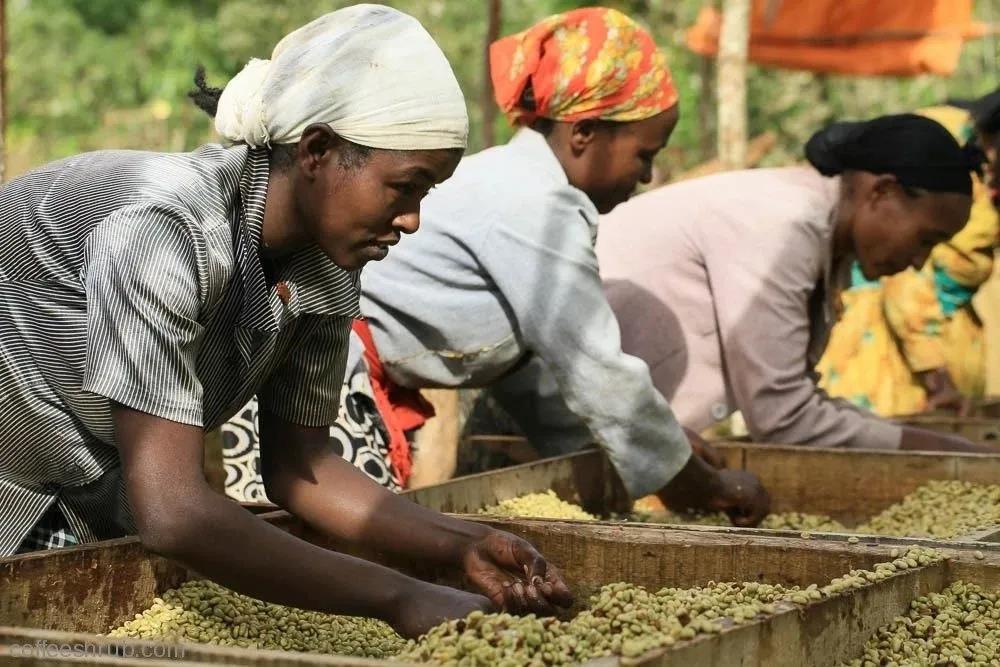
The Yirgacheffe Werka beans offered by FrontStreet Coffee are washed. Selected cherries go into a depulper that removes the skin and pulp. The beans, still coated in pulp and mucilage, are placed in water to ferment for about 24 hours. After fermentation the parchment coffee is moved into flowing water channels to wash away the pulp and mucilage.
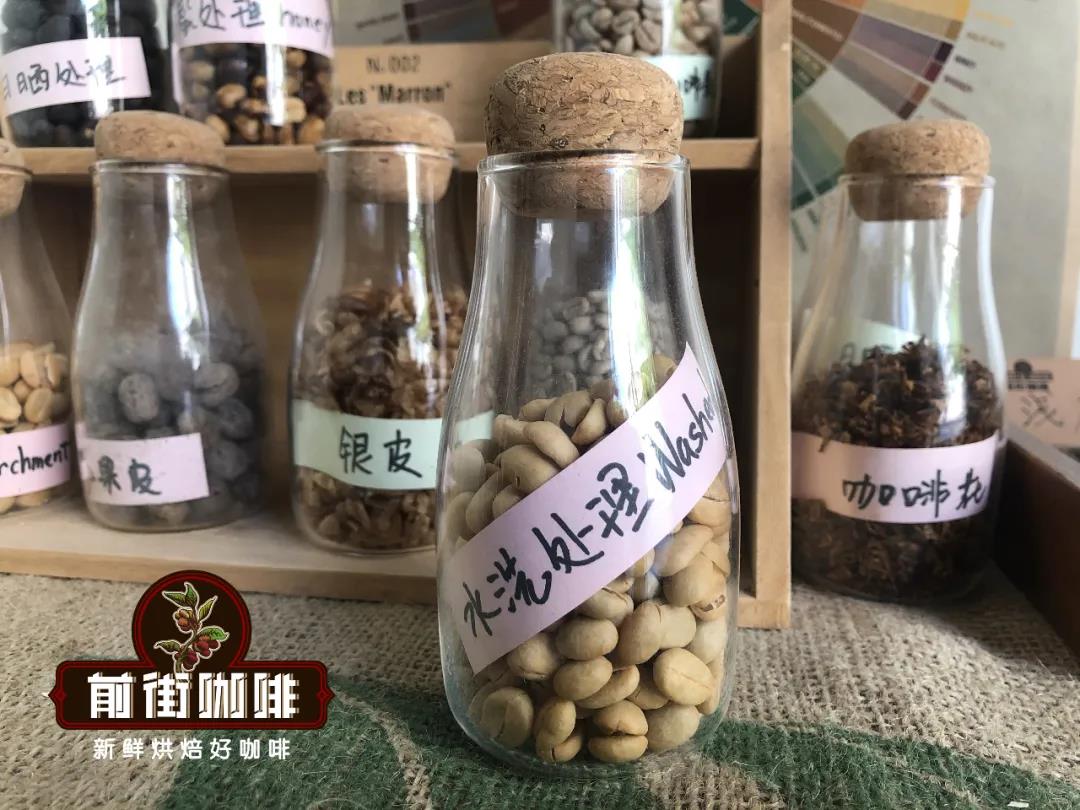
After washing, the beans are dried, or finished in a dryer, until the moisture content falls to about 12%, and the parchment is finally removed from the green coffee. FrontStreet Coffee believes washed coffee has more obvious acidity, better cleanliness, a medium mouthfeel and the most consistent green bean quality.
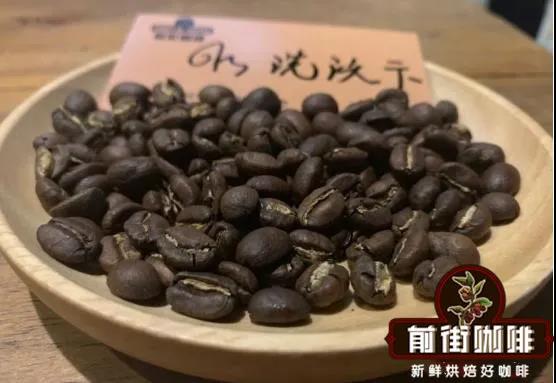
Region: Yirgacheffe Werka Cooperative
Grade: G1
Variety: Heirloom
Altitude: 1650-1800 meters
Processing Method: Washed
FrontStreet Coffee Roasting Recommendations
Werka's acidity is its signature. To bring it forward, FrontStreet Coffee's roaster recommends a light roast. The temperature rise is kept gentle, with a roast time of slightly more than 10 minutes, giving enough time and heat for dehydration so chlorogenic acid breaks down. If degradation is insufficient the cup tastes sharp and uncomfortable, with a slightly rough texture. Continuing to apply heat after first crack also prolongs the caramelisation reaction, producing caramel and other sweet flavours. The sweetness becomes more solid and weighty, while the bright fruit acidity softens a little.
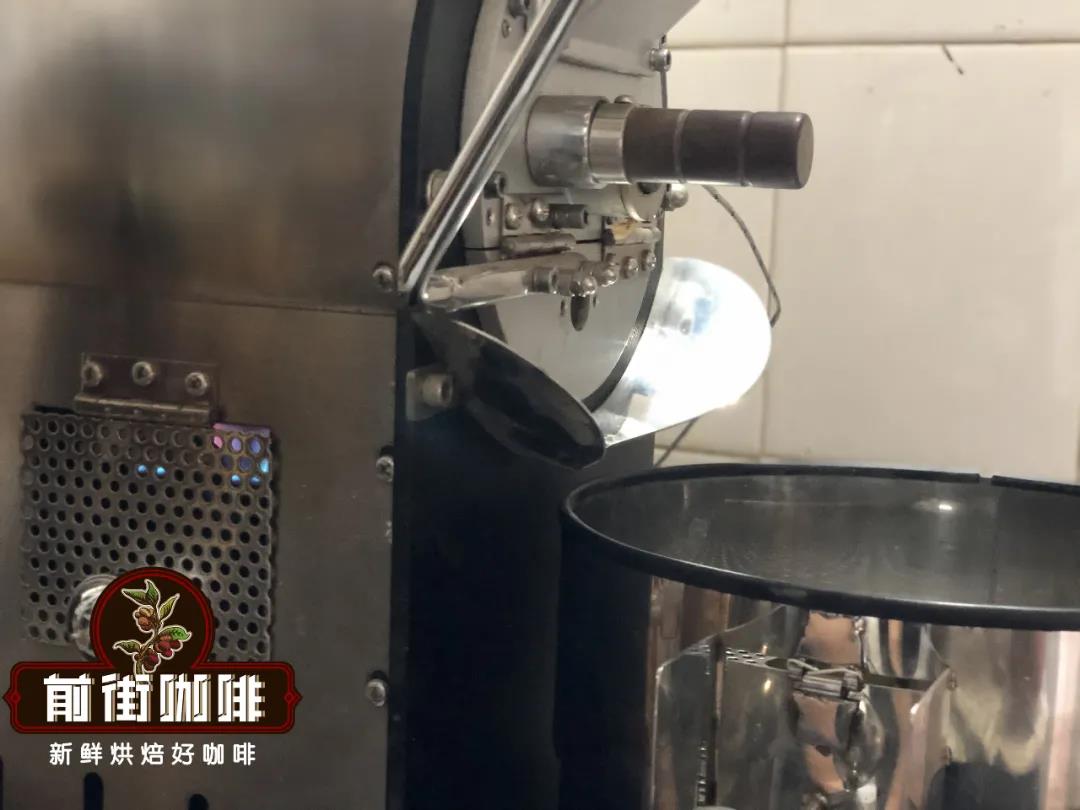
Using a Yangjia 800N with 480g of beans: when the drum temperature reaches 200°C, charge the beans with the damper at 3. After 1 minute adjust the heat to 160°C, damper unchanged. At 149°C adjust the heat again, down to 140°C. Roast to 5'10" at 151°C, when the bean surface turns yellow and the grassy smell disappears completely, completing dehydration, and open the damper to 4. By the 8th minute, ugly wrinkles and black patterns appear on the bean surface and the toast smell turns clearly to coffee aroma, which can be defined as the prelude to first crack. Listen carefully for the sound of first crack. At 8'53" first crack begins, damper unchanged. First-crack development time is 1'45", drop at 195°C.
FrontStreet Coffee Cupping Report
FrontStreet Coffee cups sample beans within 8-24 hours of roasting, using 200ml ceramic cupping bowls marked with 150ml and 200ml graduations. Following SCAA standards, water TDS is around 150ppm; too low a TDS easily causes over-extraction, while too high a TDS affects mouthfeel and can cause under-extraction. Cupping water temperature is 94°C. Grind size is controlled so 70%-75% passes a #20 standard sieve (0.85mm). The ratio is 11g of coffee to 200ml of hot water, i.e. 1:18.18, so the extracted concentration falls within the 1.15%-1.35% Golden Cup range. Steep time is 4 minutes.
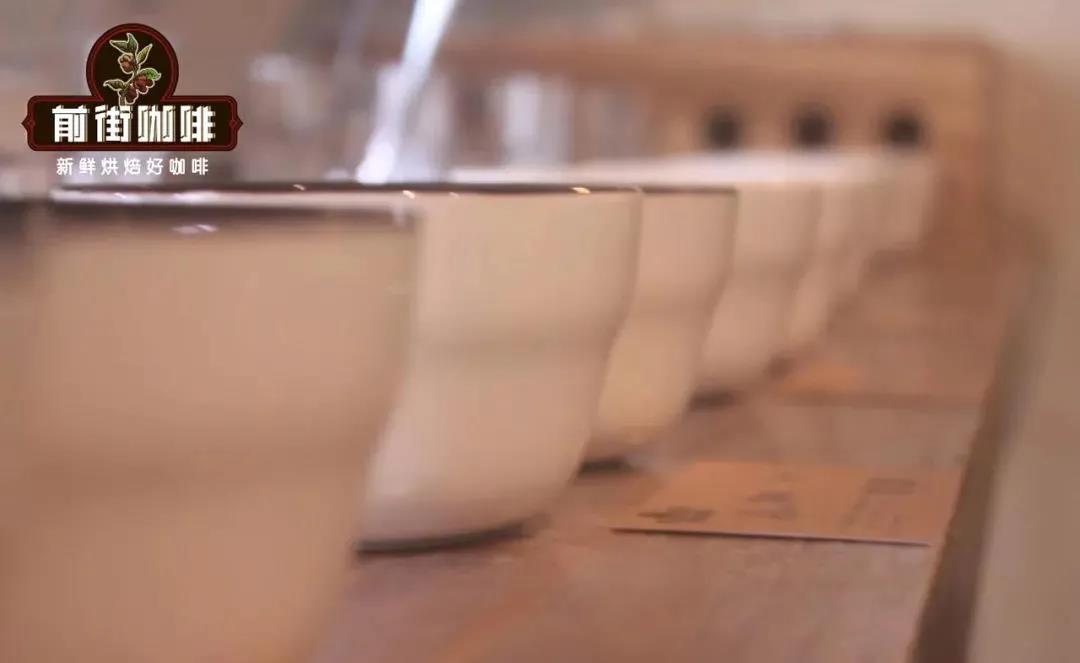
Dry Aroma: Floral, citrus
Wet Aroma: Citrus, lemon
Flavor: Citrus, lemon, kumquat, white grape juice, soda-like sweetness
FrontStreet Coffee Brewing Experience
FrontStreet Coffee chose three water temperatures for a brewing comparison: 87°C, 90°C and 94°C.
Other parameters were kept as consistent as possible: a Hario V60 dripper, a 1:15 water-to-coffee ratio, 15g of coffee and a grind of BG#6m (80% passing a Chinese standard #20 sieve).
The technique was likewise consistent, using segmented extraction: 30g of water for a 30-second bloom, then a small circular pour to 125g, a pause, and once the water level drops and is about to expose the coffee bed, another pour to 225g before stopping. Extraction time is 2'00" from the start of the bloom.
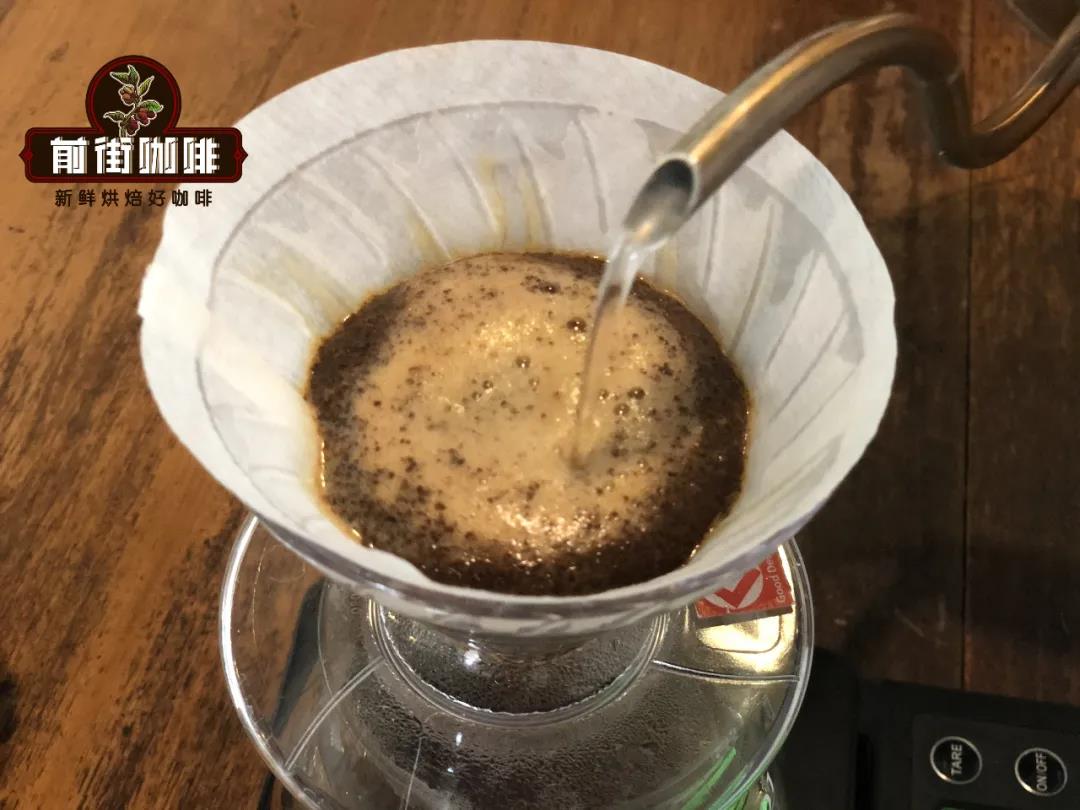
87°C Brewing Flavor: Lemon and a tea-like sensation on entry, with obvious acidity and a rounded mouthfeel; the overall layers are relatively thin.
90°C Brewing Flavor: Lemon, plum and Tieguanyin oolong tea on entry, with caramel flavours becoming obvious as the cup cools, bright acidity and a marked aftertaste.
94°C Brewing Flavor: Lemon and berries on entry, with obvious acidity, an enhanced body and a rich tea-like sensation.
Across the three temperatures, 90°C best expressed the bright fruit acidity and refreshing tea sensation of Yirgacheffe Werka. The 87°C brew had weak layering and insufficient flavour definition, while 94°C, though it raised the body, lost some brightness in the acidity.
FrontStreet Coffee Recommendation
The most direct way to compare with Werka is FrontStreet Coffee's everyday washed Yirgacheffe, the classic introduction to the Ethiopian region. It is known for white jasmine, bright citrus and lemon acidity and a tea-like body, and its accessible price makes it the first specialty bean for many drinkers. For a step up in precision, FrontStreet Gutingding Cooperative comes from the Gotiti village in the Woka district at the southeastern edge of Yirgacheffe, once part of the YCFCU's Woka cooperative and later recognised as a single origin in its own right. Its traditional washed processing strips the fruit before drying, sharpening the bean's inherent aromas into citrus and lemon notes and an elegant white floral character.
If you prefer a natural coffee, FrontStreet Natural Red Cherry comes from the same region using fully ripe red cherries only. After harvest the cherries are screened, spread on raised beds and dried for three to five weeks, turned every two to three hours early on to avoid uneven heat and over-fermentation, then machine-depulped and stored. Because the fruit dries around the bean, the coffee keeps the classic Yirgacheffe character while gaining the tropical fruit of natural processing: citrus acidity, berry juice, honeyed sweetness and a creamy smoothness.
For brewers, FrontStreet Coffee suggests a V60 at 90-91°C, 15g of coffee to 225g of water (1:15) and a grind of EK43s setting 10, roughly fine sugar, passing 80% of a #20 sieve. Pour 30g of water for a 30-second bloom, then add 95g (about 125g on the scale) over roughly a minute; when the water drops to two-thirds of the bed, add the remaining 100g (about 225g on the scale) over about 35 seconds, finishing the drawdown in 2 to 2 minutes 10 seconds.
Important Notice :
FrontStreet Coffee is a long-established specialty coffee roaster in Guangzhou China, selling freshly roasted beans from its own farm in Yunnan as well as dozens of carefully selected single-origin beans from around the world for both pour-over and espresso. The products deliver consistently excellent quality and great value, with shipping within 24 hours. Guangzhou's FrontStreet Coffee shop is recommended by many coffee lovers, and the beans are now available online at the Tmall 。
FrontStreet Coffee has moved to a new address:
FrontStreet Coffee Address: 315,Donghua East Road,GuangZhou
Tel:020 38364473
 Scan and follow the En Gafei WeChat official account. Please indicate that the reprint comes from "En Gafei".