How to Brew Biloa Coffee with Yirgacheffe and Sidamo Regional Flavors?
Professional Coffee Knowledge Exchange
For more coffee bean information, follow Coffee Workshop (WeChat public account: cafe_style).
When the conversation turns to Ethiopia's coffee regions, Yirgacheffe and Sidamo always occupy a special place in drinkers' hearts. After cupping beans from both, FrontStreet Coffee found that Yirgacheffe brings a subtle floral aroma and a clean, refreshing palate—light and fresh is the best way to put it. Sidamo, by contrast, feels rich and full, like a pile of mixed fruit finally bursting and releasing its juice in the mouth.
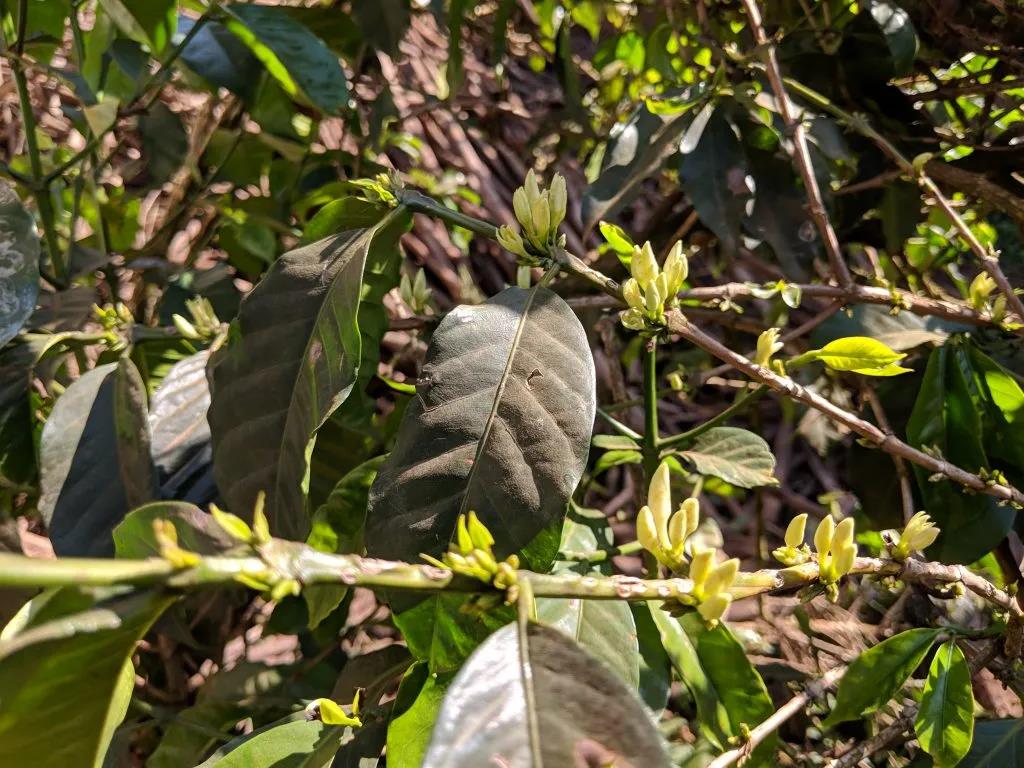
Is there a bean that offers both? Yes. FrontStreet Coffee cupped a coffee from Ethiopia's Biloa area and found it carries the floral notes and citrus acidity of Yirgacheffe while also delivering the fullness and fermented depth that Sidamo brings to the palate.
Beloya Coffee Region
To understand Beloya, you first have to understand Kochere. Kochere is a small sub-region about 25 kilometers southeast of Yirgacheffe. The coffee here is grown by a great many individual smallholders, whose plots average about 1 hectare, planted between 1,900 and 2,000 meters. It belongs to the Gediyo part of Yirgacheffe and is one of the region's most important producing areas.
The Beloya processing station takes its name from its location, the small town of Kore Biloya, in the Kochere sub-region of the Yirgacheffe coffee area within the Gediyo district. The coffee at Beloya comes from 211 nearby small farmers who grow, harvest, and deliver it themselves, and it grows at high altitudes between 1,870 and 2,100 meters.
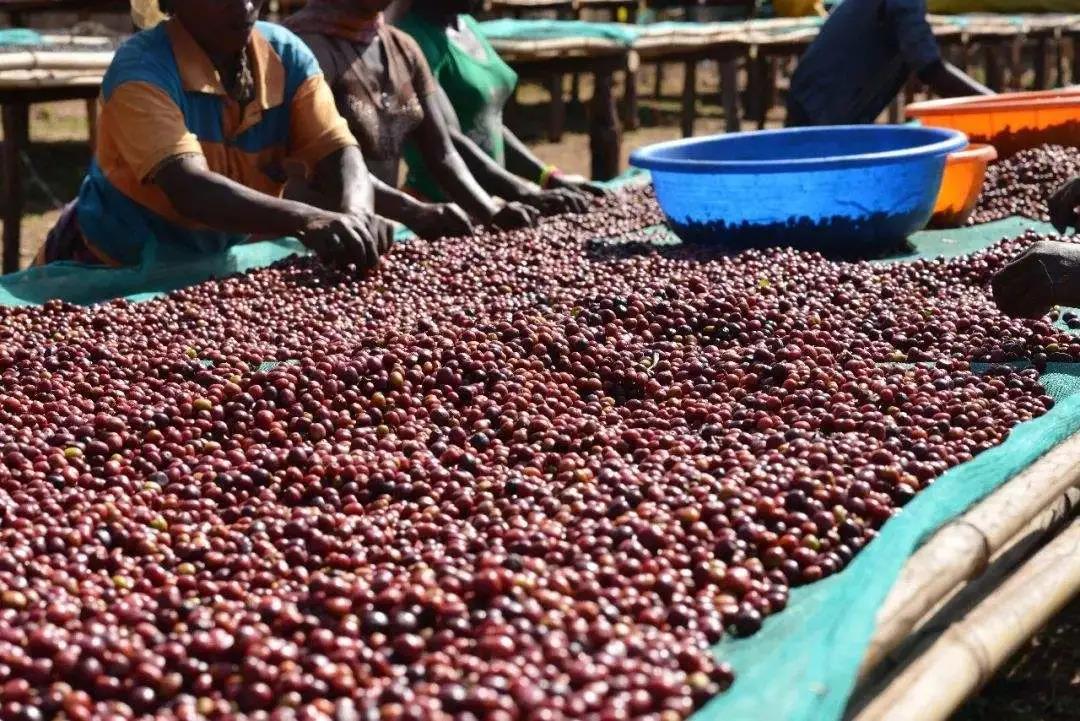
The Beloya processing station was built in 2001 and can process close to one million kilograms of coffee cherries a year. Its 138 raised drying beds cover 2.5 hectares, on a site of 1,700 square meters. To lift overall quality, the station encourages farmers to bring in their best coffee by offering prizes and rewards to those delivering the highest quality.
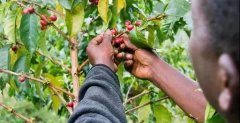
Like most growers elsewhere in Ethiopia, farmers near Beloya plant coffee alongside other crops such as bananas and corn. The hills here are densely forested, and the distinctive trees provide good shade for the native Arabica varieties grown underneath.
Coffee Bean Varieties
This coffee is Ethiopia's native heirloom. Most Ethiopian varieties are labeled that way simply because there are too many of them—the country is effectively a natural gene bank for Arabica. The sheer number makes identification and classification difficult, and the Ethiopian government, for protection reasons, is unwilling to disclose the details, so they are grouped together as "Heirloom."
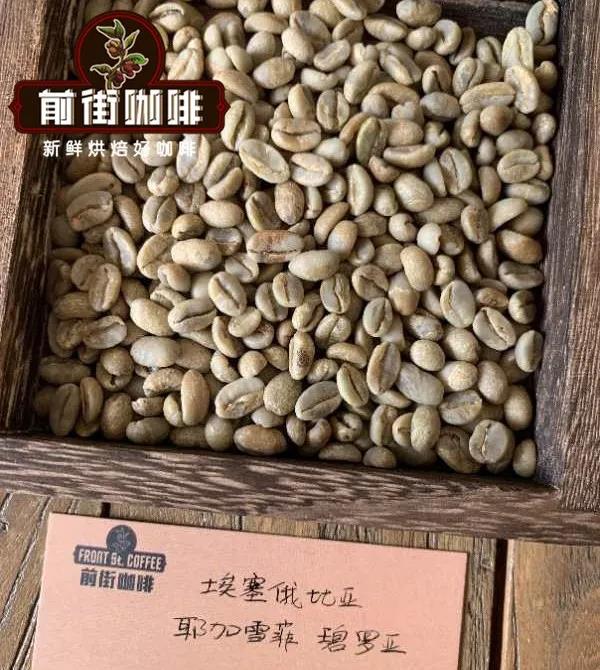
Why do Ethiopian beans come in so many sizes? Because the varieties are complex and the trees are mixed-planted. FrontStreet Coffee calls this "natural blending." Each variety produces beans with its own character and size, and farmers harvest everything together, so the result is a lot of uneven bean sizes.
Coffee Bean Processing Method
This batch is naturally sun-dried on raised beds. During the harvest season, from October to mid-January, farmers bring freshly picked red cherries from the trees to the washing station, where visual inspection confirms that every bag contains only red cherries.
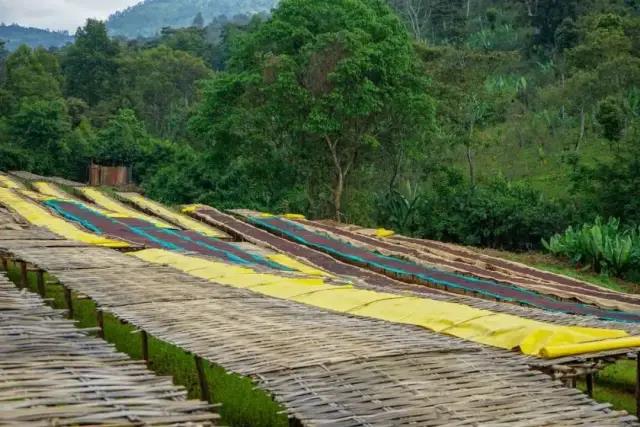
Cherries delivered to the station are first sorted by hand to remove less dense, defective fruit. The good cherries are then spread evenly on raised drying beds and sun-dried for roughly 21 days, down to a moisture content of about 12%. Throughout the drying period, Beloya staff inspect the beds and remove over-fermented and mold-infected cherries so that every bean that results is of specialty quality. FrontStreet Coffee believes naturally processed coffee shows pronounced sweetness, gentle acidity, and more complex fruit flavors.
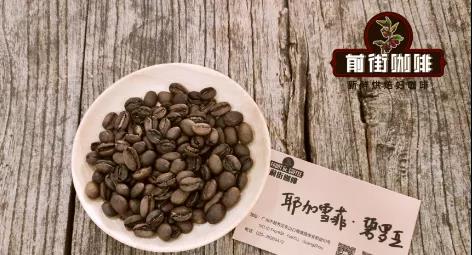
Origin: Ethiopia
Region: Yirgacheffe, Kochere
Processing Station: Beloya
Altitude: 1870-2100m
Variety: Local Heirloom
Processing Method: Natural Processing
FrontStreet Coffee Roasting Insights
To highlight the bright citrus and berry acidity of Yirgacheffe and the extra sweetness that natural processing brings, FrontStreet Coffee's roaster gave this bean a medium-light roast.
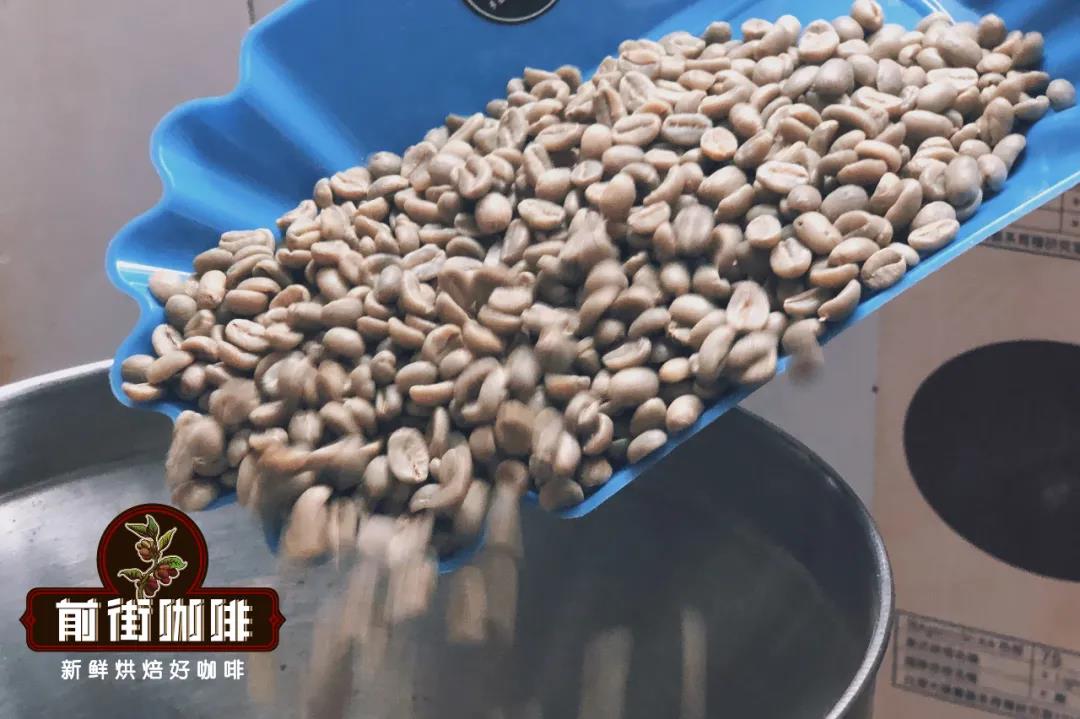
Yangjia 800N, bean input 480g: heat to 165°C, damper open to 3, heat at 130. Return temperature point: 1'32". The temperature rises to 115°C and the damper opens to 4. At 5'50" and 151.5°C the bean surface turns yellow, the grassy smell disappears completely, and dehydration is complete. When ugly wrinkles and black spots appear on the surface and the toast aroma turns clearly to coffee aroma, that marks the prelude to first crack—listen closely from there. First crack begins at 9'15"; the damper stays as it is, heat is reduced to 90 at 181°C, and after 1'28" of development the beans are dropped at 195°C.
FrontStreet Coffee Cupping Report
FrontStreet Coffee cups its sample roasts within 8–24 hours of roasting. The baristas typically use 200ml ceramic cupping bowls marked at 150ml and 200ml. Following SCAA standards, water TDS is around 150ppm—too low easily causes over-extraction, while too high affects mouthfeel and can cause under-extraction. Cupping water temperature is 94°C. The grind follows SCAA cupping standards, controlled to 70%–75% passing a #20 standard sieve (0.85mm). The ratio is 11g of coffee to 200ml of hot water, or 1:18.18, which puts the extracted concentration within the golden cup range of 1.15%–1.35%. Steeping time is 4 minutes.

Dry Aroma: Roasted almonds
Wet Aroma: Rose
Flavor: Floral, citrus, strawberry, honey, jackfruit
FrontStreet Coffee Brewing Insights
For medium-light roasts, FrontStreet Coffee recommends a brewing temperature of 90–91°C. A higher temperature draws out the aromatic compounds and the acidity—fruit and floral aromas, fruit acidity—of a light roast. Because medium-light beans are denser, raising the temperature also improves extraction efficiency and helps avoid unpleasant notes such as sharp acidity. The V60's conical shape and large opening, together with its spiral ribs, let air escape more easily and improve extraction quality. The body may not be especially rich, but the higher concentration delivers distinct sweetness and acidity with clear aromatics—that is its defining strength.
Filter: V60 #01
Dose: 15g
Ratio: 1:15
Grind: BG6m (80% pass-through through #20 sieve)
Temperature: 90-91°C
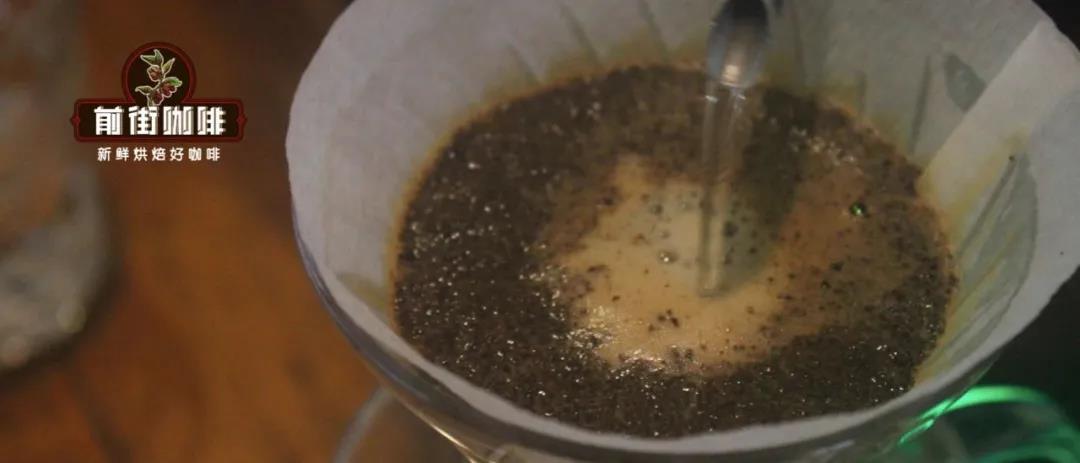
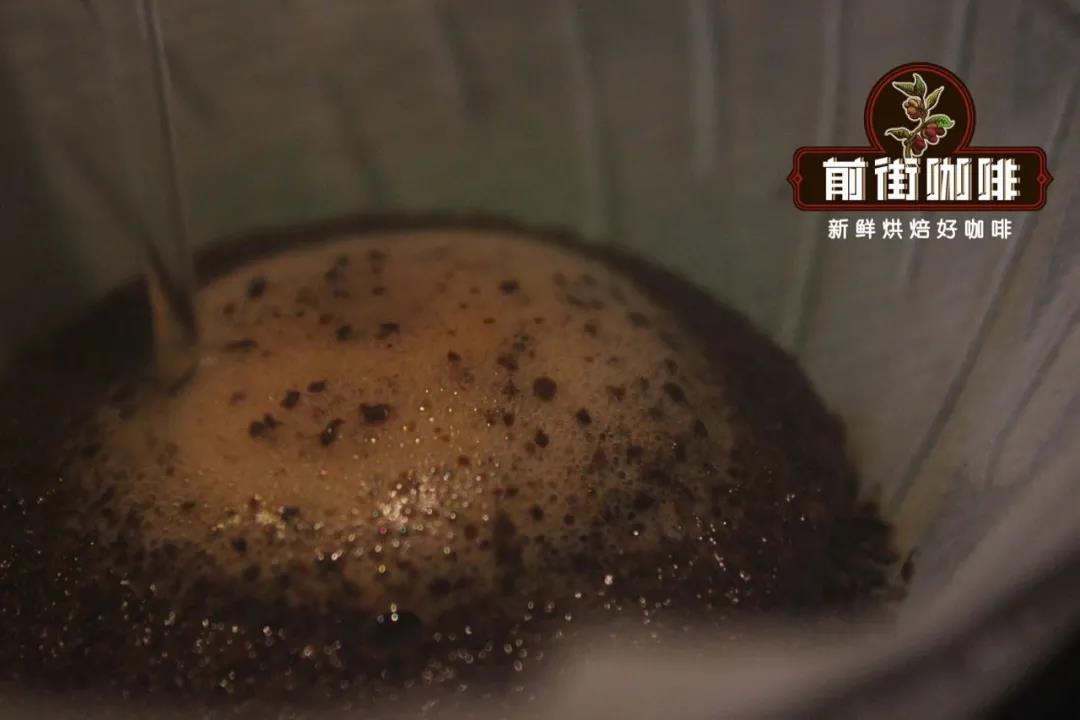
FrontStreet Coffee uses segmented extraction, also called three-stage brewing: 30g of water for a 30-second bloom, then a small circular pour to 125g; when the water level drops and the coffee bed is about to be exposed, continue pouring to 225g and stop. When the bed is about to be exposed again, remove the dripper. Timing starts from the bloom; total extraction time is 1'55"–2'00".
Brewing Flavor: Lavender aroma, roses, a full berry juice sensation, citrus acidity, honey, and an almond aftertaste.
For more specialty coffee beans, add the private WeChat of FrontStreet Coffee, WeChat ID: kaixinguoguo0925.
FrontStreet Coffee Recommendation
If Beloya's balance of Yirgacheffe florals and Sidamo fullness is what you are after, the rest of FrontStreet Coffee's Yirgacheffe range explores the same territory from different angles. The washed Yirgacheffe daily drinker is the classic entry: white jasmine, bright citrus and lemon acidity, and a tea-like body, at a price that makes it a natural first specialty bean. Yirgacheffe itself is a town in southern Ethiopia's Sidama zone at roughly 1,700–2,100 meters, with coffee planted above 1,800 meters, making it one of the highest coffee regions in the world.
For a single-village expression, FrontStreet Coffee's Gidding Cooperative coffee comes from the Worka area at the southeastern edge of Yirgacheffe—originally part of the YCFCU-affiliated Worka cooperative and later separated out as a single origin as the demand for traceability grew. It follows the most traditional washed method and carries no bitterness, showing fresh, bright citrus and lemon acidity with jasmine fragrance. FrontStreet Coffee's Sun-Dried Red Cherry runs the other direction: only fully ripe, sound cherries are picked, given a first sorting at the mill, then dried on raised beds with turning every two to three hours in the first days to prevent uneven heating and over-fermentation. After three to five weeks the pulp is scraped off and the coffee goes into storage. Because the fruit dries on the bean, it keeps the classic Yirgacheffe character while adding tropical fruit, citrus acidity, a berry juice quality, honey sweetness, and a creamy smoothness.
For brewing these coffees, FrontStreet Coffee suggests a V60 at 90–91°C, 15g of coffee, and a 1:15 ratio, ground to an EK43s setting of 10—about fine caster sugar, or 80% passing a No. 20 sieve. Pour 30g for a 30-second bloom, then pour in small circles to 95g (about 125g on the scale), finishing that pour in roughly a minute; when the water drops to two-thirds of the bed, add the remaining 100g (about 225g on the scale) and finish pouring at about 1'35". The bed should finish draining in 2:00–2:10, at which point you remove the dripper.
Important Notice :
FrontStreet Coffee is a long-established specialty coffee roaster in Guangzhou China, selling freshly roasted beans from its own farm in Yunnan as well as dozens of carefully selected single-origin beans from around the world for both pour-over and espresso. The products deliver consistently excellent quality and great value, with shipping within 24 hours. Guangzhou's FrontStreet Coffee shop is recommended by many coffee lovers, and the beans are now available online at the Tmall 。
FrontStreet Coffee has moved to a new address:
FrontStreet Coffee Address: 315,Donghua East Road,GuangZhou
Tel:020 38364473
 Scan and follow the En Gafei WeChat official account. Please indicate that the reprint comes from "En Gafei".