Black Coffee: Pure Black Coffee Brewing Methods & Black Coffee Bean Recommendations
When people hear "black coffee," their first thought is often bitterness and astringency, or Americano and nothing else. Americano has indeed become more or less synonymous with black coffee. A few years ago, before the specialty coffee market had developed, the beans used for Americanos were generally poor, and the result was a bitter, astringent cup with no discernible flavor. In recent years, as specialty coffee has spread, the beans going into Americanos have improved markedly, and more single-origin specialty coffees have come into view. There are now many ways to make black coffee, so FrontStreet Coffee looks here at what those methods are.
What is Black Coffee?
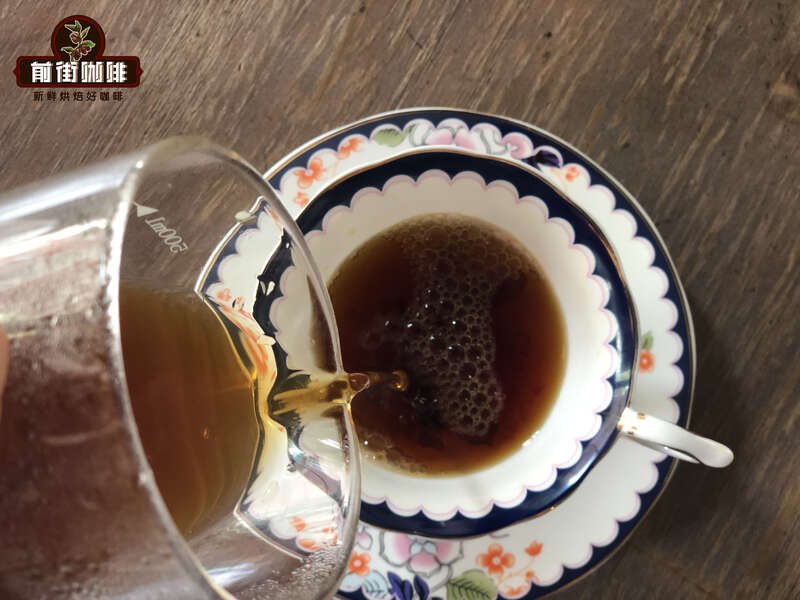
Black coffee is coffee made with nothing but coffee beans and potable water - no sugar, no milk. Because the brewed liquid is dark in color, it is commonly called black coffee. There are many kinds on the market today; FrontStreet Coffee currently offers espresso, Americano, pour-over coffee, and cold drip coffee.
Is Black Coffee Better When It's More Bitter?
The taste of coffee spans several dimensions: acidity, sweetness, bitterness, aftertaste, and body. Beans from different origins taste different once brewed. Beyond those inherent characteristics of the beans themselves, factors such as roast level, grind size, water temperature, brewing speed, and technique all shape the flavor of a cup.
Some origins, Mandheling among them, are known for a full body and a very pronounced bitterness. African beans, by contrast, tend to be more acidic, with bitterness less prominent.
How Do We Choose Black Coffee Beans That Suit Us?
FrontStreet Coffee offers two kinds of black coffee beans: single-origin beans and espresso blends. Single-origin coffee comes from a specific origin, region, or plantation and carries a distinctive flavor that reflects its local terroir. Espresso blends, also called composite coffees, combine several single-origin beans so their individual strengths can work together. By drawing on beans from different origins, a blend arrives at a more balanced flavor.
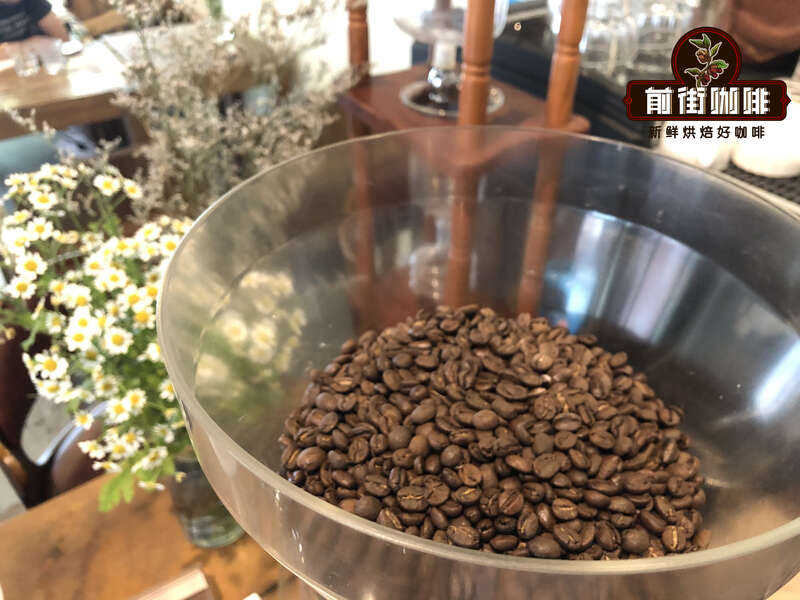
To make espresso, FrontStreet Coffee currently uses a blend of sherry barrel-processed coffee beans and natural-processed Yirgacheffe Red Cherry Project coffee beans. Sixty percent Honduran sherry barrel coffee adds flavor and body, while forty percent natural Yirgacheffe brings more aroma and acidity.
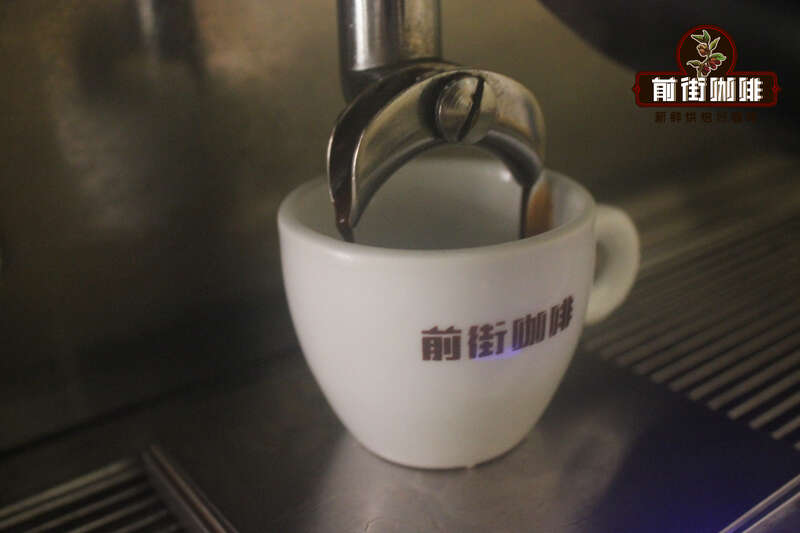
FrontStreet Coffee's Espresso Making Method
FrontStreet Coffee's Espresso Extraction Parameters:
Grinder: Feima 900N
Grind Size: 1.6
Pressure: 9 bar±2
Temperature: 90.5~96°C
Time: 20~30 sec
Dose: 20g (double espresso)
Extraction Yield: 40ml
Espresso Flavor: smooth texture and moderate body, with noticeable fruity acidity alongside subtle berry aromas, a whiskey fragrance, rich chocolate flavors, and a distinct aftertaste.
FrontStreet Coffee's Americano Making Method
After pulling espresso with the method above, FrontStreet Coffee makes iced Americano by combining espresso with ice water at a 1:7 ratio - that is, 40ml of single espresso with 280ml of ice water. For hot Americano the ratio is also 1:7: 20ml of single espresso with 140ml of hot water, or 40ml of double espresso with 280ml of hot water.
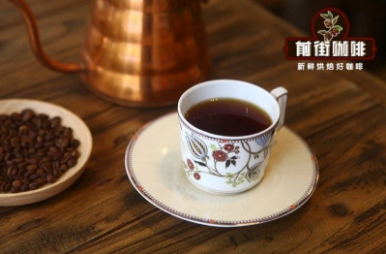
FrontStreet Coffee's Pour-over Coffee Making Method
For this pour-over demonstration, FrontStreet Coffee uses washed Ethiopia Yirgacheffe Gedeb.
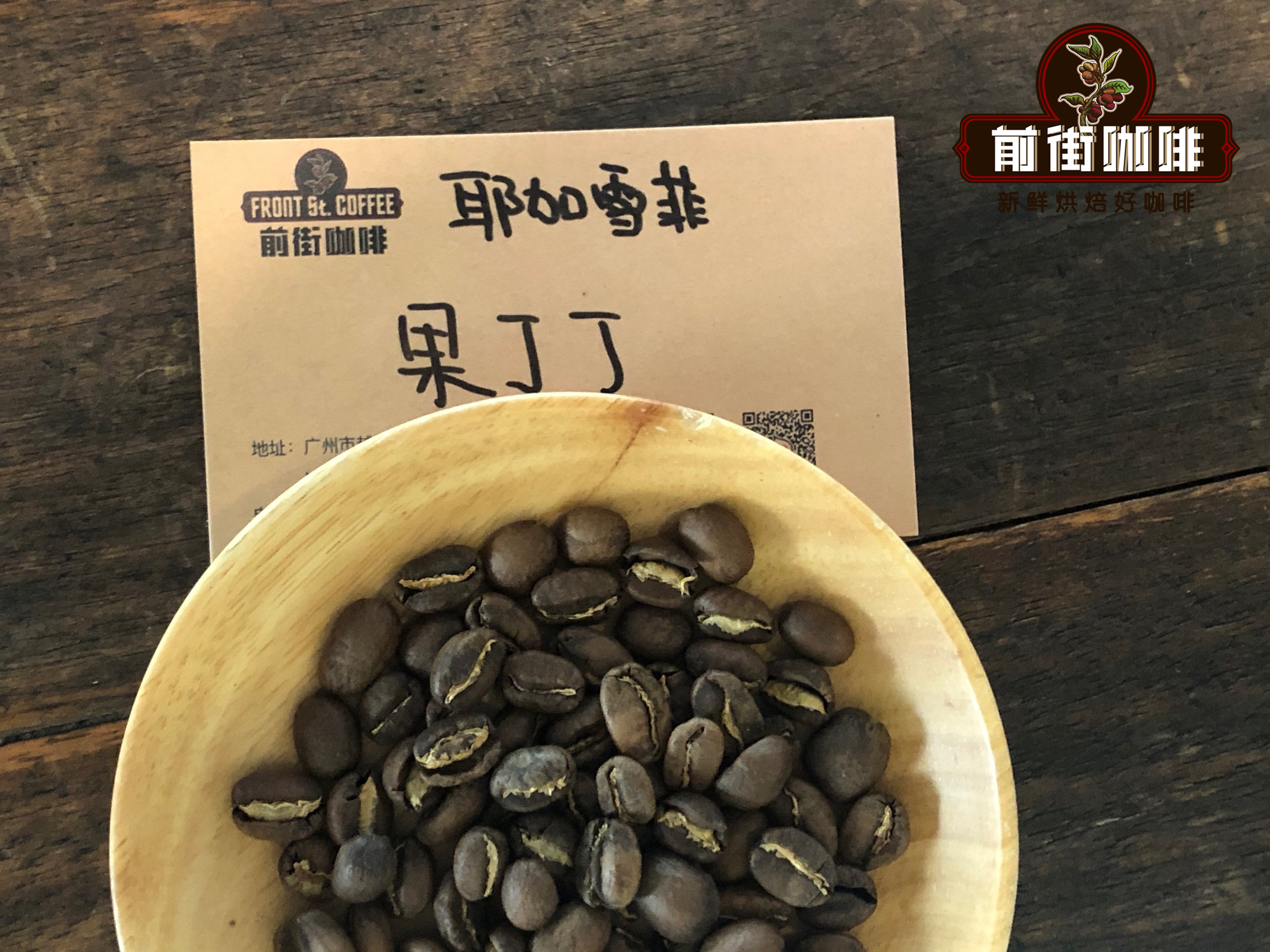
Region: Yirgacheffe Gedeo Zone
Altitude: 1900-2300m
Variety: Heirloom
Processing Method: Washed
Grade: G1
Dripper: HARIO V60
Water Temperature: 90-91°C
Grind Size: BG#6m (fine sugar size)
Coffee-to-Water Ratio: 1:15
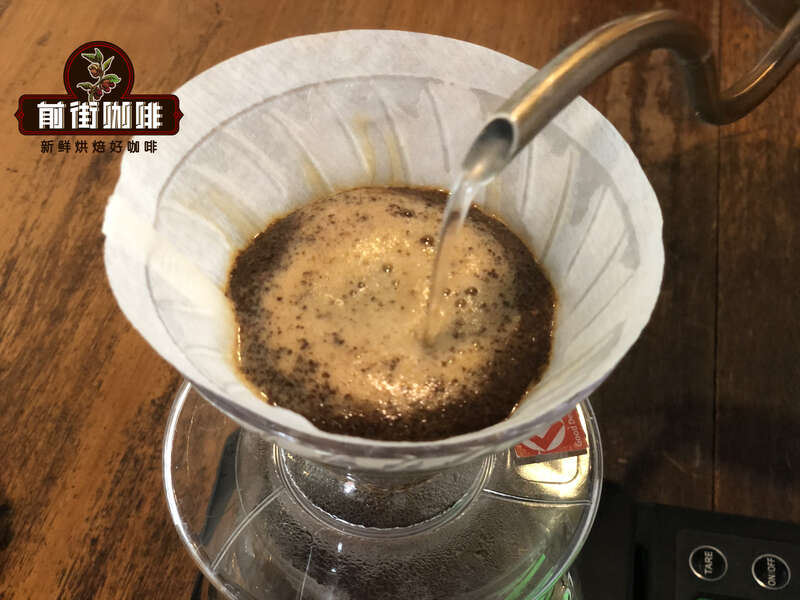
FrontStreet Coffee's Brewing Technique: First, pour 30g of water for a 30-second bloom. Then pour 95g more (the scale reads around 125g), finishing the pour in about 1 minute. When the water level drops to two-thirds of the coffee bed, pour the remaining 100g (the scale reads around 225g), finishing in about 1 minute 40 seconds. Dripping completes between 1'55" and 2'00". Remove the dripper and extraction is done.
Yirgacheffe Gedeb Brewing Flavor: bright citrus acidity, full-bodied berry juice, and a distinct oolong tea sensation.
FrontStreet Coffee's Cold Drip Coffee Making Method
Cold drip coffee is brewed over time. Its taste shifts with the water temperature used, and coffee's astringent compounds are less likely to be extracted at low temperatures. Cold extraction means a long contact between water and grounds at low temperature, during which only the smaller flavor molecules such as floral and fruity aromas come out, while larger molecules like smoky and roasted notes resist extraction. That is why cold brew lets you taste the coffee bean's inherent flavors, with a smooth texture, distinct layers, and a noticeable aftertaste.
Ice water drives the long extraction, and once extraction is complete the coffee goes into the refrigerator to ferment. After a slight fermentation, the cold drip coffee picks up a subtle fermented aroma and a richer texture.
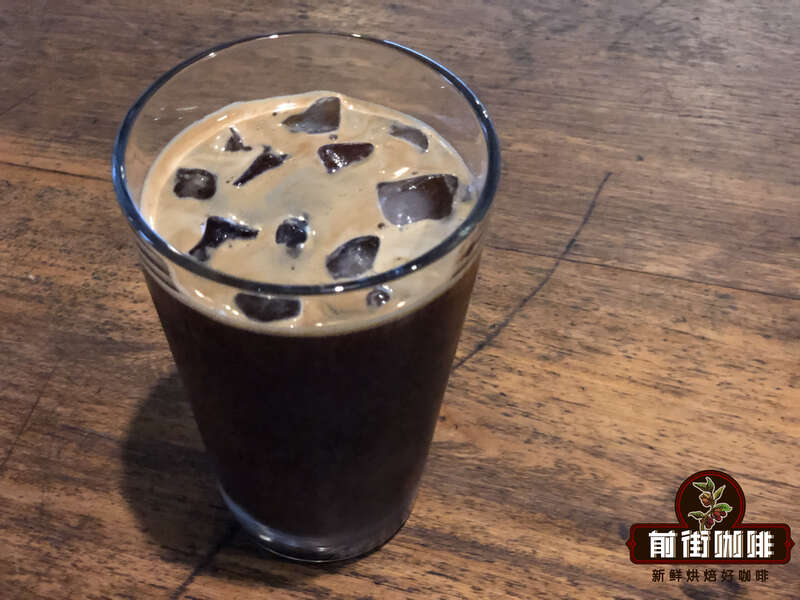
FrontStreet Coffee's Cold Drip Making Parameters
Ratio: 1:10 (60g coffee grounds to 600ml ice water)
Ice Water Preparation: 1:1 ratio of edible ice to potable water
Grind Size: Coarse sugar size (slightly coarser than a medium roast pour-over grind)
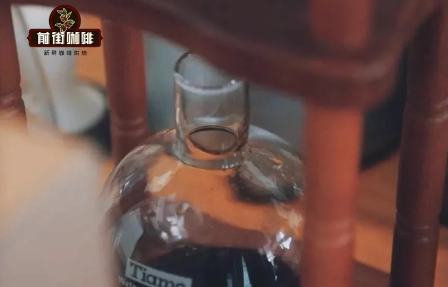
FrontStreet Coffee's Cold Drip Coffee Making Steps
1. Place a circular filter paper in the bottom of the coffee chamber, wet it so it adheres to the chamber wall, add 60g of ground coffee, then level the surface. You can also use the weight of a tamper to press the coffee bed lightly and even out the surface.
2. Place a filter paper on top of the grounds. The tension of the paper lets water distribute evenly across the bed for extraction. Without it, water dripping for a long time would bore a hole through the coffee bed.
3. Use ice water to moisten the entire coffee bed. This step works like the bloom in pour-over, improving extraction efficiency and the consistency of the final result.
4. Add the 1:1 mixture of ice water to the drip bottle and adjust the dripping speed. FrontStreet Coffee suggests 7 drops every 10 seconds.
5. Once brewing is complete, pour the coffee into a clean, sealed bottle free of water and oil, and place it in the refrigerator to oxidize. This lets the cold drip coffee's flavor molecules open up before you taste it.
FrontStreet Coffee Recommendation
If your idea of a good black coffee is a rich, low-acid cup, Mandheling from Sumatra is the classic answer. FrontStreet Coffee's PWN Golden Mandheling is the top expression of the style. It comes from Indonesia's PWN, which applies exceptionally strict standards: beans must be 18 mesh or larger, with fewer than 3 defective beans per 300g green sample, and the lot must meet the highest G1 grade. On top of that, the beans pass through three rounds of hand sorting that remove defects entirely, which lifts the cleanliness and the intensity of the sweetness. Those standards also explain why Golden Mandheling's quality is high and its supply limited - most of it is sold to the Japanese and American markets, so only a small amount of genuine Golden Mandheling reaches the domestic market each year.
Golden Mandheling is made for pour-over. FrontStreet Coffee suggests water at 87-88°C, 15g of coffee, a 1:15 ratio, and a grind the texture of coarse sugar, poured in three stages. Splitting the water into three pours brings out its full body and its caramel sweetness: a 30ml bloom to fully wet the grounds and let them degas, a second pour of 100ml to push out the golden foam and lift the bed, and a final gentle 95ml pour down the center to raise the sweetness. The result shows a thick, full body with caramel sweetness and notes of chocolate and nuts.
If you want Sumatra's character in milk drinks as well, FrontStreet Coffee's House Blend adds medium-dark Mandheling to the creamy, nutty base of Brazilian coffee. Butter, roasted chestnut, and caramel come forward, while Mandheling raises the overall body and lends distinctive sandalwood, herbal, and spice notes. A small amount of Robusta is added to boost the richness of the crema, so it handles latte art or a layered Dirty with ease.
Important Notice :
FrontStreet Coffee is a long-established specialty coffee roaster in Guangzhou China, selling freshly roasted beans from its own farm in Yunnan as well as dozens of carefully selected single-origin beans from around the world for both pour-over and espresso. The products deliver consistently excellent quality and great value, with shipping within 24 hours. Guangzhou's FrontStreet Coffee shop is recommended by many coffee lovers, and the beans are now available online at the Tmall 。
FrontStreet Coffee has moved to a new address:
FrontStreet Coffee Address: 315,Donghua East Road,GuangZhou
Tel:020 38364473
 Scan and follow the En Gafei WeChat official account. Please indicate that the reprint comes from "En Gafei".