Espresso Coffee Caffeine: Which Has More Caffeine - Espresso or Pour-Over Coffee?
Many customers shuffle into FrontStreet Coffee in the morning half-asleep, saying, "I'll have a latte with extra espresso shots — I'm exhausted." Plenty of people believe more espresso means more wakefulness, but is that actually true? This time, FrontStreet Coffee takes a close look at the caffeine in espresso.
What Determines Caffeine Content?
Caffeine content depends first on the variety of the beans. Arabica beans contain roughly 0.8%-1.5% caffeine; Robusta beans contain 1.7%-3%.
Does Roast Level Affect Caffeine Content in Coffee Beans?
While researching this topic, FrontStreet Coffee found that coffee professionals had already run experiments more than a decade ago, roasting the same bean variety across roast levels from 5-25 minutes — extremely light (JQ), light (Q), light-medium (QZ), medium (Z), medium-dark (ZS), dark (S), extremely dark (JS), and French roast (FZ). Analyzing the various chemical changes, they discovered that whether light or dark roasted, caffeine content didn't change significantly, holding steady at around 1.4%.
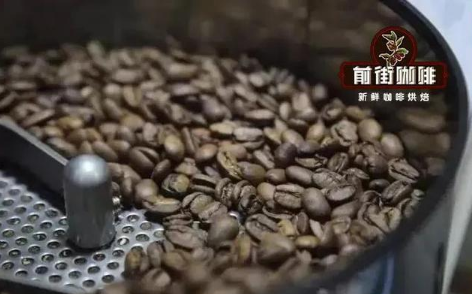
Therefore, the caffeine in a cup of coffee depends on the brewing method.
Espresso Caffeine Content
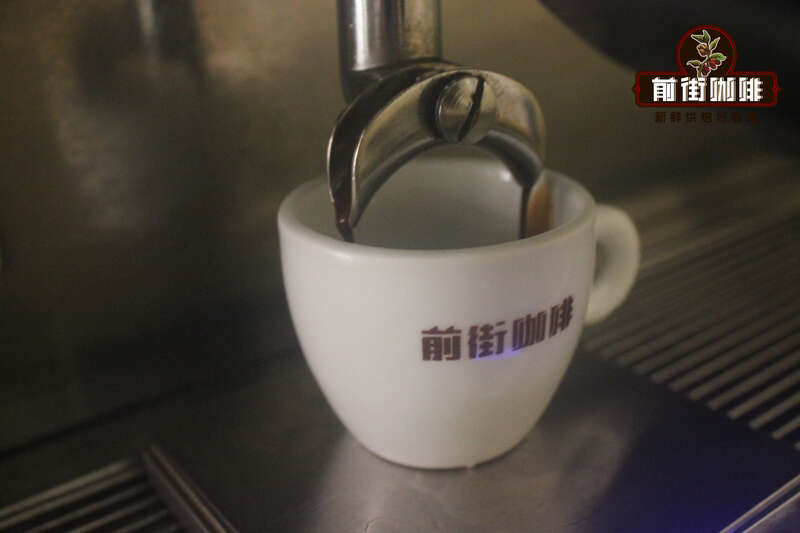
Many people assume a cup of espresso contains more caffeine than a cup of drip coffee. That's actually wrong. A 30ml shot of espresso contains 64-75mg of caffeine — less than a single cup of drip coffee.
What's more, espresso is typically diluted with water, milk, or cream to make Americanos and milk-based drinks. A large latte holds 591ml and contains 3 shots of espresso, which works out to 225mg of caffeine. A drip coffee of the same size contains almost twice as much.
Drip Coffee (Pour-Over Coffee) Caffeine Content
The caffeine in drip (pour-over) coffee varies with brewing method, cup size, and concentration. A 237ml cup of drip coffee contains approximately 95-163mg of caffeine — 1.5-2 times more than espresso! So for customers who truly need a jolt, FrontStreet Coffee recommends a hand-poured coffee made with freshly roasted beans to start the day right.
FrontStreet Coffee currently blends sherry barrel-processed beans with natural-processed Yirgacheffe Red Cherry Project beans for its espresso. Sixty percent Honduran sherry barrel beans provide flavor and body, while forty percent natural Yirgacheffe contributes more aroma and acidity.
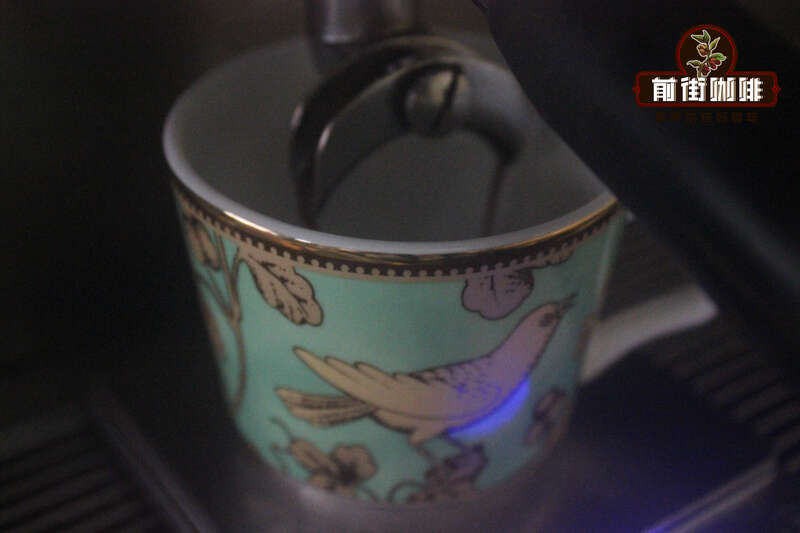
FrontStreet Coffee Espresso Extraction Parameters:
Grinder: Feima 900N
Grind size: 1.6
Pressure: 9 bar±2
Temperature: 90.5~96°C
Time: 20~30 sec
Dose: 20g (double shot)
Yield: 40ml
Espresso Flavor Profile:
Smooth texture with medium body, entering with noticeable fruit acidity accompanied by subtle berry aroma, whiskey fragrance, rich chocolate flavor, and a distinct sweet aftertaste.
FrontStreet Coffee Pour-Over Recommendation - Costa Rica Mirasu Estate Geisha Blend
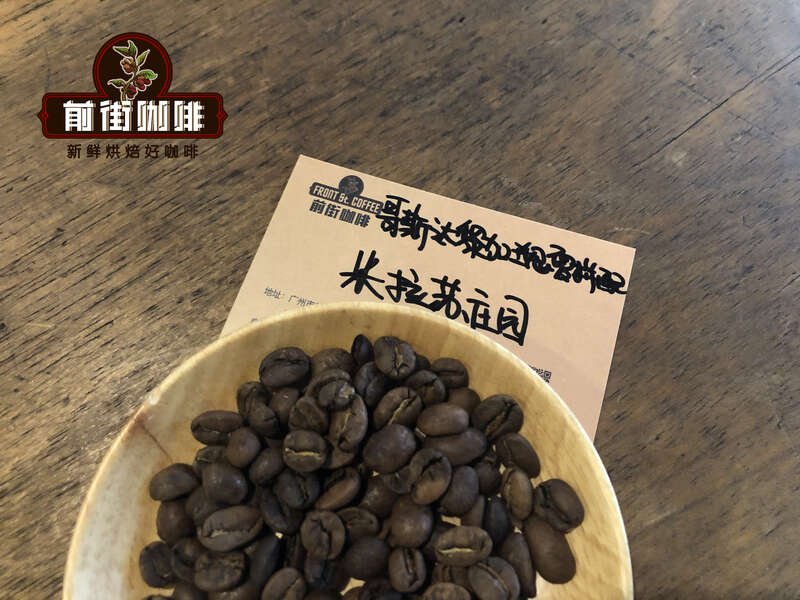
Estate: Mirasu Estate
Altitude: 1700m
Processing: Raisin honey process
Varieties: Geisha, ET47, SL28, MACIO
FrontStreet Coffee Brewing Parameters:
Dose: 15 grams
Water temperature: 90-91°C
Grind size: BG#6m (fine sugar size)
Ratio: 1:15
FrontStreet Coffee Brewing Method:
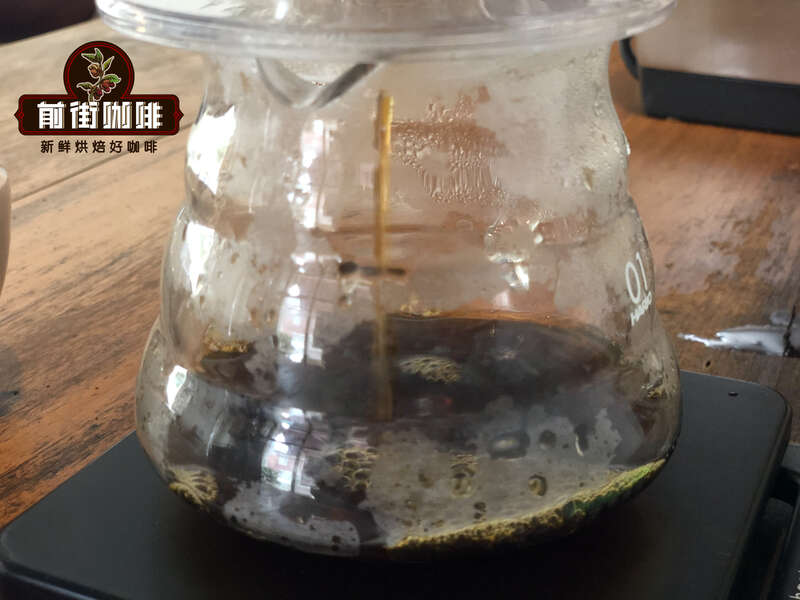
First pour 30g of water for a 30-second bloom, then pour 95g more (scale shows approximately 125g), completing the pour in about 1 minute. When the water level drops to 2/3 of the coffee bed, pour the remaining 100g (scale shows approximately 225g), completing in about 1 minute 40 seconds. Finish dripping between 1'55''-2'00'', remove the filter cone, and complete extraction.
Brewing Flavor:
Fresh jasmine fragrance, raisin fermentation aroma, citrus acidity, raisin sweetness, and smooth texture.
FrontStreet Coffee Recommendation
Why the V60 pairs so well with pour-over beans. Ask an experienced friend for an easy-to-use, good-looking pour-over dripper, and the odds are high they'll point you to the V60. Its designer, Hario, was founded in 1921 in Tokyo as a respected maker of laboratory-grade heatproof glass (its heat-resistant server remains a pour-over staple). In 2004 Hario redesigned the V60's prototype into the form we know today, named for its distinctive 60° cone angle and "V" shape, and released it a year later. The cone and 60° angle force water to flow toward the center before dripping through, extending water-grounds contact for fuller extraction of aroma and flavor, while the signature single large outlet leaves the flow rate entirely to the brewer's control — which shows up directly in the cup.
Lighter roasts, brighter character. Before the millennium, medium-dark roasts ruled, with brews prized for body, sweetness, and caramelized dark-roast flavors like chocolate, maple, nuts, and vanilla — the territory of siphon and flannel brewing, exemplified by classics like FrontStreet Blue Mountain No.1 and FrontStreet PWN Golden Mandheling. With the third wave of coffee, drinkers began chasing terroir — Ethiopian white florals, Kenyan berry acidity — roasting shifted lighter, and the V60's fast extraction became the perfect vehicle for florals, fruit acidity, delicate sweetness, and tea-like notes. Floral-fruity beans are made for it: FrontStreet Chelbesa (Guodingding) with its classic Yirgacheffe profile; the tropical-fruit-packed FrontStreet Guji Hambela Huakui; the Geisha-toned FrontStreet Strawberry Sugar; and the raisin-honey FrontStreet Mozart.
Pour-over picks by roast level. For light roasts: FrontStreet Yirgacheffe Chelbesa — the classic gateway bean with bright citrus, berries, florals, and a green-tea-like sweetness; FrontStreet Ethiopia Guji Hambela Huakui — one of the market's biggest stars, bursting with strawberry, passion fruit, jackfruit, even lychee, so juicy and sweet that fans call it "the least coffee-like coffee"; FrontStreet Panama Esmeralda Red Label Geisha — the legendary benchmark, with elegant jasmine, citrus, bergamot, and black tea in a clean, transparent, endlessly layered cup; FrontStreet Kenya Cherry Tomato — from Thika at 1550-1750 meters, SL28 and SL34 varieties given Kenya's signature 72-hour double-wash fermentation, tasting of cherry tomato, dark plum, snow pear, and black plum with yellow-sugar sweetness. For medium-dark roasts: FrontStreet PWN Indonesia Golden Mandheling — deep-roasted, low acidity, herbal and dark chocolate aromas with a faint earthiness; FrontStreet Brazil Fazenda Rainha — balanced and low-acid with nuts, cocoa, and caramel sweetness; FrontStreet Jamaica Blue Mountain No.1 — famed for its near-perfect balance of cream, caramel, chocolate, nuts, honey, and light fruit tones; FrontStreet Papua New Guinea Bird of Paradise — the "little Blue Mountain" Typica from Sigri at 1600-1800 meters, AA grade, triple washed-fermented, clean and sweet.
Important Notice :
FrontStreet Coffee is a long-established specialty coffee roaster in Guangzhou China, selling freshly roasted beans from its own farm in Yunnan as well as dozens of carefully selected single-origin beans from around the world for both pour-over and espresso. The products deliver consistently excellent quality and great value, with shipping within 24 hours. Guangzhou's FrontStreet Coffee shop is recommended by many coffee lovers, and the beans are now available online at the Tmall 。
FrontStreet Coffee has moved to a new address:
FrontStreet Coffee Address: 315,Donghua East Road,GuangZhou
Tel:020 38364473
 Scan and follow the En Gafei WeChat official account. Please indicate that the reprint comes from "En Gafei".