How Does Grind Particle Size Affect Pour-Over Coffee Flavor? Should You Include Fine Particles?
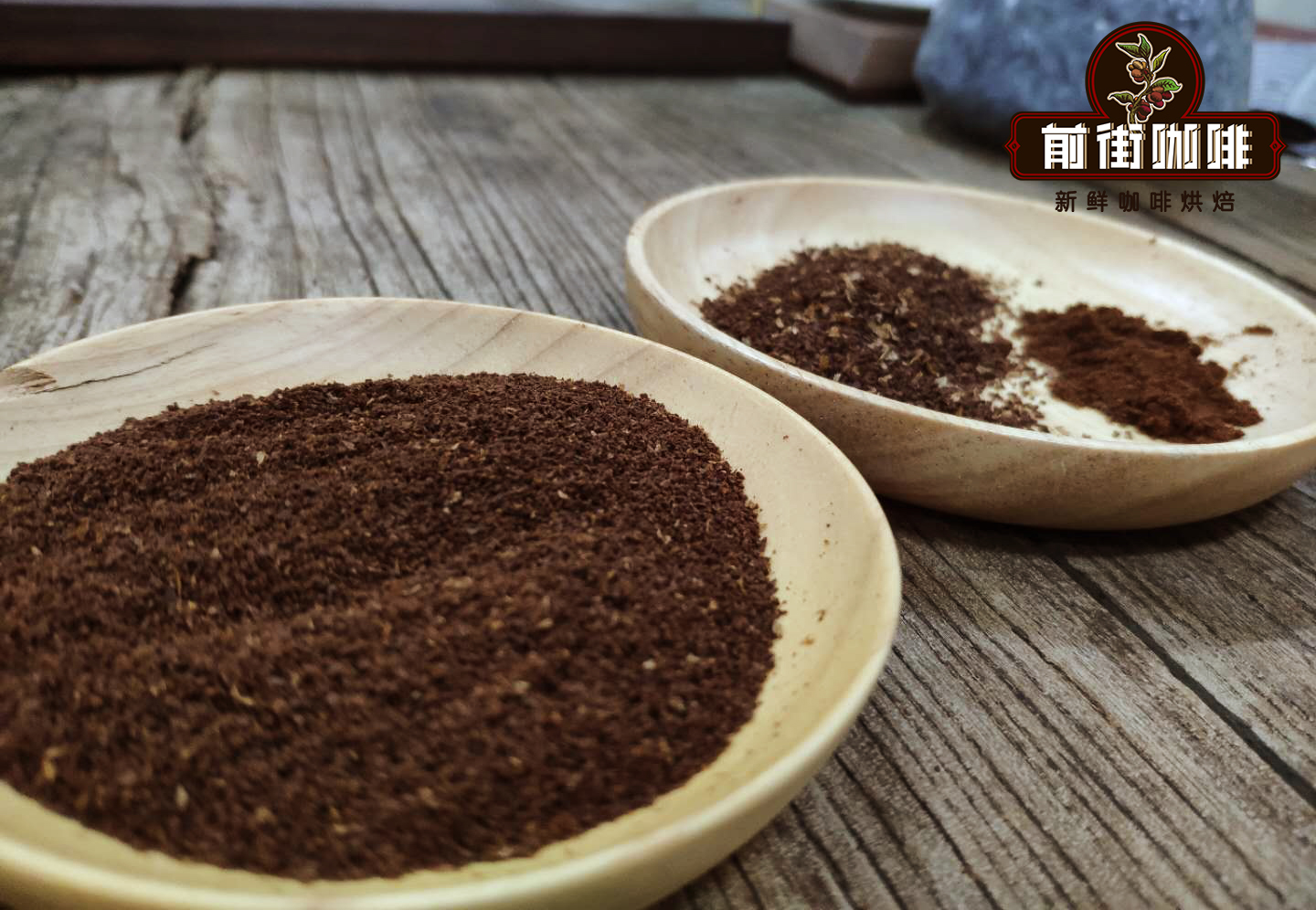
Grinding matters enormously in coffee, because particle size directly affects how efficiently hot water extracts from the grounds. In theory, the more uniform the particle distribution, the more consistent the overall extraction — and the better the flavor in the cup.
Experimental Design
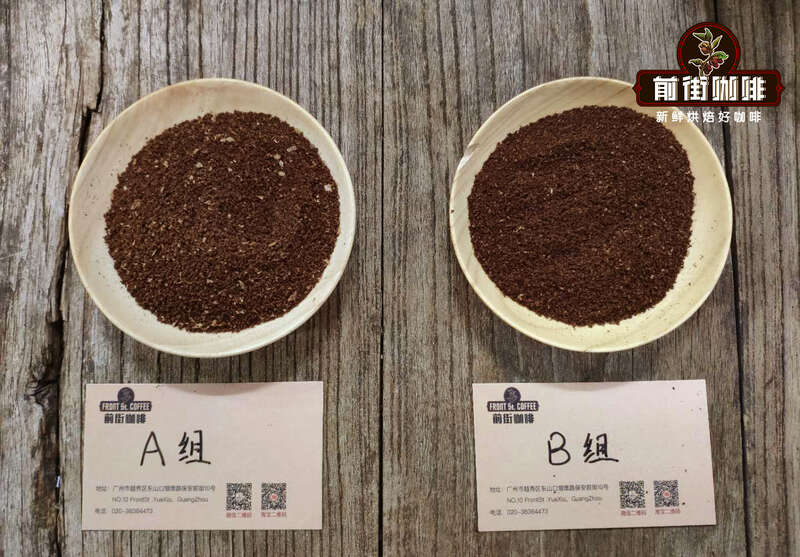
The variable in this experiment was particle uniformity, so two groups were set up: Group A and Group B.
| Group A | Group B |
|---|---|
| Grind size: 80% pass-through rate on a #20 standard sieve, meaning it contains 20% coarse particles larger than 850 microns plus a small amount of extremely fine particles smaller than 250 microns. | Using the same grind setting as Group A, but with more beans ground. Particles larger than 850 microns and smaller than 250 microns were sifted out, keeping only particles in the 250-850 micron range. |
All other brewing parameters were held constant:
| Parameter | Value |
|---|---|
| Coffee dose | 15g |
| Coffee-to-water ratio | 1:15 |
| Water temperature | 91°C |
| Dripper | V60#01 |
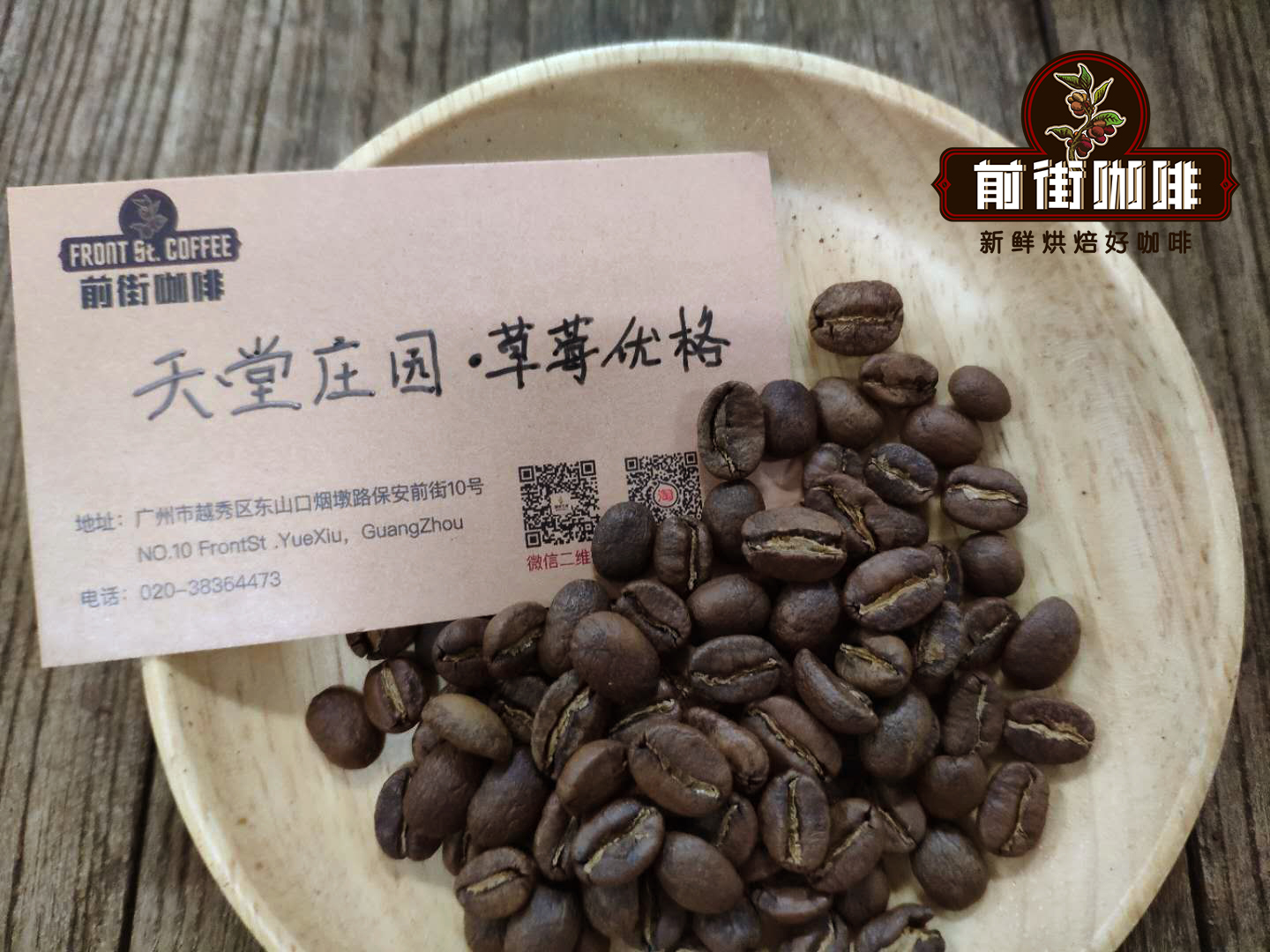
The experiment used FrontStreet Coffee's Colombia Paraiso Strawberry beans, with the following details:
| Origin | Colombia, Cauca |
|---|---|
| Estate | Paraiso Estate |
| Altitude | 2050m |
| Variety | Castillo |
| Processing | Double Anaerobic Washed |
Brewing Process
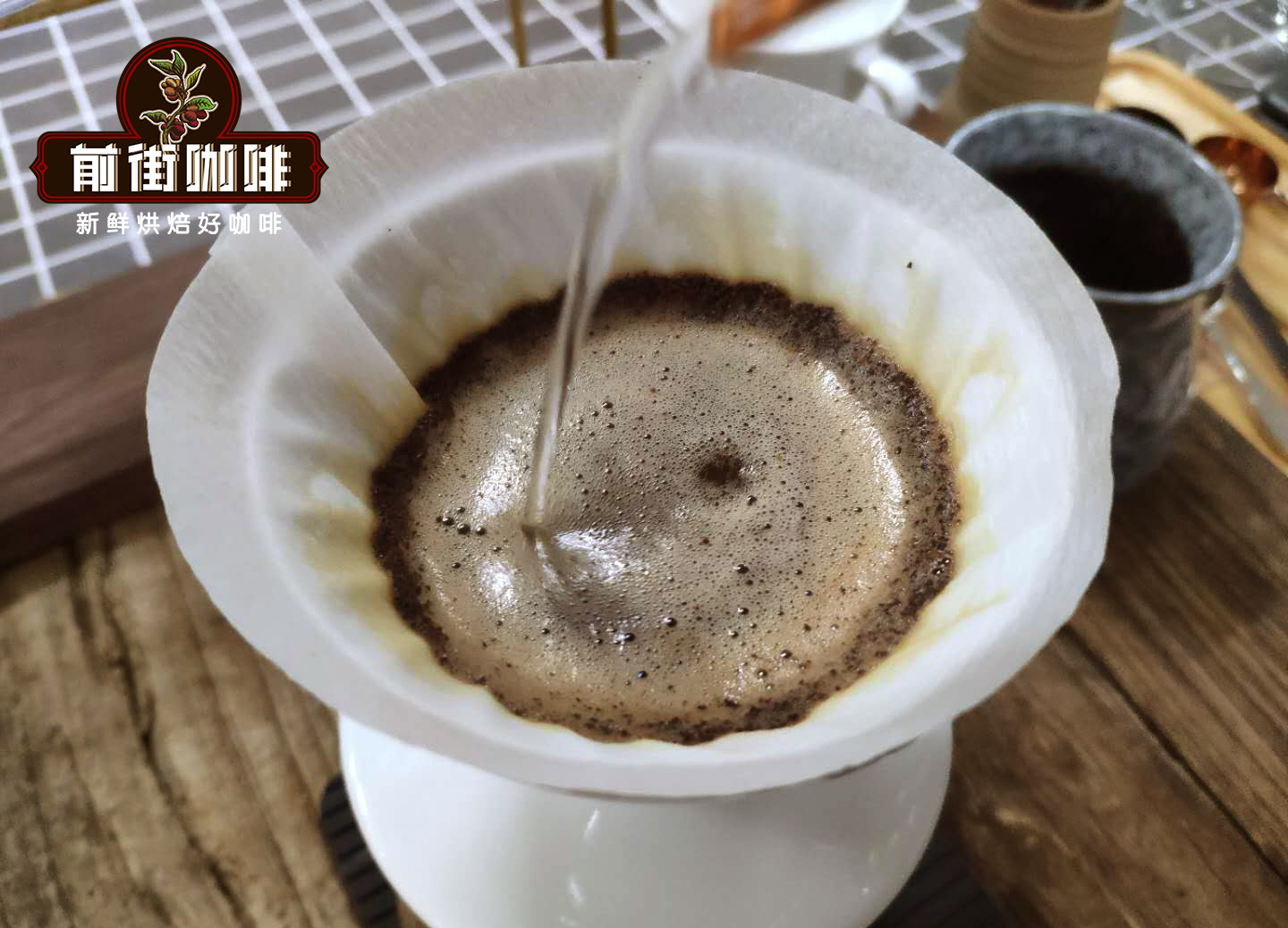
Both groups used a three-stage pour. First, the filter paper was rinsed to preheat the dripper. Stage one: 30g of water for a 30-second bloom. Stage two: water poured in circles from the center outward to 125g, then stopped. Once the coffee bed had dropped by half, stage three poured to 225g. When all the liquid had drained into the server, the dripper was removed to complete the extraction.
Flavor Comparison
| Parameter | Group A | Group B |
|---|---|---|
| Extraction Time | 1'50" | 1'57" |
| Flavor | Rich strawberry aroma in the fragrance, with flavors of strawberry candy, yogurt, and peach. The texture is substantial and rich. | Compared to Group A, the aroma shows strawberry with osmanthus notes, with main tones of strawberry and honeydew melon. The flavor is more concentrated, the mouthfeel clean with no off-flavors, and the aftertaste citrus. |
The extraction times show that Group B's flow rate was slower than Group A's. Many people assume more uniform particles clog less. In reality, both groups used the same grind setting, but Group B removed the coarse and extremely fine particles from that baseline — so Group B's overall grind was actually slightly finer than Group A's (missing the significant 20% of particles larger than 850 microns).
Group A already showcased this bean's character beautifully, but Group B's narrower particle distribution largely canceled out the extraction inconsistency between coarse and fine particles. The result is a very clean sensation when drinking, with no loss of flavor — an excellent adjustment technique, if a somewhat wasteful use of beans.
FrontStreet Coffee Recommendation
Colombia is one of the most versatile origins in specialty coffee — fruity pour overs, full-bodied espresso bases, fragrant single origins, it does it all. This experiment's bean, the FrontStreet Colombia Paraiso Strawberry from Cauca, is a double anaerobic washed Castillo grown at 2,050 meters that rewards careful grinding with strawberry candy, yogurt, and peach. For a more traditional Colombian profile, the FrontStreet washed Huila, medium-dark roasted, brings black chocolate and nutty sweetness with moderate body — equally at home in a pour over, French press, moka pot, or espresso machine. And for a modern anaerobic expression, the FrontStreet Colombia Pink Bourbon from the Frontera estate uses double anaerobic natural processing at medium-light roast to deliver passion fruit, blueberry, grape, and apricot juiciness that shines brightest as an iced pour over.
Important Notice :
FrontStreet Coffee is a long-established specialty coffee roaster in Guangzhou China, selling freshly roasted beans from its own farm in Yunnan as well as dozens of carefully selected single-origin beans from around the world for both pour-over and espresso. The products deliver consistently excellent quality and great value, with shipping within 24 hours. Guangzhou's FrontStreet Coffee shop is recommended by many coffee lovers, and the beans are now available online at the Tmall 。
FrontStreet Coffee has moved to a new address:
FrontStreet Coffee Address: 315,Donghua East Road,GuangZhou
Tel:020 38364473
 Scan and follow the En Gafei WeChat official account. Please indicate that the reprint comes from "En Gafei".