Taste and Flavor Characteristics of Black Coffee: Light Roast vs Dark Roast Coffee Bean Recommendations and Brewing Methods
Mention black coffee and most people's first reaction is that it is bitter and astringent, or they simply think of an Americano. Americano has indeed become a synonym for black coffee. A few years ago, before the specialty coffee market had developed, the beans going into an Americano were often poor quality, and the resulting cup was bitter and astringent with no discernible flavor at all. In recent years, as specialty coffee has spread, the quality of the beans behind an Americano has improved enormously, more specialty single origins have come to people's attention, and there are now far more ways to make black coffee. This time, FrontStreet Coffee looks at what those methods are.
What is Black Coffee?
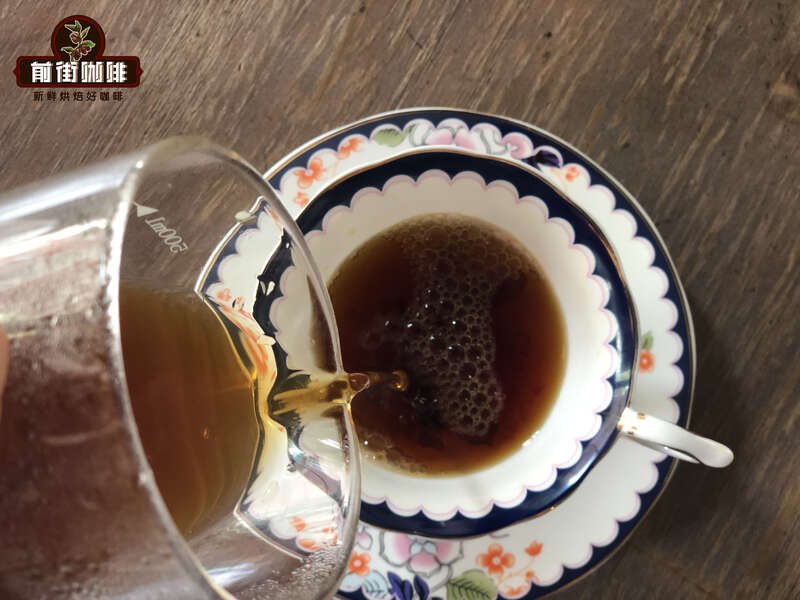
Black coffee is coffee made without any sugar or milk. The only ingredients are coffee beans and drinkable water. Because the brewed liquid is dark in color, it is commonly called black coffee. There are many varieties on the market today; FrontStreet Coffee currently offers espresso, Americano, pour-over coffee, and cold drip coffee.
Is Black Coffee Better When It's More Bitter?
The taste of coffee runs along several dimensions: acidity, sweetness, bitterness, a pleasant aftertaste, and richness. Beans from different origins produce different cups. Beyond the character of the beans themselves, the roast level, the grind size, the water temperature, the speed of the pour, and the technique all shape the flavor of a cup.
Certain origins, Mandheling among them, are known for their richness and carry a very prominent bitterness. African beans tend toward acidity, with much less bitterness in the foreground.
How Do We Choose the Right Black Coffee Beans for Ourselves?
FrontStreet Coffee offers two broad categories of black coffee beans: single-origin beans and espresso blends. A single origin comes from a specific origin, region, or plantation and carries the distinctive flavors of its terroir. An espresso blend, or blended coffee, mixes several single origins to combine the strengths of each, producing a more balanced profile than any one component would give on its own.
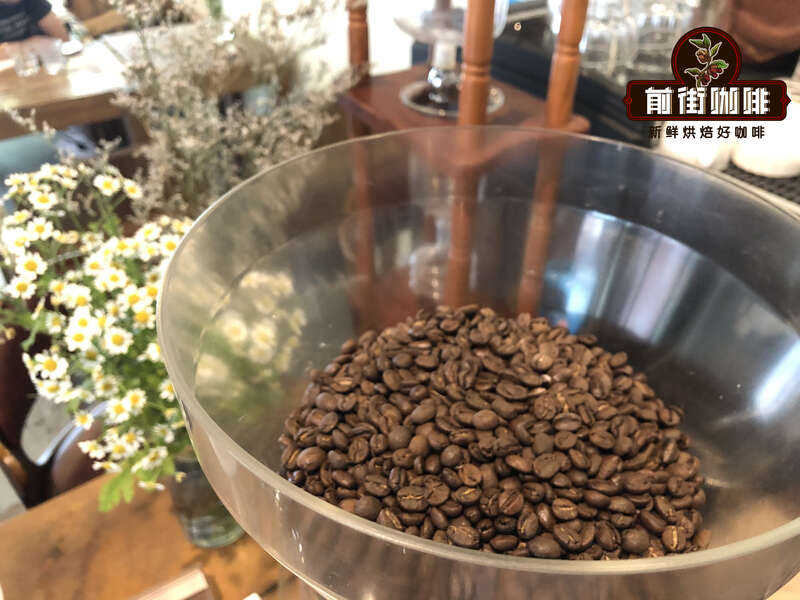
For espresso, FrontStreet Coffee currently blends sherry-barrel-processed beans with sun-dried Yirgacheffe Red Cherry Project beans. Sixty percent Honduran sherry-barrel coffee supplies flavor and richness, while forty percent sun-dried Yirgacheffe contributes more aroma and acidity.
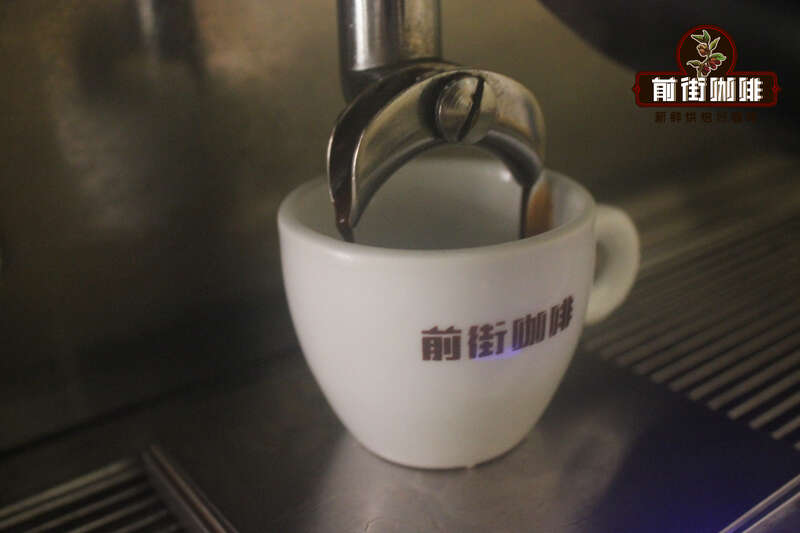
FrontStreet Coffee's Espresso Making Method
FrontStreet Coffee's espresso extraction parameters:
Grinder: Feima 900N
Grind size: 1.6
Pressure: 9 bar ±2
Temperature: 90.5-96°C
Time: 20-30 sec
Dose: 20g (double shot)
Extraction yield: 40ml
Extracted espresso flavor: a smooth texture, moderate richness, distinct fruit acidity with a subtle berry aroma and a whiskey fragrance, rich chocolate flavor, and a noticeable aftertaste.
FrontStreet Coffee's Americano Making Method
After extracting the espresso as described above, iced Americano is made at a 1:7 ratio of espresso to ice water, meaning 40ml of single espresso mixed with 280ml of ice water. The hot version uses the same 1:7 ratio: 20ml of single espresso with 140ml of hot water, or 40ml of double espresso with 280ml of hot water.
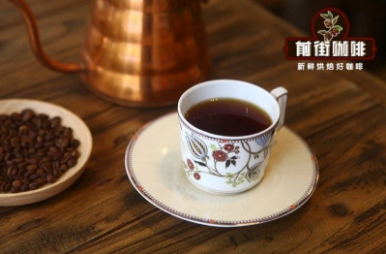
FrontStreet Coffee's Pour-Over Coffee Making Method
For this pour-over demonstration, FrontStreet Coffee uses washed Ethiopia Yirgacheffe Gedeb.
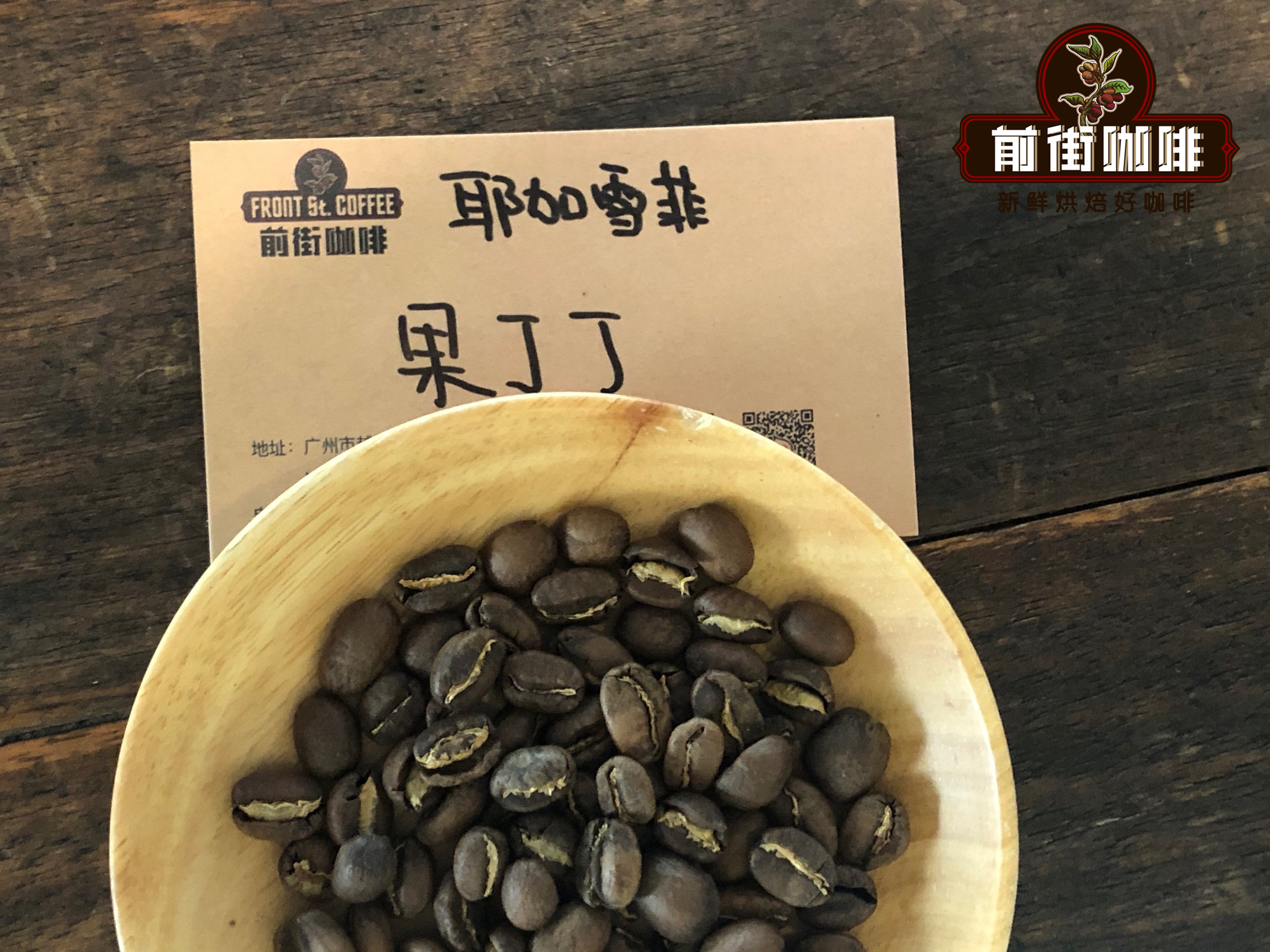
Origin: Yirgacheffe, Gedeo Zone
Altitude: 1,900-2,300m
Variety: Heirloom
Processing: Washed
Grade: G1
Dripper: HARIO V60
Water temperature: 90-91°C
Grind size: BG#6m (fine sugar size)
Coffee-to-water ratio: 1:15
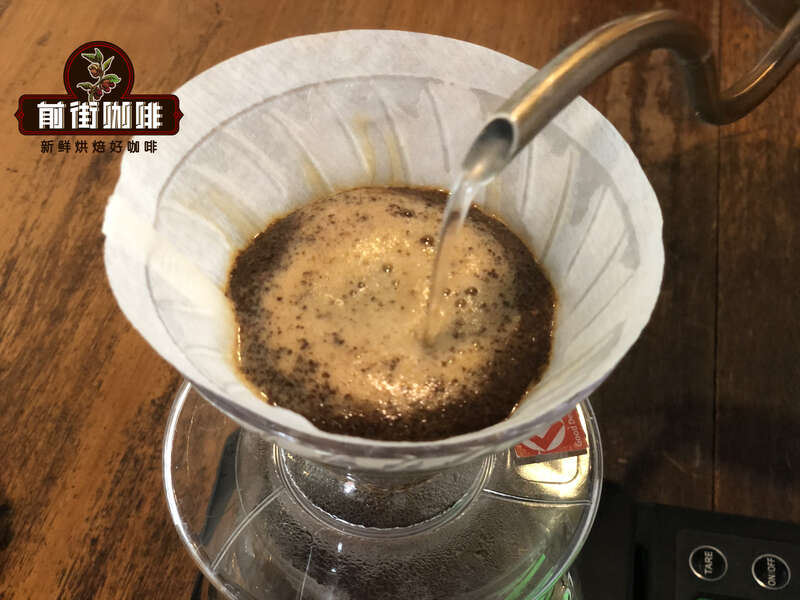
FrontStreet Coffee's method: first pour 30g of water for a 30-second bloom. Then pour 95g (the scale reads around 125g), finishing in about one minute. When the water level drops to two-thirds of the coffee bed, pour the remaining 100g (the scale reads around 225g), finishing in about 1 minute 40 seconds. The bed should finish dripping between 1:55 and 2:00; remove the dripper and the extraction is complete.
Yirgacheffe Gedeb brewing flavor: bright citrus acidity and a full-bodied berry juice sensation, with distinct oolong tea notes.
FrontStreet Coffee's Cold Drip Coffee Making Method
Cold drip is coffee brewed with time. The same beans brewed at different water temperatures taste different. At low temperatures the astringent compounds in coffee are less readily extracted. Cold extraction means a long contact between water and grounds at low temperature, so only the smaller-molecule flavor compounds, floral and fruity aromas among them, come through, while larger-molecule compounds such as smoky and roasted notes are difficult to draw out. That is why cold brew lets you taste the bean's inherent flavors more clearly, with a smooth texture and distinct layers and aftertaste.
Ice water is used for a long extraction, and once it is finished the brew goes into the refrigerator to ferment. A lightly fermented cold drip carries a subtle fermentation aroma, and the texture tends to become richer.
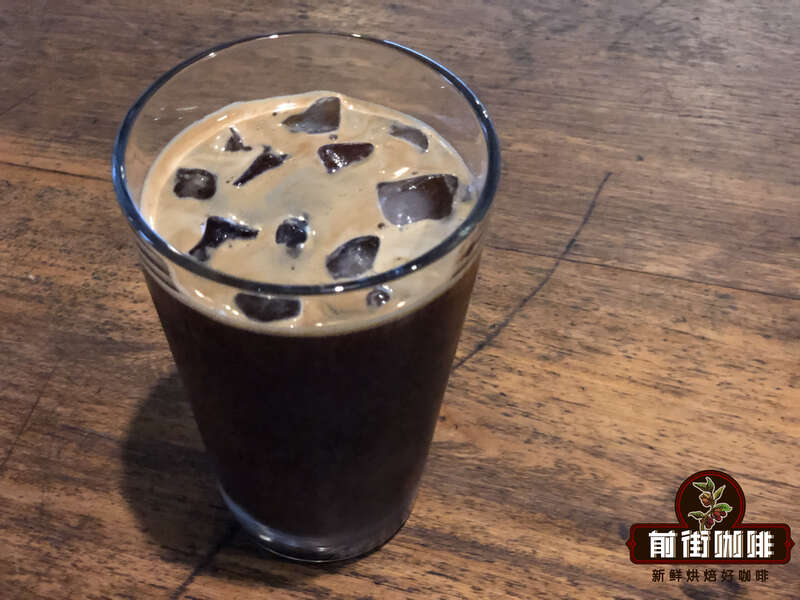
FrontStreet Coffee's Cold Drip Parameters
Ratio: 1:10 (60g of coffee grounds to 600ml of ice water)
Ice water preparation: 1:1 edible ice to drinkable water
Grind size: coarse sugar size (slightly coarser than a medium-roast pour-over grind)
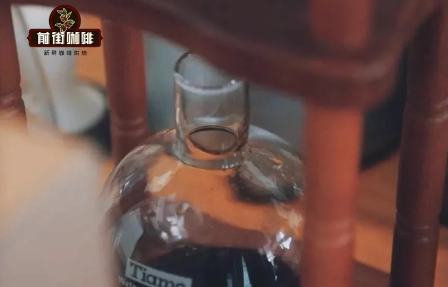
FrontStreet Coffee's Cold Drip Coffee Making Steps
1. Place a circular filter paper in the bottom of the grounds chamber, wet it so it seals against the wall, add the 60g of ground coffee, and level the surface. You can also use the weight of the tamper alone to press the layer gently even.
2. Place a filter paper on top of the grounds. Its tension lets water distribute evenly across the surface during extraction. Without it, water dripping for hours would carve a pit into the bed.
3. Wet the entire grounds layer with ice water. This step is much like the bloom in pour-over and improves both extraction efficiency and consistency in the finished brew.
4. Fill the water-drop bottle with the 1:1 ice water mixture and adjust the dripping speed. FrontStreet Coffee suggests 7 drops per 10 seconds.
5. Once brewing is complete, pour the coffee into a clean, sealed bottle free of water and oil and refrigerate it to oxidize, letting the flavor molecules open up before you drink it.
FrontStreet Coffee Recommendation
If bitterness is what you want from black coffee, FrontStreet Coffee's PWN Golden Mandheling is the reference point. Sumatra is Indonesia's largest source of both Arabica and Robusta, and the higher elevations of Aceh and North Sumatra grow mostly Arabica, which the trade has long called Mandheling. PWN applies unusually strict standards: beans must be 18 screen or larger, and a 300g green sample may contain fewer than three defective beans, meeting the top G1 standard, after which three rounds of hand sorting remove defects entirely. The result is a cleaner cup with a more concentrated sweetness, which is why PWN Golden Mandheling sits at the top of the Mandheling field. Look for the certificate and the PWN-marked bags, which are what distinguish it from other Golden Mandheling.
For a more everyday Mandheling, FrontStreet Coffee's Lindong Mandheling comes from the Lindong region around Lake Toba in North Sumatra. The wet-hulled process used across Sumatra, developed because the rainy season overlaps with the harvest and makes sun-drying impractical, gives Mandheling its characteristic heavy body and its wild earthy, herbal flavors. The coffee is medium-dark roasted for a low-acid cup with spice and mint notes, a strong, persistent, substantial sweetness, and aromas of clove and wood.
FrontStreet Coffee brews PWN Golden Mandheling as pour-over at 87-88°C with 15g of coffee at a 1:15 ratio and a coarse-sugar grind. Pour in three stages: a 30ml bloom to wet the grounds and let them degas, then 100ml to lift the golden foam and raise the bed, and finally a gentle 95ml pour down the center to build sweetness. The finished cup shows full body, caramel sweetness, and chocolate and nut flavors.
Important Notice :
FrontStreet Coffee is a long-established specialty coffee roaster in Guangzhou China, selling freshly roasted beans from its own farm in Yunnan as well as dozens of carefully selected single-origin beans from around the world for both pour-over and espresso. The products deliver consistently excellent quality and great value, with shipping within 24 hours. Guangzhou's FrontStreet Coffee shop is recommended by many coffee lovers, and the beans are now available online at the Tmall 。
FrontStreet Coffee has moved to a new address:
FrontStreet Coffee Address: 315,Donghua East Road,GuangZhou
Tel:020 38364473
 Scan and follow the En Gafei WeChat official account. Please indicate that the reprint comes from "En Gafei".