Why Some Coffee is Acidic: Understanding Coffee Acidity and Its Origins
Why Is Coffee Acidic?
Beginners exploring single-origin coffee are often amazed by its acidity. Most people picture coffee as rich and bitter — so where does all this acidity come from? FrontStreet Coffee explains.
Coffee is, in fact, a fruit, and what we call coffee beans are precisely its seeds. When the fruit ripens, a layer of quite sweet pectin surrounds the seed, and the bean continuously absorbs substances from that pectin — an important source of coffee's fruity sweet-sour character. Coffee beans contain many acidic compounds; scientists have so far extracted over a hundred different ones, with chlorogenic acid, quinic acid, malic acid, citric acid, acetic acid, and lactic acid the most common.
Chlorogenic Acid
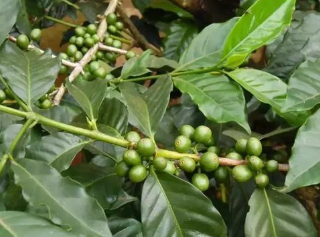
Its astringent, unpleasant taste actually helps the plant resist insects. In his book "The Science of Coffee," Huaizong Han notes that Robusta, which grows at low altitudes under heavy pest pressure, contains far more chlorogenic acid than Arabica — one reason Robusta's flavor falls short of Arabica's.
Quinic Acid
Formed as chlorogenic acid degrades, quinic acid is a phenolic acid. Non-volatile, it can't be smelled — only tasted as bitterness. After roasting, chlorogenic acid keeps degrading into quinic acid. Opinion is split: supporters say it dissolves in water and adds body, complexity, and brightness; critics call it the culprit behind dark roast bitterness.
Citric Acid and Malic Acid
Both are products of the coffee tree's own metabolism. Neither is volatile, so they can't be detected by smell — only by taste.
Acetic Acid and Lactic Acid
These are not products of the bean itself; raw beans contain almost none. They come mainly from two sources: derivatives of the washed fermentation process and products of sucrose breakdown during roasting. In excess, acetic and lactic acid push coffee toward unpleasant sour, rotten flavors.
Where these acids end up in the cup is largely a matter of soil and climate humidity.
The Relationship with Soil
Volcanic regions tend to produce coffee with excellent body and fruity acidity, and the most balanced interplay of acidity, aroma, sweetness, purity, and bitterness. FrontStreet Coffee considers Guatemala's Huehuetenango the best example of volcanic-soil character. Kenyan soil, meanwhile, is rich in phosphoric acid, giving its beans vivid fruit acidity and a berry-juice mouthfeel.
The Relationship with Climate and Humidity
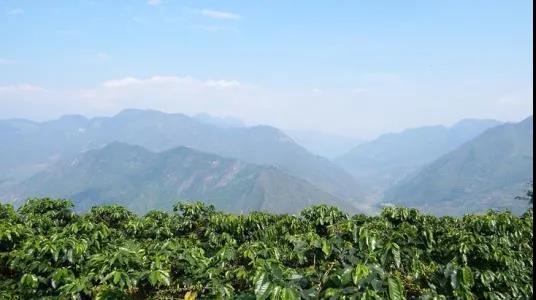
Research finds that coffee from high-humidity regions delivers more intense fruit flavors. High humidity raises the concentration of malic acid in the pulp, letting fruit aroma and acidity be fully absorbed into the beans. FrontStreet Coffee finds that beans from tropical rainforest climates show markedly more prominent fruit aroma and sweet-sour character than other regions, with somewhat lighter body.
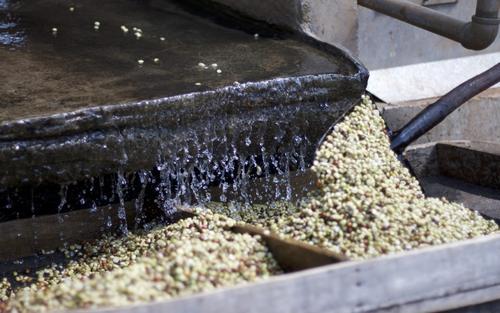
After harvest, the processing method shapes acidity too — especially washed processing.
Washed processing involves an 18-36 hour fermentation that makes acidity more prominent, particularly citric and malic acid. Washed coffee, in FrontStreet Coffee's view, offers elevated acidity, high complexity, high cleanliness (no negative flavors), and a crisp mouthfeel.
Roast Level Also Shapes Acidity
During roasting, the beans' sugars and organic acids begin degrading into formic, acetic, lactic, fumaric, and quinic acids. As the roast deepens, those acids continue to degrade or evaporate. The most dramatic changes happen in the development stage after first crack: acidity peaks somewhere shortly after first crack and then declines through thermal decomposition and evaporation.
How Brewing Parameters Affect Acidity
1. Grind Size
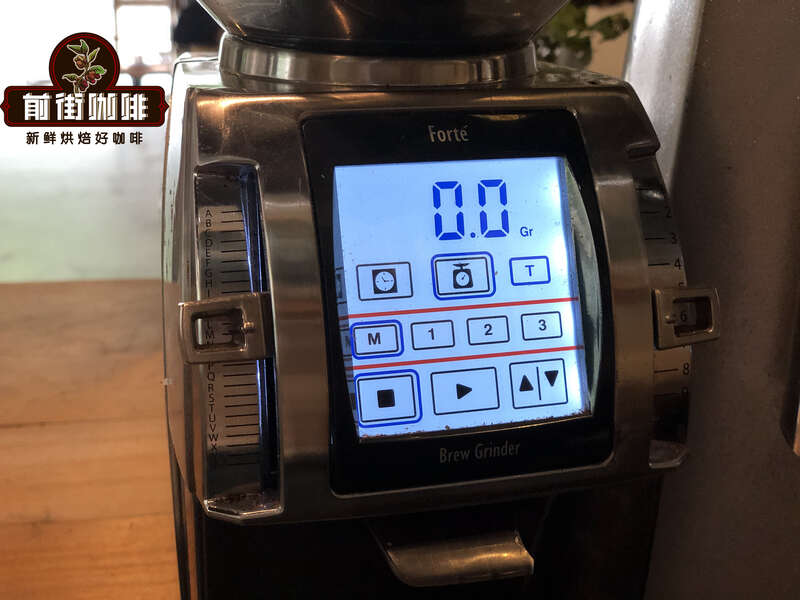
Coarser grinding lowers the extraction rate because the grounds present less surface area (note: extraction rate is not brewing time — extraction rate refers to how much flavor and aromatic material dissolves, while brewing time is simply how long water and grounds stay in contact).
Coarser grinds bring out bright acidity, but brew too long and you'll drift into woody flavors. Want more acidity? Grind coarser. Want less? Go a bit finer.
2. Brewing Time
Time is the other major extraction variable: the longer the brew, the more material is extracted. Good beans, good water, and the right grind still need the right duration.
3. Water Temperature
Hotter water extracts faster; cooler water extracts more slowly, which makes acidity more apparent but risks under-extraction and flat flavors. Hotter water builds body but risks over-extraction and impurity flavors.
FrontStreet Coffee recommends 90-91°C water for medium-light roasts and 88-89°C for medium-dark roasts. Water at the right temperature with a good extraction yields positive, comfortable flavors: acidity like plum or stone-fruit sweetness, overall cleanliness and clarity that let each flavor stand apart, delicate yet prominent acidity that recalls certain fruits or even wine, and a persistent aftertaste worth remembering.
Brewing a High-Acidity Coffee: Ethiopian Washed Gedeb
Finally, FrontStreet Coffee brews Ethiopian Washed Gedeb — an acidity-forward lot — to show how it's done.
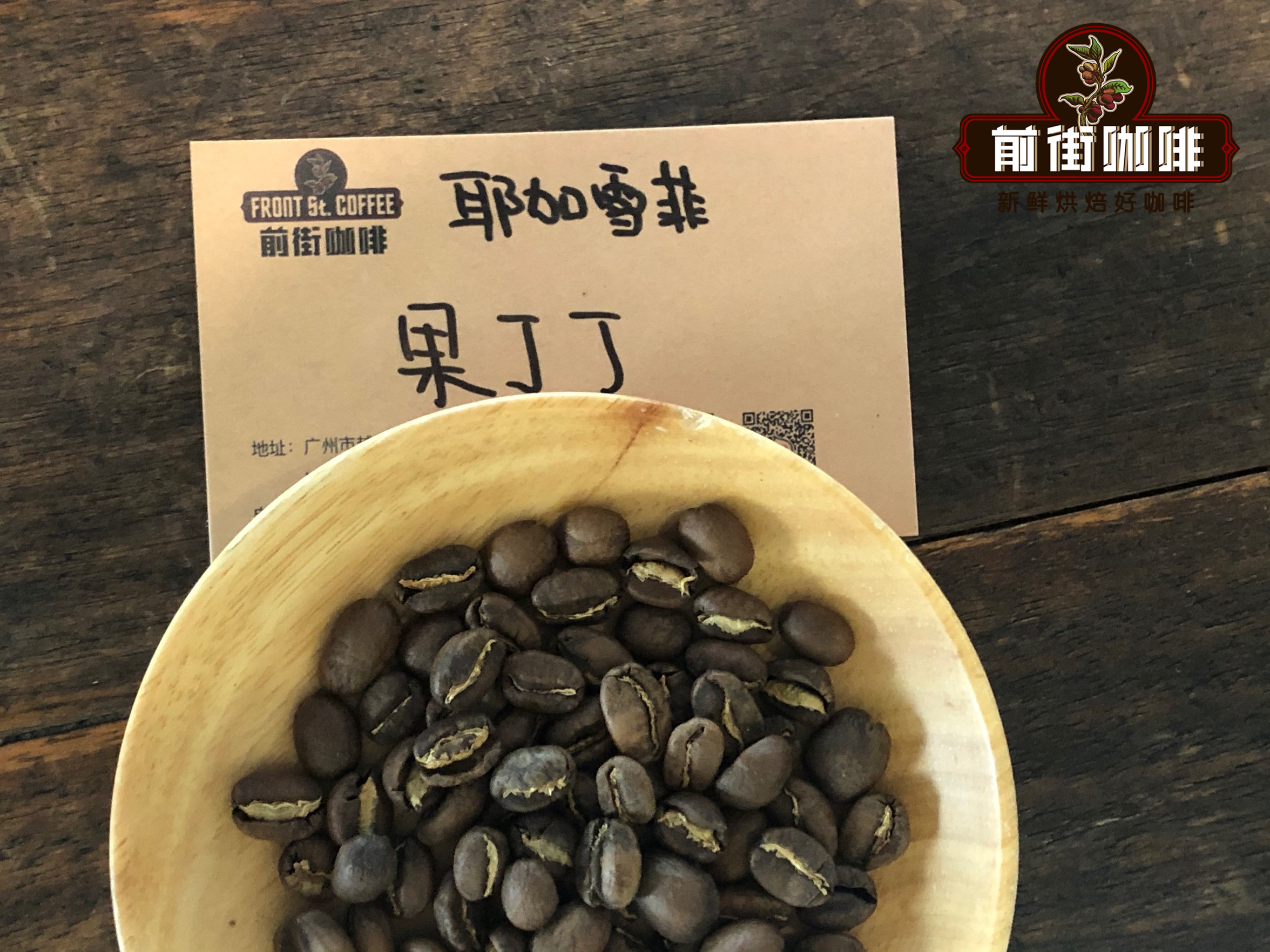
Coffee Information:
- Region: Yirgacheffe, Gedeo Zone
- Altitude: 1900-2300m
- Variety: Heirloom
- Processing: Washed
- Grade: G1
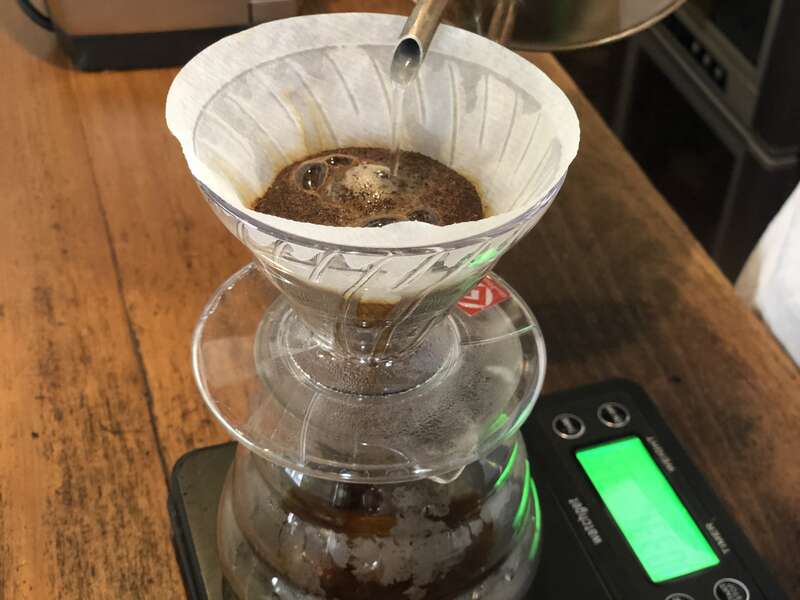
To highlight washed Gedeb's acidity, FrontStreet Coffee uses a V60. The conical dripper's wide opening and spiral ribs let air escape easily, improving extraction quality. The body may not be as full, but its high concentration delivers sweet-sour balance and prominent aroma — its defining traits.
FrontStreet Coffee Brewing Parameters
- Water Temperature: 90-91°C
- Grind Size: BG#6m (fine sugar texture)
- Ratio: 1:15
- Dose: 15 grams
Method: Pour 30g of water for a 30-second bloom, then pour 95g (scale reading around 125g), finishing in about 1 minute. When the water level drops to two-thirds of the bed, pour the remaining 100g (scale around 225g), finishing at about 1:40. Drawdown completes between 1:50 and 2:00 — remove the dripper and the extraction is done.
In the cup: Bright citrus acidity on the entry, a full-bodied berry-juice sensation, with distinct oolong tea notes.
FrontStreet Coffee Recommendation
If this bright, fruit-driven style is your cup, FrontStreet Coffee's Arabica recommendations run in exactly that direction. The FrontStreet Ethiopia Huakui, a sun-dried Sidamo lot and past TOH green coffee competition winner, shows cream-strawberry, mango, jackfruit, citrus, and blueberry — mature tropical fruit tones with an elegant floral lift. On the washed side, the FrontStreet Yirgacheffe Guodingding Cooperative (top-grade G1) delivers clean, luminous lemon and citrus with white florals and a green-tea finish.
For darker, low-acid cups that spare the stomach, the FrontStreet PWN Golden Mandheling (herbs, dark chocolate, a whisper of earth) and the FrontStreet Brazil Queen Estate Yellow Bourbon (nuts, creamy peanut, caramel sweetness, fermented fruit aroma) are both balanced and gentle. And for Gesha-level aromatics, the FrontStreet Panama Red Label Esmeralda from Boquete's volcanic soils pours jasmine, citrus, and oolong-tea sweetness over a silky body. Whatever the bean, hold the water temperature to the bean's roast level — 90-91°C for medium-light, 88-89°C for medium-dark — and the acidity will land exactly where it should.
Important Notice :
FrontStreet Coffee is a long-established specialty coffee roaster in Guangzhou China, selling freshly roasted beans from its own farm in Yunnan as well as dozens of carefully selected single-origin beans from around the world for both pour-over and espresso. The products deliver consistently excellent quality and great value, with shipping within 24 hours. Guangzhou's FrontStreet Coffee shop is recommended by many coffee lovers, and the beans are now available online at the Tmall 。
FrontStreet Coffee has moved to a new address:
FrontStreet Coffee Address: 315,Donghua East Road,GuangZhou
Tel:020 38364473
 Scan and follow the En Gafei WeChat official account. Please indicate that the reprint comes from "En Gafei".