Colombian Coffee Brewing: How to Bring Out Strawberry Aroma from Hacienda El Paraíso's Strawberry Coffee?
Recently, a strawberry coffee bean from Finca El Paraiso has caught the attention of coffee enthusiasts. Why is this coffee called "strawberry," and does it live up to its name? FrontStreet Coffee acquired the bean for cupping and tested it with three different brewing methods to see how this Paradise Strawberry performs.
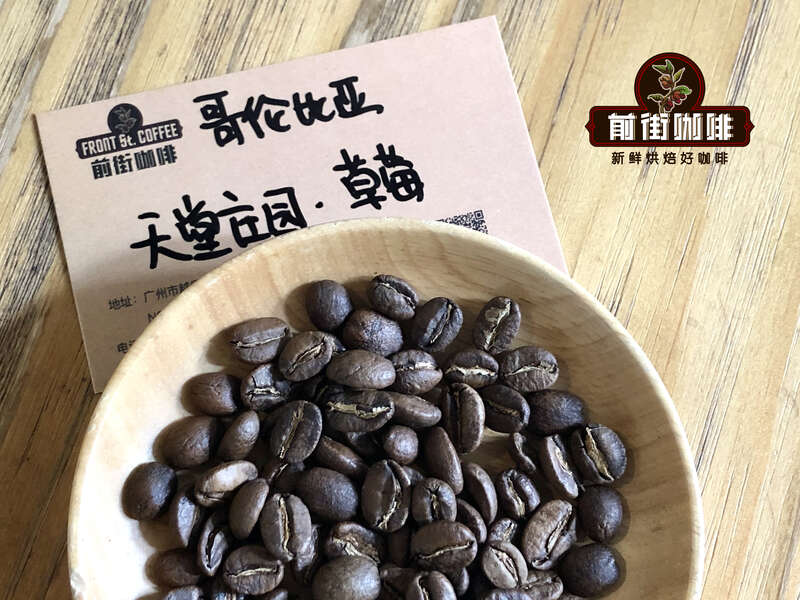
Coffee Information
Region: Cauca, Colombia
Estate: Finca El Paraiso
Altitude: 1960m
Processing: Double Anaerobic Washed
Variety: Castillo
Growing Region
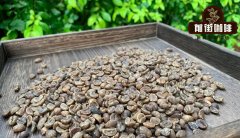
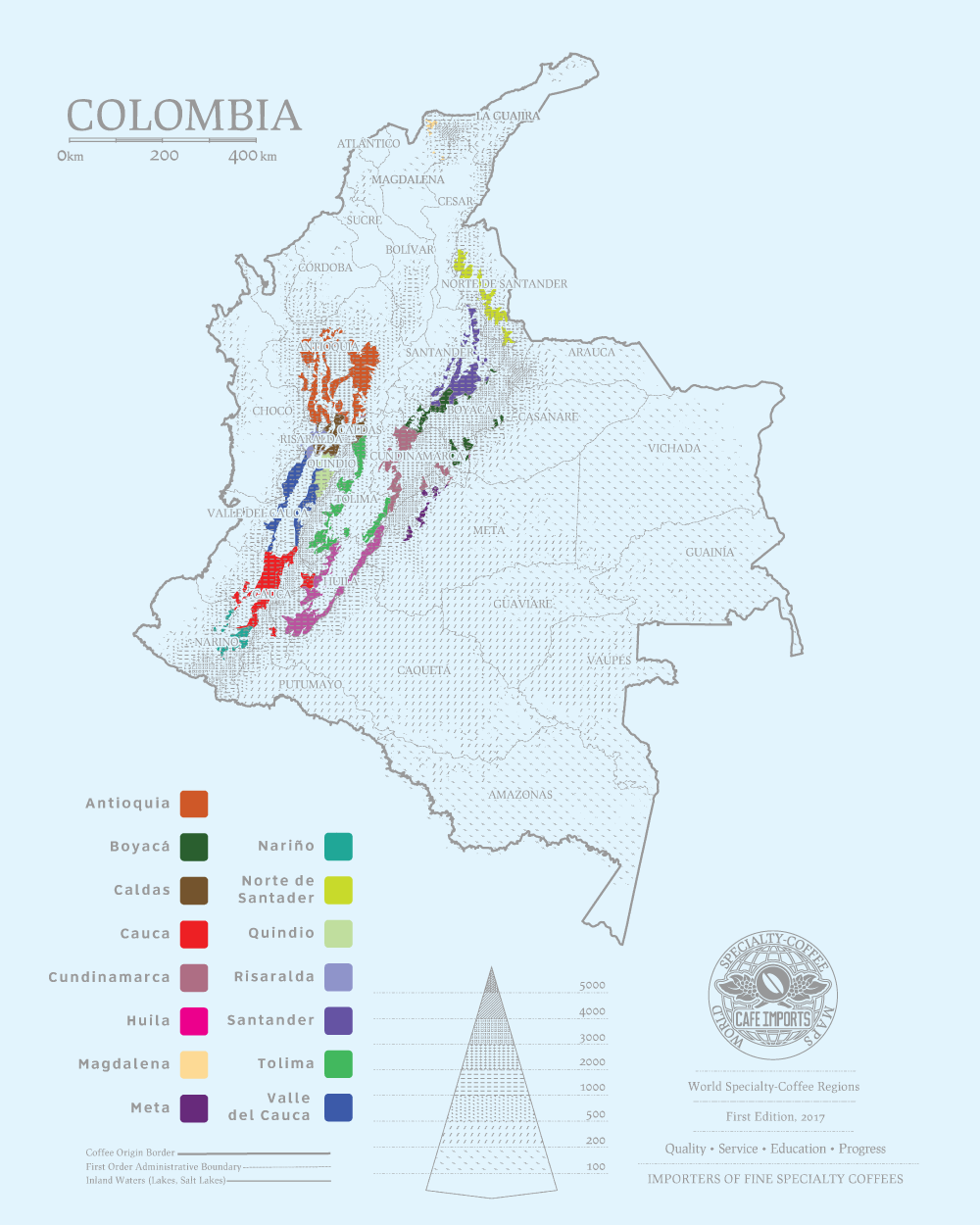
Cauca is a certified coffee denomination of origin in Colombia, with an average altitude of 1758m rising to 2100m at its highest points. The region's topography, precipitation, temperature, and volcanic soil create ideal conditions for coffee. Eighty percent of the area is mountainous, with parallel ranges in the east and center that form part of the Andes; the central range holds two main volcanoes, Sotara and Petacas. Like other southwestern producing regions, Cauca shows a distinct monomodal precipitation pattern, with its dry season falling mainly from August to September each year. The rains that follow concentrate coffee flowering, which produces a concentrated harvest the next year.
Finca El Paraiso
Finca El Paraiso is an estate Mr. Diego Samuel began operating in 2008. It started as a small 2.5-hectare family farm, with the owner plowing the surplus of every harvest back into coffee agriculture research, always searching for better ways to produce specialty flavors. In 2015 he entered his first local competition and won first place. The victory brought recognition from the industry and redoubled his drive to promote specialty coffee cultivation. Through his company Indestec (Innovacion y Desarrollo Tecnologico para la Caficultura), Diego has created new technologies to improve and stabilize coffee quality. He says he likes stepping out of his comfort zone because it keeps pushing him forward.
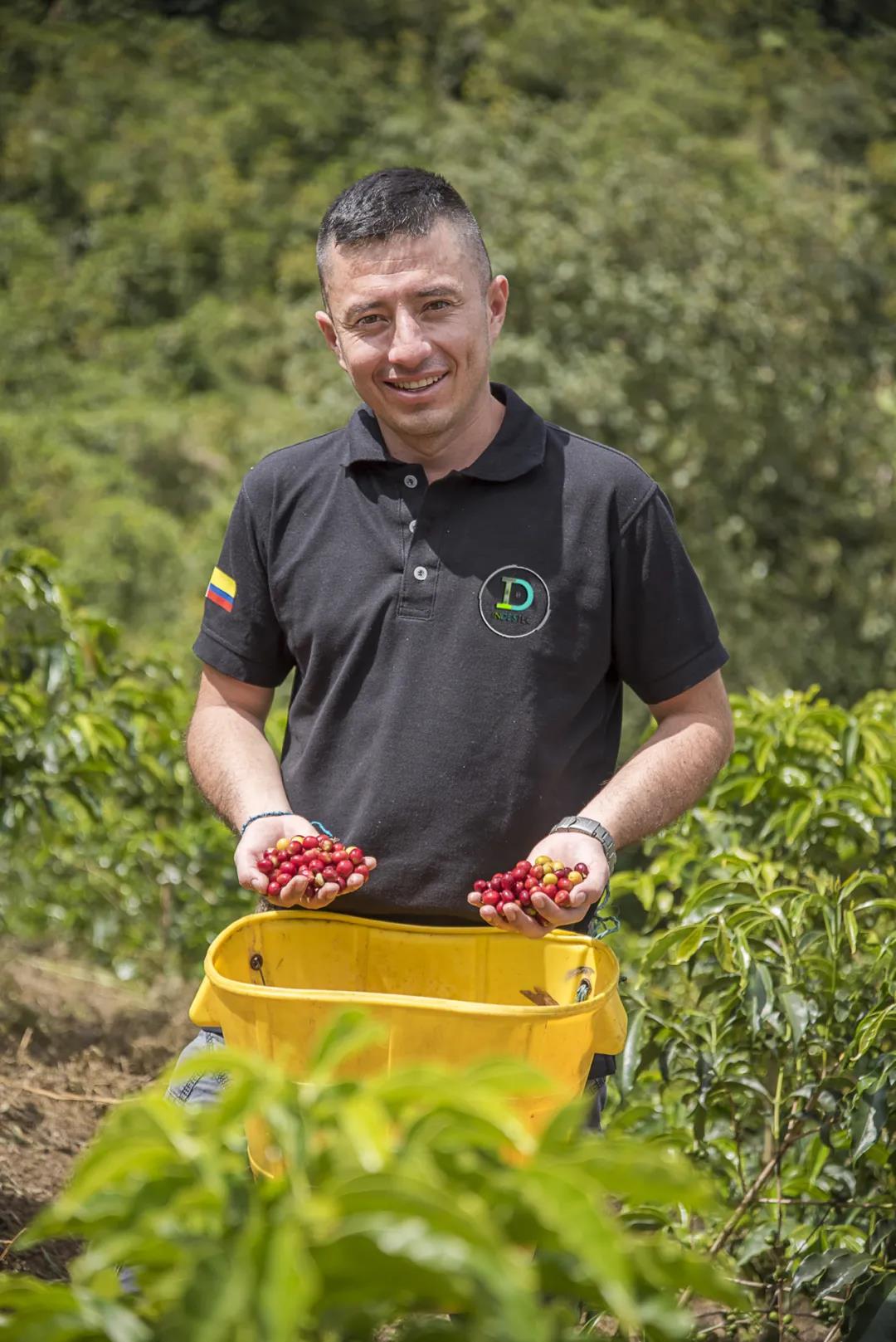
Coffee Variety - Castillo
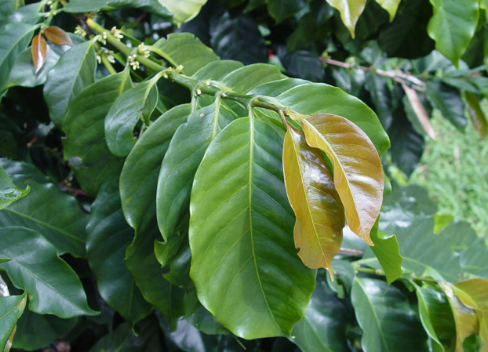
Castillo, developed in Colombia, is the country's most widely planted variety, popular thanks to its resistance to leaf rust. Beginning in 1961, CENICAFE started researching Timor Hybrid varieties carrying Robusta genetics. The institute's work continued: it released the disease-resistant variety Tabi (a cross of Typica, Bourbon, and Timor) in 2002, then its most successful resistant variety to date, Castillo, in 2005. After the major leaf rust outbreak of 2008, Colombia began promoting Castillo cultivation in earnest.
Coffee Processing Method
Anaerobic fermentation has become hugely popular in recent years: the coffee cherries are fermented in an oxygen-free environment before being removed for further processing-that is anaerobic fermentation. After the cherries leave the anaerobic tank, the pulp is mechanically removed, and the beans, mucilage still attached, go into plastic bags or other sealed containers for a second anaerobic fermentation. Two rounds like this make it double anaerobic fermentation.
This Colombian Finca El Paraiso Strawberry is processed as a double anaerobic washed: after both fermentations, the beans are removed, washed free of the mucilage layer, and sun-dried until their moisture content reaches approximately 11%.
FrontStreet Coffee Cupping Notes
Dry Aroma: Yogurt
Wet Aroma: Strawberry Yogurt
Flavor: Strawberry yogurt, honey peach, strawberry sweet-and-sour, honey
How FrontStreet Coffee Brews Colombian Strawberry
To bring out the bean's sweet strawberry fragrance, FrontStreet Coffee's roaster chose a medium-light roast. For beans at this roast level, FrontStreet Coffee recommends 90-91°C water: higher temperatures extract the aromatic compounds and acidity (the strawberry sweetness and bright acids) from lighter roasts, and because medium-light beans have a denser structure, the extra heat improves extraction efficiency and helps avoid sharp acidity.
FrontStreet Coffee Brewing Parameters:
Water Temperature: 90-91°C
Coffee Amount: 15g
Grind Size: Fine sugar grind
V60 Brewing
The V60 cone dripper has a large opening, and its distinctive spiral ribs let air escape more easily, improving extraction quality. The mouthfeel may be less full-bodied, but its high concentration produces distinct sweetness and acidity with prominent aromas-its signature strength.
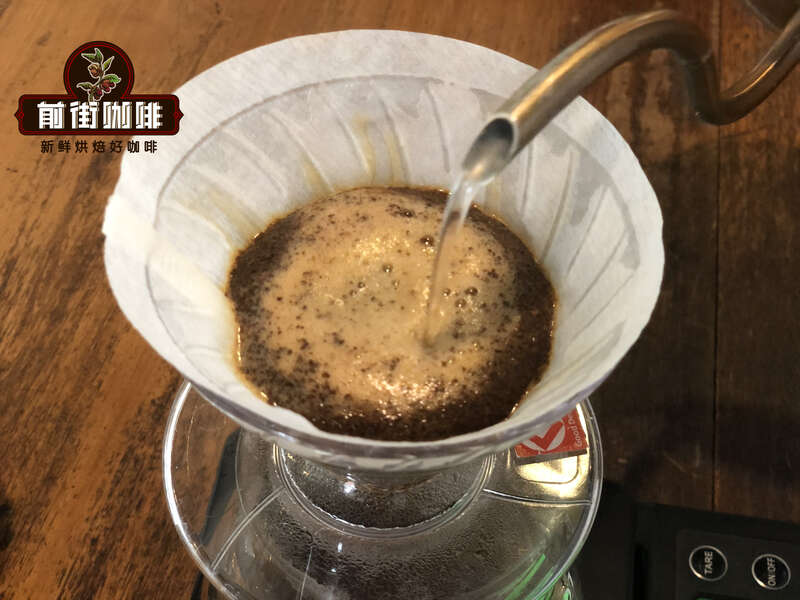
FrontStreet Coffee Brewing Technique: Pour 30g of water for a 30-second bloom. Then pour 95g more (scale reads about 125g), finishing in about 1 minute. When the water drops to 2/3 of the coffee bed, pour the remaining 100g (scale reads about 225g), finishing around 1 minute 40 seconds. Extraction completes at 2'03"; remove the dripper.
V60 Brewing Flavor: Strawberry aroma, berry-juice acidity, strawberry jam fermentation notes, honey aftertaste.
Cake Cup Brewing
This special design uses the creases in the filter paper in place of flow channels. The paper never lies flat against the dripper, which shrinks the contact area while maximizing the extraction surface. That concentrates extraction-hot water filters down evenly and smoothly for better coffee-while also slowing heat loss.
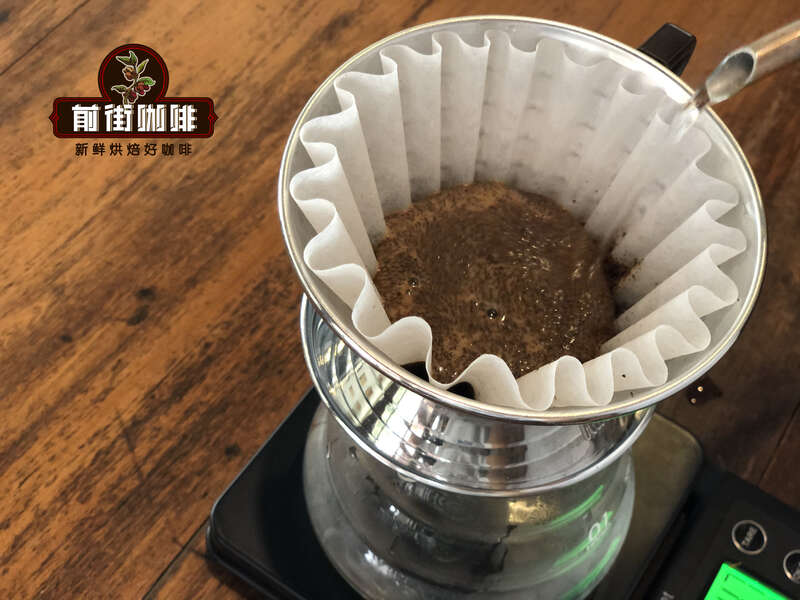
FrontStreet Coffee Brewing Technique: Pour 30g of water for a 30-second bloom. Then pour 95g more (scale reads about 125g), finishing in about 1 minute. When the water drops to 2/3 of the bed, pour the remaining 100g (scale reads about 225g), finishing around 1 minute 40 seconds. Extraction completes at 1'55"; remove the dripper.
Cake Cup Brewing Flavor: Berry-juice mouthfeel, strawberry yogurt, tea-like notes, honey aftertaste.
Origami Dripper Brewing
The Origami dripper is ceramic, so it conducts and retains heat well. Its vertical, relatively deep flow channels and large bottom outlet give it a fast flow rate. The flat-bottom filter paper sits closer to the dripper, which mutes the channel effect and increases water retention so the grounds steep. And because of the flat bottom, the grounds spread evenly across the paper, yielding more uniform extraction.
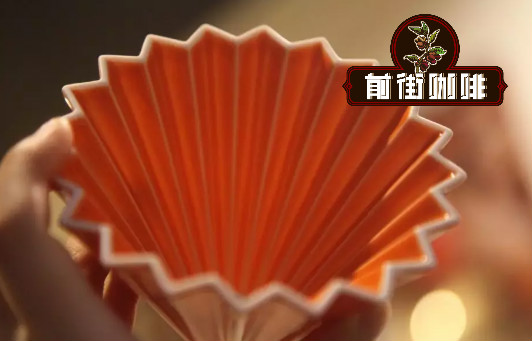
FrontStreet Coffee Brewing Technique: Bloom with 33g of water for 30 seconds. Pour up to 120g in stages. When the water level drops and the bed is about to show, pour up to 225g. When the bed is about to show again, remove the dripper. (Timing starts at the beginning of the bloom.) Extraction time: 1'56".
Origami Dripper Brewing Flavor: Strawberry juice, citrus acidity, honey aftertaste.
FrontStreet Coffee Recommendation
If this double anaerobic washed Strawberry wins you over, try FrontStreet's Colombia Pink Bourbon, a double anaerobic natural from the same country. In anaerobic processing-also called carbonic maceration-freshly picked whole cherries go into a sealed tank that is injected with carbon dioxide to force the oxygen out, slowing the breakdown of sugars in the fruit mucilage and the drop in pH; the beans emerge with higher sweetness, more complex flavors, and a silky texture. Dried on raised beds afterward, this lot shows intense tropical fruit aromas: passion fruit, apricot, preserved fruit, and grape with an almond-like finish. Roasted medium-light, it works as a pour-over, cold brew, drip bag, or moka pot brew. The parameters above-90-91°C water, 15g of coffee at a fine sugar grind-suit it just as well as they do the Strawberry, so you can taste both sides of Colombia's anaerobic revolution side by side.
Important Notice :
FrontStreet Coffee is a long-established specialty coffee roaster in Guangzhou China, selling freshly roasted beans from its own farm in Yunnan as well as dozens of carefully selected single-origin beans from around the world for both pour-over and espresso. The products deliver consistently excellent quality and great value, with shipping within 24 hours. Guangzhou's FrontStreet Coffee shop is recommended by many coffee lovers, and the beans are now available online at the Tmall 。
FrontStreet Coffee has moved to a new address:
FrontStreet Coffee Address: 315,Donghua East Road,GuangZhou
Tel:020 38364473
 Scan and follow the En Gafei WeChat official account. Please indicate that the reprint comes from "En Gafei".