Decaf Coffee vs Regular Coffee: Differences and Whether Decaf Beans Are Truly Caffeine-Free
Introduction to Decaf Coffee
For many people, the first encounter with decaffeinated coffee happened at a Starbucks counter. And the reaction is nearly always the same: does "decaf" really mean no caffeine at all — and how do you even extract caffeine from a bean? Here, FrontStreet Coffee breaks down what actually separates decaf from regular coffee.
How Was Decaf Coffee Discovered?
Legend has it that the great German poet Goethe was a coffee lover tormented by insomnia after his cups. That love-hate relationship pushed him to ask his friend Runge to analyze the bean and find out exactly what was keeping him awake. Around 1820, Runge isolated caffeine as the culprit and devised a way to separate it from coffee beans, making him the founding father of decaffeination.
Identifying the problem was one thing; producing decaf at scale was another. The breakthrough came only in 1903, when the German coffee importer Ludwig Roselius noticed that beans soaked in seawater had markedly less caffeine. He commissioned a team of chemists to develop a proper caffeine extraction process, and once they succeeded, decaffeinated coffee finally entered mass production.
How Is Caffeine Extracted from Decaf Coffee Today?
There are several ways to strip caffeine from green coffee, generally grouped into direct and indirect solvent processing, supercritical carbon dioxide processing, Swiss Water processing, and mountain spring water processing.
Direct Solvent Processing
In its earliest form, direct solvent processing used dichloromethane in direct contact with the beans — a method also marketed as "natural decaffeination." Steam first opens the pores of the green beans, the dichloromethane is applied directly to bond with the caffeine, and once the caffeine-laden solvent is washed away, the beans are steamed a second time to remove any residue. Because dichloromethane boils at 39.8°C, whatever trace might survive the steaming will evaporate entirely during roasting.
Long-term exposure to dichloromethane has been linked to elevated cancer risk, which understandably makes people wary. In practice, however, the FDA caps dichloromethane residue in decaffeinated coffee at 0.001%, and real-world levels fall well below that limit, so side effects are negligible.
The version using ethyl acetate works much the same way. Since ethyl acetate is typically derived from sugarcane, this variant is often called sugarcane decaffeination, and it is the standard approach in Colombian decaf. Its main drawback is that ethyl acetate is highly flammable, which makes it more hazardous to handle.
Swiss Water Processing
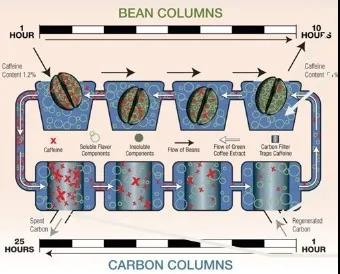
Swiss Water is one of the most venerable decaffeination methods and has been refined into a highly efficient commercial process. It works like this: green beans are first soaked in hot water, which becomes what the industry calls "flavor-charged water" — water saturated with the flavor compounds of green coffee, everything except caffeine. This water is the key medium for everything that follows. The beans are then filtered out, and the flavor-charged water passes through activated carbon filters that trap the caffeine molecules, leaving behind pure flavor-charged water that is used to soak the next batch of beans.
Carbon Dioxide Processing
Here the beans are first allowed to absorb water and expand, which loosens the caffeine molecules inside them. Liquefied carbon dioxide is then introduced under pressures exceeding 100 atmospheres. CO2 is remarkably selective: it dissolves the caffeine while leaving the carbohydrates and proteins in the bean untouched, so the coffee's flavor survives intact. The caffeine-laden CO2 can be stripped and recycled for reuse.
CO2-decaffeinated coffee is gentle on the body, and research suggests the method removes more caffeine than direct solvent processing. The trade-off is cost — it is considerably more expensive than the solvent route.
Mountain Spring Water Processing
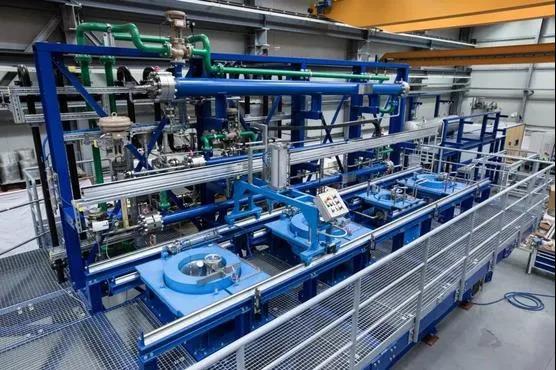
Closely related to Swiss Water processing, this method extracts caffeine using another special water source: glacial water. The company Descamex reports using a proprietary filtration device to remove the caffeine, producing a caffeine-free water-based solution that also holds dissolved coffee solids and can be reused in subsequent decaffeination cycles.
Decaf Representative - FrontStreet Coffee Colombian Huila Natural Decaf
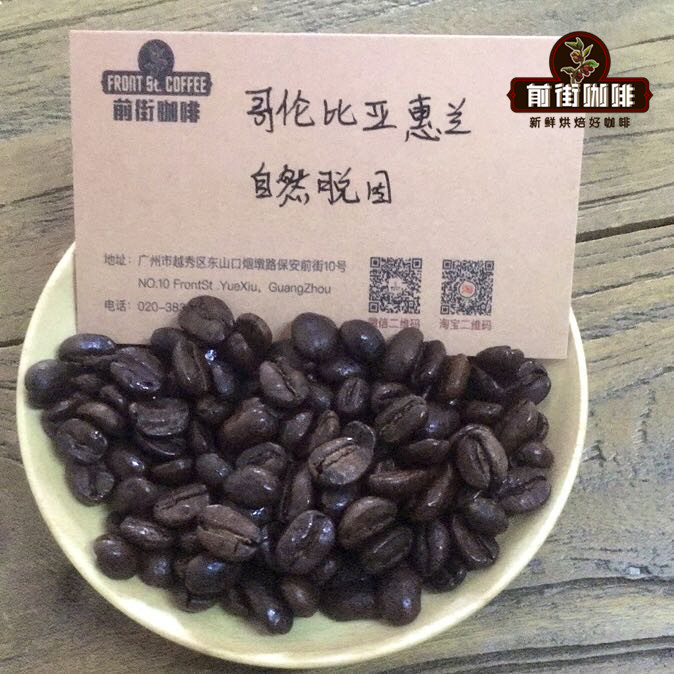
- Coffee Origin: Colombia
- Coffee Region: Huila
- Planting Altitude: 1200 to 2000 meters
- Coffee Varieties: Castillo, Caturra, Colombia
- Processing Method: Natural decaf processing (direct solvent processing)
Coffee Origin
Huila offers a near-perfect marriage of soil and geography for coffee cultivation, and some of Colombia's most complex, fruit-forward coffees come from these hills. The region's high-altitude lots, selected by the Colombian National Coffee Company, are regarded as a national treasure, and the country's natural advantages have kept Colombian coffee quality remarkably consistent. More than 70,000 coffee growers farm over 16,000 hectares (roughly 39,500 acres) in the region, and beans without a special market designation typically come through the National Federation of Colombia Coffee Growers, an organization known for strict quality control and energetic promotion.
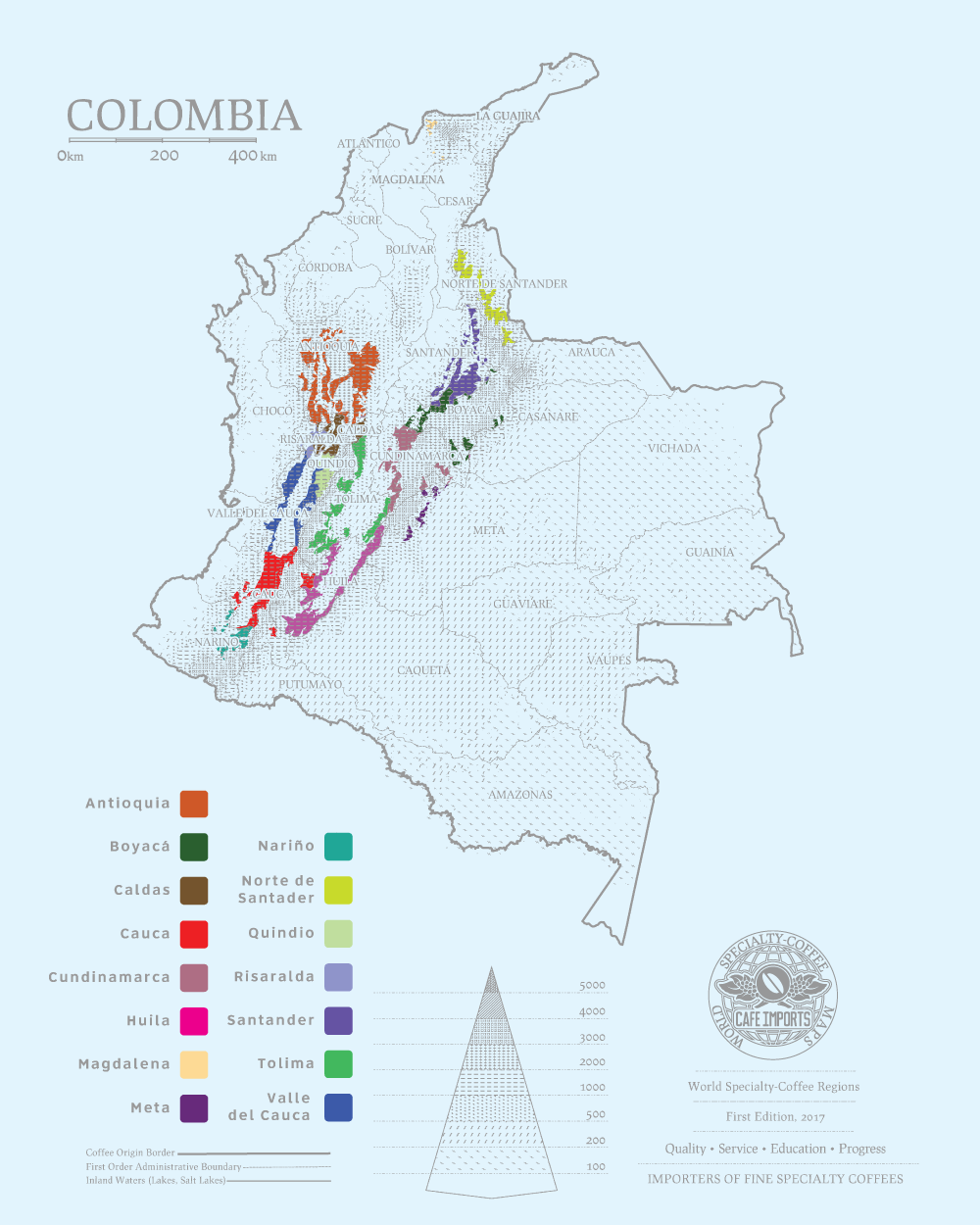
Within Huila, the southern Laboyos Valley sits at the foot of the Andes, the great range that feeds the Magdalena River flowing north to the Caribbean coast. The valley floor lies at approximately 1,300 meters above sea level. Coffee grows across all the surrounding mountains, on farms averaging about 6 hectares with roughly 5,000 trees per hectare. The volcanic soil supplies abundant organic nutrients for these high-altitude plants.
Coffee Varieties
Colombia's earliest plantings were Typica and Bourbon. From 1970 onward they were steadily displaced by Caturra, which not only out-yields both parents but grows on a more compact tree, allowing denser planting per hectare.
Caturra is a single-gene mutation of Bourbon, discovered in Brazil in 1937, with yield and disease resistance both superior to its parent. In 1961, CENICAFE began studying the Robusta-descended Timor variety, crossing it with Caturra to build Colombia's Catimor line. After 5 generations of breeding, CENICAFE released the country's first disease-resistant variety in 1982, naming it after the nation itself: the Colombia variety. Planting expanded widely after the leaf rust outbreak of 1983.
Research continued: CENICAFE released Tabi, its second disease-resistant variety (a cross of Typica, Bourbon, and Timor), in 2002, and in 2005 its most successful resistant variety to date, Castillo. After the devastating leaf rust epidemic of 2008, Colombia promoted Castillo aggressively.
Castillo was built on the Colombia variety and crossbred with Caturra through ten generations before its release. Though it initially met skepticism from industry professionals, recent seasons have produced lots with elegant, delicate flavor profiles that are changing minds.
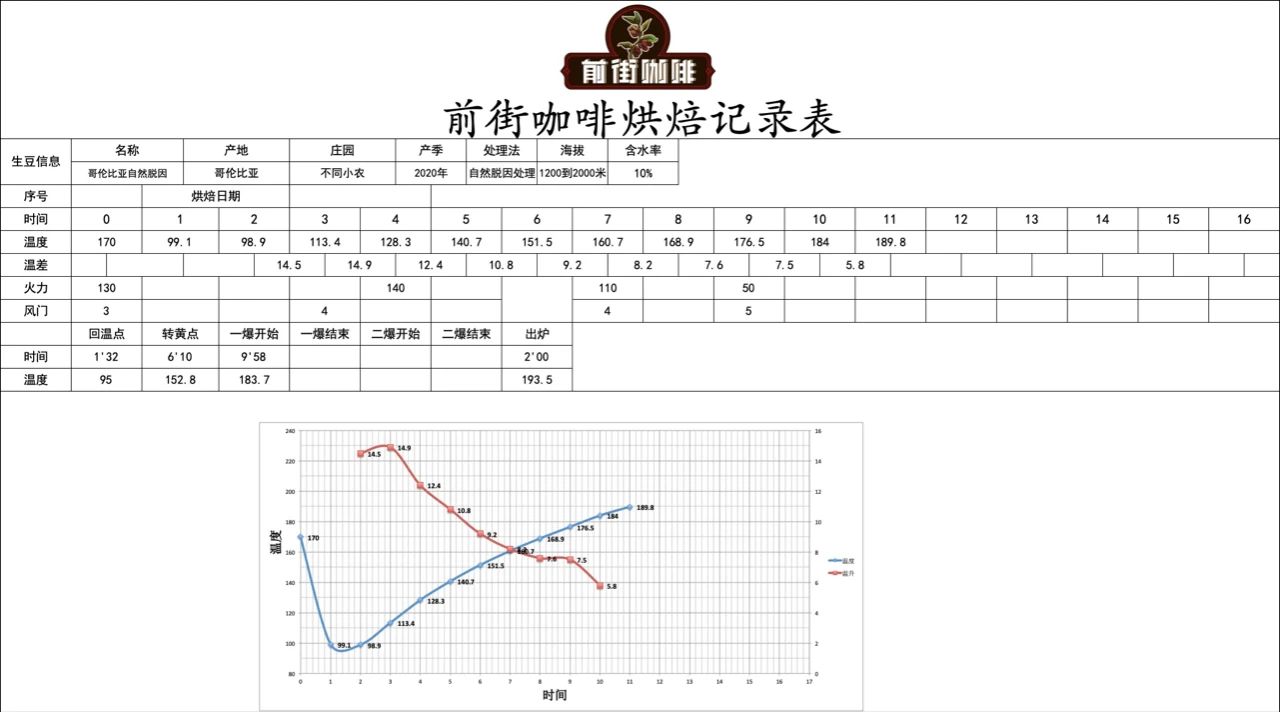
FrontStreet Coffee Roasting Suggestions
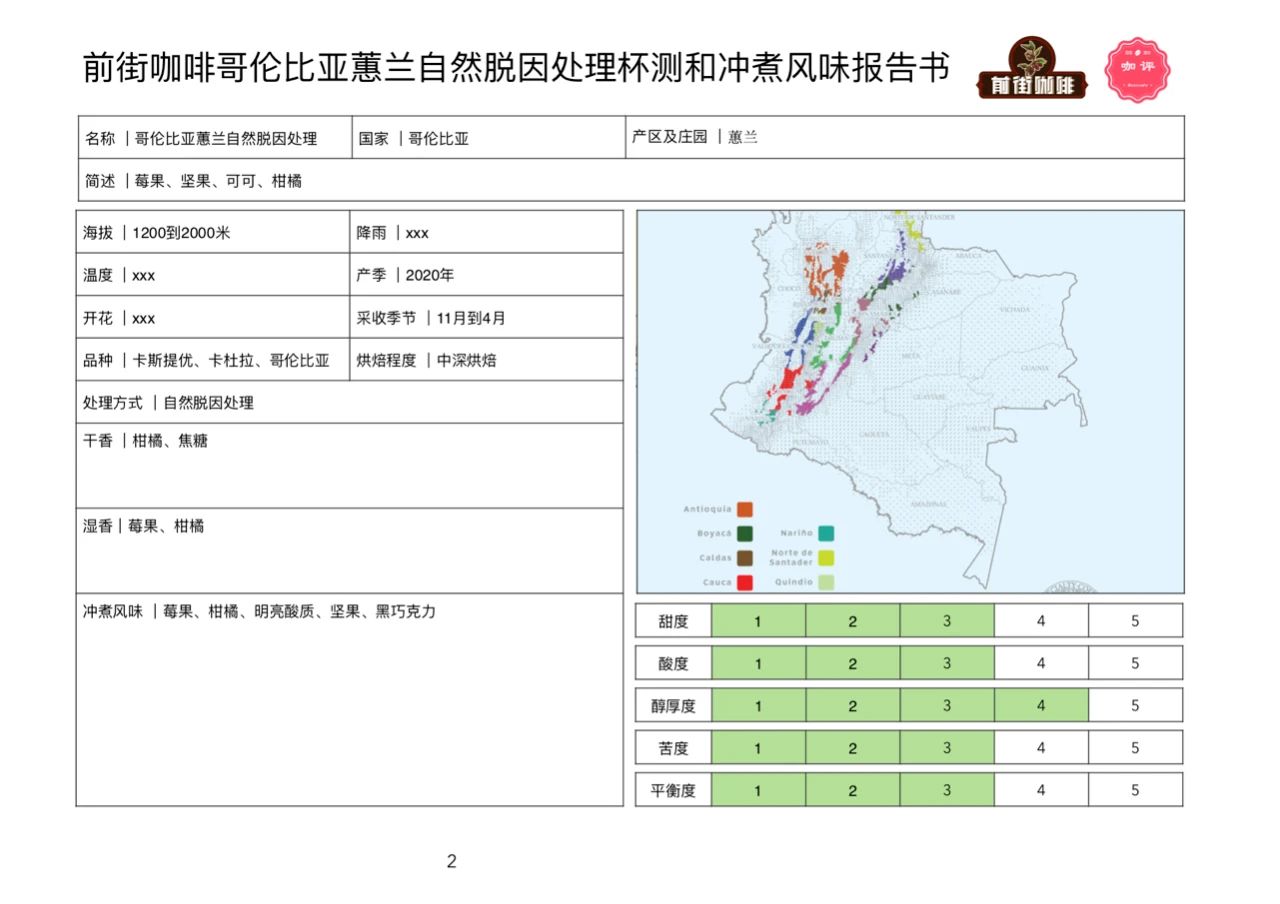
FrontStreet Coffee Cupping Report
How Does FrontStreet Coffee Brew Decaf Coffee?
- Dripper: Kono dripper
- Water Temperature: 88°C
- Coffee Dose: 15g
- Coffee-to-Water Ratio: 1:15
- Grind Size: Medium grind (75% pass-through rate on China standard #20 sieve)
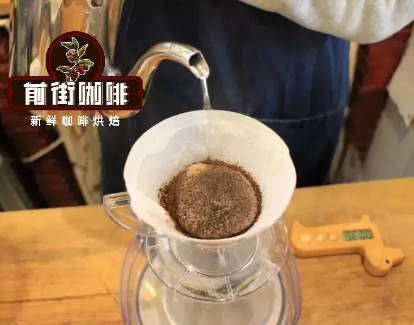
Brewing Method: Three-stage extraction. Start with a 30g bloom for 30 seconds. Once the water level drops to just expose the coffee bed, pour up to 125g and pause. When the bed is exposed again, pour up to 225g and stop. Remove the dripper when the level drops to expose the bed once more (timing starts from the bloom). Total extraction time is 2'30".
In the cup: citrus, berries, bright acidity, dark chocolate, nuts.
FrontStreet Coffee Recommendation
Since decaf borrows its cleanest techniques from washed processing, it is worth knowing what a great washed coffee tastes like. Washing strips away the fruit before drying, so the bean's own character takes center stage — bright fruit acidity, a clean profile, and a refreshing finish.
Two FrontStreet Coffee classics show the range. The Yirgacheffe Guodingding Cooperative lot, processed washed by a skilled village team, delivers jasmine florals and lively citrus acidity with green tea and honey tones after a medium-light roast. And the Jamaica Blue Mountain No.1 owes its balanced cup to washing as well — hazelnut, cream, chocolate, and caramel in a harmonious profile where nothing dominates and nothing is missing.
Important Notice :
FrontStreet Coffee is a long-established specialty coffee roaster in Guangzhou China, selling freshly roasted beans from its own farm in Yunnan as well as dozens of carefully selected single-origin beans from around the world for both pour-over and espresso. The products deliver consistently excellent quality and great value, with shipping within 24 hours. Guangzhou's FrontStreet Coffee shop is recommended by many coffee lovers, and the beans are now available online at the Tmall 。
FrontStreet Coffee has moved to a new address:
FrontStreet Coffee Address: 315,Donghua East Road,GuangZhou
Tel:020 38364473
 Scan and follow the En Gafei WeChat official account. Please indicate that the reprint comes from "En Gafei".