
Catimor Coffee Variety: How to Brew China Yunnan Catimor Arabica Coffee?
Yunnan Coffee Bean Varieties and Planting Overview
FrontStreet Coffee's Yunnan plantations grow mainly Typica and a small amount of Bourbon. Yunnan's coffee is dominated by Catimor, a hybrid carrying Robusta genes—quite different from other major growing regions that focus on traditional Typica. In Yunnan's domestic green-bean competitions, Catimor has consistently taken top-ten places, while high-quality pure Arabica varieties are rarely seen because very few farmers grow them. This has created the impression that Yunnan Catimor should not be underestimated. Ted Lingle, senior advisor at America's CQI, noted that when Catimor is planted above 1500 meters, it develops enhanced aroma and body, and with appropriate post-harvest processing its flavor can rival traditional old varieties. The saying that Yunnan coffee is not inferior emerged under these circumstances. Today, the main varieties grown in Yunnan include Catimor, Typica, Bourbon, Caturra, and Catuai, but almost everything on the market is Catimor. Yunnan small-bean coffee therefore now refers to Yunnan Catimor.
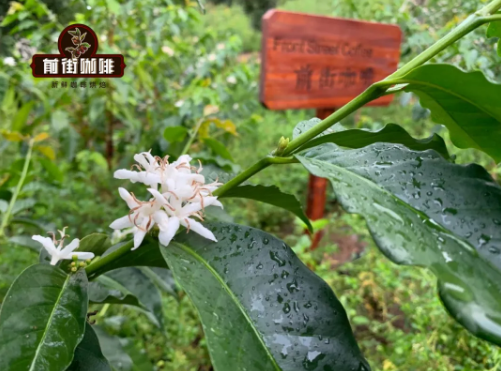
Catimor Variety (Small Bean Coffee)
In 1959, Portuguese breeders crossed Brazilian Caturra with Timor to create Catimor, a strongly disease-resistant variety that has since become an important commercial coffee. Coffee is a short-day plant that flowers multiple times with concentrated flowering periods. Yunnan small-bean coffee flowers from February to July, peaking from March to May. Flowering is strongly influenced by climate, especially rainfall and temperature. Coffee flowers live only 2-3 days. Small-bean coffee usually begins to open around 3-5 AM and reaches full bloom from 5-7 AM. Fruit development takes a long time: small-bean coffee fruit needs 8-10 months to mature, generally ripening from October to December of the same year. Rainfall greatly affects fruit development, and climate directly shapes the fruit.
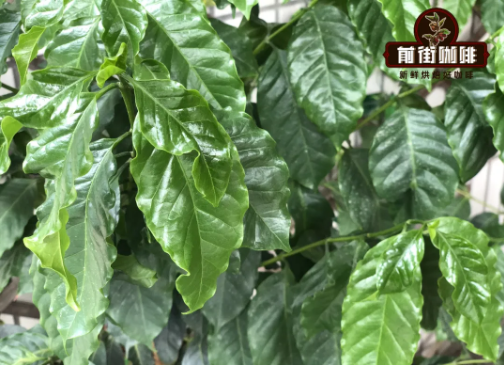
Catimor is a hybrid of Caturra and Timor—not to be confused with Caturra and Catuai. This highly disease-resistant plant withstands coffee leaf rust, which led to its widespread cultivation across Latin America in the 1980s. Unfortunately, because Timor (also known as Arabusta) is a natural hybrid of Arabica and Robusta, and the Robusta contributes disease resistance at the cost of Arabica's delicate flavor, Catimor loses some of that refinement.
Catimor small-bean coffee suits mountain slopes at altitudes of 800-1800 meters. Too high and the taste turns acidic; too low and it turns bitter. Most Catimor small-bean coffee is planted in dry-hot valley areas around 1100 meters, where it develops moderate acidity, rich aroma, and a smooth, mellow taste. Many parts of Yunnan offer environments uniquely suited to small-bean coffee, producing exceptionally high quality.
Yunnan Planting Regions
The main planting areas are Lincang, Baoshan, Simao, Xishuangbanna, and Dehong. Baoshan has an average temperature of 21.5°C, reaching up to 40.4°C, with essentially no frost all year, making it widely recognized as the best small-bean coffee region. The coffee grown here is known at home and abroad for being rich but not bitter and aromatic but not overpowering, with small, uniform beans, a full mellow aroma, and fruity notes. Tasting experts from the international coffee organization have rated Yunnan coffee in the same category as Colombian washed small-bean coffee, placing it among the world's high-quality coffees.
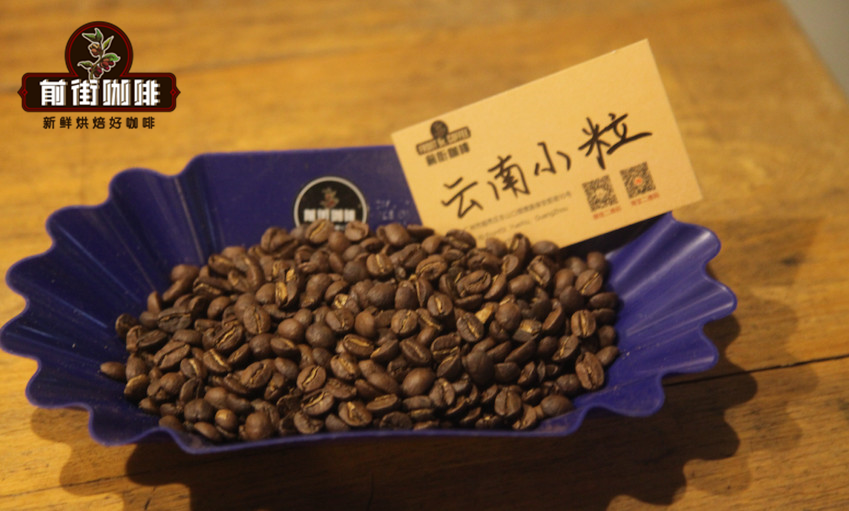
Representative Coffee Bean – FrontStreet Coffee Yunnan Small Bean Coffee
Region: Baoshan, China
Altitude: 1200m
Processing Method: Washed
Variety: Catimor
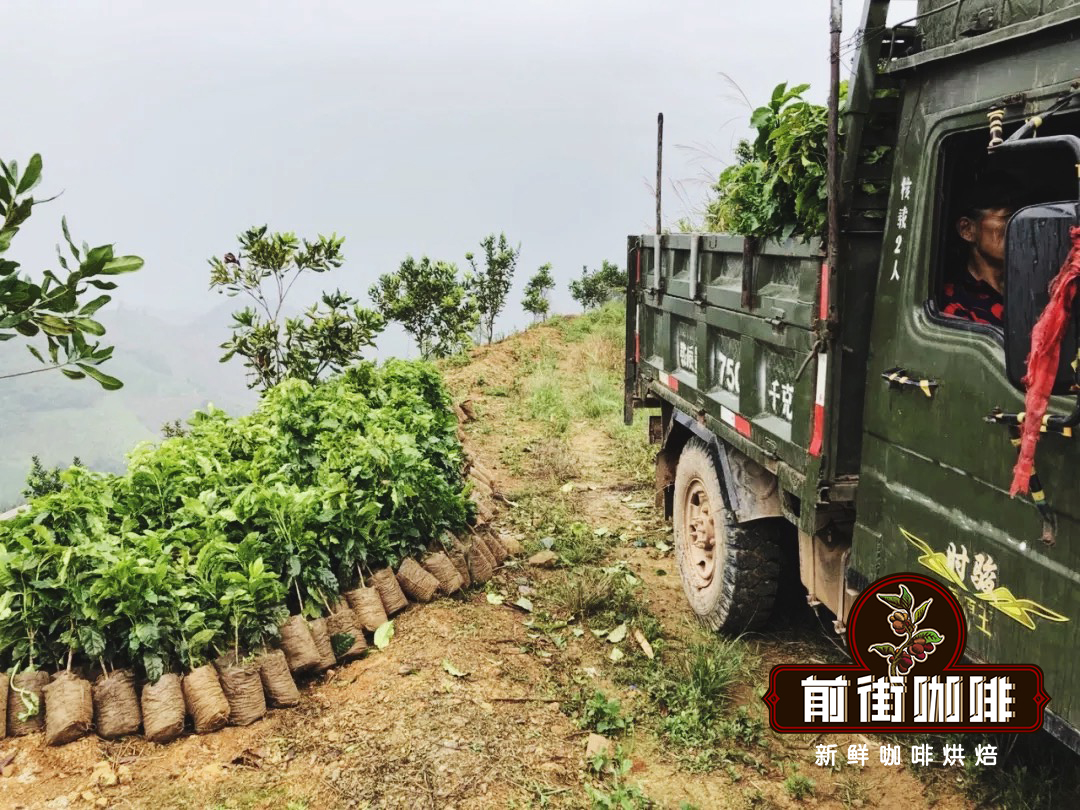
Yunnan Small Bean Coffee Processing Method
Because of the long rainy season and unstable climate, most Yunnan coffee is washed.
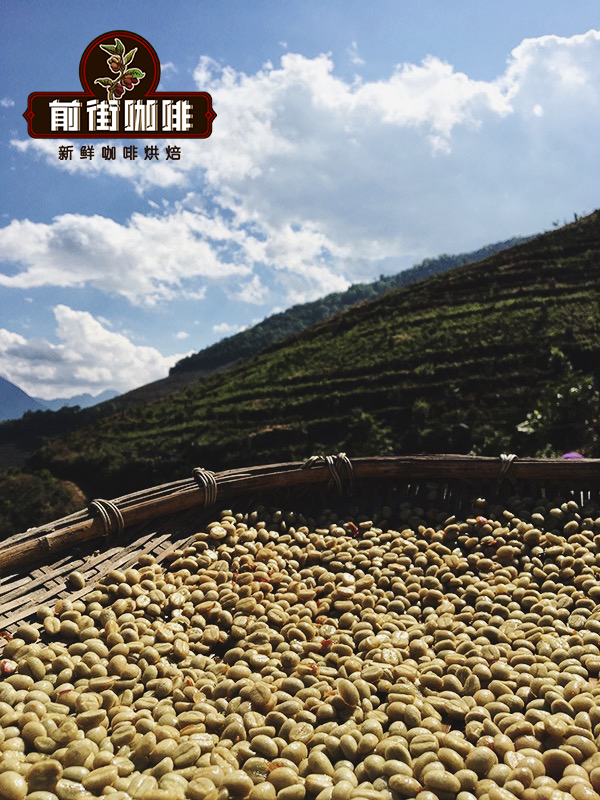
After harvesting, the berries are either sent directly to the pulper (when the picking is well managed) or gathered in a siphon tank filled with water, where they are cleaned and separated. Stones sink to the bottom and are removed by hand when the tank is emptied. Lighter berries float on the surface and are skimmed off with a strainer along with leaves and small branches. The berries suspended in the water are then recovered with a siphon and carried to the pulper.
FrontStreet Coffee Roasting Recommendations
Roasting Machine: Yangjia 800N (300 g batch size)
Set the roaster to 190°C, heat to 120, damper open to 3; the turning point comes at 1'40", and when the drum temperature reaches 145°C, open the damper to 4 with heat unchanged; when the temperature reaches 166°C the bean surface turns yellow, the grassy smell disappears completely, and the coffee enters the dehydration stage; when the temperature reaches 188°C, adjust heat to 60 with the damper at 5.
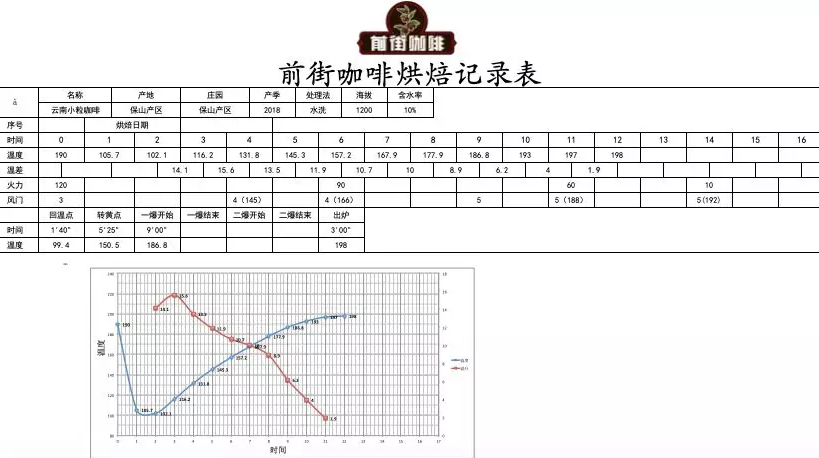
At 8'37", ugly wrinkles and black spots appear on the bean surface and the toast smell clearly shifts to coffee aroma, marking the prelude to first crack. Listen carefully for it. First crack begins at 9'00"; keep the damper unchanged, develop for 3 minutes after first crack, and discharge at 198°C.
FrontStreet Coffee Cupping Results
A smooth entry with Asian herbal and plant aroma, lively bright acidity, and a good balance between soft acidity and rich body. The cup is layered, with obvious dark chocolate, honey, and cane sugar in the aftertaste. Once fully cooled, brown sugar flavors emerge.
FrontStreet Coffee Brewing Recommendations
Because FrontStreet Coffee roasts Yunnan small-bean coffee to a medium-light level, we recommend a higher water temperature and a faster-flowing dripper. High temperature is needed to draw out the bright acidity, but we don't want over-extraction from that heat, so we choose the faster-flowing V60 dripper and 90-91°C water.
FrontStreet Coffee Brewing Parameters
Dripper: HARIO V60
Water Temperature: 90-91°C
Grind Size: BG#6m (fine sugar size)
Coffee-to-Water Ratio: 1:15
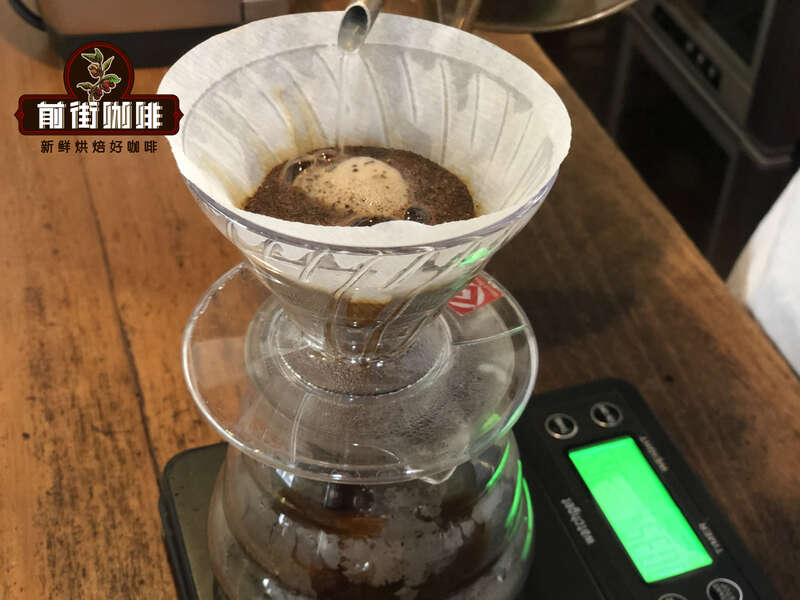
FrontStreet Coffee Brewing Method: First pour 30 g of water for a 30-second bloom, then pour another 95 g (the scale reads about 125 g) over about 1 minute. When the water level drops to two-thirds of the coffee bed, pour the remaining 100 g (the scale reads about 225 g), finishing in about 1 minute 40 seconds. Complete the drip in 1'55" to 2'00", then remove the dripper to finish extraction.
Yunnan Small Bean Coffee Brewing Flavor: A nutty aroma, with herbal, chocolate, and caramel notes on the palate and a light fruity acidity in the aftertaste.
FrontStreet Coffee Recommendation
If this Yunnan Catimor has sparked your interest in Chinese coffee, FrontStreet Coffee's Yunnan range is the place to continue. FrontStreet Yunnan Small Bean is an approachable introduction, washed and medium roasted to balance caramel sweetness with a little acidity, so the region's terroir comes through clearly.
To taste Yunnan with more definition, FrontStreet 2013 Yunnan Natural Typica comes from FrontStreet's own estate and uses the oldest, most traditional processing method—natural sun-drying—for a heavier body, brighter sweet-sour balance, citrus and berry tones, a hint of fermented wine aroma, caramel sweetness, and a creamy finish. Yunnan also stars in FrontStreet Black Cocoa, an espresso blend of Yunnan small bean and Brazilian Cerrado in which the Brazilian beans add mixed-nut aroma and balance while the Yunnan beans bring chocolate and citrus.
Important Notice :
FrontStreet Coffee is a long-established specialty coffee roaster in Guangzhou China, selling freshly roasted beans from its own farm in Yunnan as well as dozens of carefully selected single-origin beans from around the world for both pour-over and espresso. The products deliver consistently excellent quality and great value, with shipping within 24 hours. Guangzhou's FrontStreet Coffee shop is recommended by many coffee lovers, and the beans are now available online at the Tmall 。
FrontStreet Coffee has moved to a new address:
FrontStreet Coffee Address: 315,Donghua East Road,GuangZhou
Tel:020 38364473
 Scan and follow the En Gafei WeChat official account. Please indicate that the reprint comes from "En Gafei".

