East African Coffee Regions: An Introduction to Tanzania's Coffee Flavors and Main Processing Methods
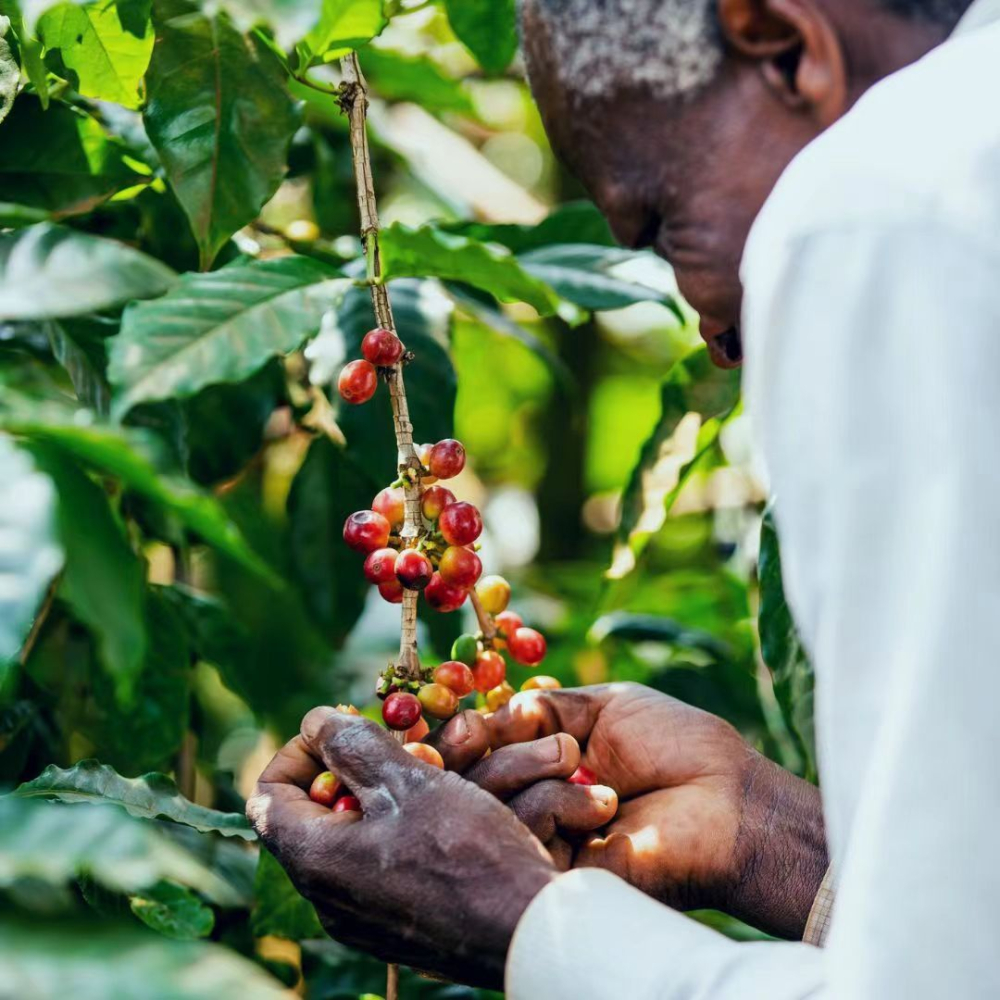
Geographically, Tanzania borders Kenya, and the two countries speak very similar languages, so their people interact closely. In the specialty coffee world, although both origins are chased by plenty of enthusiasts, Kenyan coffee clearly enjoys far greater fame. FrontStreet Coffee's comparisons have found that next to the dark berry notes of Kenyan coffee, Tanzanian coffee offers a softer, gentler profile, with moderate acidity set off by a light sweetness and an aftertaste that lingers endlessly.
The Story of Coffee Cultivation in Tanzania
Coffee first arrived from the French island of Reunion, carried by Christian missionaries from Kenya into Tanzania's Bayamoyo and Mogoro growing regions. Around 1893, coffee trees planted on the slopes of Mount Kilimanjaro, nourished by the fertile soil left by volcanic eruptions, were successfully harvested for the first time — and from then on, Tanzania began its chapter of coffee cultivation in earnest.
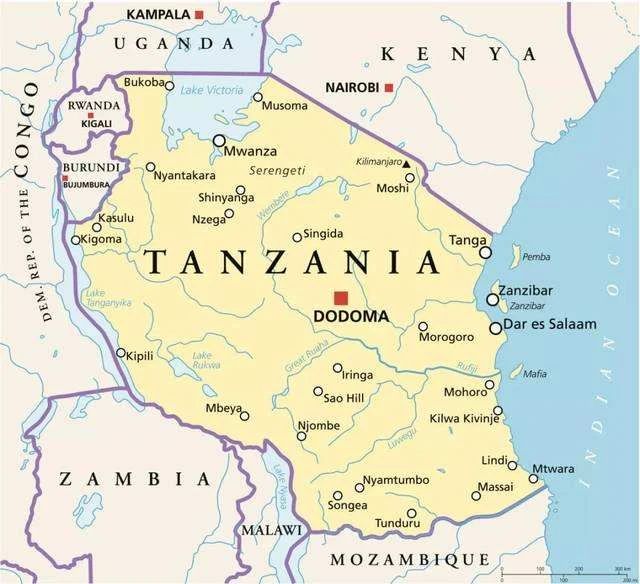
In 1911, the colonial government ordered large-scale cultivation of Arabica coffee in the Bukoba region. Later, in 1952, the first cooperative was established — the Kilimanjaro Native Planters' Association (KNRA) — and the number of farmers growing coffee grew accordingly. Through the 1950s, other coffee varieties were also gradually introduced from neighboring Burundi, planted mainly in western Tanzania.
After Tanzania gained independence in 1961, the country made coffee an economic priority and attempted to double production by 1970, though the plan never hit its target. Thanks to the efforts of local industry professionals, Tanzania's annual green coffee production now reaches approximately 60,000 tons — half Robusta and half Arabica.
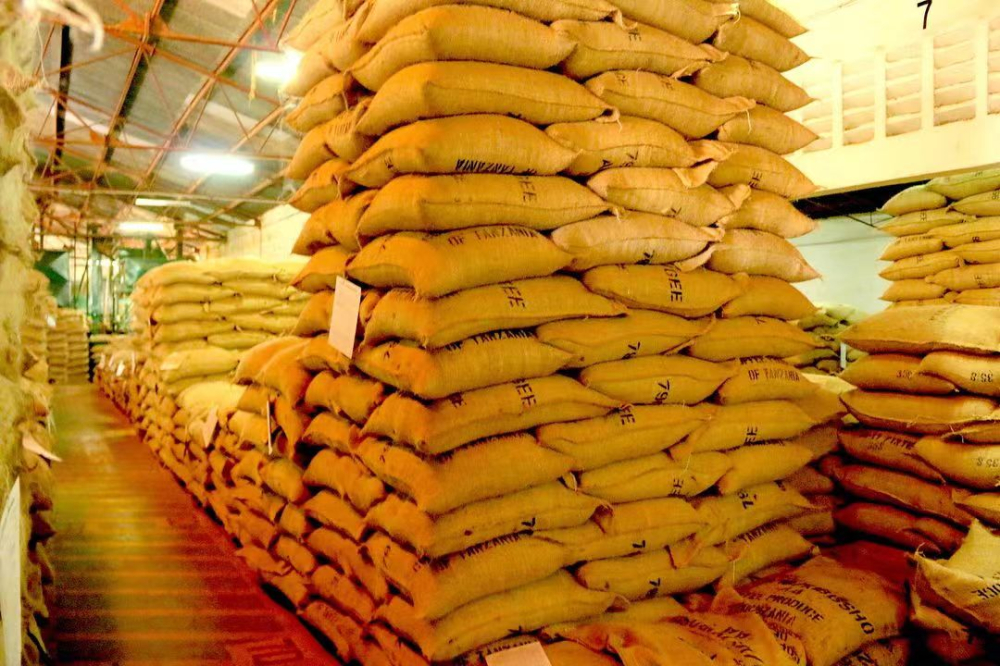
Tanzania's coffee industry was once dominated by estate cultivation and management, but today more than 80% is grown by small-scale farmers. Many of these smallholders form cooperative organizations, among which the Kilimanjaro Cooperative Union (KNCU) holds an important local position, chiefly responsible for controlling coffee quality. The coffee is then purchased by the Tanzanian Coffee Marketing Board (TCMB) and sold to private exporters through auctions.
Kilimanjaro
One of the East African countries richest in tourism resources, Tanzania borders three of Africa's great lakes: Lake Victoria, Lake Tanganyika, and Lake Nyasa (Lake Malawi). Mount Kilimanjaro, celebrated as "Africa's highest peak" at 5,895 meters, is world-renowned.
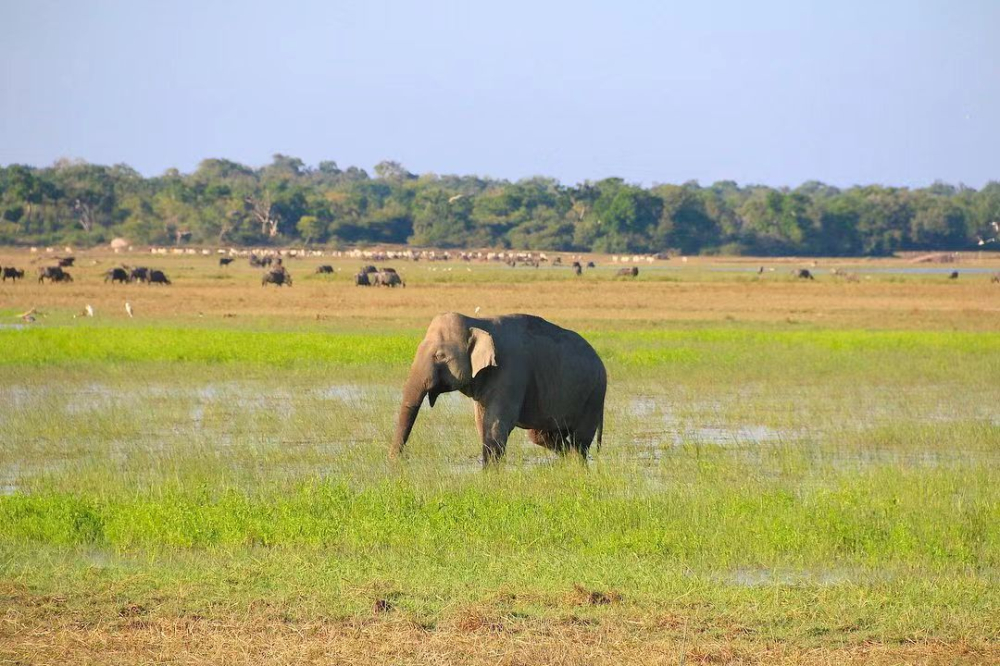
Kilimanjaro is a towering, perennially snow-capped massif, and one of the world's highest volcanoes and free-standing peaks. Farmland wraps around its base, with dense rainforest and alpine vegetation in the middle slopes. From foothills to summit, the mountain spans several distinct vegetation zones: semi-arid shrubland, well-watered farmland, dense cloud forests, open marshland, alpine desert, and zones of moss and lichen symbiosis. This rich diversity of ecosystems not only provides suitable habitat for rare wild animals to survive and breed — many economic crops also thrive in these conditions.
The Tanzanian coffee FrontStreet Coffee sources comes from Kilimanjaro, of the ancient heirloom Typica variety, processed by the traditional washed method. Roasted and brewed, it presents a fruit-tea profile reminiscent of citrus and honey, accompanied by fresh berry notes, for an extremely layered experience.
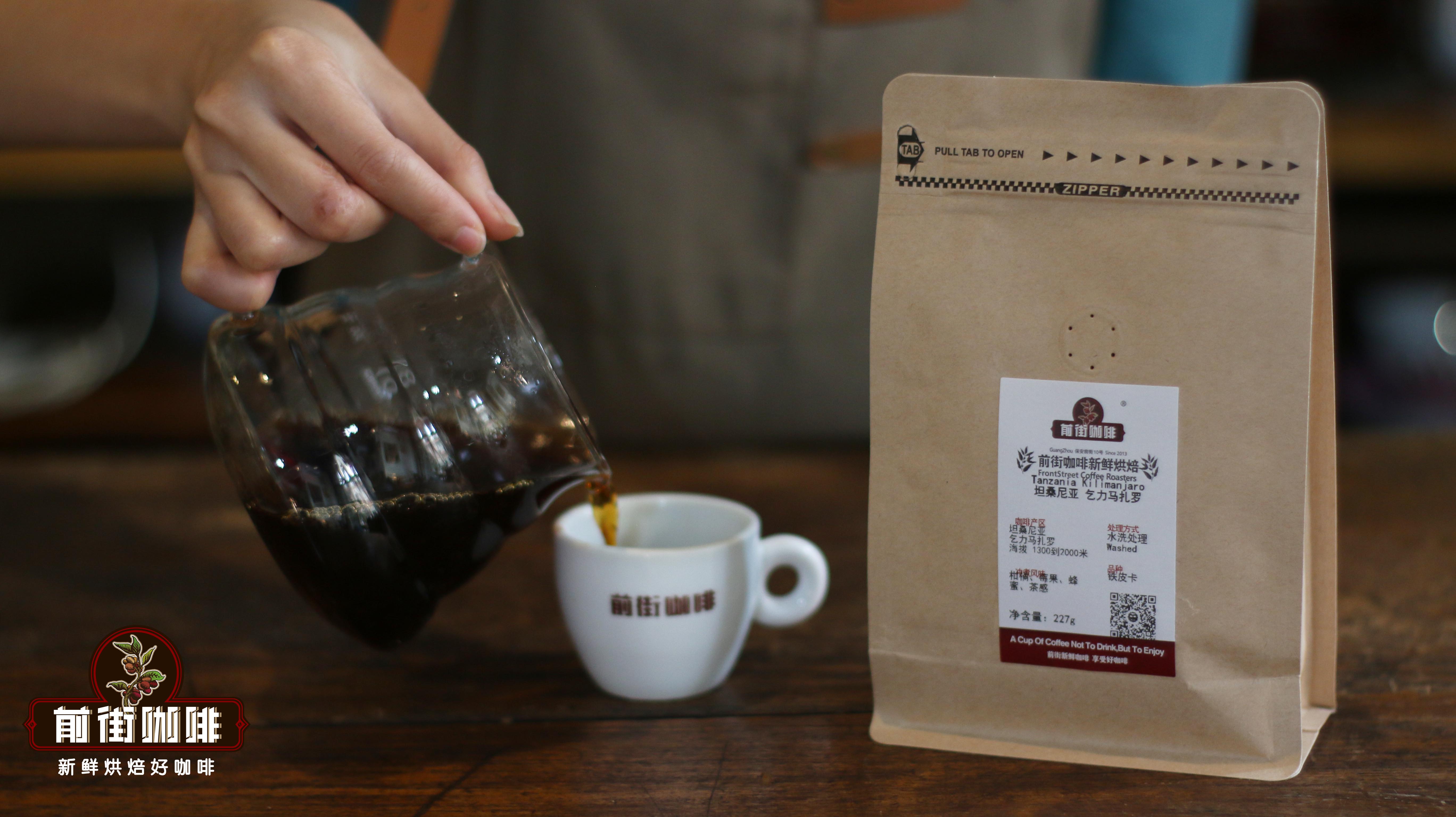
FrontStreet Coffee: Tanzania Kilimanjaro Coffee Beans
Region: Northern Highlands, Kilimanjaro Volcanic Region
Variety: Typica
Processing: Washed
Grade: AA
Altitude: 1300-2000m
Brewing Flavor: Citrus, berries, honey, tea-like notes
Main Processing Methods for Tanzanian Coffee
In Tanzania, coffee is mostly processed by the washed method. During the cherry harvest, farmers pick collectively and pack the fruit for transport to the nearest processing plant.
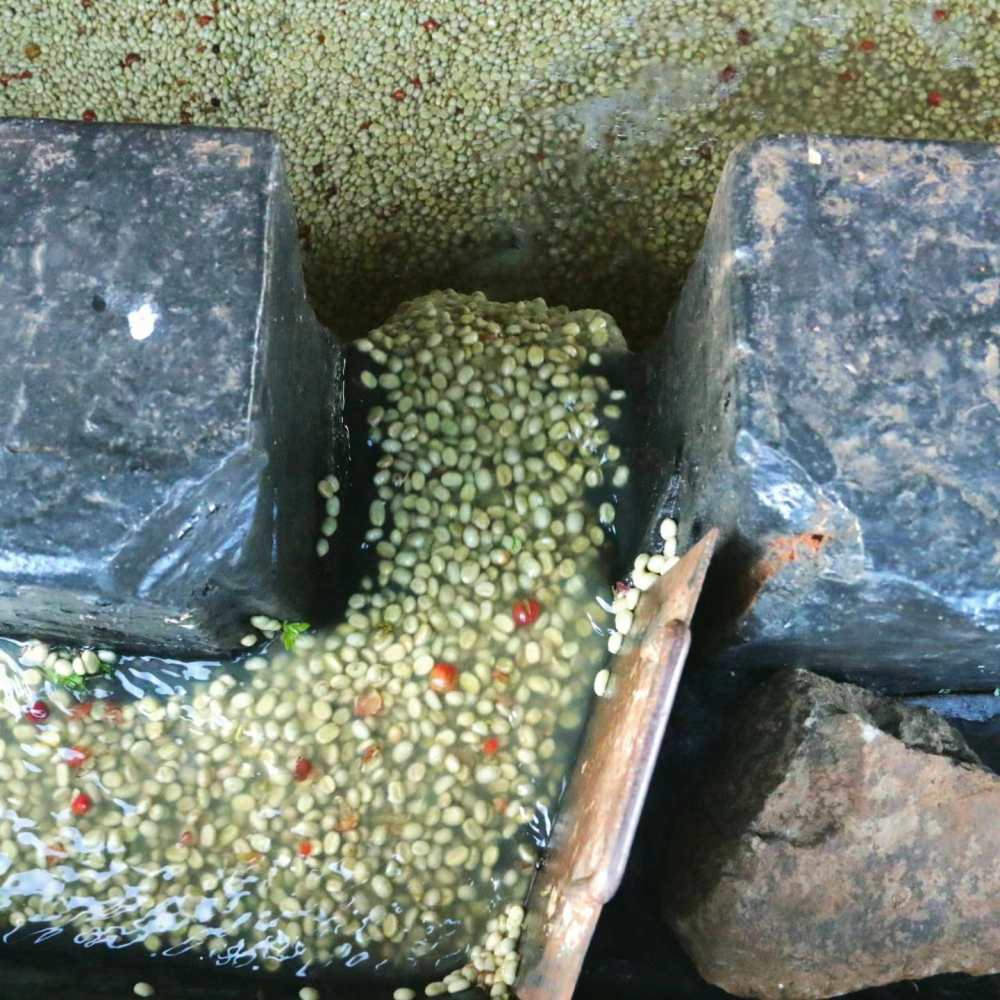
The washed process runs as follows: after picking, the cherries go into water, where buoyancy separates out any underripe fruit. A depulping machine then removes the skin and pulp, and the beans ferment in tanks for 18-36 hours until the mucilage layer decomposes. Once fermentation is complete, the parchment beans are washed in channels for 30-60 minutes; specially designed channels combined with water flow carry off low-density, poor-quality beans. The high-quality beans are then drained and spread out on African-style raised beds to dry.
Because the skin, pulp, and most of the mucilage are removed before formal drying, the bean's inherent aroma comes through clearer and more transparent, presenting citrus and lemon notes with elegant florals for an overall bright, delicate flavor profile.
Pour-over Brewing Suggestions for Tanzanian Coffee
When FrontStreet Coffee brews Tanzanian coffee, they extract it by pour-over. Since this Kilimanjaro lot is roasted medium-light and comes from high-altitude regions with a relatively dense, hard bean, FrontStreet Coffee chooses a medium-fine grind and a medium-high water temperature.

FrontStreet Coffee's pour-over parameter recommendations:
Dripper: V60
Water Temperature: 92-93°C
Dose: 15g
Ratio: 1:15
Grind Size: Fine sugar consistency (78% retention in #20 sieve)
First pour 30g of water for a 30-second bloom, then pour 95g more (the scale shows around 125g), completing the pour in about 1 minute. When the water level drops to 2/3 of the coffee bed, pour the remaining 100g (the scale shows around 225g), finishing the pour at about 1 minute 35 seconds. Drip filtration completes at 2'10" — lift off the dripper and the extraction is done.

Brewing flavor of the Tanzania Kilimanjaro beans: berry aroma, a gentle citrus acidity on entry, nutty notes in the middle, and a honey-like aftertaste.
FrontStreet Coffee Recommendation
Coffee species come down to three: Arabica, Robusta, and Liberica. Arabica boasts the most varieties with complex, pure flavors — it is the backbone of specialty coffee — and Typica, the variety in this Kilimanjaro lot, is one of its founding cultivars, spread from Yemen to India, Indonesia, and the Americas centuries ago. Typica's flavor is balanced, gentle, and smooth, with a mellow, unsharp acidity, though its weakness is low yield and poor disease resistance. For comparison, FrontStreet's Jamaica Blue Mountain No.1 is also Typica: transplanted from Martinique to Jamaica's Blue Mountains in the 1720s, it spent over 200 years evolving better disease resistance there — and outside Jamaica, its clear, sweet, quietly fragrant character simply cannot be replicated.
To explore more washed Arabica, FrontStreet Yirgacheffe Guodingding is a standout: from the Guodingding village processing station in Yirgacheffe town, graded at Ethiopia's highest G1 level, it shows the clean, luminous lemon and citrus tones that make washed Yirgacheffe famous, along with elegant white florals and a green-tea finish. If you'd rather try the natural side of Ethiopian coffee, FrontStreet Huakui uses the classic natural process on local heirloom varieties, offering cream strawberry, mango, jackfruit, citrus, and blueberry — the lush ripe tropical-fruit character that won first place in that year's TOH green bean competition.
Important Notice :
FrontStreet Coffee is a long-established specialty coffee roaster in Guangzhou China, selling freshly roasted beans from its own farm in Yunnan as well as dozens of carefully selected single-origin beans from around the world for both pour-over and espresso. The products deliver consistently excellent quality and great value, with shipping within 24 hours. Guangzhou's FrontStreet Coffee shop is recommended by many coffee lovers, and the beans are now available online at the Tmall 。
FrontStreet Coffee has moved to a new address:
FrontStreet Coffee Address: 315,Donghua East Road,GuangZhou
Tel:020 38364473
 Scan and follow the En Gafei WeChat official account. Please indicate that the reprint comes from "En Gafei".