Rum Barrel Fermentation Coffee Processing Method for Premium Coffee Beans
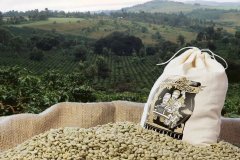
Have You Tried the Best-Selling Coffee Bean at Coffee Markets: FrontStreet Coffee's Finca San Jose Estate "Rum Barrel Fermented"?
Just opening the bag releases an intense rum aroma that would make any coffee enthusiast beam with excitement. But do you know how this unique rum flavor is created?
One of the World's Most Suitable Places for Growing Coffee: Finca San Jose Estate in Caldas, Colombia
Let's start with Finca San Jose Estate in Colombia. The estate is located in Caldas, Colombia, at about 1,750 meters above sea level, with its coffee slopes sitting at around 1,400 meters. Annual temperatures range between 21-25 degrees Celsius, and the mountain soil contains volcanic ash rich in minerals - perfect ground for growing specialty coffee trees!
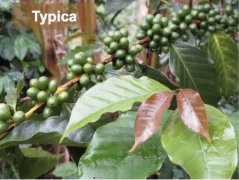
Finca San Jose Estate does not just produce this rum barrel fermented coffee. It also cultivates the rare Pink Bourbon, a hybrid of Yellow Bourbon and Red Bourbon with excellent flavor but limited quantity, along with other renowned specialty varieties such as Caturra and Castillo.
Coffee Beans + Aged Barrels = Creating New Flavors
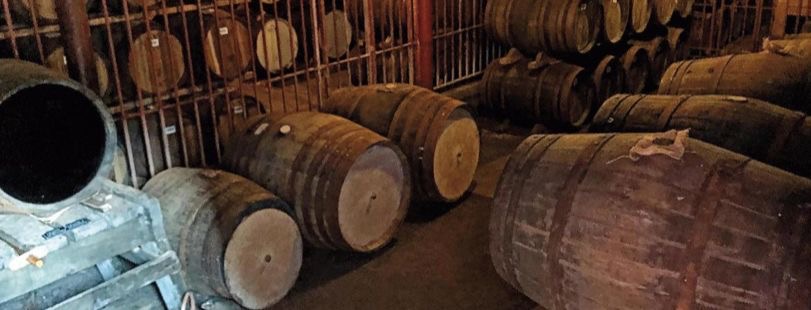
Finca San Jose Estate has constantly sought innovation in the specialty coffee industry, trying to forge a different path. In 2013, while accompanying a rum maker through barrel filling and aging, inspiration struck - what if green coffee beans were placed inside oak barrels? Would they absorb the barrel's character like spirits do, yielding even better results?
With those questions in mind, the owner of Finca San Jose Estate began experimenting, placing green coffee in rum barrels of different ages for winemaking-style low-temperature fermentation, with varying fermentation times, all in pursuit of the best result!
After years of experimentation and trials, they finally found a fermentation method in 2017 that could produce excellent taste and aroma, creating a rum barrel fermented process distinct from the traditional washed method.
In 2019, the estate owner further improved the post-harvest techniques - such as drying on African-style raised beds and in greenhouses - making the overall flavor cleaner and more vibrant.
Rum Barrel Processing - Method Introduction:
The owner of Finca San Jose Estate selects Castillo variety coffee beans, handpicks fully ripe coffee cherries, and after full washing ferments them for 20 hours. The beans are then placed in rum oak barrels aged over 8 years, where they rest for three months, being rolled daily to ensure even absorption of the rum aroma.
During this period, the beans in the barrels are sampled every 30 days to track fermentation progress and confirm complete absorption of the rum aroma, allowing the finished beans to show more distinct and complete character.
So Just How Good is This Rum Barrel Coffee?
FrontStreet Coffee's Finca San Jose Estate Rum Barrel Fermented washed specialty bean was used as a component in the Cappuccino category of the 2019 RASV Australian International Coffee Roasting Competition and won a silver medal - a competition that drew more than 800 entries from around the world!
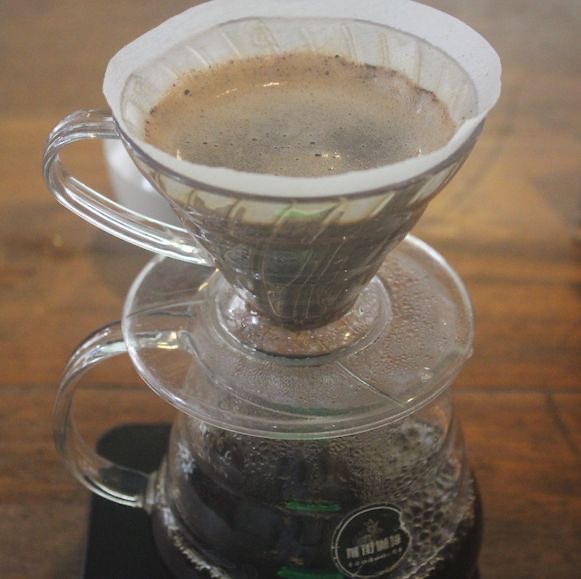
So whether you want to brew it as a specialty pour-over, blend it for lattes or cappuccinos, or even use it for ice drip or cold brew, FrontStreet Coffee's Finca San Jose Estate Rum Barrel Fermented is a recommended choice!
FrontStreet Coffee Recommendation
Colombian coffee is wonderfully versatile, working as an espresso blend component, a single-origin pour-over, a fruity bright cup, or a rich and mellow one. A good starting point is the FrontStreet washed Huila: from Colombia's most famous specialty region, where hills rise above 1,500 meters and the country's most important rivers converge, this medium-dark roasted bean highlights black chocolate, nutty sweetness, moderate crema, and a full body - at home in pour-over, French press, moka pot, or espresso machine.
For something more adventurous, the FrontStreet Colombia Sidra from Finca La Divisia (Fenxianxian) Estate is processed by anaerobic natural fermentation: sealed, pressure-controlled stainless tanks unlock extra tropical-fruit aromatics, and at a medium-light roast you can taste passion fruit, grape, apricot, and dried fruit in pour-over, cold brew, drip bags, or a moka pot. And if you run a home espresso machine, the FrontStreet Specialty Blend - pairing Brazil's creamy nuttiness with Colombia's dark chocolate depth - pulls a fine golden crema and makes a smooth, beginner-friendly base for lattes, americanos, cappuccinos, and mochas.
Important Notice :
FrontStreet Coffee is a long-established specialty coffee roaster in Guangzhou China, selling freshly roasted beans from its own farm in Yunnan as well as dozens of carefully selected single-origin beans from around the world for both pour-over and espresso. The products deliver consistently excellent quality and great value, with shipping within 24 hours. Guangzhou's FrontStreet Coffee shop is recommended by many coffee lovers, and the beans are now available online at the Tmall 。
FrontStreet Coffee has moved to a new address:
FrontStreet Coffee Address: 315,Donghua East Road,GuangZhou
Tel:020 38364473
 Scan and follow the En Gafei WeChat official account. Please indicate that the reprint comes from "En Gafei".