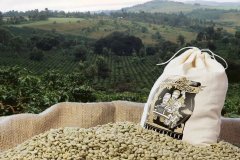
Introduction to Kenyan Coffee Flavor Varieties and Characteristics - Brewing and Taste Description of Washed Kenyan Coffee Beans
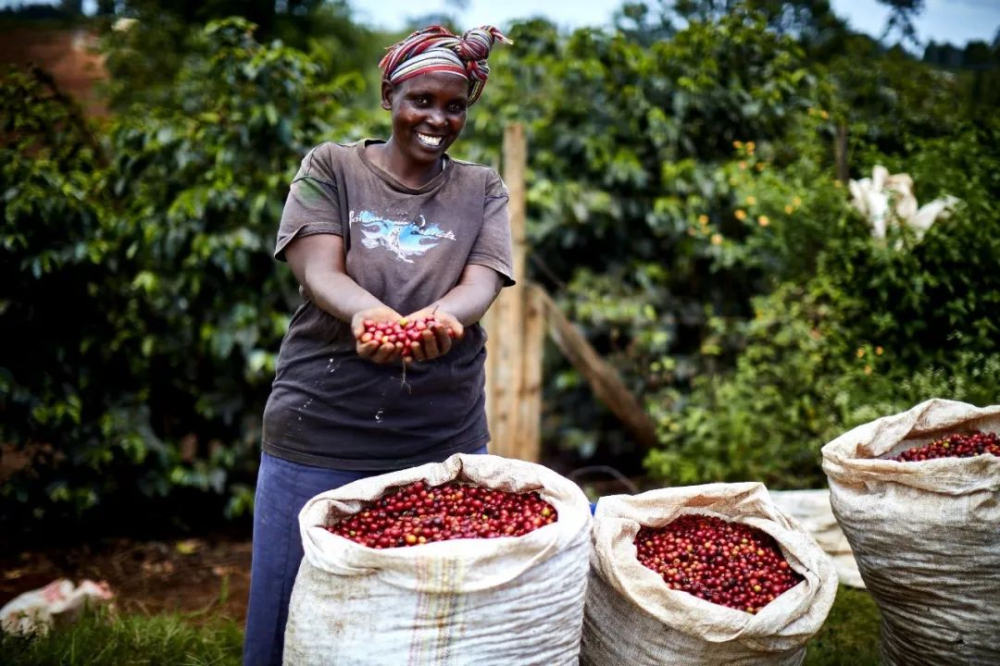
When the conversation turns to acidic coffee, the first origin FrontStreet Coffee thinks of is Kenya. It opens with rich cherry tomato notes, then plum, dark berries, and caramel, building a juicy sweet-and-sour impression. The bright acidity creates a remarkably complex flavor experience. That striking aroma comes down to Kenya's high-quality selection of coffee varieties and its distinctive washed processing method.
The Varieties Behind Kenyan Flavor
Unlike many coffee-producing regions, Kenyan coffee varieties are usually identified by letters and numbers, the most common being SL28 and SL34.
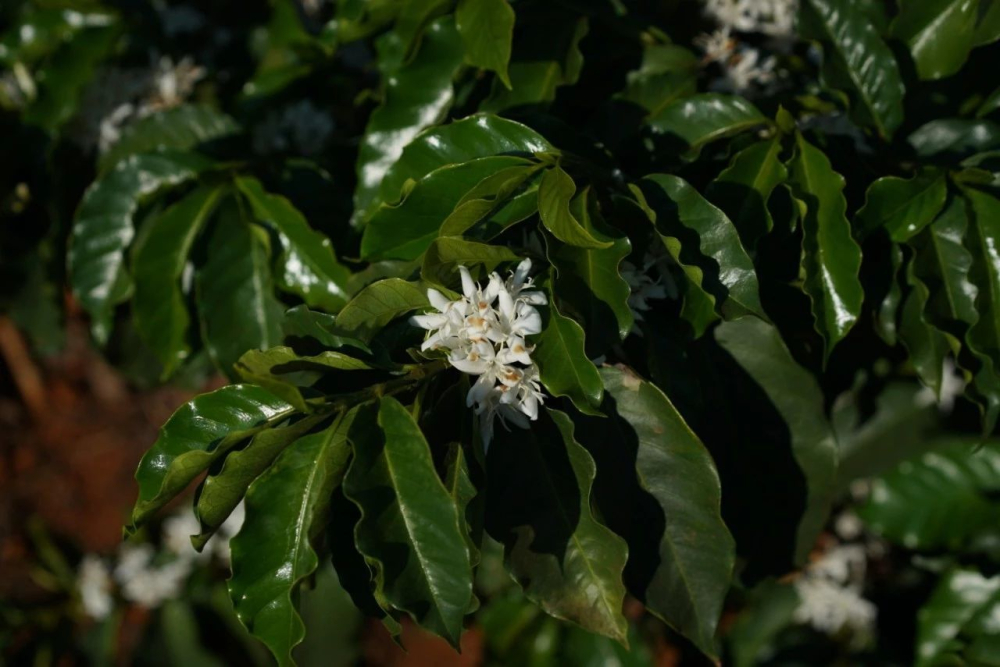
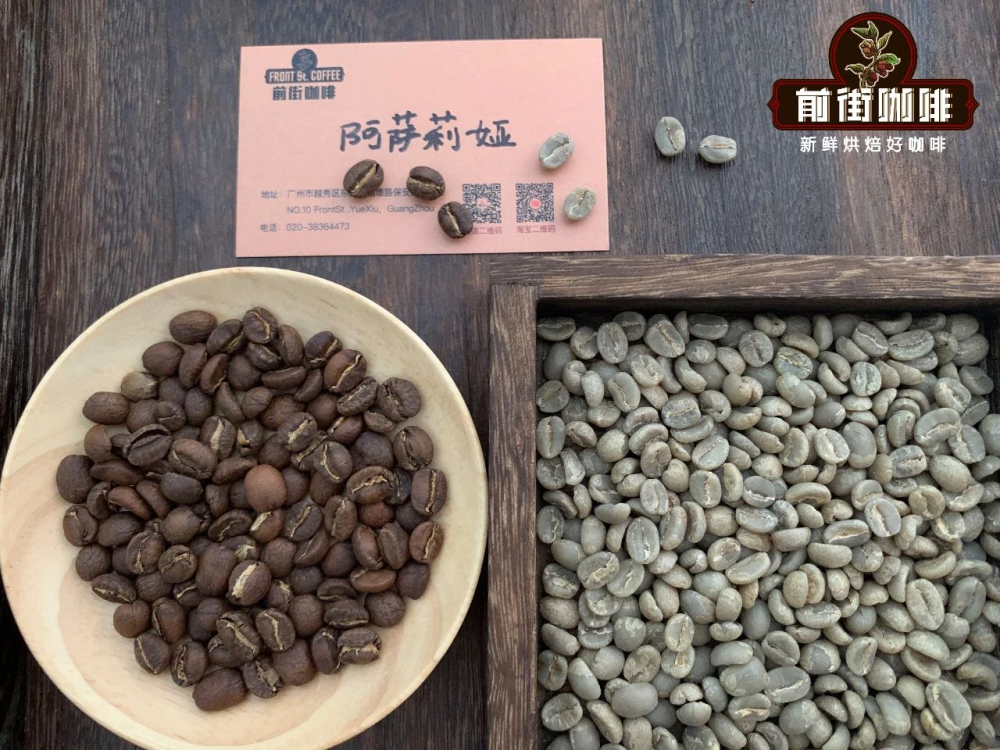
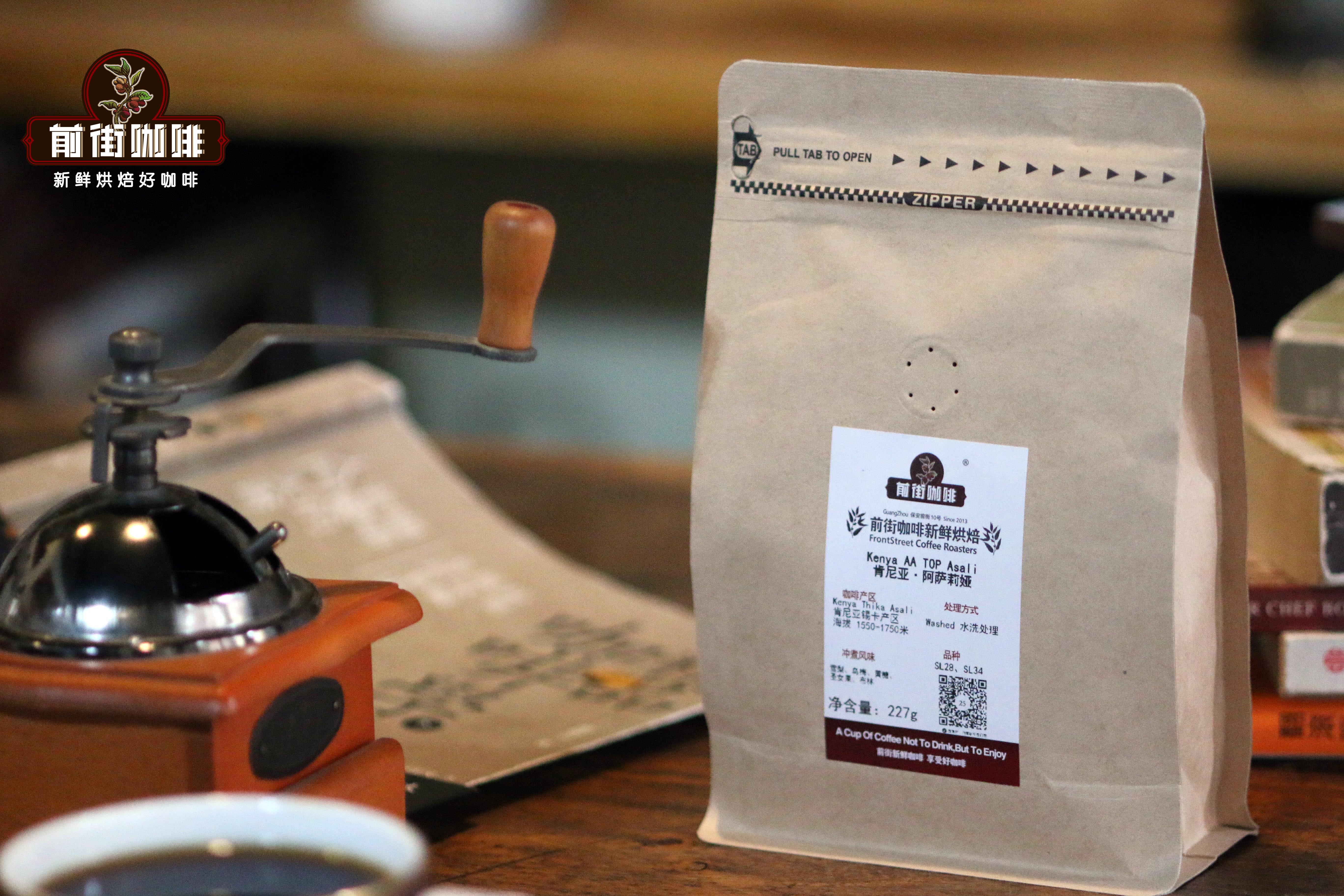
SL stands for Scott Laboratories. In the 1930s, Scott Laboratories was commissioned by the Kenyan government to research and classify coffee breeding, looking for varieties that could adapt to Kenya's terroir, suit large-scale cultivation, and carry commercial value. The SL series contains many varieties, but SL-28 and SL-34 are unquestionably the two most celebrated in specialty coffee. These two hybrid princes defined Kenya's signature flavor: high sweetness, delicate balance, prominent citrus and plum notes, and a rich mouthfeel. The Asalia coffee beans on FrontStreet Coffee's menu are composed of these two outstanding varieties.
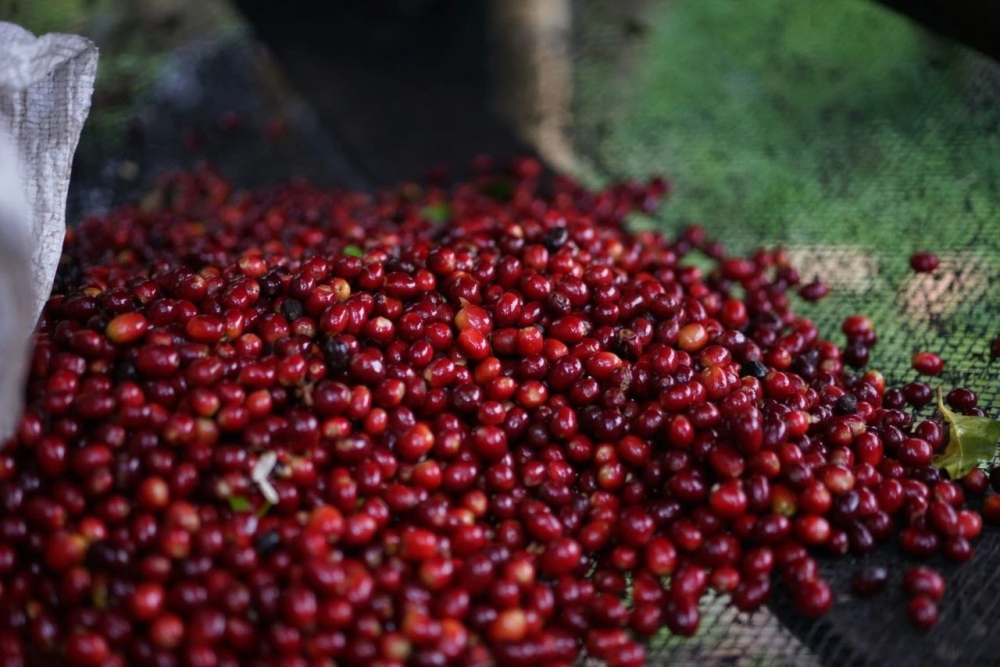
SL28 and SL34 are found throughout Kenya. SL28 is a mix of Bourbon, Mocha, Yemeni, and Typica, while SL34 contains Bourbon and more Typica. Its beans look much like SL28, but the plant adapts better to the sudden heavy rains of Africa. Order a cup of Kenyan coffee in a café today and it is basically one of these two varieties, and the two are almost always "mixed together," which is why Kenyan coffee is essentially a blend of SL28 and SL34.
The flavors of SL28 and SL34 are similar, both showing complex berry-like acidity and a caramel-sweet aftertaste. Compared with SL28, SL34 has a heavier mouthfeel, with acidity leaning toward blackberries and other berries, an overall sweet-and-sour balance, and a caramel aftertaste. As SL28 cools, it drifts toward blueberry-like acidity, with slightly elevated acidity and higher sweetness, consistent with Bourbon's high sweetness. Through cupping comparison, we find that SL34 from the same origin has milder acidity than SL28, while SL28 is brighter.
What Makes Kenyan-Style Washing Distinctive
Processing is one of the most important links in the coffee supply chain, and different methods play a decisive role in a bean's quality and flavor direction. In Kenya's coffee industry, primary processing happens mainly at washing stations. Many producing countries have washing stations, but in Kenya especially, most beans go through washed processing.
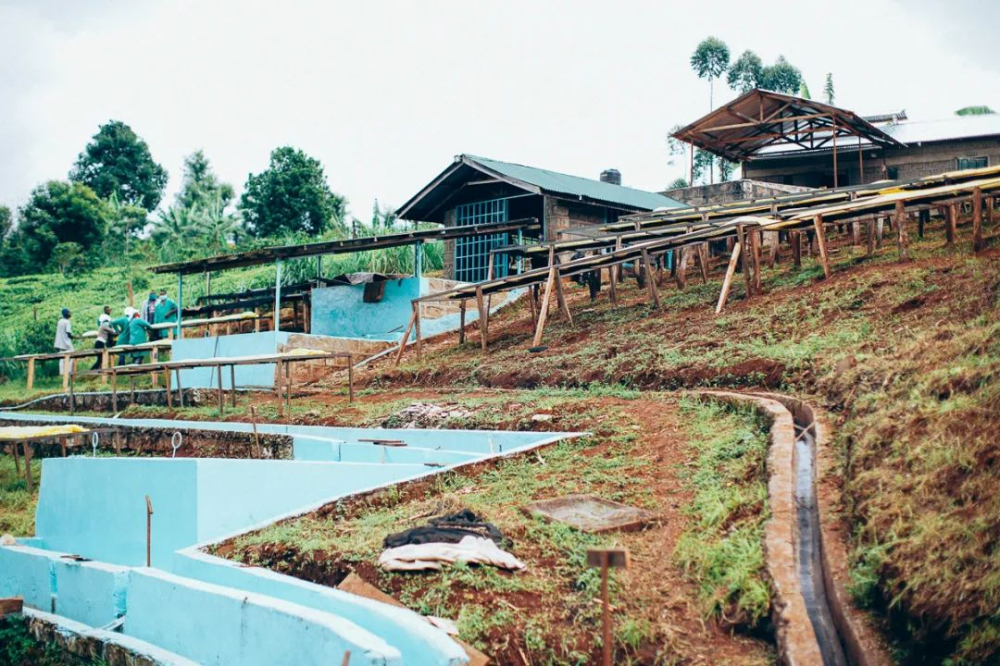
Many of Kenya's washing stations sit along riverbanks so they have easy access to water for washing coffee. Their method processes the harvest the same day, selecting the finest cherries for pulping and fermentation, with a fermentation time of 24 hours. After 24 hours, the beans are washed with clean river water. They then ferment again for another 24 hours in clean river water, followed by another wash. After repeating this cycle three times, reaching 72 hours, it is called the Kenyan-style 72-hour fermentation washed method, abbreviated "K72." This repeated fermenting and washing gives Kenyan beans a cleaner, brighter acidity.
The Flavor of Washed Kenyan Beans
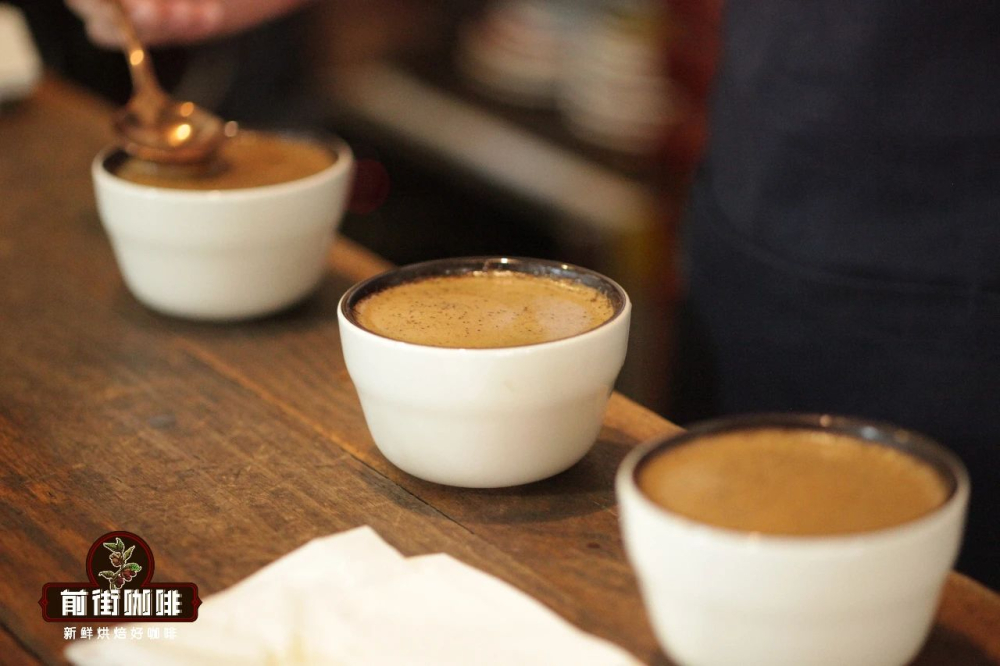
For roasting, FrontStreet Coffee uses a light roast to showcase the complex, varied acidity and floral notes of Kenyan coffee. In cupping, FrontStreet Coffee finds this Asalia bean showing cherry tomato and plum flavors, with bright acidity, a clean mouthfeel, medium body, prominent mid-palate sweetness, a juice-like sensation, and a berry aroma with brown sugar sweetness in the aftertaste, plus a green tea fragrance. When brewing, FrontStreet Coffee's baristas try to carry that same distinctive profile through to the cup.
Light roasting does little to soften the high hardness of high-altitude beans, so brewing requires a higher extraction rate to reveal fuller flavor layers. FrontStreet Coffee therefore uses a higher water temperature and a slightly finer grind to draw out more aromatic compounds.
To raise the extraction rate of Kenyan coffee and thereby highlight the sweet-and-sour layers while avoiding over-extraction, FrontStreet Coffee's barista uses a V60 dripper. The V60 body has ribs running from top to bottom and a large central hole that speeds up the water flow, while the spiral exhaust grooves extend the water's path, increasing the contact time between grounds and hot water. Each stream of water converges along the grooves toward the center of the dripper, concentrating pressure on the coffee bed and extracting a coffee with richer layering.
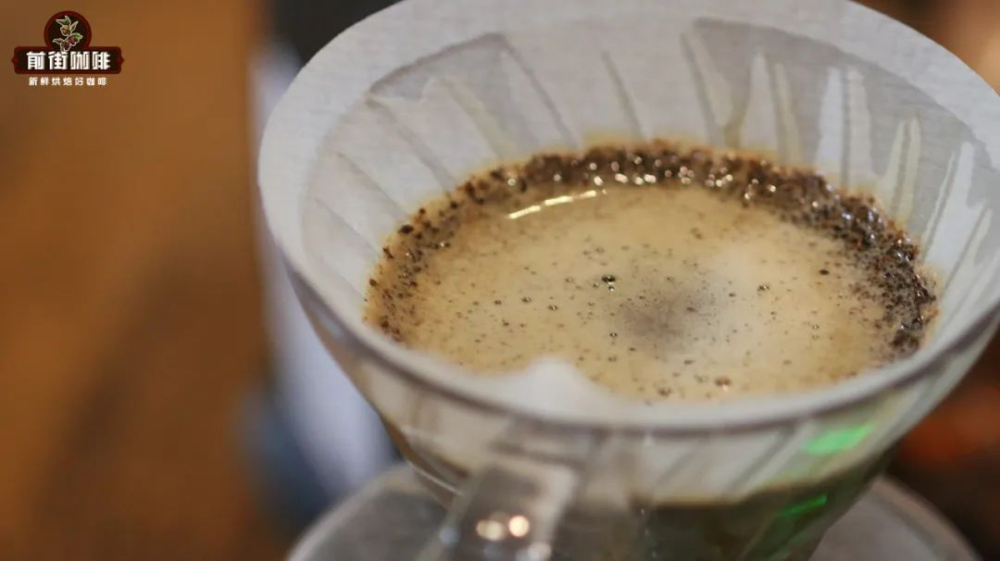
FrontStreet Coffee's Brewing Demonstration
Next, FrontStreet Coffee demonstrates the steps for brewing Kenyan Asalia the way it is served in their shop. You can use this as a reference and compare it with your own approach.
FrontStreet Coffee's Pour-over Parameters:
Dripper: V60
Water temperature: 91-92°C
Coffee dose: 15g
Coffee-to-water ratio: 1:16
Grind size: fine sugar size (80% passing through a #20 sieve)
Bloom with 30g of water for 30 seconds. Using a small stream, pour in a circular motion to 125g, then segment. When the water level drops and is about to expose the coffee bed, continue pouring to 225g and stop. When the water level drops again and is about to expose the coffee bed, remove the dripper. (Timing starts from the bloom.) Total extraction time is 2'00".
The dry aroma smells of honey and plum. The wet aroma brings ripe tomato and light floral notes. The first sip delivers bright cherry-tomato acidity with a rich, solid mouthfeel. In the middle, you feel the high sweetness of brown sugar. The sweet-and-sour of berries and fruit is delightful, and the finish carries caramel aroma.
FrontStreet Coffee Recommendation
If the double-washed Kenyan profile appeals to you, FrontStreet Kenya Cherry Tomato is the closest match in the FrontStreet lineup. This specialty washed Kenyan bean centers on vivid cherry tomato and smoked plum acidity with a full, juicy body. It comes from Kenya's Thika region, grown at 1,550-1,750 meters from the classic SL28 and SL34 varieties, and processed with Kenya's signature 72-hour double washed fermentation. A light roast preserves its lively acidity, so the dry aroma already shows concentrated dried cherry tomato and florals, while the cup gives clear cherry tomato and smoked plum notes with prominent mid-palate sweetness and a clean, long finish of yellow-sugar sweetness and a touch of green tea.
For a softer, more floral Kenyan-style experience, FrontStreet Yirgacheffe Gedingding offers an elegant contrast. Washed processing highlights jasmine florals and bright citrus acidity, and a light-to-medium roast brings out green tea and honey tones. It is versatile across pour-over, cold brew, and espresso.
Important Notice :
FrontStreet Coffee is a long-established specialty coffee roaster in Guangzhou China, selling freshly roasted beans from its own farm in Yunnan as well as dozens of carefully selected single-origin beans from around the world for both pour-over and espresso. The products deliver consistently excellent quality and great value, with shipping within 24 hours. Guangzhou's FrontStreet Coffee shop is recommended by many coffee lovers, and the beans are now available online at the Tmall 。
FrontStreet Coffee has moved to a new address:
FrontStreet Coffee Address: 315,Donghua East Road,GuangZhou
Tel:020 38364473
 Scan and follow the En Gafei WeChat official account. Please indicate that the reprint comes from "En Gafei".