An Analysis of 10 Categories in the Coffee Flavor Wheel - How to Describe Coffee Flavors - Introduction to the Flavor Wheel
Nearly everyone knows coffee - but asked to describe its taste, not everyone can put it into words. Some will say coffee is just bitter or sour, with nothing distinctive, all cups tasting roughly the same. Plenty of newcomers feel this way. When baristas talk about lemon acidity, berry undertones, floral aromas, or chocolate nuances, it sounds incredible that so many flavors could come from a single sip. Why can't I taste any of that? The barista's answer: taste more often, and taste mindfully. And then, finally, the barista points to the coffee flavor wheel and explains that it can serve as a reference when tasting, helping you identify exactly what you're experiencing.
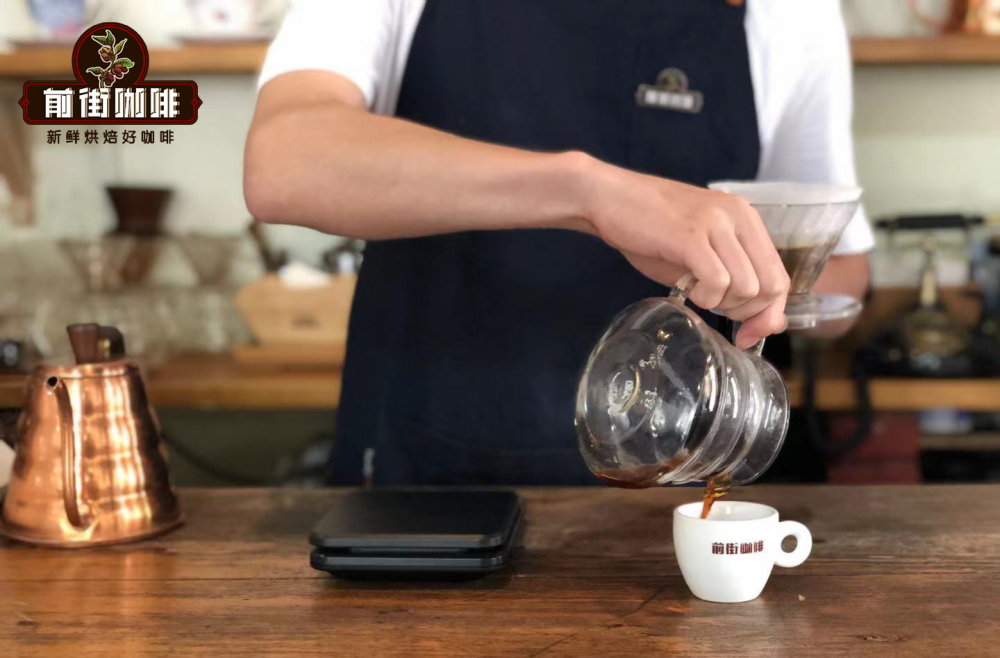
Have you ever noticed that when drinking coffee, the taste feels familiar but you can't quite place it? That's when the flavor wheel comes in handy. Our sensory memory of tastes and aromas is often underused. A cup of coffee awakens those flavor sensations, but you may not recall them right away. The wheel's comprehensive flavor spectrum acts like a mentor, guiding you back to those memories.
Coffee Flavors
Coffee's flavors are closely tied to its growing region and strongly shaped by roast level - different roast levels produce different flavors. When FrontStreet Coffee tastes coffee, we focus on how the four fundamental tastes - sweet, sour, bitter, and salty - are expressed, and these are closely linked to roast degree. That's why the flavor wheel groups flavors into light-to-medium roasts and dark-to-heavy roasts. In light-to-medium roasts, the compounds behind "sour and sweet" have lower molecular weight, higher polarity, and higher water solubility, so they tend to dissolve in the first half of extraction, while the "bitter and salty" compounds have higher molecular weight, lower polarity, and lower solubility, typically dissolving in the second half. Light-to-medium roast coffees are dominated by low-to-medium molecular weight sour and sweet compounds, though defective beans or poor roasting can introduce unpleasant bitter and salty notes even in lighter roasts. Dark roasts are dominated by high-molecular-weight bitter and salty compounds. But dark roasting isn't without merit - the most prized dark-roast profile is "rich but not bitter, mellow and smooth on the throat."
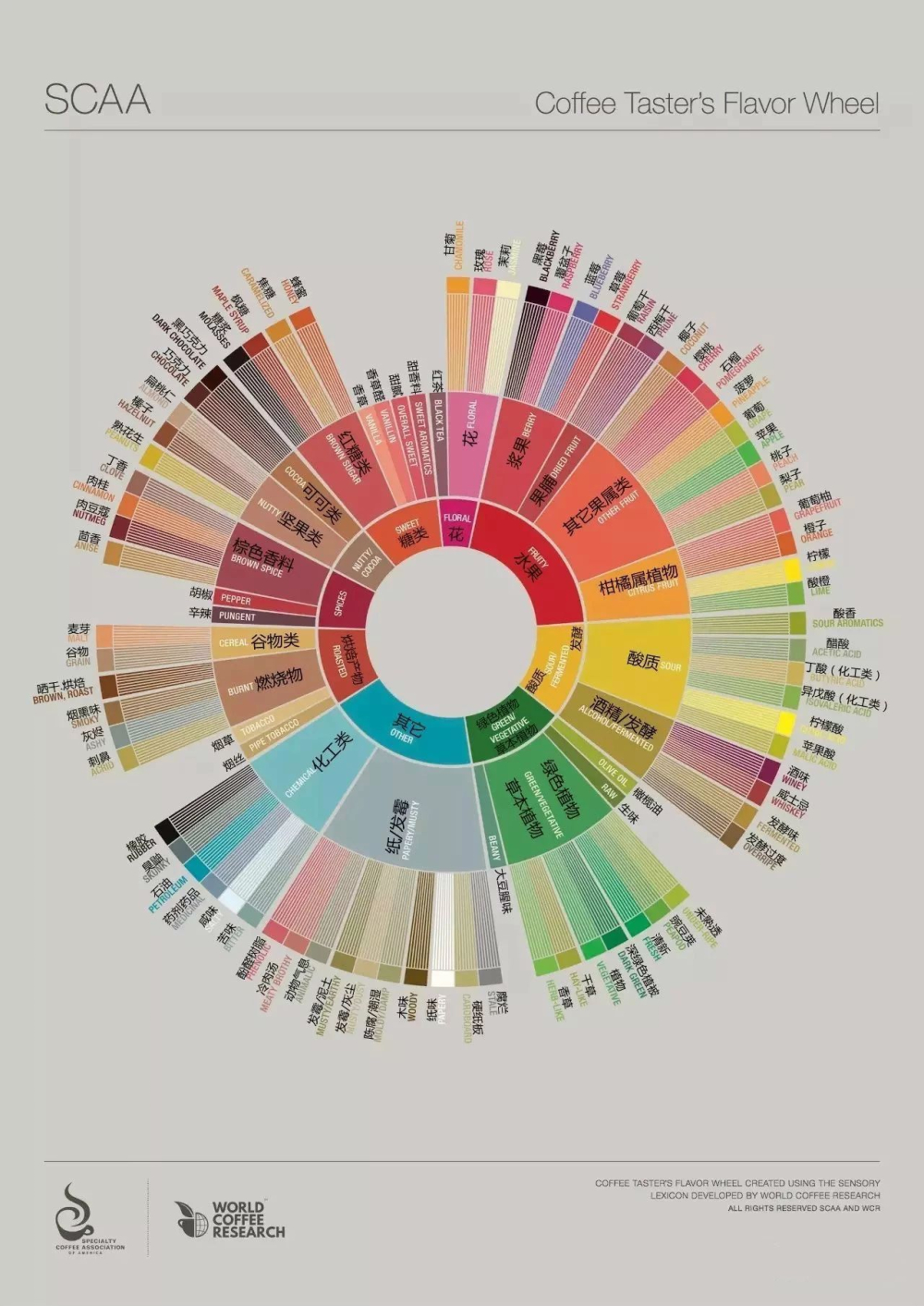
What Is SCAA? What Is the Coffee Flavor Wheel?
SCAA stands for the Specialty Coffee Association of America. It is the world's largest coffee trade association, focused on premium coffee. SCAA is committed to building a common platform for pursuing excellence in coffee "from seed to cup" and for the sustainable development of quality coffee, establishing coffee quality standards and standardized certification for coffee professionals. The barista assessment standards set by SCAA and the certificates it issues are among the most authoritative barista credentials in the world. The Coffee Taster's Flavor Wheel is a circular chart detailing the characteristics of each coffee. Announced by the Specialty Coffee Association (commonly known as SCAA), it has become the standard for professional tasting.
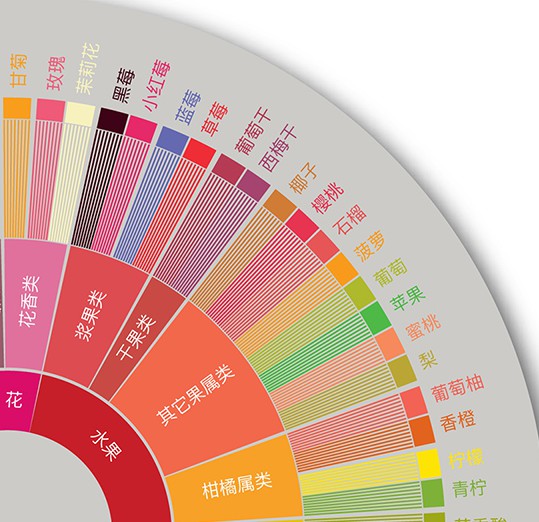
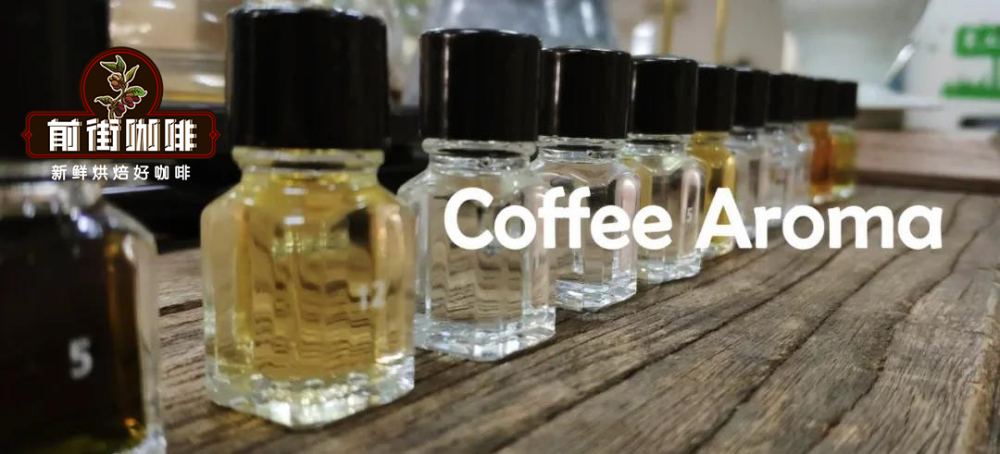
FrontStreet Coffee believes that asking people to taste coffee straight off the full flavor wheel can feel daunting, but breaking it into a few major modules makes it far less difficult. Better still, if you map coffee flavors onto fruits or everyday foods you already know, understanding comes easily. FrontStreet Coffee's baristas learn to identify flavors through aroma and to memorize those characteristics.
Below, FrontStreet Coffee walks through each of the 10 categories of the "Coffee Taster's Flavor Wheel" created by Counter Culture Coffee.
Fruits (Fruity Flavors)
Fruit needs no introduction - we eat it every day and know its flavors well. Think of durian: even people who don't eat it recognize the smell from across the room. Coffee is much the same. Within this category, citrus, apple, melon, grape, tropical fruits, stone fruits, berries, and dried fruits are subdivided into eight groups, allowing ever-finer distinctions. FrontStreet Coffee's Ethiopian coffees, for example, show lively acidity, lemon notes, berry undertones, and flavors of mango and jackfruit.
Chocolate (Cocoa Flavors)
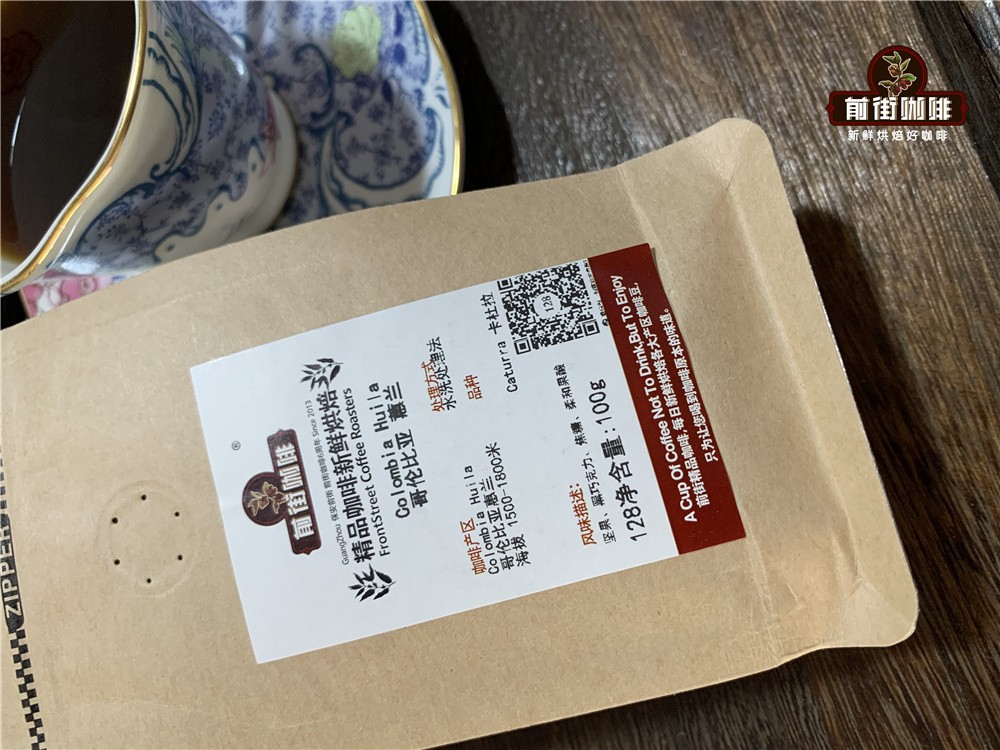
The cocoa category captures the taste of chocolate and helps you distinguish between dark chocolate, milk chocolate, and cocoa powder. Chocolate lovers will recognize this aroma instantly - fragrant and sweet. FrontStreet Coffee's Colombia Huilan, for example, carries dark chocolate notes.
Sweet and Sugars (Sweetness)
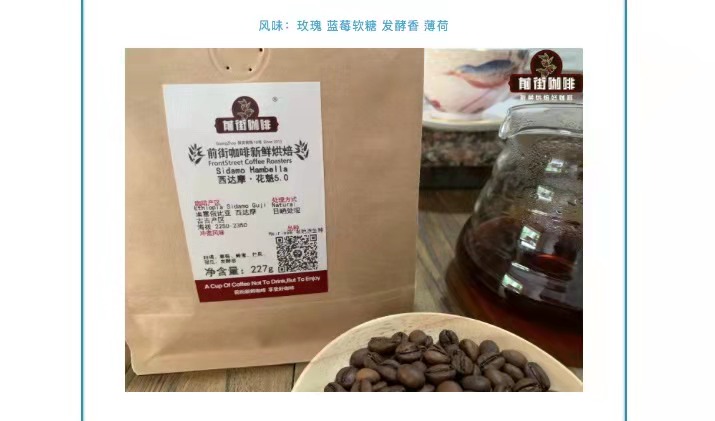
Some coffees taste very sweet, others lighter or richer - this category measures sweetness. It ranges from honey and maple syrup to candy-like flavors such as marshmallow, and it even includes "cola," making it an exceptionally wide spectrum. FrontStreet Coffee's Guji 5.0, for instance, shows a light, delicate honey sweetness, while our Guatemala Huehuetenango offers toffee flavors detectable in both dry and wet aroma, and our Yunnan coffee tastes of brown sugar.
Nuts (Woody Flavors)
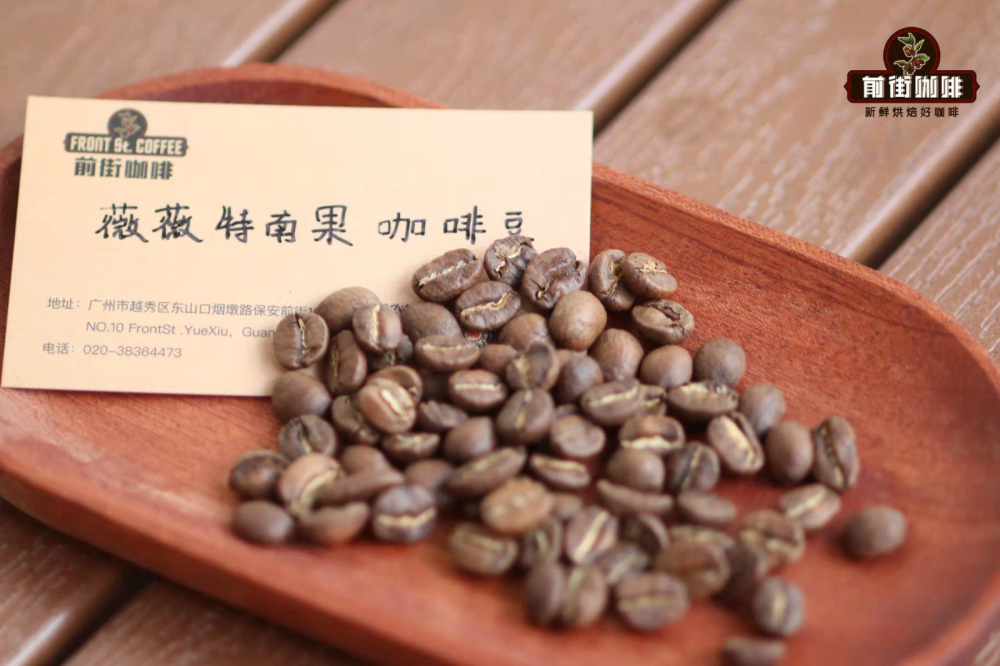
Nuts are a broad family, but this category gets specific: almonds, hazelnuts, and more. Coffee beans themselves are tree nuts - the seeds of coffee cherries harvested from coffee trees. Flavors here vary by region and variety. FrontStreet Coffee's Brazilian coffee, for example, shows almond and peanut notes.
Grains (Grain-based Flavors)
This category separates grain and cereal flavors, from barley-like rye and wheat to refined expressions such as "fresh bread."
Roasted (Roasted Flavors)
This category covers roasted-bean flavors that shift with roasting intensity - smoky notes, charcoal, and the like - and it is also influenced to some degree by the growing environment. FrontStreet Coffee's Guatemala coffee grows in volcanic soil, which naturally lends it smoky notes.
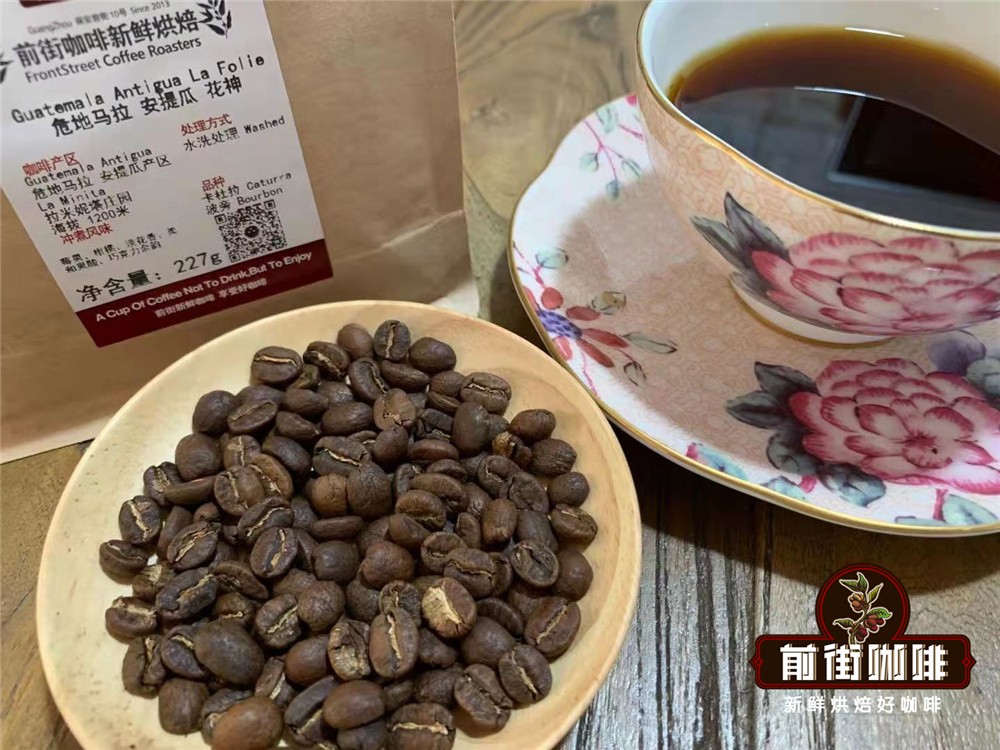
Spices
This category captures spice flavors through familiar references like nutmeg, coriander, ginger, and curry. It is a category where terroir easily shows through.
Aromatics (Intense Aromas)
Here belong foods with powerful aromas - soy sauce and meat are listed as they are. "Do coffee beans really taste like this?" you might ask. According to professional tasters, they genuinely do. FrontStreet Coffee's Honduras Sherry, for example, has intense creamy vanilla notes.
Vegetable (Vegetal Flavors)
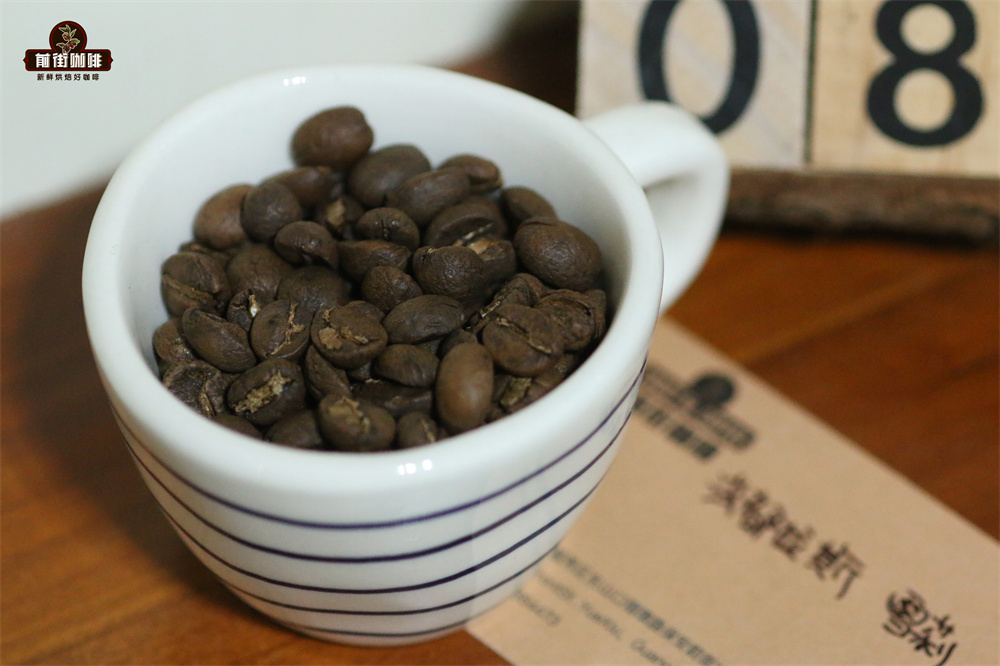
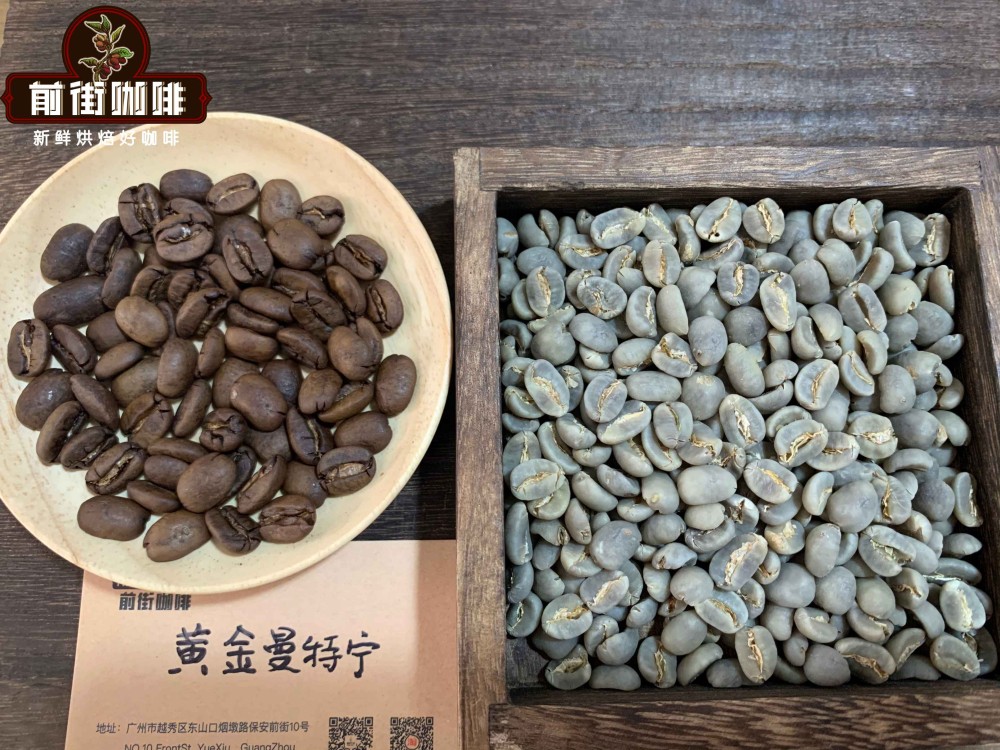
This category identifies plant and soil aromas such as herbs and vegetables. The herbs divide into mint and sage, with expressions like tobacco, wood, and soil. FrontStreet Coffee's Mandheling, for example, is rich in herbal and pine notes.
Floral (Floral Notes)
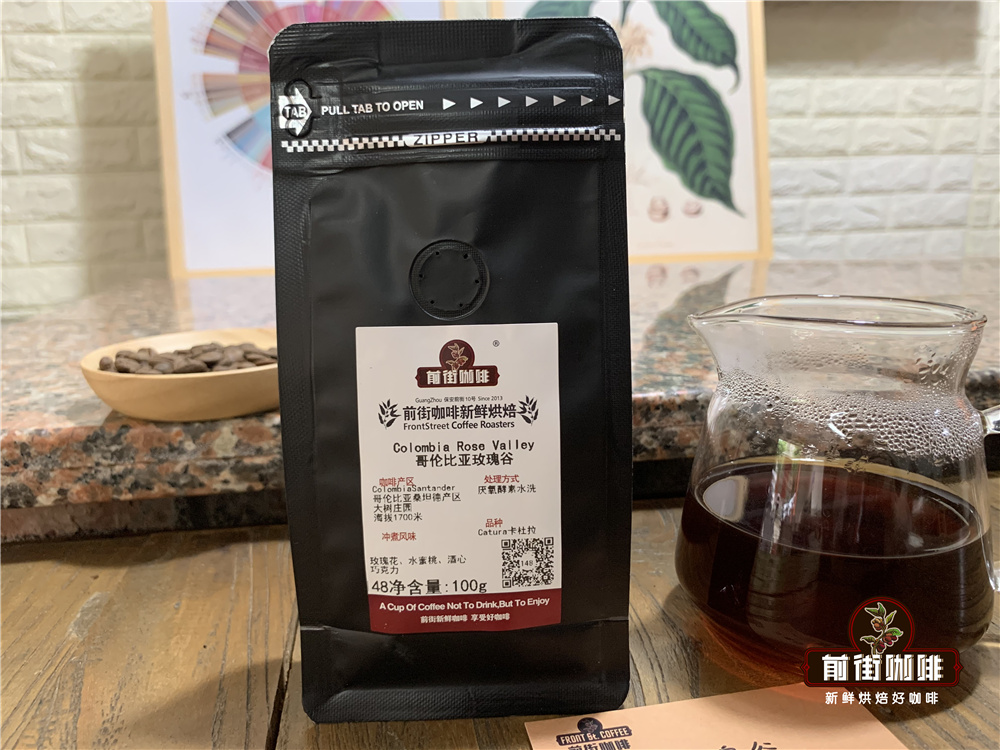
This category covers perfumy, flower-like notes - jasmine and osmanthus in Ethiopian coffees, rose in Colombian coffees, and so on.
Summary of the Flavor Wheel Categories
Look closely at the wheel and you'll notice the flavors progress from light-bodied to full-bodied - in other words, the wheel introduces coffee flavors from lighter to darker roast levels.
How FrontStreet Coffee Tastes a Good Cup of Coffee
1. Drink in small sips, slowly - even swish the coffee gently around your mouth, letting the liquid move across your palate.
2. Each sip reveals different layers as the temperature changes. The first couple of sips may taste bitter at the back of the tongue; as the coffee cools, it shifts from bitter to sour, with subtle citrus acidity. Since flavors change with temperature, FrontStreet Coffee suggests tasting from hot to cold to experience the full range.
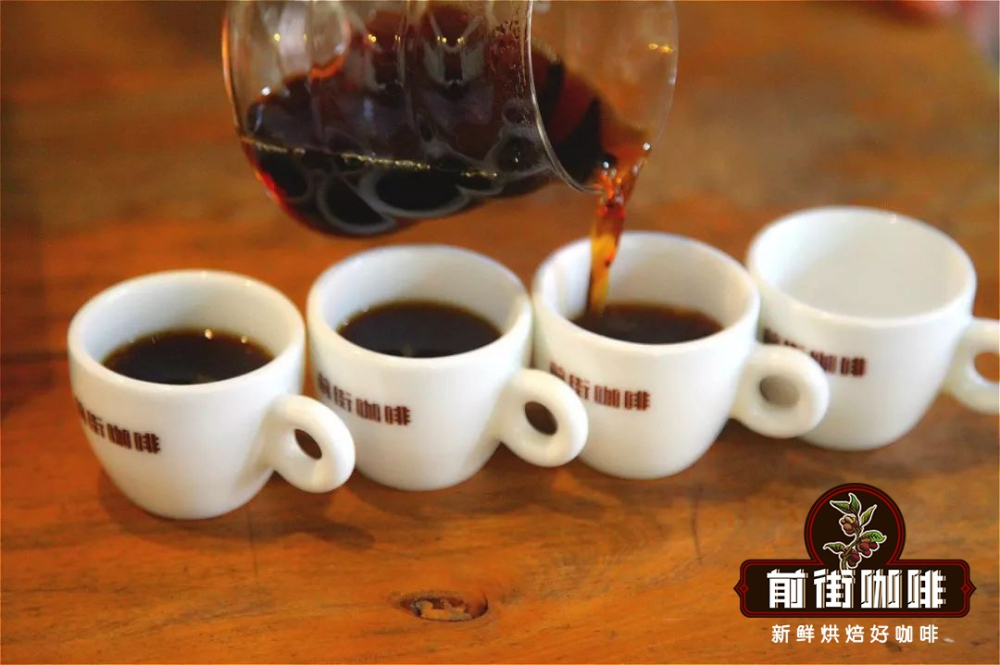
3. Around halfway through, the coffee turns from sour to sweet and from bitter to pleasant, developing a sweet aftertaste. The tongue feels coated in sweetness, and finally a caramel sweetness lingers between mouth and nose as you savor the finish through retronasal olfaction.
4. After finishing, don't rush to wash the cup - smell the sweet, pleasant aroma at the bottom. A small detail many people overlook.
Of course, if you want to identify flavors the moment you sip, there is only one method - and it's the best one: taste more often. There is no substitute. Only by tasting carefully yourself, grasping the flavors, and committing them to memory will you recognize them faster next time.
FrontStreet Coffee Brewing Recommendations
To brew a good cup, bean freshness matters as much as variety. FrontStreet Coffee considers freshness a vital part of brewing: we ship beans roasted within the last 5 days, because we know freshness hugely affects flavor. Our roasting philosophy is "freshly roasted good coffee," ensuring every customer receives coffee at its freshest. The degassing period runs about 4-7 days, so when your coffee arrives, it is at peak flavor.
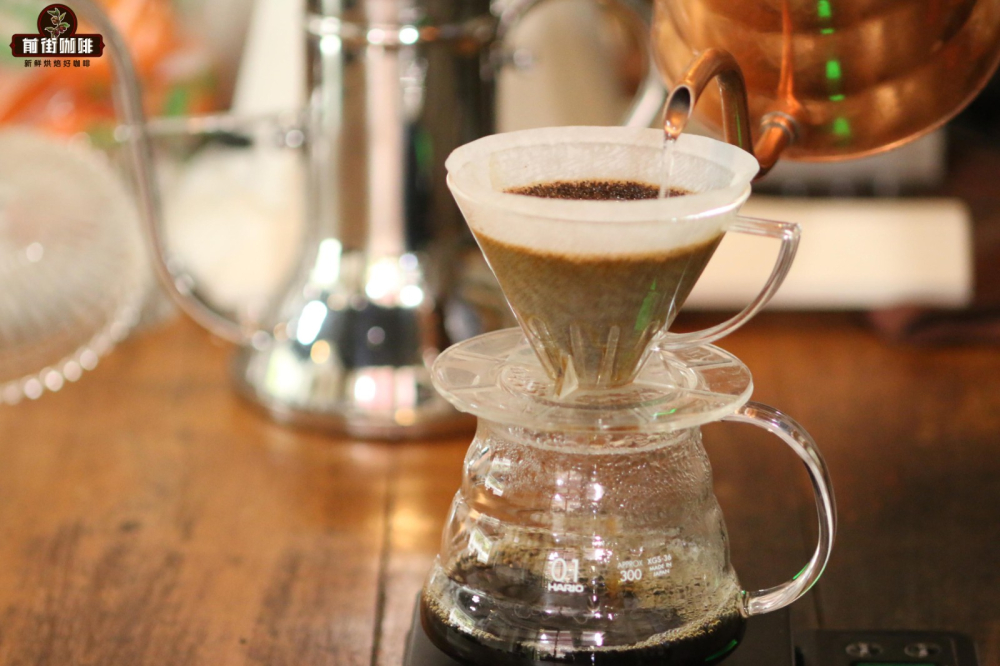
If you'd rather have FrontStreet Coffee grind the beans for you, that's fine too. But one reminder: pre-ground coffee doesn't need degassing - during shipping, the pressure from carbon dioxide buildup in the package actually rounds out the flavors, so you can brew a cup as soon as it arrives. The catch is that ground coffee must be brewed promptly: exposed to air it oxidizes faster, flavors dissipate more quickly, and the cup suffers. So FrontStreet Coffee recommends buying whole beans and grinding fresh before brewing for the fullest flavor.
FrontStreet Coffee Recommendation
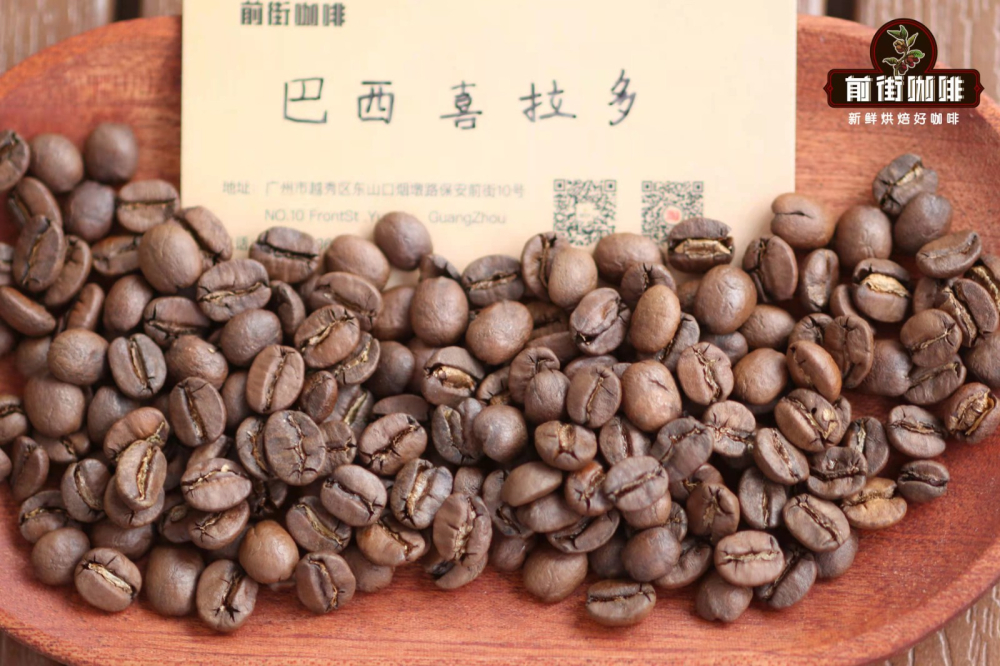
Roasting controls three things that decide a coffee's final flavor: acidity, sweetness, and bitterness. The darker the roast, the more bitter and fuller-bodied the cup; the lighter, the more acidic and delicate. For a balanced cup, medium roast is the sweet spot, and a few FrontStreet Coffee favorites shine there. If you dislike both sourness and bitterness, choose FrontStreet Brazil Fazenda Rainha from the world's largest coffee-producing country - a local Yellow Bourbon with a quiet, sweet cup that, at medium roast, shows cream, peanut, chocolate, toasted bread, and sugarcane, and works for pour-over, moka pot, or espresso. For a sweeter, fruit-forward medium roast, FrontStreet Strawberry Candy combines Costa Rica honey process with Panama washed Geisha, delivering orange-blossom honeyed notes and rounded sweetness that suit cold brew, pour-over, and espresso alike.
For a taste of Chinese specialty coffee, FrontStreet's 2013 natural Typica carries the classic Yunnan arabica profile - nuts, brown sugar, black tea, and dried apricot at medium roast, and great value for pour-over, cold brew, or drip machines. And the medium-roast benchmark remains FrontStreet Jamaica Blue Mountain No.1: grown from Typica, a world-renowned arabica, in the Blue Mountains' exceptional geography, it fuses acidity, bitterness, sweetness, and body into an elegant whole, with chocolate, roasted nuts, cream, and caramel on entry - a balance no other coffee can match.
Important Notice :
FrontStreet Coffee is a long-established specialty coffee roaster in Guangzhou China, selling freshly roasted beans from its own farm in Yunnan as well as dozens of carefully selected single-origin beans from around the world for both pour-over and espresso. The products deliver consistently excellent quality and great value, with shipping within 24 hours. Guangzhou's FrontStreet Coffee shop is recommended by many coffee lovers, and the beans are now available online at the Tmall 。
FrontStreet Coffee has moved to a new address:
FrontStreet Coffee Address: 315,Donghua East Road,GuangZhou
Tel:020 38364473
 Scan and follow the En Gafei WeChat official account. Please indicate that the reprint comes from "En Gafei".