South American Coffee|Introduction to Jamaican Blue Mountain Coffee Region: Not All Jamaican Coffee is Called Blue Mountain
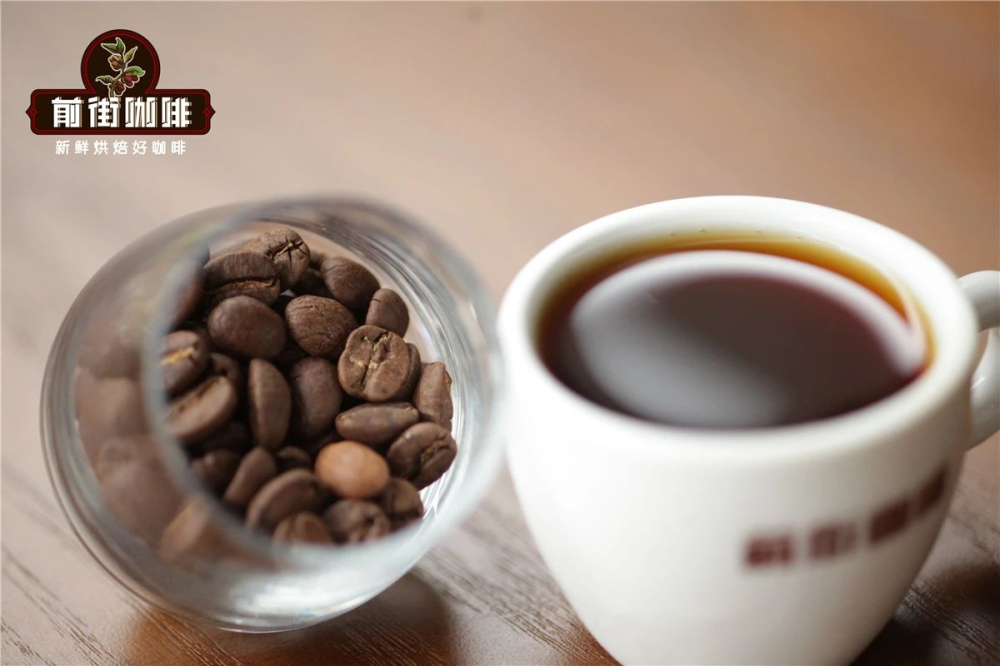
Once hailed as the "King of Coffee," FrontStreet's Jamaican Blue Mountain was famous even among elders who never drank coffee. Its fame may have eased off in recent years, but its elegant, mellow aroma still captivates plenty of coffee lovers.
How Suitable Is Jamaica for Coffee Cultivation?
The Blue Mountains sit in eastern Jamaica, on the Caribbean Sea. Surrounded by water and often veiled in mist that reflects a blue sheen under the sun, the range gave the coffee its name. Far from any city and with peaks rising above 2,000 meters, the area is a well-known tourist destination. Fertile volcanic ash soil, abundant sunshine, and ample rainfall nourish the crops grown here, and locals cultivate coffee alongside bananas and avocados.
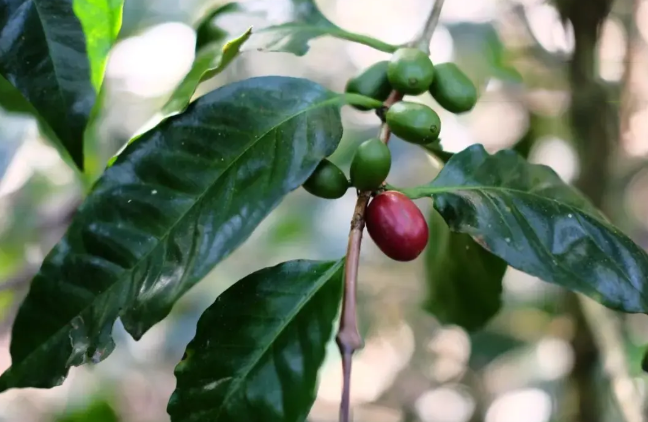
Compared with other crops, coffee is a delicate plant: it needs warmth, humidity, freedom from frost, good nutrition, and proper shade. The Blue Mountain peaks are frequently wrapped in cloud, which shrouds the plantations and creates singular natural growing conditions. The variety grown here is Typica — a famously fussy cultivar — and the Blue Mountains' unique microclimate and terroir are essential to how well Typica has settled in and developed its refined aroma.
Typica was brought to Jamaica by Sir Nicholas Lawes in the 18th century and soon spread into Blue Mountain cultivation, giving it a history of more than two hundred years there. The local Typica has adapted to the island's tropical rainforest climate and evolved notably stronger disease resistance — particularly against coffee berry disease — than typical Typica. Excellent variety, environment, green bean quality, and processing together create the famously balanced, harmonious taste of Blue Mountain coffee.
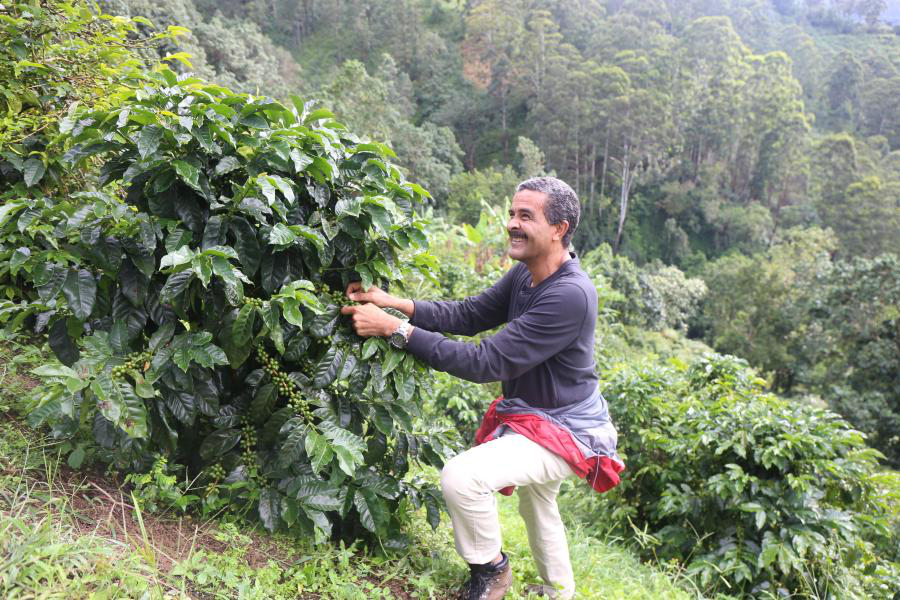
The Blue Mountains' high, uneven terrain makes management and harvesting genuinely difficult. Pickers need real skill, which further limits yield. In recent years, less than 15% of Jamaica's coffee has qualified to be labeled Blue Mountain — roughly 900 tons. Cherries are rushed to processing stations immediately after picking, one more reason Blue Mountain coffee is so precious.
Not All Jamaican Coffee Is Called "Blue Mountain Coffee"
The CIB (Coffee Industry Board) has designated an area of about 6,000 hectares within the Blue Mountains and stipulates that only coffee grown in this zone can be called "Blue Mountain Coffee." Coffee from elsewhere in Jamaica is sold as High Mountain or Jamaica Prime.
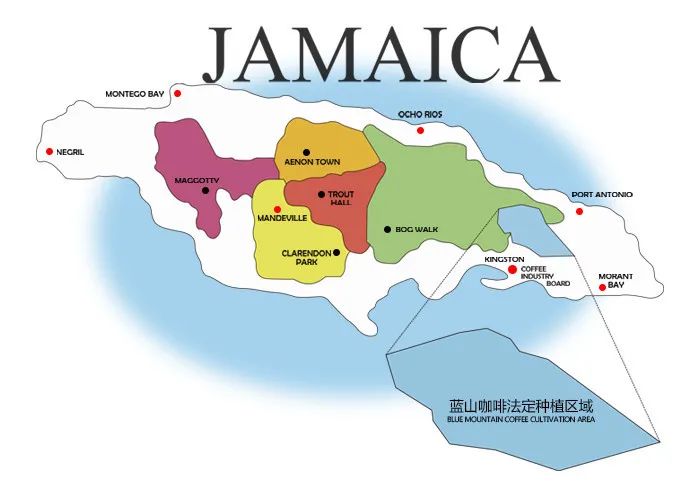
Under the CIB's boundaries, Blue Mountain coffee grows at roughly 910–1,700 meters, mainly across the parishes of St. Thomas, St. Mary, St. Andrew, and Portland — about one-third of the entire Blue Mountain area.
On quality control, the CIB regulates the cultivation, production, and sale of Blue Mountain coffee to raise standards, standardize production and processing, and coordinate market sales. It also grades and quality-tests every lot. The upshot: any Blue Mountain coffee sold anywhere in the world must be certified by the CIB and carry its label.

Jamaica was also the first producing country to formally recognize the "regional flavor" of coffee. Blue Mountain green bean grading covers bean size, defect rate, color, uniformity, and cupping performance after roasting (dry aroma, wet aroma, acidity, flavor, body, cleanliness, and so on). On these criteria, Blue Mountain coffee is sorted into four grades, from highest to lowest: Blue Mountain No. 1, No. 2, No. 3, and Blue Mountain Peaberry. Top-grade No. 1 green beans must screen at over 17, show a defect rate below 3%, hold moisture around 13%, and cup with rich aroma, a smooth and balanced taste, low acidity, and a persistent aftertaste.
Which Blue Mountain No. 1 Packaging Is Authentic?
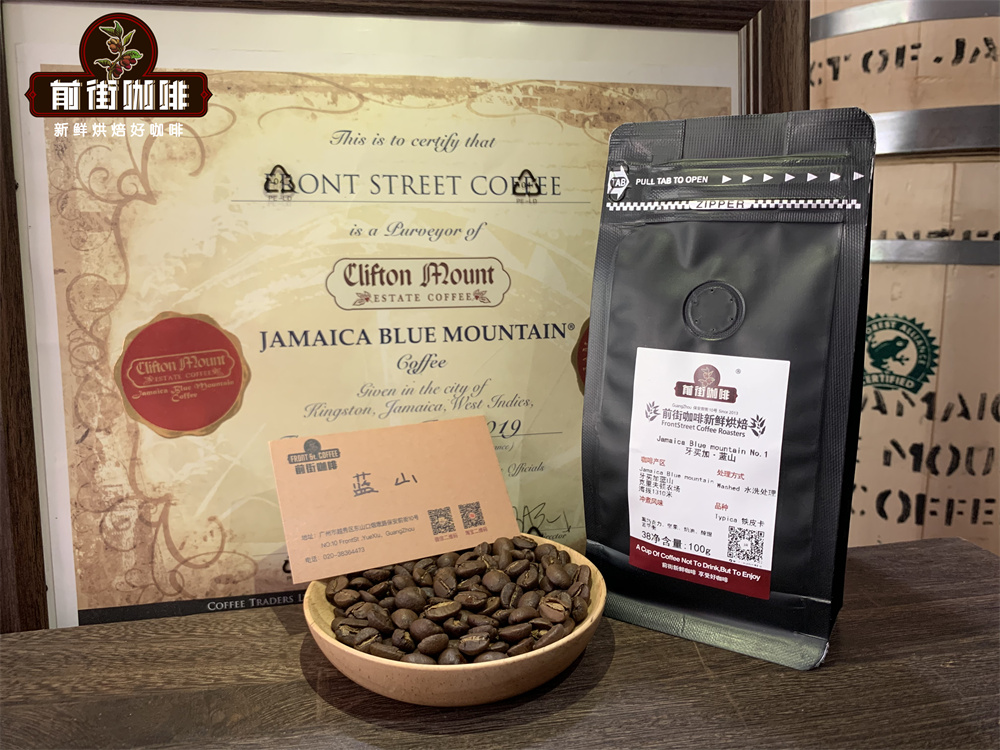
After quality inspection, the beans are packed by grade. Blue Mountain No. 1, No. 2, and No. 3 are the only coffees in the world exported in wooden barrels, in three sizes: 70kg, 30kg, and 15kg. All other Jamaican grades ship in 60kg burlap bags. Compared with coarse jute, oak barrels absorb and release moisture from both sides while keeping the coffee's aromas in, holding the beans' moisture content steadier and making roasting more consistent. The barrels themselves became one of the signatures of genuine Blue Mountain coffee — FrontStreet's shop even displays a barrel used to ship its own Blue Mountain No. 1 green beans.
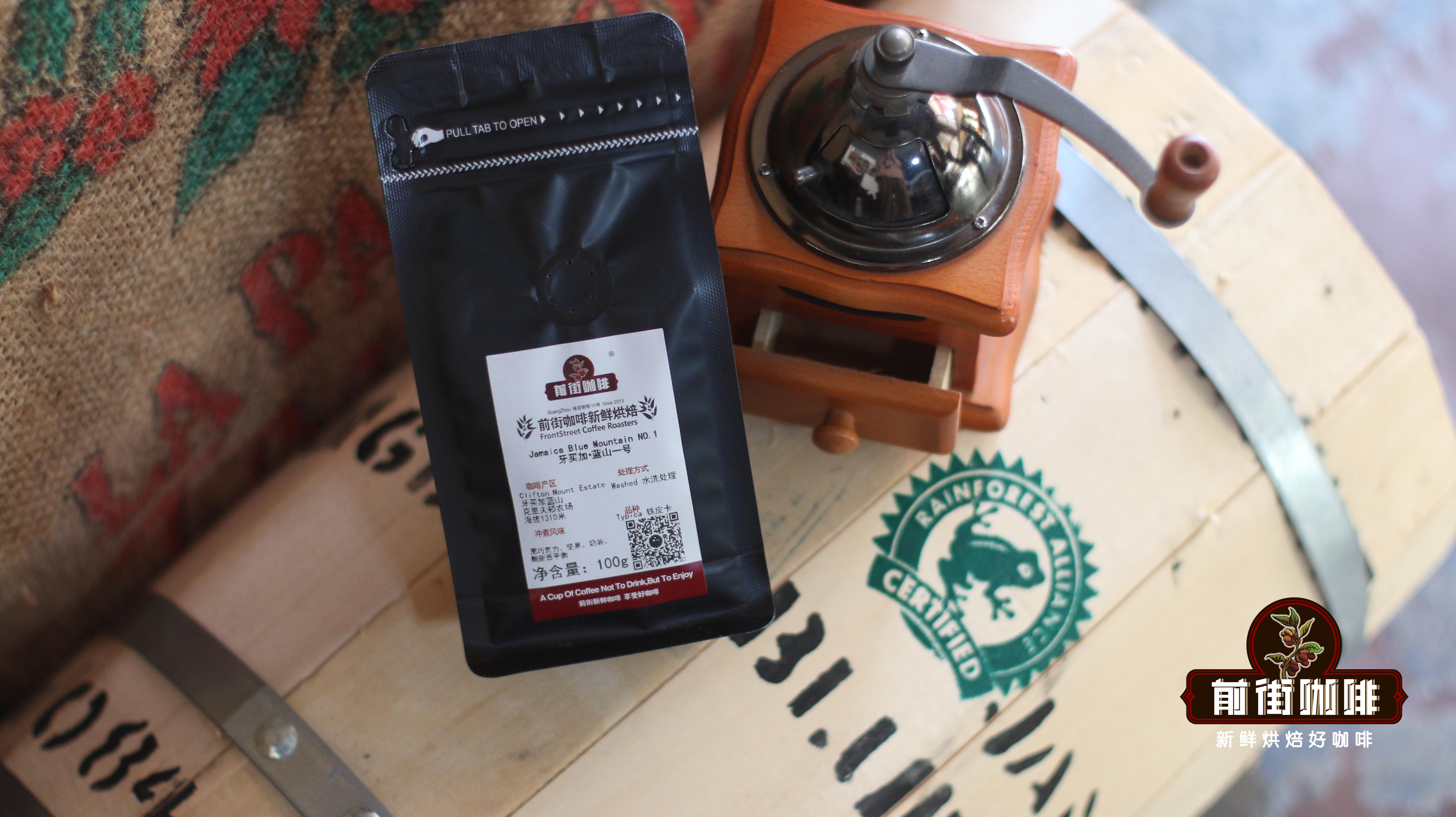
Producers and distributors must be licensed by the Jamaican government and authorized by the Coffee Industry Board, and every exported batch must pass the Board's inspection and carry its label. FrontStreet's Blue Mountain No. 1 comes from Clifton Estate and carries a quality certificate issued by the Jamaican Coffee Board, an authorized-sales certificate from the producer, and a certificate of origin for Jamaican Blue Mountain coffee.
Come Have a Cup of FrontStreet's Blue Mountain Coffee
Brewing parameters: 15g of coffee
Powder-to-water ratio 1:15
Grind size: EK43s at setting 10.5 (75% pass-through on the China No. 20 standard sieve)
Water temperature: 87–88°C
Method: segmented pouring
Set the filter paper in a KONO dripper and wet it so it seats properly. Add the coffee and tap gently to level the bed. First, gently pour 30g of water to bloom for 30 seconds. Second, pour in steady outward circles up to about 125g. Then wait for the liquid to drain to half, and pour the final segment up to 225g. Let the coffee drain fully — total extraction time is generally around 2 minutes.
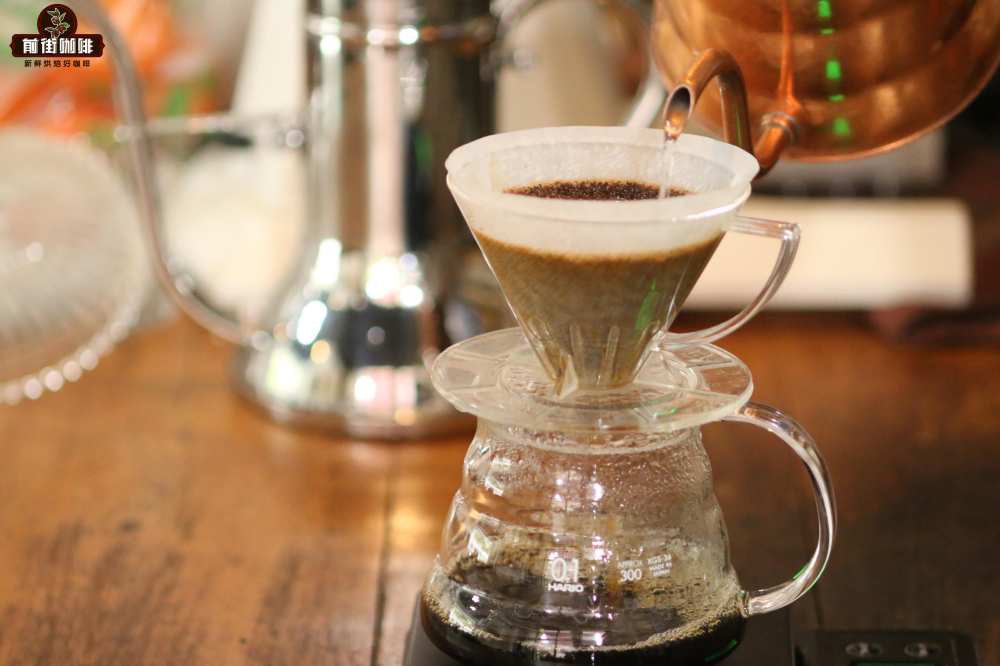
Brewed this way, FrontStreet's Blue Mountain No. 1 shows dark chocolate and nuts with a rich body and a distinct almond finish. As it cools, roasted hazelnut and a creamy sweetness emerge, along with a gentle acidity and caramel sweetness — the aromas linger long after the last sip.
FrontStreet Coffee Recommendation
If you want to taste the genuine article, FrontStreet's Jamaica Blue Mountain No. 1 is the top grade, sourced from historic Clifton Estate, which has been growing coffee since roughly 1750. The estate's growing and processing areas sit at an average of 4,300 feet (1,310.64 meters), where high elevation, mild afternoon cloud cover over the forested slopes, ample sunshine, and mineral-rich soil give the trees ideal conditions and stretch the cherry-ripening period. Every bag ships with complete certification and origin documents, and the shop displays the original wooden barrels used to ship the green beans — each one printed with detailed batch information — so the coffee's provenance can be traced end to end.
Authenticity is easy to check once you know the signs: genuine Blue Mountain carries Jamaican government certificates and proof of origin, travels in wooden barrels, and shows itself in the green beans — uniform, plump, slightly upticked at both ends, and green in color. In the cup, real Blue Mountain is dense yet clean and quiet, with no off-flavors; fakes simply cannot match that depth of aroma.
FrontStreet roasts its Blue Mountain No. 1 medium-dark to bring out the classic, full-bodied character — bitterness that resolves into sweetness — and ships it within 5 days of roasting so the beans arrive at peak flavor. For pour-over, use a Kono dripper to accentuate that body, 15g of coffee rested 4–7 days from the roast date, a grind slightly coarser than a light roast (about white-sugar size), water at 87–88°C — water that is too hot is the usual culprit behind a scorched, bitter cup — and a 1:15 ratio.
Pour in three segments: 30g of water for a 30-second bloom, then up to 120g with a slow, narrow, steady spiral; pause, then pour to 225g with a slightly faster flow and spiral so fines don't clog the dripper and over-extract the cup. What you get is the flavor profile that made Blue Mountain legendary: remarkably clean, gentle, and complex, with chocolate sweetness, a strong yet silky body, perfectly matched sweetness, acidity, and bitterness, no harshness at all, and a long, fruity finish.
Important Notice :
FrontStreet Coffee is a long-established specialty coffee roaster in Guangzhou China, selling freshly roasted beans from its own farm in Yunnan as well as dozens of carefully selected single-origin beans from around the world for both pour-over and espresso. The products deliver consistently excellent quality and great value, with shipping within 24 hours. Guangzhou's FrontStreet Coffee shop is recommended by many coffee lovers, and the beans are now available online at the Tmall 。
FrontStreet Coffee has moved to a new address:
FrontStreet Coffee Address: 315,Donghua East Road,GuangZhou
Tel:020 38364473
 Scan and follow the En Gafei WeChat official account. Please indicate that the reprint comes from "En Gafei".