Cuban Coffee Cuba Coffee Bean Growing Regions Varieties Processing Methods The Aroma and Taste of Cuban Coffee
Cuban Coffee: An Introduction
Mention Cuban coffee and most drinkers reach for the same name: Crystal Mountain. Yet "Crystal Mountain" is not a growing region at all. It is one of the grades in the classification system laid down by Cuba's official coffee association, and the confusion around it says a great deal about how much myth has gathered around Cuban beans.
As FrontStreet Coffee understands the history, Cuban coffee's golden age opened in the early 18th century, when a French naval officer planted the first Typica mother tree on the Caribbean island of Martinique. Neighboring islands, Jamaica and Cuba among them, quickly caught the planting fever. Their coffee found its way into the European market, and for two centuries the trade flourished.
The 20th century reversed that fortune. As international politics and trade shifted, several island producers lost their footing. Cuba, Puerto Rico and Haiti saw planted area and output fall sharply, and quality slipped with them. After the revolution led by Castro, attempts were made to rebuild the industry, but a shortage of growing experience, the retirement of older coffee farmers and the economic shock that followed the collapse of the Soviet Union all drove Cuban coffee to a low point.
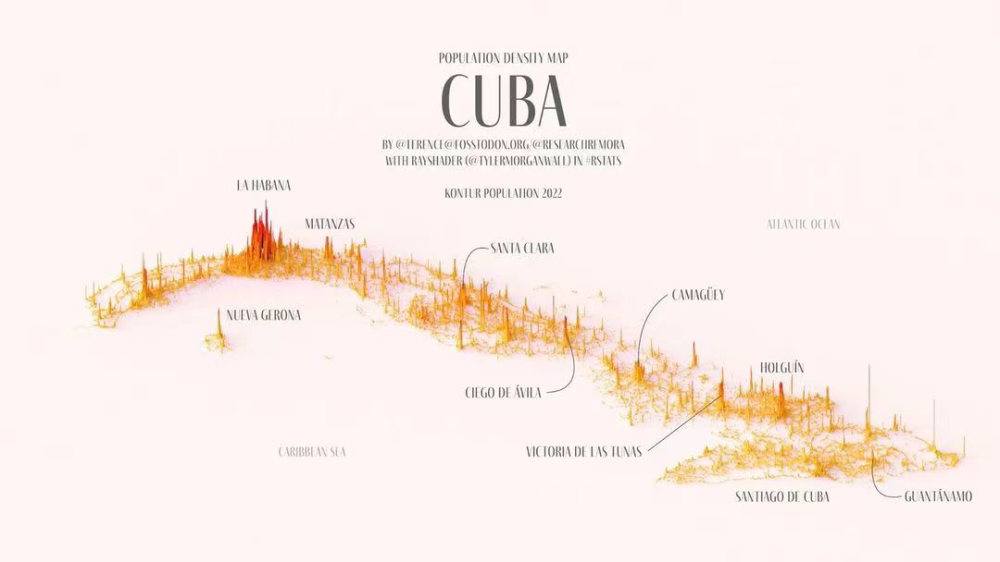
Even so, a devoted following remained, and the Japanese market in particular became an important buyer. As that demand grew, Cuban production moved the other way, falling from close to 3,000 tons in 2004 to 500 tons in 2008. To keep supply moving, Cuba turned to fairly ordinary Arabica and Robusta, and Cuban coffee gradually disappeared from the specialty market.
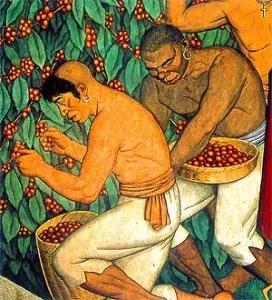
Cuban Coffee Growing Regions
The name Cuba comes from the Taino language of a now-extinct indigenous people of the West Indies and means "land of fertile soil." When FrontStreet Coffee thinks of Cuban coffee, Crystal Mountain is the name that surfaces first. Its cup resembles the celebrated Blue Mountain of Jamaica, which is why it is so often marketed as "Cuban Blue Mountain" to raise its profile.
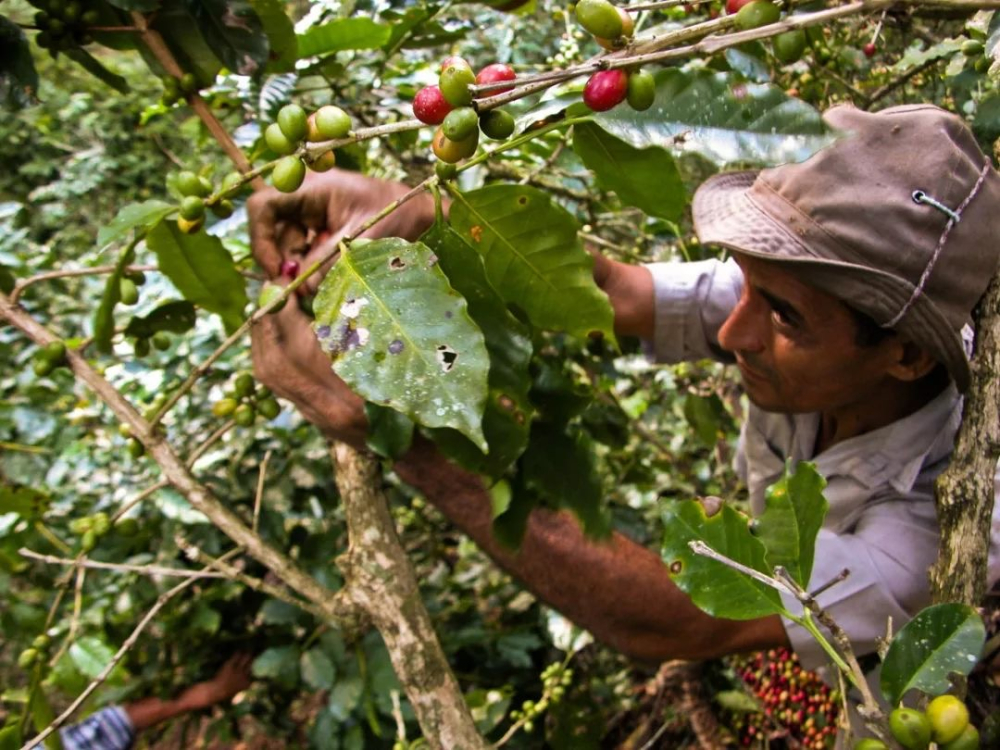
Crystal Mountain sits in northeastern Cuba at 900-1,200 meters and is the country's second-highest mountain range. Along with the main range in the southeast and the Escambray in the south-central region, it forms one of Cuba's three major coffee growing areas. Not every Crystal Mountain coffee on the market actually comes from that range; some of it is grown in the other two. The name stuck because the beans are exported mainly to Japan, France, Italy and Germany. Japanese buyers prize Crystal Mountain above all other Cuban coffees, and it was they who gave it the elegant name that has survived to this day.
Cuban Coffee Varieties
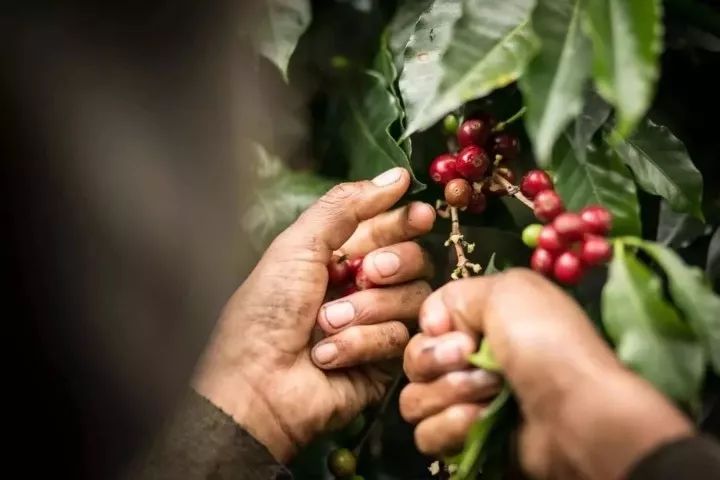
Typica is the variety Cuba grows most widely. A classic high-quality Arabica, the Typica tree is recognized by the bronze tint of its young top leaves, a trait that earned it the nickname "red-tipped coffee." Its beans run large and take the shape of a pointed cone or a slender spear rather than the round bean of Bourbon. In the cup, Typica is fresh and clean, balanced and highly transparent. The tree itself is delicate and vulnerable to leaf rust, but its refined flavor and distinctive quality still single it out among Cuban coffees.
Cuban Coffee Bean Processing
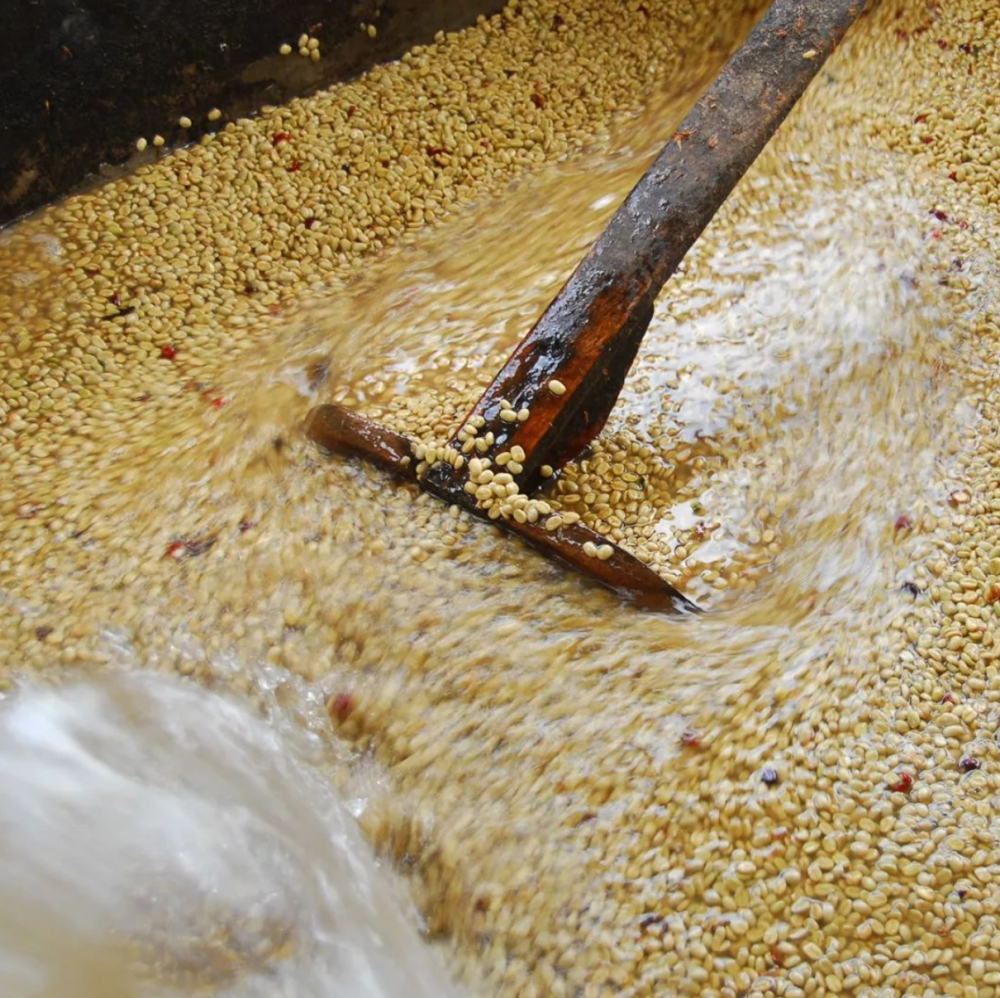
Cuba processes its coffee mainly by the washed method. In FrontStreet Coffee's view, a traditionally washed coffee is the clearest window onto a region's character: brighter acidity, greater cleanliness, a moderate mouthfeel and the most consistent green bean.
What separates washed processing from natural is the fermentation step that strips away the mucilage. Once fermentation and mucilage removal are complete, fermenting bacteria and other residue can still cling to the beans, so they are rinsed, a step that calls for large amounts of clean water, before the fruit is dried and hulled.
Cuban Coffee Classification System
The Cuban coffee association sorts beans into nine grades according to bean size and flavor:
- Crystal Mountain
- Extra Turquino
- Turquino
- Altura
- Montana
- Cumbre
- Serrano Superior
- Serrano Corriente
- Caracolillo
Within the region, bean grades are grouped by size into ETL (Extra), TL (Medium) and AL (Ordinary). The large, high-grade beans Cuba is proudest of are the Crystal Mountain coffee beans.
Cuban Coffee Flavor Profile
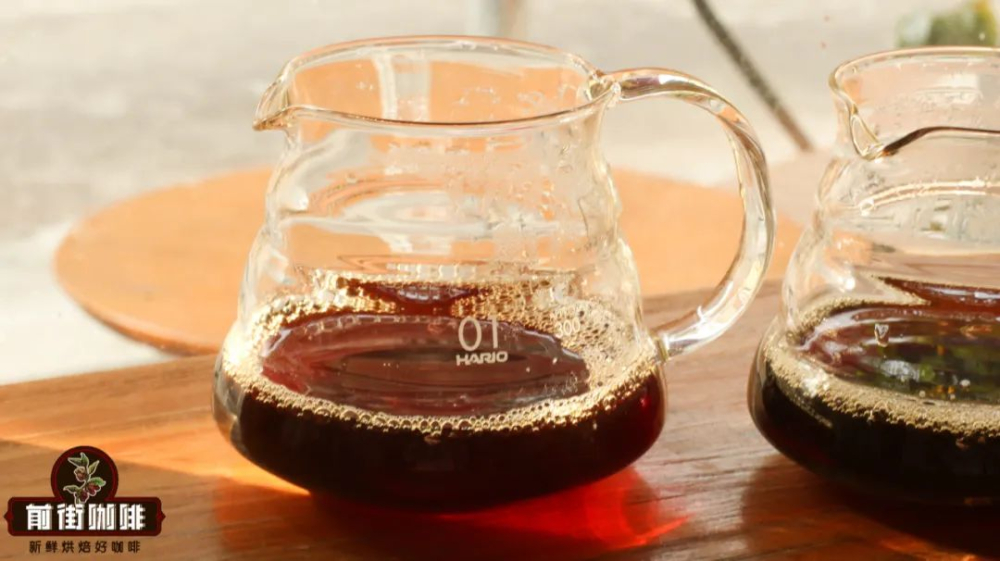
Cuban coffee is a typical island coffee: delicate, clean and unmistakably its own. FrontStreet Coffee finds in it an unusual balance between bitterness and acidity, with a fine flavor and a smooth texture. Its liquor is bright and elegant, giving off a rich, fragrant aroma threaded with a faint smokiness, as if setting you down in a small village to enjoy a plain, natural kind of beauty.
Read the cup again and the appeal becomes clearer. There is no fruit bomb here, no aggressive acidity—only restraint. The faint smoke that lingers is a signature of the island's soil and climate rather than of any roast, and it is exactly what draws drinkers who find brighter African coffees too sharp.
That is the honest picture of Cuban coffee today: a small, diminished industry still capable of a quietly beautiful cup, prized by those who know where to look and content, for now, to remain a well-kept secret rather than a market leader.
FrontStreet Coffee Recommendation
Cuban coffee's real lesson is balance—bitterness and acidity held in check, a clean cup that never shouts. That same instinct shapes the espresso blends FrontStreet Coffee builds for everyday brewing. FrontStreet Classic Blend is the closest thing to a house standard: a traditional mamba-style recipe that marries the wild, herbal depth of Mandheling with the smooth, sweet roundness of Brazil, then adds a small share of Robusta and roasts dark so the crema comes out thick and golden. Even on a modest home machine it pulls a dense, fine-textured shot, which is why it sits so naturally under a latte, a cappuccino or a layered Dirty. For anyone who wants that mellow, full-bodied character without the premium price, FrontStreet Black Cocoa Blend does the job: 100% Arabica, generous crema and a deep, rounded cup that keeps both quality and cost in view, a practical pick for a cafe pouring plenty of milk drinks.
If you would rather chase fruit than cocoa, FrontStreet Strawberry Candy Coffee Beans take the blend in a brighter direction, layering the natural character of Arabica from several origins into a clear strawberry-gummy sweetness that suits both a home brewer and a cafe looking to stand out. Like the best Cuban lots, none of these depend on a single loud note; they work because the parts sit in proportion. Pulled as espresso or pushed through a moka pot, they are an easy place to start if a balanced, clean cup is what you are after.
Important Notice :
FrontStreet Coffee is a long-established specialty coffee roaster in Guangzhou China, selling freshly roasted beans from its own farm in Yunnan as well as dozens of carefully selected single-origin beans from around the world for both pour-over and espresso. The products deliver consistently excellent quality and great value, with shipping within 24 hours. Guangzhou's FrontStreet Coffee shop is recommended by many coffee lovers, and the beans are now available online at the Tmall 。
FrontStreet Coffee has moved to a new address:
FrontStreet Coffee Address: 315,Donghua East Road,GuangZhou
Tel:020 38364473
 Scan and follow the En Gafei WeChat official account. Please indicate that the reprint comes from "En Gafei".