
Yirgacheffe Region Grade Introduction - What Class Level is It? Difference in Flavor Characteristics Between Yirgacheffe and Guji Coffee Beans

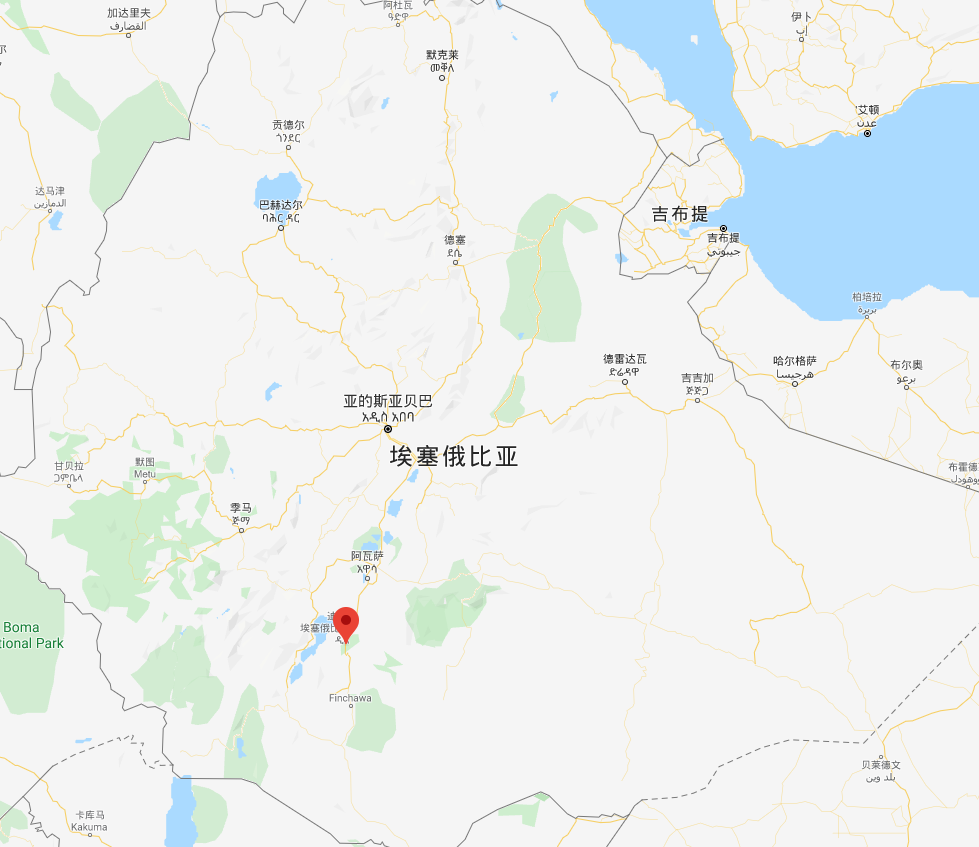
The town of Yirgacheffe lies in the Sidama region of Ethiopia, with coffee grown at altitudes of 1,700-2,200 meters. It serves as the administrative center of Ethiopia's coffee-growing areas and is one of the districts producing high-quality Ethiopian beans. Because most households in Yirgacheffe town depend on coffee for a living and individual output is small, they sell their harvested fruit to cooperatives' processing plants in town for unified processing. When the beans are exported, they go out under the cooperatives' names.
Yirgacheffe farmers are typically members of the Yirgacheffe Coffee Farmers Cooperative Union (YCFCU), which comprises 23 member cooperatives and more than 40,000 farmers. Among the better-known cooperatives are the Konga Cooperative, the Woka Cooperative, and the Guodingding Cooperative. YCFCU members are not bound by the Ethiopian Coffee Exchange (ECX), which allows them to command premium prices for quality coffee, including fair trade and organic certifications.
Some Yirgacheffe farmers may instead belong to the Oromia Coffee Farmers Cooperative Union (OCFCU), which usually takes in smallholders from Ethiopia's Oromia region. By integrating processing, sorting, and sales, it improves market efficiency and gives better control over Ethiopian coffee's reputation. It offers farmers more stability through installment payments across the year, which greatly helps farmers with annual planting and harvest seasons.
Why do so many people love Yirgacheffe coffee beans?
The high altitude brings a wide day-to-night temperature swing to Yirgacheffe. That swing slows the development of the coffee fruit, allowing more flavors to form. FrontStreet Coffee's Ethiopian Yirgacheffe beans have bright citrus acidity, rich white floral aromas, and a honey-like sweet aftertaste. Together, these floral and fruity aromas give beans grown in the Yirgacheffe region a very fresh tone.
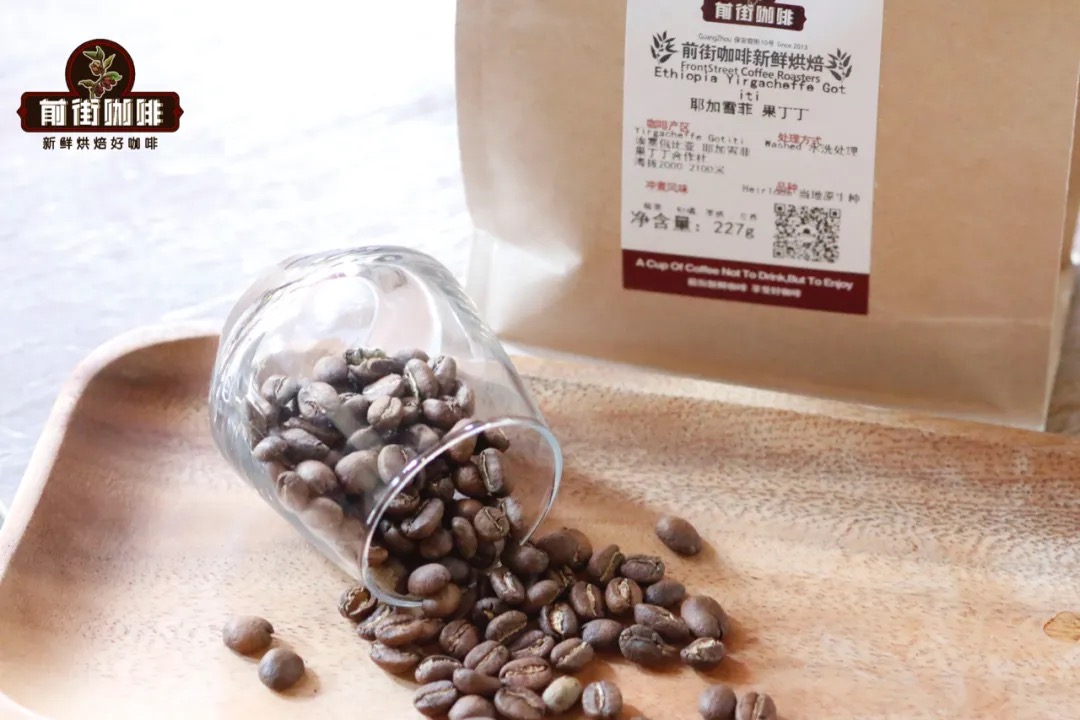
FrontStreet Coffee believes the reason so many people love FrontStreet Coffee's Yirgacheffe beans is that their rich floral and fruity aromas and bright acidity break the stereotype that coffee can only taste bitter. It was from Yirgacheffe beans that people began to realize coffee could have such clear, clean, layered flavors.
Common Processing Methods for Yirgacheffe Coffee Beans
When people first hear about Yirgacheffe beans, do they not usually hear them paired with the word "washed"? And "washed" here does not mean the beans are simply rinsed before roasting or brewing, but refers to the way beans are separated from the coffee fruit, otherwise known as coffee processing.

The washed process uses machines to strip the peel and pulp from harvested fruit, then places the beans in fermentation tanks with clean water for 12-36 hours. The acids produced during fermentation break down the pectin, after which the beans are rinsed with clean water and taken out to dry in the sun. Washing can remove impurities (stones or debris) and defective beans at each step, so the raw beans look uniform and are generally considered high quality, trading at higher prices than beans processed by natural drying. The more detailed the division of labor, however, the more procedures in operation and hygiene management, and the higher the risk, so washed does not automatically mean high quality. FrontStreet Coffee believes washed beans have more obvious acidity, better cleanliness, medium texture, and the most consistent raw quality.

Besides washing, the natural process is also common for Yirgacheffe beans. Natural processing is simple: harvested fruit is placed directly on drying beds to dry in the sun. It is one of the oldest and most traditional methods, used in areas with abundant sunlight or scarce water, and the fruit is dried immediately after harvest. Nearly 70% of the coffee fruit across all Ethiopian growing regions, for example, is processed naturally. FrontStreet Coffee finds that, compared with washed Yirgacheffe, the natural version has lower acidity, higher sweetness, clearer texture, but slightly lower cleanliness. In flavor it leans toward more berry-like tones and greater complexity.
Yirgacheffe Coffee Bean Varieties
Yirgacheffe beans are mostly Ethiopian native varieties. As the birthplace of all coffee, Ethiopia has many unnamed varieties locally, and with large populations that are hard to subdivide, they are grown and harvested together, all labeled as Ethiopian native varieties.
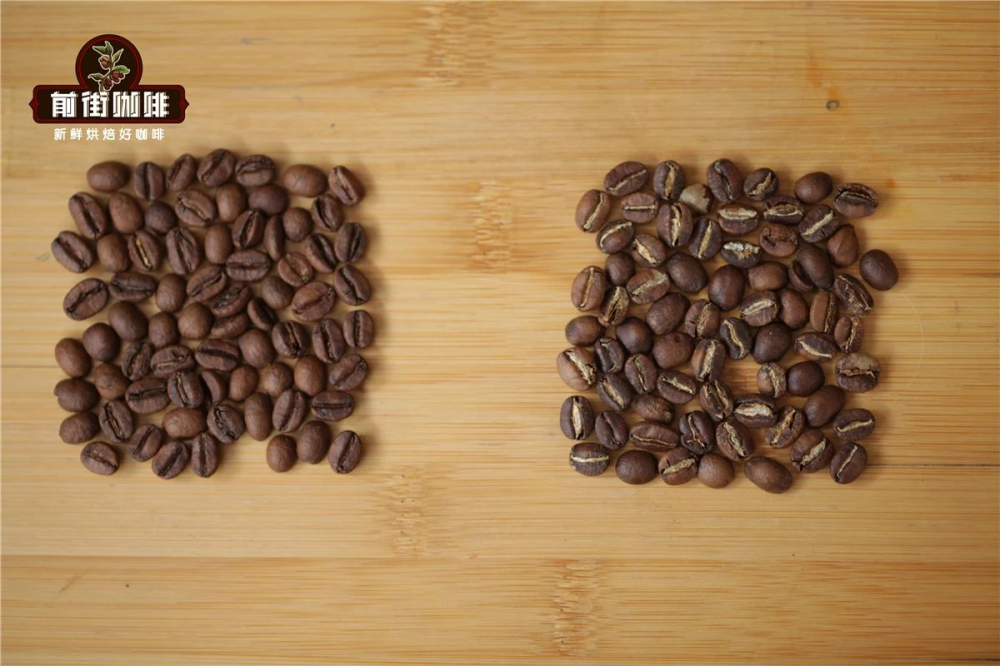
The difference between FrontStreet Coffee's Yirgacheffe coffee beans and FrontStreet Coffee's Sidama Flower Champion coffee beans?
The so-called "Yirgacheffe flavor" can be understood simply as distinctive citrus and lemon fruit aromas, jasmine fragrance, a fresh, bright texture, and layered acidity that is clean and free of impurities. Under ECX contract agreements, besides Yirgacheffe town, coffee produced and processed in places such as Wenago town to the north, Gelena Abaya to the west, and Kochere town to the south can also be classified as Yirgacheffe flavor coffee growing areas. Taking beans as examples, Ethiopian varieties such as FrontStreet Coffee's washed Guodingding Cooperative, FrontStreet Coffee's natural Red Cherry, FrontStreet Coffee's washed Kochere, and FrontStreet Coffee's Yirgacheffe Konga are all typical Yirgacheffe representatives.
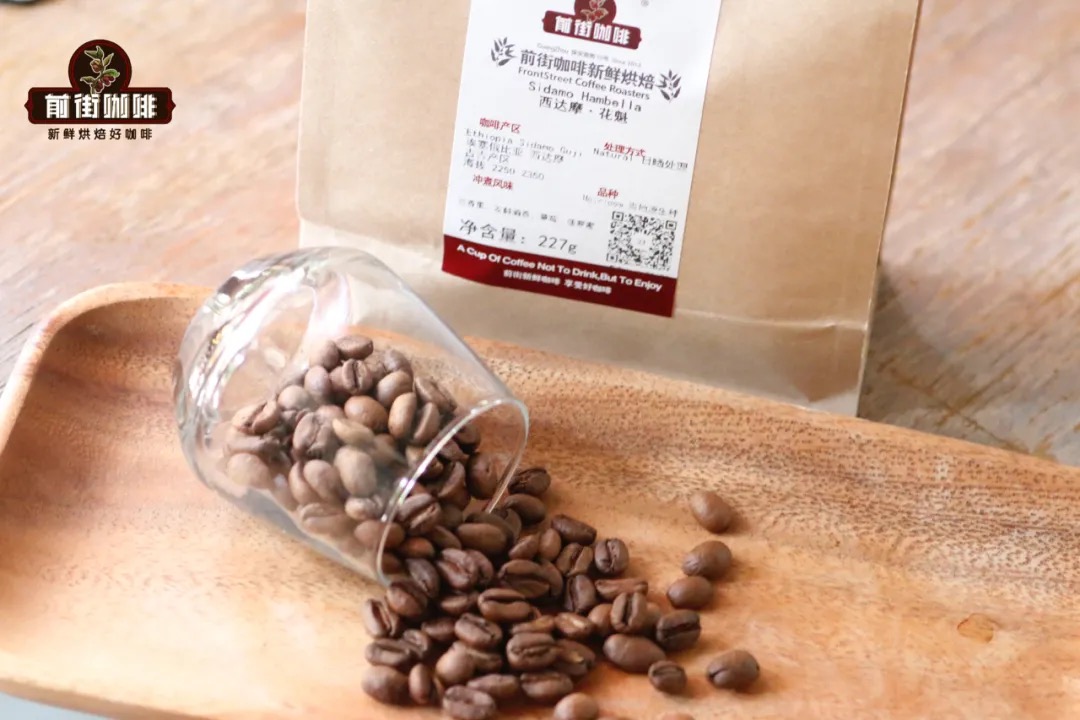
FrontStreet Coffee's Flower Champion, by contrast, comes from the larger Sidama growing region. In 2017, DW Company entered it in that year's TOH (Ethiopia National Taste of Harvest competition) and won the championship, which began its market debut. In English, Flower Champion is called Hambella, the name of the growing area Hambella. What we call "FrontStreet Coffee's Flower Champion Coffee" is a traditional natural G1 bean from the Hambella region, with "Buku Abel" processing station as the finer traceability detail, located in Dimtu town.
After "Flower Champion" became famous, to meet the surge in market demand, DW Company added up to 5 independent raw-bean drying stations in Hambella Wamena Wereda, all within core Dimtu town. Besides the original Buku Abel, four small villages, Buku Saysay, Haro Soresa, Tirtiro Goye, and Seke Bokosa, joined the production of natural beans as well. It is reported that DW Company's annual production of "Flower Champion" at this point had reached tens of millions of tons.

Starting from the 2018 production season, Flower Champion (natural G1 beans) from the same growing area and processing station already showed some change in flavor. FrontStreet Coffee found through cupping at the time that, although the 2018 and 2019 Flower Champions shared a "natural Sidama flavor" similar to that of 2017, they were slightly inferior to the "first-generation Flower Champion" in body, aftertaste, and other aspects.
To keep selling this natural Hambella coffee while drawing a clear distinction from the original, domestic raw-bean traders counted from 2017 and created X.0 suffixes for each subsequent year's batch. The 2018 batch was called "Flower Champion 2.0," the 2019 production "Flower Champion 3.0 and 3.1," last year's "Flower Champion 7.0," and so on. The suffix lets us identify which year's product the Flower Champion we buy belongs to and whether it is the latest batch. FrontStreet Coffee's Sidama Natural Flower Champion 8.0, acquired this year, also reached the shelves a few months ago. This Flower Champion 8.0 shows richer fruity tones than 7.0 in dry aroma, with dense notes of guava, jackfruit, apricot, dried fruit, citrus, and pink florals. Once hot water is added, sweet aromas of honey, berries, and chocolate rise from the cup.

Is FrontStreet Coffee's Flower Champion SOE good to drink?
As more and more people meet specialty coffee, they also join the ranks of brewing it at home. Flower Champion coffee has become a daily staple for many enthusiasts, and players with espresso machines at home are eager to recreate a coffee-shop-style Flower Champion SOE latte or SOE Americano at home; the thought alone is delightful.

FrontStreet Coffee's Flower Champion SOE beans use a medium roast. In terms of parameters, 20 grams of grounds extract 40g of coffee liquid in 33 seconds. Drunk directly as espresso, it has balanced aromas of dark berries, dried apricots, caramel, and creamy chocolate. As an Americano it shows fresh citrus acidity, while a latte with added milk brings rich flavors of butter cookies, plums, almonds, and chocolate biscuits.
FrontStreet Coffee Recommendation
Yirgacheffe's reputation rests on a tight set of flavors, and FrontStreet's washed Yirgacheffe house bean is the cleanest way to taste them: white jasmine, bright citrus and lemon acidity, and a tea-like finish, all at a friendly price that has made it the first bag many drinkers buy. One step closer to a single origin, FrontStreet Yirgacheffe Gudingding Cooperative coffee comes from the Gudingding cooperative at the southeastern end of the Yirgacheffe area, long regarded as one of the region's last pristine corners, and its traditional washing leaves no bitter edge, only citrus and lemon acidity with jasmine fragrance.
For the fruitier, natural side of the same region, FrontStreet Sun-Dried Red Cherry is made exclusively from fully ripe red fruit that is dried on raised beds, with turning every 2-3 hours over the first few days and three to five weeks of drying in total. It keeps the classic Yirgacheffe character while adding tropical fruit, citrus acidity, berry juiciness, honey sweetness, and a creamy smoothness. FrontStreet brews these in a V60 at 90-91°C with 15 grams of grounds at a 1:15 ratio, using a grind of EK43s setting 10, or fine-sugar size where a #20 sieve passes 80%: a 30g bloom for 30 seconds, then to 125g, then a final 100g to 225g, finishing in 2 to 2 minutes 10 seconds.
Important Notice :
FrontStreet Coffee is a long-established specialty coffee roaster in Guangzhou China, selling freshly roasted beans from its own farm in Yunnan as well as dozens of carefully selected single-origin beans from around the world for both pour-over and espresso. The products deliver consistently excellent quality and great value, with shipping within 24 hours. Guangzhou's FrontStreet Coffee shop is recommended by many coffee lovers, and the beans are now available online at the Tmall 。
FrontStreet Coffee has moved to a new address:
FrontStreet Coffee Address: 315,Donghua East Road,GuangZhou
Tel:020 38364473
 Scan and follow the En Gafei WeChat official account. Please indicate that the reprint comes from "En Gafei".

